Developmental editing operates at the architectural level of your manuscript. While other editing types fix surface problems, developmental editing examines whether your story foundation supports the weight of your narrative ambitions.
Think of developmental editing as structural engineering for stories. Your developmental editor reads your manuscript not as a fan but as a professional diagnostician, identifying where your story wobbles, where readers might lose interest, and where your narrative promises go unfulfilled.
The Big Picture Focus: Structure, Character, and Narrative Arc
Your developmental editor sees your manuscript as a complete ecosystem where every element must work together. Plot structure receives intense scrutiny because readers unconsciously expect certain story rhythms and payoffs. Your editor identifies where your opening hooks fail to engage, where your middle sections sag, and whether your ending delivers on earlier promises.
Character development gets equal attention. Your editor tracks character arcs across chapters, noting where motivations feel unclear, where personality traits contradict earlier behavior, or where character growth stalls. They spot secondary characters who serve no story purpose and protagonists whose goals shift without logical reasons.
The overall narrative arc undergoes systematic analysis. Your editor examines whether your story's central conflict escalates appropriately, whether subplots enhance or distract from your main story, and whether your themes emerge naturally from character actions rather than authorial lectures.
Genre conventions factor heavily into developmental feedback. Romance editors verify your story hits expected emotional beats and relationship milestones. Mystery editors examine whether your clues plant fairly and your red herrings mislead without cheating readers. Fantasy editors assess world-building consistency and magic system logic.
Pacing Analysis: The Rhythm of Reader Engagement
Pacing problems plague most early drafts, and developmental editors possess trained instincts for identifying rhythm issues that amateur readers sense but struggle to articulate.
Your editor marks sections where narrative momentum stalls. Information dumps that interrupt story flow get flagged for restructuring or elimination. Scenes that fail to advance plot or develop character receive questioning margin notes about their necessity.
Dialogue pacing comes under scrutiny. Long speeches that sound more like author manifestos than character conversation get highlighted. Conversations that meander without purpose or tension receive suggestions for tightening or cutting.
Action sequences receive special attention for pacing effectiveness. Your editor identifies where fight scenes drag because of excessive detail, where chase sequences lose urgency through poor sentence structure, and where climactic moments fail to deliver appropriate emotional impact.
Chapter breaks and transitions get evaluated for their contribution to overall pacing. Your editor suggests where chapter endings need stronger hooks, where new chapters begin too abruptly, and where scene transitions confuse rather than guide readers.
Story Logic and Internal Consistency
Developmental editors function as professional skeptics who question every story element for logical consistency. Plot holes that authors miss due to close familiarity with their material get identified and flagged for resolution.
Character behavior undergoes logical scrutiny. Actions that contradict established personality traits receive questioning comments. Decisions that seem convenient for plot advancement but unlikely for character motivation get challenged.
World-building elements face consistency checks. Your editor tracks details about fictional locations, time periods, and cultural elements to identify contradictions that appear across chapters. Fantasy and science fiction manuscripts receive especially rigorous examination of their invented world rules.
Timeline inconsistencies get caught and corrected. Your editor maintains mental timelines of story events, catching where seasons change too quickly, where character ages don't align with story chronology, and where flashback sequences create temporal confusion.
Thematic Development and Resonance
Strong developmental editors recognize themes as they emerge from your story and help strengthen thematic resonance without heavy-handed messaging.
Your editor identifies where your story's deeper meanings surface naturally through character choices and plot developments. They suggest ways to reinforce these themes through subtle repetition and symbolic elements that enhance rather than overshadow your narrative.
Conflicting or muddled themes receive attention. Your editor points out where multiple thematic messages compete for reader attention, diluting your story's emotional impact. They suggest focusing techniques that strengthen your primary thematic elements.
Theme and plot integration gets evaluated. Your editor ensures your story's events authentically generate thematic insights rather than feeling like manufactured moral lessons imposed on reluctant characters.
Major Structural Interventions
Developmental editing often requires significant manuscript surgery. Your editor might suggest eliminating entire chapters that contribute nothing to your story's forward momentum. Opening chapters that start too early in your story timeline get flagged for cutting or condensing.
Chapter reordering becomes necessary when chronological presentation doesn't serve story effectiveness. Your editor might suggest starting with your inciting incident rather than extensive background setup, or recommend rearranging chapters to improve revelation timing and suspense building.
Point of view problems receive major attention. Multiple POV manuscripts get evaluated for whether each perspective genuinely contributes unique story value. Single POV manuscripts get examined for consistency and appropriate intimacy levels.
Character additions and deletions get suggested based on story needs. Your editor identifies where additional characters would strengthen conflict or provide necessary story functions. Conversely, they recommend combining or eliminating characters who dilute focus without adding value.
Setting changes sometimes get recommended. Your editor evaluates whether your chosen locations serve your story effectively or whether different settings might enhance mood, conflict, or thematic development.
Content Development and Gap Analysis
Developmental editors identify missing story elements that prevent your manuscript from reaching its full potential. Backstory gaps that leave character motivations unclear get flagged for development or clarification.
Subplot development receives evaluation for completeness and integration. Your editor identifies promising subplot threads that need fuller development and secondary plot lines that distract from your primary story without adding sufficient value.
Emotional development gets scrutinized. Your editor identifies where character relationships need deeper exploration, where emotional stakes need heightening, and where reader empathy requires stronger foundation building.
Research gaps in historical fiction, mysteries, or contemporary stories get identified. Your editor flags areas where insufficient research creates authenticity problems that will distract knowledgeable readers.
The First Professional Stage: Why Timing Matters
Developmental editing happens first in the professional editing sequence because structural problems can't be fixed by copy editing or proofreading. Attempting later-stage editing on structurally flawed manuscripts wastes time and money.
Your developmental editor reads your complete manuscript before providing feedback, understanding how early chapters set up later developments and how ending revelations reframe earlier events. This complete-story perspective guides their structural recommendations.
The editing process requires your active participation. Unlike copy editing, where you accept or reject specific corrections, developmental editing provides analysis and suggestions that you must interpret and implement through your own rewriting process.
Multiple revision rounds often follow developmental editing. Your editor's suggestions frequently require substantial rewriting that generates new problems requiring additional professional review. Budget for this iterative process when planning your editing timeline.
Recognizing Quality Developmental Feedback
Effective developmental editors provide specific examples supporting their observations rather than vague general comments. Instead of "pacing feels slow," quality feedback identifies particular scenes or chapters where momentum stalls and explains why.
Strong developmental editors offer solutions alongside problem identification. They suggest specific techniques for strengthening weak areas rather than simply pointing out flaws without guidance for improvement.
Genre expertise shows in feedback quality. Your editor should demonstrate understanding of your target readership's expectations and your story's competitive landscape within its category.
Preparing Your Manuscript for Developmental Editing
Complete your full first draft before seeking developmental editing. Partial manuscripts prevent your editor from understanding your story's complete arc and providing comprehensive feedback.
Clean up obvious typos and formatting issues, but don't worry about perfect prose. Developmental editing addresses bigger concerns than sentence-level mechanics.
Prepare specific questions about areas where you feel uncertain. Your editor can provide focused attention to particular concerns alongside their comprehensive manuscript analysis.
Understand that developmental editing requires emotional resilience. Professional feedback about story weaknesses feels personal because stories emerge from our creative imagination, but treating feedback as professional guidance rather than personal criticism leads to better outcomes.
Understanding Copy Editing
Copy editing happens at ground level, where your story meets readers one sentence at a time. While developmental editing reshapes your manuscript's architecture, copy editing polishes every surface until your prose gleams with professional precision.
Copy editors function as quality control specialists who catch the mechanical problems that distract readers from your story. They operate with microscopic attention to detail, examining each sentence for grammar violations, punctuation errors, and spelling mistakes that spell-check software misses.
Sentence-Level Precision: The Mechanics of Professional Writing
Grammar correction forms copy editing's foundation, but not the rigid, school-textbook variety that ignores how language actually works. Professional copy editors understand grammar as a tool for clarity and reader comprehension, not arbitrary rules imposed by long-dead academics.
Your copy editor fixes subject-verb disagreements that create reader confusion. They catch dangling modifiers that attach to wrong sentence elements, creating unintended comedy in serious scenes. Pronoun references get clarified when "it," "this," or "they" could refer to multiple preceding nouns.
Verb tense consistency receives systematic attention. Your editor tracks tense throughout your manuscript, catching where present tense slips into past tense within the same scene, or where past perfect tense appears unnecessarily in straightforward past-tense narration.
Punctuation gets professional treatment that goes beyond basic comma rules. Your copy editor knows when semicolons enhance sentence flow and when they feel pretentious. They understand comma usage in complex sentences with multiple clauses and know which comma "rules" writers break regularly without confusing readers.
Dialogue punctuation receives special scrutiny. Your editor ensures quote marks, commas, and periods follow publishing conventions consistently throughout your manuscript. They catch where question marks belong inside quotation marks and where they don't, depending on whether the question comes from the speaker or the narrator.
Spelling corrections extend beyond obvious misspellings to include commonly confused word pairs that automatic spell-checkers miss. "Affect" versus "effect," "lay" versus "lie," and "who" versus "whom" get corrected based on proper grammatical usage rather than common misuse patterns.
Style and Formatting Consistency
Copy editors maintain style consistency throughout your entire manuscript using professional guidelines rather than personal preference. They apply chosen style guide rules uniformly, whether you're following Chicago Manual of Style, Associated Press guidelines, or publisher-specific requirements.
Numbers get consistent treatment. Your editor ensures you handle numbers below ten as words ("three cats") and numbers above ten as numerals ("12 dogs"), unless your style guide specifies different conventions. Time references, dates, and measurements follow consistent formatting patterns.
Capitalization receives systematic review. Your copy editor tracks character names, place names, and invented terms throughout your manuscript, ensuring consistent capitalization and spelling. Fantasy novels with extensive world-building get particular attention for consistency in magical terms, character titles, and location names.
Hyphenation follows style guide conventions rather than arbitrary decisions. Your editor knows which compound words require hyphens, which function as single words, and which remain separate. "Twenty-one" gets hyphenated, "notebook" doesn't, and "well known" depends on whether it precedes or follows the noun it modifies.
Italics usage gets standardized. Your copy editor ensures foreign words, internal thoughts, book titles, and emphasis receive consistent italics treatment. They catch where writers alternate between italics and quotation marks for the same type of content within a single manuscript.
Factual Accuracy and Research Verification
Professional copy editors verify factual claims within your manuscript's scope, catching errors that undermine reader trust in your authority. They don't conduct original research, but they identify obvious factual problems that need author attention.
Historical details get basic fact-checking. Your copy editor flags anachronisms like characters using telephones before their invention or wearing clothing styles that didn't exist during your story's time period. They catch where historical figures appear in wrong decades or where historical events get misdated.
Geographic accuracy receives attention. Your copy editor notices when characters travel impossible distances in unrealistic timeframes or when real locations get described inaccurately. They catch where driving directions don't match actual road layouts in real cities.
Technical terminology gets consistency checking. Your copy editor ensures you use professional jargon correctly and consistently throughout your manuscript. Medical terms, legal language, and scientific concepts get verified for proper usage and spelling.
Cultural references receive scrutiny for accuracy and appropriateness. Your copy editor identifies where pop culture references don't match your story's timeline or where cultural details seem inaccurate for your characters' backgrounds.
Style Guide Adherence and Publishing Standards
Copy editors master multiple style guides and apply appropriate standards based on your manuscript's intended publication destination. Traditional publishers specify style requirements, while self-published authors choose their preferred guidelines.
Chicago Manual of Style governs most fiction publishing, and your copy editor applies its guidelines for punctuation, capitalization, and formatting. They know Chicago's fiction-specific recommendations for dialogue formatting, scene breaks, and chapter headings.
Associated Press style dominates journalism and some nonfiction markets. Your copy editor understands AP's preference for minimal punctuation, specific date formats, and particular approaches to abbreviations and acronyms.
Publisher-specific style sheets override general guidelines. Your copy editor adapts to individual publishing house requirements while maintaining consistency throughout your manuscript. They understand that Harlequin romance guidelines differ from literary fiction standards.
Genre conventions influence style choices. Your copy editor recognizes that science fiction manuscripts handle technological terms differently from contemporary fiction, and historical novels require different approaches to dialogue and narration than modern stories.
Timing in the Editorial Process
Copy editing happens late in the manuscript development process because earlier structural changes would invalidate sentence-level corrections. Your copy editor works on content that won't undergo major revision, making their corrections worthwhile investments.
Developmental editing must precede copy editing because structural changes affect sentence-level elements. Adding new chapters, reorganizing existing content, or rewriting character arcs generates new material that requires fresh copy editing attention.
Line editing typically happens before copy editing, addressing sentence flow, word choice, and paragraph structure. Copy editors work on manuscripts where line-level issues have been resolved, focusing on mechanical correctness rather than stylistic improvement.
Final proofreading follows copy editing, catching any errors introduced during the copy editing process or missed during earlier review stages. Copy editors don't replace proofreaders but provide the foundation that makes final proofreading effective.
The Copy Editor's Toolkit: Standards and Conventions
Professional copy editors use standardized proofreading marks that communicate corrections clearly to authors and publishers. These symbols provide universal language for editorial changes, ensuring consistent communication across the publishing industry.
Style sheets document decisions made throughout the copy editing process. Your copy editor creates reference documents tracking character name spellings, place name capitalizations, and invented term formatting to ensure consistency across your entire manuscript.
Electronic editing tools enhance traditional copy editing without replacing human judgment. Track Changes functions allow editors to show corrections transparently while preserving original text for author review and approval.
Query systems let copy editors ask clarification questions without making assumptions about author intent. Your copy editor flags unclear passages, potential factual errors, and ambiguous references for your review rather than making arbitrary changes.
Preserving Author Voice While Ensuring Correctness
Skilled copy editors maintain your distinctive writing style while correcting mechanical problems. They understand the difference between intentional style choices and genuine errors, preserving deliberate grammar breaks that serve stylistic purposes.
Dialogue receives special treatment that balances realism with readability. Your copy editor allows characters to speak naturally, including grammatically incorrect speech that reflects education levels, regional dialects, or emotional states, while ensuring dialogue remains comprehensible to readers.
Regional voice and cultural authenticity get preserved through
Scope and Timing Differences
The timing of these two editing stages matters more than most writers realize. Get the sequence wrong, and you'll waste money fixing sentences in chapters you later delete, or polishing prose that undergoes major rewrites. Understanding when each type of editing serves your manuscript best saves both time and budget.
The Early Bird Gets the Structure: Developmental Editing's Prime Time
Developmental editing works best when your manuscript feels complete but remains malleable. You've typed "The End" and printed out those 300 pages, but you know something isn't quite right. Your plot has holes. Your protagonist feels flat. Your pacing drags in the middle third. This is developmental editing territory.
Smart writers schedule developmental editing after completing their first or second draft, when they've told the complete story but before they've fallen too deeply in love with specific sentences. You want enough distance from your work to accept major changes without heartbreak, but enough investment to implement substantial revisions.
Your developmental editor examines the manuscript's skeleton before worrying about its skin. They look at how your chapters connect, whether your character arcs complete satisfying journeys, and if your plot threads weave together logically. These big-picture elements need resolution before anyone concerns themselves with comma placement.
The timing protects your investment. Developmental changes often require deleting entire chapters, combining characters, or restructuring your story's chronology. Copy editing work done before these changes becomes worthless when you implement structural revisions. You wouldn't wallpaper a house before checking if the walls need moving.
Multiple Rounds: The Revision Reality
Developmental editing rarely resolves all structural issues in a single pass. Most manuscripts require two or three revision cycles to address major story problems effectively. Your editor identifies the biggest issues first, you revise, then they review your changes and catch secondary problems that weren't visible initially.
Consider a mystery novel where the developmental editor identifies pacing problems in the second act. You revise those chapters, adding new scenes and removing others. Now your editor reviews the revision and notices that your new scenes introduced plot holes that weren't apparent before. This back-and-forth continues until your story structure holds together.
Each revision round improves your manuscript's foundation. The first pass might address character motivation problems. The second round tackles pacing issues that became visible after character fixes. The third round polishes thematic elements that emerged during earlier revisions.
Budget for multiple developmental rounds from the start. Writers who expect single-pass perfection often feel frustrated when their editor identifies new problems after revisions. These aren't failures but natural consequences of improving complex story elements that interact with each other.
Content Finalization: The Copy Editing Prerequisite
Copy editing works only on manuscripts with finalized content. Your editor corrects grammar and checks consistency, work that becomes pointless if you later rewrite chapters or reorganize story elements. Think of copy editing as the final polish applied to your completed sculpture.
Content finalization means more than finishing your story. It means resolving all structural issues, completing character development, and finalizing your plot's logical sequence. Your chapters appear in final order. Your scenes contain all necessary information. Your characters behave consistently throughout the narrative.
Style and voice should stabilize before copy editing begins. Major voice changes during developmental editing create inconsistencies that copy editors must address, but minor voice adjustments shouldn't derail the copy editing process. Your narrative voice should sound consistent from chapter one through your conclusion.
Scene-level content needs completion before copy editing starts. Adding new scenes after copy editing means those scenes won't receive the same mechanical attention as the rest of your manuscript. Deleting scenes after copy editing wastes money spent on corrections you'll never use.
The Preservation Principle: Copy Editing's Conservative Approach
Copy editors preserve your existing content while improving its technical execution. They don't suggest structural changes, character additions, or plot modifications. Their job involves making your finalized content as clean and consistent as possible without altering your creative decisions.
This preservation approach distinguishes copy editing from developmental work. Where developmental editors might suggest combining two characters or moving a scene to a different chapter, copy editors accept your structural choices and focus on execution quality. They assume your content decisions are intentional and final.
Grammar corrections illustrate this conservative approach. Copy editors fix obvious errors like subject-verb disagreement or incorrect punctuation. They don't rewrite sentences for better flow or suggest alternative word choices unless your original choices create genuine confusion or contain factual errors.
Consistency enforcement follows the same principle. Copy editors ensure you spell character names identically throughout your manuscript and apply formatting standards uniformly. They don't question whether you chose the best character names or most effective formatting approach.
Timing Overlaps and Gray Areas
Real editing projects sometimes blur the lines between developmental and copy editing phases. You might discover minor structural problems during copy editing that require small content adjustments. Or your developmental editor might catch obvious grammar errors while reviewing story structure.
Line editing often bridges developmental and copy editing phases. Line editors examine sentence-level elements like word choice, sentence flow, and paragraph structure after developmental issues are resolved but before mechanical copy editing begins. This intermediate stage addresses prose quality without requiring major structural changes.
Some manuscripts need hybrid approaches. A well-structured novel with unclear prose might benefit from simultaneous attention to both story elements and sentence-level clarity. Experienced editors adjust their approach based on your manuscript's specific needs rather than following rigid phase boundaries.
Genre considerations affect timing decisions. Technical nonfiction might require fact-checking during copy editing that resembles developmental research. Historical fiction might need cultural accuracy verification that blends developmental and copy editing concerns. Romance novels might require consistency checking for series elements that spans both editing types.
Workflow Efficiency: Maximizing Your Editorial Investment
Efficient editing workflows minimize redundant work and maximize improvement per dollar spent. Starting with developmental editing ensures you're not polishing prose you'll later delete or correcting grammar in chapters you'll eventually restructure completely.
Document version control becomes critical when managing multiple editing phases. Your developmental editor works on Draft 3. After implementing their suggestions, you create Draft 4 for line editing. Draft 5 goes to copy editing. Clear version tracking prevents confusion and ensures everyone works on the correct manuscript version.
Editorial feedback integration affects timing decisions. Some writers implement all developmental suggestions before copy editing. Others address major structural issues first, then alternate between smaller developmental fixes and copy editing work. Choose the approach that matches your revision style and budget constraints.
Communication between editing phases improves efficiency. Your developmental editor's notes help copy editors understand intentional style choices versus oversight errors. Copy editors' consistency questions might reveal minor structural issues that need developmental attention. Coordinated editorial teams work more effectively than isolated specialists.
Recognizing Your Manuscript's Readiness
Manuscripts signal their readiness for each editing phase through specific characteristics. Developmental editing readiness shows in complete story arcs, consistent character behavior, and logical plot progression, even if prose quality needs improvement. Copy editing readiness appears in stable content that won't undergo major revision.
Story completion doesn't guarantee developmental readiness. Your plot might reach a conclusion without resolving character arcs satisfactorily. Your narrative might answer plot questions without addressing thematic elements effectively. Developmental editing addresses these completion gaps before copy editing begins.
Structural stability indicates copy editing readiness. Your chapters appear in final order. Your scenes contain necessary information for reader comprehension. Your character arcs complete their intended journeys. Minor adjustments might still occur, but major reorganization is finished.
Voice consistency suggests copy editing appropriateness. Your narrative voice sounds stable throughout the manuscript. Character voices remain distinct and consistent across all scenes. Style choices appear intentional rather than accidental. These elements need stability before mechanical editing begins.
Common Timing Mistakes and How to Avoid Them
Writers often rush to copy editing before resolving structural issues, hoping mechanical polish will disguise story problems. Grammar perfection won't save poorly motivated characters or confusing plot sequences. Address story structure before worrying about sentence structure.
Perfectionist writers sometimes extend developmental editing indefinitely, afraid to move toward finalization. Every story has minor flaws that don't warrant extensive revision. Recognize when your structural issues are resolved well enough to proceed with mechanical editing.
Budget constraints sometimes force premature copy editing decisions. Writers with limited funds skip developmental editing and jump to copy editing, hoping grammar
Types of Feedback Provided
The way editors communicate with you reveals everything about their role in your manuscript's journey. Developmental editors write you letters. Copy editors mark up your pages. These different feedback styles reflect fundamentally different approaches to improving your work.
The Editorial Letter: Your Developmental Editor's Deep Dive
Developmental editors send you what feels like a thoughtful friend's analysis of your story, except this friend happens to know everything about narrative structure and character psychology. Editorial letters typically run three to ten pages of single-spaced commentary that addresses your manuscript's biggest opportunities for improvement.
These letters read like extended conversations about your story. Your editor might spend a full paragraph explaining why your protagonist's motivation becomes unclear in chapter twelve, then suggest three specific approaches for clarifying her goals. They discuss your pacing problems not with quick fixes but with detailed analysis of why certain scenes drag and others feel rushed.
The tone stays encouraging even when addressing serious problems. Professional developmental editors understand that criticism wrapped in support helps writers implement changes effectively. They acknowledge what's working well before diving into areas needing attention. "Your dialogue sparkles with personality, but your plot structure needs strengthening to match your character work."
Editorial letters organize feedback thematically rather than chronologically. Your editor groups all character-related observations together, then addresses plot issues, followed by pacing concerns. This organization helps you tackle revisions systematically instead of jumping randomly between different types of problems scattered throughout your manuscript.
Scene-by-Scene Commentary: The Detailed Roadmap
Beyond the editorial letter, developmental editors provide chapter-specific feedback that walks you through your manuscript's journey. These comments appear as margin notes in digital files or separate documents that reference specific page numbers and scenes.
Chapter notes focus on how individual scenes serve your larger story goals. "This dinner conversation reveals important backstory, but it stops your plot momentum. Consider weaving this information into the following action sequence instead." These suggestions help you see how local decisions affect your story's overall flow.
Character tracking appears frequently in developmental feedback. Your editor notices when supporting characters disappear for too long, when personality traits shift without explanation, or when dialogue stops sounding authentic to specific characters. They track these elements across your entire manuscript to ensure consistency.
Pacing observations get specific attention in scene-level feedback. Your editor identifies where tension drops, where conflict needs escalation, and where scenes could be combined or separated for better dramatic effect. These suggestions require understanding both your individual scenes and your story's overall rhythm.
The Developmental Editor's Suggestion Toolkit
Developmental editors offer solutions alongside problem identification. When they point out that your second act drags, they suggest specific structural changes: combining two weak scenes into one stronger scene, adding a subplot to maintain tension, or introducing a new conflict to propel the story forward.
Alternative approaches appear throughout developmental feedback. Your editor might suggest three different ways to handle a character reveal, explaining the dramatic advantages of each option. This helps you choose solutions that match your artistic vision rather than blindly following editorial direction.
Research suggestions often accompany developmental feedback. If your historical novel contains anachronisms, your editor recommends specific resources for historical accuracy. If your science fiction concepts need strengthening, they point you toward relevant scientific information. They help you find the knowledge needed to improve your work.
Genre-specific guidance shapes developmental suggestions. Romance editors focus on relationship dynamics and emotional satisfaction. Mystery editors emphasize clue placement and red herring effectiveness. Thriller editors concentrate on tension maintenance and plot logic. They tailor their advice to your story's unique requirements.
Copy Editor Precision: The Art of Marked Corrections
Copy editors speak in symbols and brief notes that appear directly on your manuscript pages. Their feedback looks clinical compared to developmental commentary, but this precision serves your story's final polish needs. Every mark has specific meaning and clear correction intent.
Grammar corrections get standard proofreading marks that editors learn in training and writers recognize quickly. A caret (^) shows where to insert missing words. Deletion marks cross out unnecessary elements. Transposition marks show when word order needs adjustment. These symbols communicate efficiently without lengthy explanation.
Style consistency notes appear as brief margin comments. "Use 'toward' throughout (not 'towards')" or "Character names in italics per your established format" or "Check: earlier you wrote 'Dr. Smith,' here 'Doctor Smith.'" Copy editors track these details across your entire manuscript and point out discrepancies.
Factual queries surface as polite questions rather than corrections. "Author: Is this the correct date for the moon landing?" or "Verify: Does this street actually exist in Chicago?" Copy editors flag potential errors but let authors confirm or correct factual information.
The Query System: When Copy Editors Need Clarification
Copy editors use a standardized query system when they encounter unclear elements that might require author input. These queries appear as numbered margin notes that correspond to specific manuscript locations. The query system prevents editors from making incorrect assumptions about author intent.
Common queries address ambiguous references. "Unclear antecedent: does 'it' refer to the house or the garden?" These questions help editors avoid changing sentences in ways that alter your intended meaning. They ask for clarification rather than guessing your intent.
Consistency queries point out conflicting information. "Earlier you wrote that Sarah has brown eyes, but here you describe them as blue. Please verify correct eye color." Copy editors track details that authors sometimes forget across long manuscripts.
Technical accuracy queries appear in specialized manuscripts. "Medical accuracy: Is this the correct terminology for this procedure?" Copy editors recognize their expertise limitations and ask authors to verify technical information rather than making uninformed corrections.
Feedback Volume and Detail Differences
Developmental editing generates substantially more feedback than copy editing. A developmental edit might produce twenty pages of commentary for a novel-length manuscript. Copy editing typically produces far fewer queries and comments because most corrections are self-explanatory.
The feedback depth differs dramatically between editing types. Developmental editors explain the reasoning behind their suggestions. "This scene feels slow because the conflict isn't escalating. Consider raising the stakes by having Marcus discover the letter here instead of in the next chapter." Copy editors mark errors without extensive explanation because grammar rules don't require justification.
Revision scope reflected in feedback varies between editing phases. Developmental feedback often suggests changes that affect multiple chapters or entire character arcs. Copy editing changes typically affect individual sentences or paragraphs without broader manuscript implications.
Digital Tools and Feedback Delivery
Modern editing relies heavily on digital tools that affect how feedback reaches authors. Track changes in Microsoft Word shows exactly what copy editors modified, with different colors for different types of corrections. Comments in margins provide space for queries and brief explanations.
Google Docs enables real-time collaborative editing where authors see changes as editors make them. Some editors prefer this transparency while others complete full reviews before sharing marked manuscripts. The tool choice affects how you experience the editing process.
PDF annotation tools work well for manuscripts that need visual layout preservation. Some copy editors prefer PDF markup because it prevents accidental changes to original text while allowing comprehensive feedback annotation.
Editorial management software helps track multiple revision rounds and organize feedback efficiently. These tools become especially valuable during complex developmental editing projects that require extensive back-and-forth communication.
Interpreting and Acting on Different Feedback Types
Developmental feedback requires interpretive reading. Your editor suggests directions rather than dictating specific changes. "Consider strengthening the romantic subplot" gives you creative freedom to determine how that strengthening occurs. You maintain artistic control while benefiting from editorial insight.
Copy editing feedback demands precise implementation. When your editor corrects "there" to "their," you should make that exact change unless you have compelling reasons to maintain the original. These corrections address objective standards rather than subjective preferences.
Priority levels differ between feedback types. Developmental suggestions often include explicit or implied priorities. Major character problems need attention before minor pacing adjustments. Copy editing corrections are generally equal priority unless editors specifically note optional changes.
Timeline Expectations for Feedback Response
Developmental feedback often requires weeks or months to implement properly. Major structural changes take time to execute well. Your editor expects substantial revision
Skills and Expertise Required
The difference between what developmental editors and copy editors bring to your manuscript is like comparing an architect to a master craftsman. Both are essential professionals, but they solve completely different problems with entirely different skill sets.
The Developmental Editor's Storytelling Arsenal
Developmental editors are story doctors first and grammar experts second. They need an intuitive understanding of how narratives work that goes far beyond knowing the three-act structure. When they read your manuscript, they're tracking multiple story elements simultaneously: character motivation, plot logic, emotional pacing, thematic coherence, and reader engagement.
Genre expertise matters enormously in developmental editing. A romance editor who understands the emotional beats readers expect will catch problems that a literary fiction editor might miss. Fantasy editors know world-building requirements. Mystery editors understand clue placement and red herring effectiveness. Thriller editors recognize tension patterns. This specialized knowledge shapes the advice they provide.
Pattern recognition skills separate good developmental editors from great ones. They notice when your protagonist's internal conflict gets buried under plot complications. They spot pacing problems that emerge from too many similar scenes clustered together. They identify when supporting characters serve no story function beyond convenient exposition delivery.
Developmental editors think diagnostically about story problems. When they identify a sagging middle section, they don't just point out the problem. They trace the issue back to its source: weak character goals, insufficient conflict, or unclear stakes. Then they suggest structural solutions that address root causes rather than symptoms.
The Psychology of Character Development
Understanding human psychology gives developmental editors their superpower for character work. They recognize when character actions don't match established personalities. They spot inconsistent dialogue patterns. They notice when character growth feels unearned or when relationships lack authentic emotional development.
Character arc expertise helps developmental editors guide you through the complex process of showing realistic change over time. They understand how internal transformation connects to external events. They know how to balance character consistency with necessary growth. They recognize when character revelations need better setup or when personality shifts happen too quickly to feel believable.
Dialogue assessment requires both technical skill and emotional intelligence. Developmental editors hear when conversations sound stilted or when every character speaks with the same voice. They identify exposition dumps disguised as dialogue. They spot missing subtext that would add depth to character interactions.
Plot Architecture and Structure Mastery
Developmental editors approach plot problems like structural engineers examining a building's foundation. They understand how story elements support each other and where weaknesses might cause narrative collapse. This requires both creative intuition and technical knowledge of storytelling mechanics.
Cause-and-effect logic gets constant attention from developmental editors. They track whether events follow naturally from character decisions and previous plot points. They identify coincidences that feel convenient rather than organic. They spot plot holes that will confuse or frustrate readers.
Scene function analysis helps developmental editors evaluate whether every scene advances your story effectively. They assess how individual scenes contribute to character development, plot progression, or thematic exploration. They suggest cutting scenes that don't serve multiple story purposes or combining weak scenes into stronger ones.
Genre Convention Expertise
Each genre carries reader expectations that developmental editors must understand thoroughly. Romance readers expect certain emotional beats and relationship developments. Science fiction readers want consistent world-building rules. Horror readers need escalating tension and effective scares. Developmental editors working in specific genres learn these conventions inside out.
Market awareness informs developmental editing decisions. Editors who understand current publishing trends help you navigate genre expectations while maintaining your unique voice. They know which conventions you should follow and where you have room for creative innovation.
Reader psychology understanding helps developmental editors predict how your target audience will respond to story choices. They anticipate where readers might get confused, bored, or emotionally disconnected. This reader advocacy shapes their suggestions for improving engagement throughout your manuscript.
The Copy Editor's Technical Foundation
Copy editors build their expertise on a foundation of mechanical precision that most writers never fully master. They know grammar rules so thoroughly that spotting errors becomes automatic. They understand punctuation conventions, spelling patterns, and style guide requirements at a level that allows them to work quickly and accurately.
Style guide mastery separates professional copy editors from well-meaning amateurs. Whether you're following Chicago Manual of Style, AP Stylebook, or MLA guidelines, professional copy editors know the rules cold. They understand when to apply exceptions and how to maintain consistency throughout long manuscripts.
Reference skills help copy editors verify information efficiently. They know how to check facts, confirm dates, verify quotations, and research technical details. They maintain extensive reference libraries and know where to find authoritative sources for specialized information.
Consistency Tracking Across Long Documents
Copy editors develop systems for tracking details across entire manuscripts. They note character name spellings, physical descriptions, timeline elements, and technical terminology. They catch inconsistencies that authors miss after working on projects for months or years.
Detail-oriented thinking allows copy editors to spot patterns that escape casual reading. They notice when you use "toward" in chapter three but "towards" in chapter fifteen. They catch subtle shifts in narrative voice or formatting inconsistencies that could distract readers from your story.
Quality control mindset drives copy editors to double-check their own work systematically. They review their changes to ensure corrections don't introduce new errors. They verify that style choices remain consistent throughout the editing process.
Language Precision and Clarity Skills
Copy editors excel at improving sentence-level clarity without changing author voice. They know how to eliminate wordiness, fix awkward constructions, and smooth choppy passages while preserving your writing style. This requires both technical skill and editorial sensitivity.
Word choice optimization helps copy editors suggest better alternatives when your language lacks precision. They distinguish between similar words with different connotations. They identify overused words and suggest varied alternatives. They spot jargon that might confuse general readers.
Readability assessment allows copy editors to evaluate whether your sentences flow smoothly and paragraphs transition logically. They identify passages that need restructuring for better comprehension. They suggest breaking up overly complex sentences or combining choppy ones.
Technical Accuracy and Fact-Checking
Professional copy editors develop research skills that help them verify factual information in your manuscript. They know how to check historical dates, geographical details, scientific concepts, and cultural references. They flag questionable information for author verification rather than making assumptions.
Source evaluation skills help copy editors assess the reliability of information they encounter during fact-checking. They understand which types of sources provide authoritative information for different subjects. They know when to recommend additional research for questionable claims.
Legal awareness guides copy editors when they encounter potentially problematic content. They understand basics of copyright, fair use, and libel law. They flag content that might require legal review without making legal judgments themselves.
Digital Tool Proficiency
Modern editing requires technological skills that complement traditional language expertise. Professional copy editors master word processing software features that improve efficiency and accuracy. They understand track changes, comment systems, and collaborative editing tools.
Database skills help copy editors manage style sheets and track consistency elements across large projects. They maintain detailed records of editorial decisions that ensure uniformity throughout manuscripts. They create systems that allow efficient reference during editing work.
Communication technology proficiency enables copy editors to work effectively with remote clients. They understand file sharing protocols, version control systems, and digital communication tools that support collaborative editing relationships.
Quality Assurance and Proofreading Skills
Copy editors develop systematic approaches to quality control that minimize errors in final manuscripts. They understand the difference between editing and proofreading. They know how to review their own work effectively and catch errors that multiple editing passes might miss.
Error pattern recognition helps experienced copy editors identify writers' recurring mistakes. They notice when authors consistently confuse certain words or make specific punctuation errors. This awareness allows them to search specifically for problems they expect to find.
Professional Development and Continuing Education
The best editors in both specializations commit to ongoing professional development. Language evolves, style guides change, and publishing industry standards shift. Professional editors stay current with
Cost and Investment Considerations
Let's talk money. Both developmental editing and copy editing represent significant investments in your manuscript, but they operate on completely different financial models for good reason.
Why Developmental Editing Commands Higher Rates
Developmental editing costs more because you're paying for creative expertise, not just technical skill. When a developmental editor reads your manuscript, they're performing complex analysis that goes far beyond mechanical corrections. They're evaluating story structure, character development, pacing, and thematic coherence. This deep-dive analysis requires extensive experience and creative problem-solving abilities that command premium rates.
Time investment drives developmental editing costs upward. A developmental editor might spend three to four hours analyzing each chapter of your manuscript, then additional time crafting detailed feedback letters that explain their recommendations. They're not just marking errors. They're diagnosing story problems and prescribing solutions that will improve your entire narrative.
The creative consultation aspect of developmental editing adds significant value that justifies higher costs. You're not just getting corrections. You're getting strategic guidance from someone who understands how stories work and how to fix them when they don't. This expertise comes from years of experience and ongoing professional development that editors invest in throughout their careers.
Copy Editing's More Predictable Pricing Structure
Copy editing rates stay lower because the work follows established protocols. Copy editors work systematically through manuscripts, applying known rules and conventions. While this work requires precision and expertise, it doesn't demand the same level of creative analysis as developmental editing.
Efficiency drives copy editing economics. Experienced copy editors develop workflows that allow them to work through manuscripts at consistent speeds. They know how long different types of projects take, which makes pricing more predictable for both editors and authors.
Standardization keeps copy editing costs reasonable. Style guides provide clear rules that copy editors apply consistently. Grammar conventions don't change from project to project. This standardization allows copy editors to work efficiently while maintaining quality.
Multiple Rounds and Budget Planning
Developmental editing often requires multiple passes that authors need to budget for upfront. After you receive developmental feedback and revise your manuscript, you might need another round of developmental editing to ensure your changes work effectively. Some authors go through three or four rounds before their manuscript is ready for copy editing.
Budget for revision time between developmental editing rounds. You're not just paying for the editor's time. You're investing your own time implementing changes, which might take weeks or months depending on the extent of revisions needed. Factor this timeline into your publishing schedule and budget planning.
Copy editing typically happens once per manuscript, assuming you've completed all developmental work first. You might need minor follow-up corrections after copy editing, but major revisions shouldn't be necessary if you've properly completed the developmental editing stage.
Value Assessment for Each Service
Developmental editing provides value through story improvement that copy editing doesn't address. If your plot has holes, your characters lack motivation, or your pacing drags, copy editing won't fix these problems. You need developmental expertise to address structural issues that affect reader engagement and manuscript marketability.
Copy editing provides essential quality control that developmental editing doesn't cover. Even after developmental work, your manuscript will contain grammar errors, inconsistencies, and formatting problems that professional copy editing resolves. These mechanical issues will distract readers from your story if left uncorrected.
Market Rate Expectations
Developmental editing rates vary widely based on editor experience, manuscript genre, and project complexity. Expect to pay anywhere from $0.08 to $0.20 per word for comprehensive developmental editing. For a 70,000-word novel, this translates to $5,600 to $14,000. Experienced editors working with commercial fiction or specialized genres often charge at the higher end of this range.
Copy editing rates typically range from $0.02 to $0.08 per word, depending on manuscript condition and editor expertise. The same 70,000-word novel would cost $1,400 to $5,600 for professional copy editing. Clean manuscripts that require minimal work cost less than heavily flawed texts that need extensive correction.
Project-based pricing sometimes offers better value than per-word rates, especially for manuscripts that need significant work. Some editors quote flat fees based on estimated time requirements. This approach provides cost certainty but requires accurate project assessment upfront.
Factor in Your Manuscript's Condition
First-time authors often underestimate how much developmental work their manuscripts need. If you've never worked with a professional editor before, assume your manuscript will need substantial developmental attention. Budget accordingly rather than hoping for minimal feedback.
Previously edited manuscripts cost less for copy editing because they're cleaner. If you've already completed developmental editing and revision work, copy editing should be straightforward. Manuscripts that skip developmental editing often require more expensive line editing that falls between developmental and copy editing in scope and cost.
Self-edited manuscripts present variable costs depending on your editing skills. Strong self-editors might need minimal developmental work but still require professional copy editing. Weak self-editors might need extensive help at both levels.
Investment Timing and Cash Flow
Spread editing costs across your project timeline to manage cash flow effectively. Pay for developmental editing first, complete your revisions, then budget for copy editing closer to your publication date. This approach prevents paying for copy editing twice if developmental changes require significant text revision.
Consider your publishing timeline when budgeting for editing services. Rush jobs cost more. Editors charge premium rates for fast turnaround times, especially during busy seasons. Plan ahead to get better rates and ensure editor availability.
Cost-Benefit Analysis for Different Publishing Paths
Traditional publishing authors might prioritize developmental editing because agents and publishers expect polished manuscripts. However, they often receive copy editing as part of the publishing process, which affects their editing budget allocation.
Self-publishing authors need both services because they're responsible for all quality control. Skipping either developmental or copy editing risks releasing substandard work that damages author reputation and sales potential.
Hybrid publishing arrangements vary in editing support provided. Understand what editing services your publisher includes before budgeting for additional professional help.
Return on Investment Considerations
Professional editing improves manuscript marketability, but the financial return varies by publishing path and genre. Commercial fiction with strong editing often performs better in competitive markets. Literary fiction might need developmental editing to achieve the quality standards agents and publishers expect.
Reader reviews frequently mention editing quality, especially when it's poor. Professional copy editing prevents negative reviews about grammar errors and formatting problems. Developmental editing helps create engaging stories that generate positive word-of-mouth marketing.
Negotiating Rates and Payment Terms
Editor rates reflect their experience and specialization. New editors charge less but might provide less value. Experienced editors cost more but often deliver better results more efficiently. Evaluate editors based on their track record with similar projects rather than price alone.
Payment schedules vary among editors. Some require full payment upfront. Others accept partial payments or staged billing tied to project milestones. Discuss payment terms before starting work to avoid misunderstandings.
Hidden Costs and Additional Considerations
Revision rounds add costs beyond initial editing fees. If developmental editing identifies major structural problems, you might need additional rounds after implementing changes. Budget for at least one follow-up consultation with your developmental editor.
File formatting sometimes incurs additional charges. Some editors include basic formatting in their rates. Others charge separately for specific format requirements or complex formatting needs.
Communication time might be billed separately by some editors. Extensive phone consultations or detailed email exchanges beyond standard project scope sometimes cost extra. Clarify what's included in quoted rates.
Making the Investment Decision
Both developmental editing and copy editing serve essential functions in manuscript preparation. Trying to save money by skipping either service often results in lower-quality final products that perform poorly in the marketplace.
View editing costs as marketing investments rather than just production expenses. Professional editing improves your manuscript's competitive position and reader appeal. Poor editing limits your book's success potential regardless of your story's inherent quality.
Budget for editing early in your writing process. Knowing what professional editing costs helps you plan realistic publishing timelines and make informed decisions about when you're ready to invest in professional help.
Finding Value in Professional Editing
Frequently Asked Questions
What's the main difference between developmental editing and copy editing?
Developmental editing addresses big-picture story elements like plot structure, character development, and pacing issues. It examines whether your story works as a complete narrative. Copy editing focuses on sentence-level mechanics: grammar, punctuation, spelling, and style consistency. Think of developmental editing as story surgery and copy editing as quality control for technical correctness.
Which type of editing should I do first?
Always do developmental editing before copy editing. Structural changes from developmental feedback often require rewriting chapters, adding new scenes, or reorganising content, which would invalidate copy editing work. Copy editing should only happen once your story structure is finalised and you won't be making major content changes.
Why does developmental editing cost significantly more than copy editing?
Developmental editing requires creative analysis of complex story elements, taking much longer per page than mechanical corrections. Editors must evaluate character psychology, plot logic, pacing, and thematic coherence whilst crafting detailed feedback letters with solutions. Copy editing follows established grammar rules and works more systematically, allowing faster completion at lower rates.
How do I know if my manuscript needs developmental editing?
If you're uncertain about your plot structure, character motivations feel unclear, pacing seems uneven, or beta readers identify story-level problems, you need developmental editing. Manuscripts with weak middles, confusing character arcs, or plots that don't feel compelling benefit from developmental attention before moving to copy editing.
What type of feedback will I receive from each editing service?
Developmental editors provide editorial letters with detailed story analysis plus scene-by-scene commentary addressing character development, plot issues, and pacing problems. Copy editors use marked corrections directly on your manuscript pages, fixing grammar and consistency with brief margin notes and queries about unclear passages.
Can one editor provide both developmental and copy editing services?
Some editors offer both services, but they should complete them sequentially rather than simultaneously. Developmental editing requires creative thinking about story structure, whilst copy editing demands systematic attention to mechanical details. These different mindsets work best when applied in separate passes through your manuscript.
How many rounds of developmental editing might my manuscript need?
Most manuscripts need two to three rounds of developmental editing to address all structural issues effectively. After implementing initial feedback and revising, secondary problems often become visible that weren't apparent before. Complex projects or first novels frequently require multiple revision cycles before achieving structural stability.
Do I need both types of editing if I'm self-publishing?
Self-published authors typically need both services because they're responsible for all quality control. Developmental editing ensures your story engages readers effectively, whilst copy editing prevents grammar errors and inconsistencies that damage professional credibility. Readers expect the same quality standards regardless of publishing method.
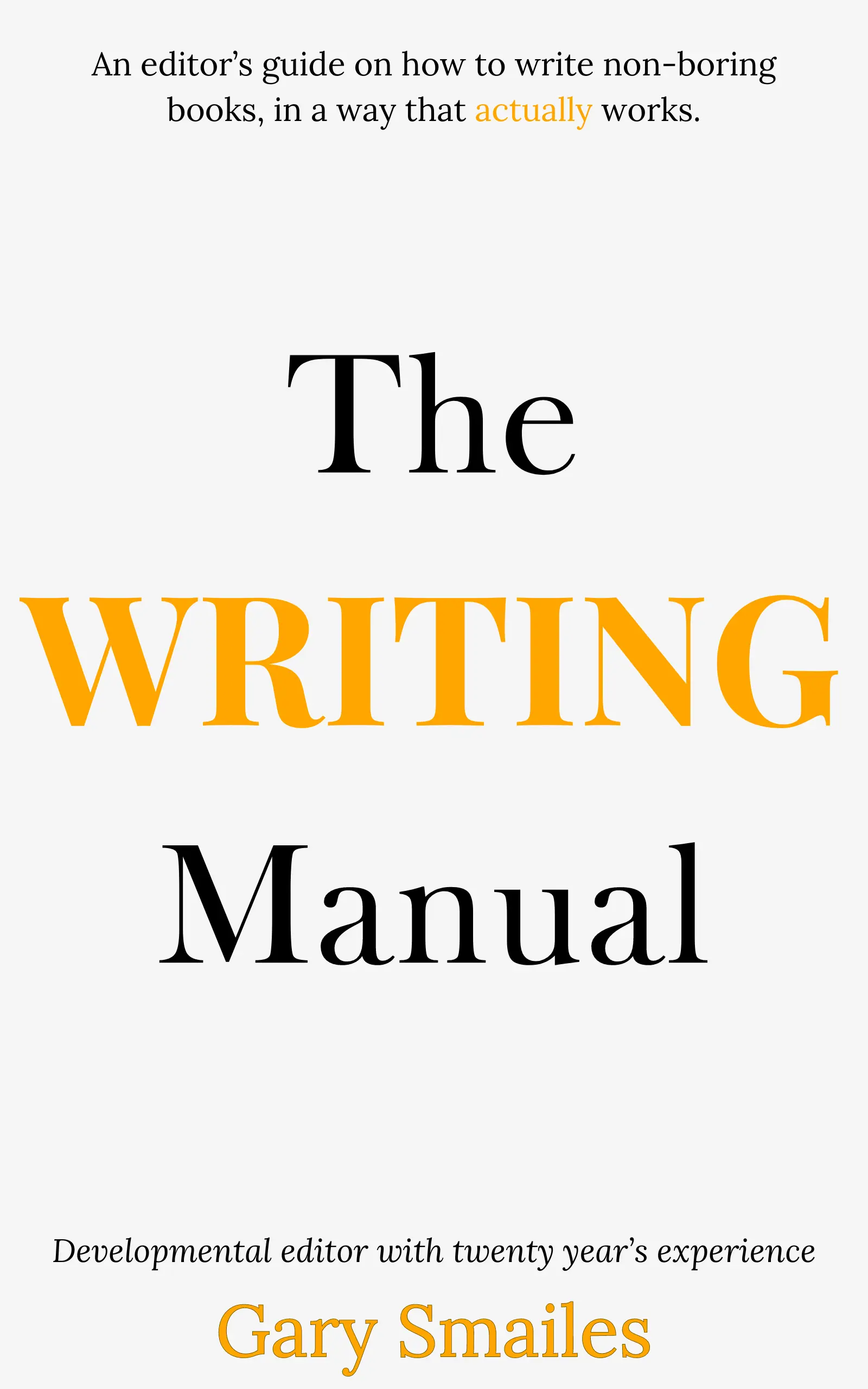
Download FREE ebook
Claim your free eBook today and join over 25,000 writers who have read and benefited from this ebook.
'It is probably one of the best books on writing I've read so far.' Miz Bent