Best Ways To Find A Reliable Book Editor


Table of Contents
Research and Vetting Potential Editors
Finding the right editor isn't like hiring a plumber or a tax accountant. You're not looking for someone who follows a standard set of procedures. You're looking for someone who understands storytelling, knows your genre inside and out, and works well with your particular writing style and personality. This requires detective work, not just a quick Google search.
Start with professional associations, but don't stop there. The Editorial Freelancers Association and the Institute of Professional Editors maintain directories of qualified editors, and membership in these organizations suggests a level of professionalism and commitment to the craft. But a listing in a directory doesn't tell you whether an editor is right for your specific project.
When I started freelancing fifteen years ago, I joined the EFA immediately. The membership process required references and demonstrated experience, which gave me credibility with potential clients. But I've also met plenty of excellent editors who aren't members of any organization and some mediocre ones who are. Think of professional associations as a good starting point, not a guarantee of quality.
Look for editors who specialize in your genre, not generalists who claim they edit everything. A romance editor understands the pacing expectations, character development patterns, and emotional beats that romance readers expect. A thriller editor knows how to build tension, manage pacing, and structure reveals. A literary fiction editor focuses on character depth, thematic development, and prose quality.
I learned this lesson the hard way when I accepted a science fiction project early in my career. I'd edited plenty of literary fiction and felt confident about story structure and character development. But I didn't understand the genre conventions that science fiction readers expected. I suggested cutting a subplot about the protagonist's relationship with an alien species because it felt tangential to the main plot. The author had to explain that exploring human-alien relationships was central to the science fiction reader experience. The subplot wasn't tangential. It was the point.
Genre specialization shows up in an editor's client list, testimonials, and sample work. If you're writing young adult fantasy, look for editors whose websites showcase YA fantasy projects, not romance novels and business books. This doesn't mean they need to edit exclusively in your genre, but it should be a significant part of their practice.
Pay attention to how editors present themselves on their websites. Professional editors invest in clear, well-written websites that explain their services, showcase their experience, and make it easy for potential clients to understand what they offer. If an editor's website is full of typos, confusing navigation, or vague descriptions of their services, that tells you something about their attention to detail and communication skills.
Sarah contacted me about editing her memoir after finding my website through a Google search. She'd already spoken with three other editors, but their websites left her confused about what services they actually provided and how much those services cost. One editor's site hadn't been updated in two years. Another listed developmental editing, copy editing, and proofreading without explaining the differences between them. The third had a testimonials page filled with generic praise that could have been written about any editor.
My website clearly explained each type of editing, included specific examples of my work, and provided sample pricing ranges. Sarah said this transparency made her feel confident that I understood professional standards and would communicate clearly throughout the editing process. She was right. Clear communication on a website usually translates to clear communication during the project.
Look for editors with relevant industry experience or formal training. This might mean previous work at publishing houses, literary agencies, or established editing companies. It might mean advanced degrees in writing, literature, or publishing. It might mean years of freelance experience with verifiable client results.
But don't get too hung up on credentials. Some of the best editors I know are self-taught writers who developed editing skills through years of critiquing manuscripts and studying the craft. What matters more than formal credentials is demonstrated expertise in helping writers improve their work.
Michael had been a senior editor at a major publishing house for twelve years before starting his freelance practice. His credentials were impeccable, but when I saw a sample of his work, I realized his editing style was outdated. He was still editing manuscripts the way publishers edited them in 2005, with heavy-handed line editing that stripped away author voice and formulaic structural suggestions that made every story sound the same.
Meanwhile, Jenny had started editing romance novels for small publishers after completing her MFA. She'd never worked at a major house, but she understood contemporary romance conventions, knew how to preserve author voice while improving story structure, and had built a reputation among romance writers through word-of-mouth recommendations.
Testimonials matter, but not all testimonials are created equal. Generic praise like "Great editor!" or "Really improved my manuscript!" doesn't tell you much about the editor's specific skills or working style. Look for testimonials that describe specific improvements the editor made or explain how the editing process worked.
The best testimonials come from writers in your genre who describe results you'd want to achieve. If you're writing a mystery novel, a testimonial from a mystery writer who talks about how the editor helped them tighten their plot and improve their pacing tells you more than ten generic testimonials from writers in different genres.
Don't be shy about asking for references. Professional editors expect this request and should be willing to put you in touch with recent clients who can speak to their editing skills and working style. If an editor seems reluctant to provide references or makes excuses about client confidentiality, consider that a red flag.
When I provide references, I usually offer clients the choice between recent projects similar to theirs. If someone is writing a contemporary romance, I'll connect them with a romance writer I've worked with recently. If they're writing a business book, I'll suggest they speak with a business book author. This gives potential clients the most relevant perspective on my work.
Recent references matter more than older ones. An editor who worked well with clients five years ago but hasn't taken on similar projects recently might not understand current market expectations or genre conventions. Publishing moves fast, and reader expectations evolve. You want an editor who stays current with industry trends and market demands.
Ask specific questions when you speak with references. How did the editor handle feedback? Were they responsive to questions and concerns? Did the editing improve the manuscript's chances in the marketplace? Would they hire this editor again? How did the editor handle disagreements about creative choices?
David provided three references when I was vetting him for a literary fiction project. Two gave glowing recommendations, but the third was more measured. She said David was technically skilled but sometimes pushed too hard for changes that didn't align with her creative vision. That wasn't necessarily a dealbreaker, but it told me I'd need to be clear about my expectations and boundaries upfront.
The vetting process takes time, but it's time well spent. A good editor-writer relationship can last for years and multiple projects. A bad one wastes money and creative energy on a process that doesn't improve your manuscript. Do the research upfront, and you'll save yourself frustration later.
Remember that the cheapest option is rarely the best value, and the most expensive editor isn't necessarily the most qualified for your specific project. Focus on finding someone whose experience, working style, and genre expertise align with your needs and goals. The right editor will make your manuscript stronger and your writing process more effective. The wrong one will leave you wondering why you bothered hiring professional help in the first place.
Evaluating Editor Qualifications and Experience
Once you've found a few potential editors, the real work begins. You need to dig deeper than surface credentials and marketing copy to understand what these editors bring to your specific project. Think of this phase as reading between the lines of their professional presentation to find the editor who truly understands your work.
Start with their portfolio, but look beyond the impressive client names or book covers they display. You want to see evidence of successful work in your genre, not just any published books. A portfolio heavy on business books and memoirs tells you nothing about an editor's ability to handle your urban fantasy novel's complex magic system or your historical romance's period authenticity requirements.
When I review an editor's portfolio for genre relevance, I look for patterns. Do they consistently work with authors in similar genres? Have they edited books that faced similar structural challenges to mine? If I'm writing a multi-POV thriller, I want to see evidence that they've successfully managed complex narratives with multiple protagonists before.
Lisa's portfolio looked impressive at first glance. She'd edited fifteen published books, including two that made regional bestseller lists. But when I looked closer, I realized thirteen of those books were self-help and business titles. The two novels were both contemporary women's fiction, a far cry from the science fiction thriller I needed edited. Her success in nonfiction didn't translate to understanding the pacing and world-building requirements of speculative fiction.
Pay attention to the publication dates in their portfolio. An editor whose most recent fiction work was published five years ago might not understand current market expectations. Publishing trends move fast, especially in commercial fiction. Reader preferences for pacing, dialogue style, and even acceptable manuscript length have shifted significantly in the past few years.
Don't be impressed by big publisher names alone. An editor who worked at Random House ten years ago might have excellent foundational skills, but they might also be stuck in outdated approaches to manuscript development. I've seen veteran editors suggest structural changes that made perfect sense for the 2010 market but would hurt a book's chances with today's readers.
Educational background matters, but context matters more. An MFA in creative writing signals formal training in storytelling techniques and literary analysis. A journalism background suggests strong skills in clarity, fact-checking, and meeting deadlines. A literature PhD indicates deep analytical skills and broad reading knowledge.
But don't assume that more formal education equals better editing. Some of the most effective editors I know learned their craft through years of working directly with manuscripts rather than studying theory in classrooms. Experience editing books that actually reached readers often trumps academic credentials.
Mark had an impressive educational background with an MFA from a prestigious program and a PhD in English literature. His theoretical knowledge was extensive, but when I looked at his sample edits, I noticed he approached every manuscript like a literary analysis paper. He suggested changes that would satisfy an English professor but alienate commercial fiction readers. His academic training hadn't taught him the difference between analyzing published literature and helping an author improve a work in progress.
Sample edits reveal more about an editor's approach than any credential or testimonial. Most professional editors offer sample edits of a few pages to demonstrate their working style and help potential clients understand their editing philosophy. Take advantage of this opportunity, but know how to interpret what you see.
Look for sample edits that show substantive improvement while preserving the author's voice. Good editing makes prose clearer and stories stronger without making everything sound like the editor wrote it. If the sample edit feels like the editor imposed their writing style on the original text, that's a warning sign.
Pay attention to the types of changes the editor makes. Are they catching genuine problems or making arbitrary modifications? Do their suggestions address real weaknesses in story structure, character development, or prose clarity? Or are they changing things that work fine simply because they would have written them differently?
When Jennifer sent me a sample edit, she'd transformed a perfectly serviceable action scene into something that read like a completely different book. She'd changed the protagonist's dialogue to sound more formal, slowed down the pacing with unnecessary description, and removed tension-building short sentences in favor of longer, more complex structures. The editing was technically proficient, but it demonstrated a fundamental misunderstanding of how commercial thrillers work.
Compare this to the sample David provided. He'd identified genuine pacing problems in a romance scene, suggested ways to build tension more effectively, and caught several instances where the dialogue didn't sound natural. But the revised version still felt like the original author had written it. David had enhanced the author's strengths rather than replacing them with his preferences.
Look for editors who understand current market expectations for your genre and target audience. This shows up in their approach to pacing, dialogue, character development, and even technical elements like chapter length and scene structure. An editor working with contemporary commercial fiction should understand that modern readers prefer faster pacing and more immediate conflict than readers twenty years ago.
Romance editors should know current tropes, heat level expectations, and diversity considerations that matter to today's romance readers. Mystery editors need to understand how modern readers approach puzzle-solving and what constitutes fair play in contemporary crime fiction. Young adult editors must grasp the difference between writing for teenagers today versus teenagers twenty years ago.
This market awareness goes beyond basic genre conventions. It includes understanding publishing industry standards, reader expectations shaped by recent bestsellers, and even practical considerations like how books are marketed and discovered in the current landscape.
Rachel specialized in historical fiction, but when I looked at her recent work, I realized she was still editing historical novels like readers wanted them in 2015. She encouraged lengthy historical exposition, slow-building romance arcs, and detailed period descriptions that contemporary historical fiction readers find tedious. She hadn't adapted to current expectations for historical fiction to move faster and integrate research more seamlessly into the narrative.
Ask potential editors about their recent reading in your genre. Editors who stay current with new releases understand evolving reader preferences and market trends. They know which techniques are working for successful recent books and which approaches feel dated or overdone.
Don't overlook practical experience indicators. How many manuscripts has this editor worked on in the past year? How many of their edited books have found publishers or achieved commercial success? What's their typical turnaround time, and how do they handle revision rounds?
An editor who takes on too many projects simultaneously might rush through your manuscript. One who works too slowly might not understand professional deadline pressures. Someone whose edited books consistently struggle to find publishers or readers might not understand current market realities.
But remember that publication success depends on many factors beyond editing quality. A excellent editor working with a poorly written manuscript might not achieve the same results as an average editor working with a naturally gifted storyteller. Look for patterns rather than individual success stories.
The most important qualification is often the hardest to measure: does this editor understand what you're trying to accomplish with your book? Do their comments and suggestions show they grasp your target audience, your genre expectations, and your creative goals?
This understanding shows up in how they discuss your work during initial consultations. Do they ask thoughtful questions about your intentions? Do they identify the right strengths and weaknesses in your sample pages? Do their suggested approaches align with your vision for the finished book?
Trust your instincts during these conversations. An editor might have impressive credentials and a strong portfolio, but if you don't feel they understand your work or share your goals for the project, the editing process will be frustrating for both of you.
The goal isn't to find the most credentialed editor or the one with the most impressive client list. You want to find the editor whose experience, expertise, and approach align with your specific needs and the current expectations for your type of book. Take the time to evaluate these factors carefully, and you'll be much more likely to find an editing partnership that strengthens your manuscript and advances your writing career.
Understanding Different Types of Editorial Services
Before you hire an editor, you need to know what type of editing your manuscript needs. This isn't just about understanding terminology for your own sake. Different editors specialize in different services, and hiring the wrong type of editor is like bringing your car to a transmission specialist when you need new brakes.
Most authors think editing means fixing grammar and catching typos. That's proofreading, and it's the final step in a much longer process. If your story has structural problems, character inconsistencies, or pacing issues, proofreading won't help. You'll end up with a beautifully polished manuscript that still doesn't work as a story.
Let me walk you through the four main types of editorial services, what each one addresses, and how to know which one your manuscript needs.
Developmental editing tackles the big-picture elements that make or break a book. Your developmental editor reads your manuscript looking for story-level problems: plot holes, weak character arcs, pacing issues, structural imbalances, and thematic inconsistencies. They're thinking about whether your opening chapter hooks readers, whether your middle section maintains momentum, and whether your ending feels satisfying and earned.
Sarah's fantasy novel had beautiful prose and an intriguing magic system, but her developmental editor identified a critical flaw. The main character's transformation arc didn't start until chapter eight, which meant readers spent seven chapters with a passive protagonist who seemed to have no personal stakes in the central conflict. The editor suggested restructuring the opening to establish the character's internal conflict much earlier and give her active choices that drove the plot forward from page one.
Developmental editing often involves major revisions. Your editor might suggest cutting entire subplots, combining characters, reorganizing chapters, or even changing your point of view structure. This sounds drastic, but these large-scale changes often transform a struggling manuscript into a compelling story.
Don't confuse developmental editing with ghostwriting or co-authoring. A good developmental editor identifies problems and suggests solutions, but you do the rewriting. They might say "Chapter three feels slow because nothing happens to advance the main plot," but they won't rewrite chapter three for you.
Line editing focuses on how you tell your story sentence by sentence and paragraph by paragraph. Your line editor examines word choice, sentence structure, paragraph flow, and voice consistency. They look for places where your prose sounds awkward, where transitions feel abrupt, or where your writing style doesn't match your story's tone.
When Tom submitted his thriller manuscript, the line editor noticed his tendency to use passive voice during action scenes, which drained tension from moments that should have kept readers on edge. She also caught places where his dialogue didn't sound natural and suggested ways to vary his sentence length to create better rhythm.
Line editing improves readability without changing your story's fundamental structure. Your plot, characters, and scene order stay the same, but your prose becomes clearer, more engaging, and more professional. This type of editing often results in tighter writing that moves faster and holds reader attention more effectively.
Good line editing preserves your voice while eliminating the quirks and weaknesses that distract from your storytelling. You'll still sound like yourself, but the best version of yourself.
Copy editing addresses the technical aspects of writing: grammar, punctuation, spelling, style consistency, and factual accuracy. Your copy editor ensures you use "who" and "whom" correctly, catches subject-verb disagreements, and makes sure you spell your character's name the same way throughout the manuscript.
But copy editing goes beyond basic grammar rules. Copy editors also watch for internal consistency issues that developmental and line editors might miss. If your protagonist has blue eyes in chapter one and green eyes in chapter fifteen, your copy editor catches that. If you set a scene in December but have characters commenting on spring flowers blooming, your copy editor flags the discrepancy.
Maria's historical romance passed through developmental and line editing successfully, but her copy editor caught several anachronisms that would have bothered historically minded readers. The protagonist used phrases that didn't exist in 1847, and one scene referenced a technological innovation that wasn't invented until twenty years later.
Copy editors also ensure consistency in style choices. Do you use the Oxford comma or not? Do you write out numbers under ten or spell them all out? Do you capitalize job titles? Your copy editor makes sure you handle these elements the same way throughout your manuscript.
This level of editing requires different skills than developmental or line editing. Copy editors need encyclopedic knowledge of grammar rules, style guides, and fact-checking resources. They also need the patience to read your manuscript multiple times looking for different types of errors.
Proofreading provides the final quality control check before publication. Your proofreader reads the formatted manuscript looking specifically for typos, formatting errors, and any grammar mistakes that slipped through copy editing. This is your last chance to catch problems before readers see your book.
Proofreading happens after all other editing is complete and after your manuscript has been formatted for publication. Proofreaders work with the actual layout that readers will see, whether that's a print book format or an ebook file. They're checking that page numbers are correct, chapter headings appear where they should, and no text got accidentally deleted or duplicated during the formatting process.
The key word here is "final." Proofreading assumes your story works, your prose reads well, and your grammar is clean. Proofreaders aren't looking for story problems or suggesting prose improvements. They're catching the small errors that everyone else missed.
Most authors need multiple types of editing, but not necessarily all four. A well-written first draft might skip developmental editing and go straight to line editing. A manuscript that's been through several self-edits might need only copy editing and proofreading.
Here's how to determine what your manuscript needs. If beta readers or critique partners consistently mention story problems like pacing, character motivation, or confusing plot points, you need developmental editing. If people say they love your story but your writing feels rough or hard to follow in places, start with line editing.
If readers focus their feedback on your story and characters without mentioning writing quality issues, you might be ready for copy editing. If multiple people have read your manuscript and the only feedback involves occasional typos or minor word choice suggestions, proofreading might be sufficient.
Budget plays a role in these decisions. Developmental editing typically costs the most because it requires the most expertise and time. Line editing and copy editing fall in the middle price range. Proofreading costs the least but provides the least comprehensive improvement.
Many authors make the mistake of jumping straight to copy editing or proofreading because the price is lower, but this wastes money if your manuscript has structural problems. Fix the big issues first, then move to smaller concerns. You don't want to pay for detailed grammar corrections on scenes you'll delete during developmental editing.
Some editors offer multiple services, but few excel at all four types of editing. The skills needed for developmental editing differ significantly from those required for proofreading. When evaluating editors, pay attention to which services they emphasize and which types of changes their sample edits demonstrate.
Be wary of editors who claim to do "everything" in a single pass. Each type of editing requires focused attention on different elements. An editor trying to catch typos while also evaluating character development isn't giving either task the attention it deserves.
Understanding these distinctions helps you communicate more effectively with potential editors. Instead of saying "I need editing," you'll say "I think my manuscript needs developmental editing because my beta readers mentioned pacing problems in the middle section." This specificity helps editors give you more accurate quotes and realistic timelines.
It also helps you set appropriate expectations. If you hire a line editor, don't expect them to tell you that your protagonist's motivation isn't clear. That's not their job. If you hire a copy editor, don't be surprised when they don't comment on your dialogue or pacing.
The editing process works best when each type of editing happens in the right order and at the right time. Think of it as building a house. You don't install the plumbing before you pour the foundation, and you don't paint the walls before you put up the drywall. Each stage of editing builds on the previous one to create a finished product that works for readers.
Take time to honestly assess where your manuscript stands and what type of editing will provide the most value. Your story deserves the right kind of editorial attention at each stage of development.
Getting Sample Edits and Quotes
You wouldn't buy a car without taking it for a test drive, and you shouldn't hire an editor without seeing their work in action. Sample edits reveal more about an editor's abilities, style, and approach than any resume or testimonial ever could. They show you exactly how this person will handle your manuscript.
Most professional editors offer sample edits, typically ranging from one to three pages of your manuscript. If an editor refuses to provide a sample or seems reluctant to discuss the process, consider that a red flag. Confident editors know their work speaks for itself.
Choose your sample pages strategically. Don't submit your opening chapter if it's been polished through multiple critique groups. Instead, select a passage that represents your typical writing and contains the kinds of challenges your full manuscript presents. If your book has dialogue-heavy scenes, include dialogue. If you struggle with action sequences, submit an action scene.
One author I worked with submitted her opening chapter for sample edits from three different editors. All three samples came back relatively clean because she'd revised that chapter dozens of times. When she hired one of the editors for the full manuscript, she was surprised by the extent of changes suggested for later chapters. The sample hadn't represented the actual work needed.
Submit the same passage to multiple editors. This isn't about finding the editor who makes the fewest changes or the most changes. You're looking for the editor whose approach aligns with your manuscript's needs and your working style preferences.
Watch how each editor handles different aspects of the text. Does the developmental editor identify story-level issues you hadn't noticed? Does the line editor improve sentence flow while preserving your voice? Does the copy editor catch errors without making unnecessary changes?
Rachel submitted the same three pages to five different editors. Four of them made similar corrections to grammar and punctuation, but one editor completely rewrote entire sentences in a style that didn't match Rachel's voice. That editor was technically competent but not the right fit for her project.
Pay attention to the editor's comments and explanations. Good editors don't just make changes; they explain why. Look for comments that show understanding of your story, genre, and target audience. An editor working on a cozy mystery should recognize that genre's conventions and reader expectations.
Sample edits also reveal an editor's communication style. Do their comments feel helpful or condescending? Do they ask questions that show engagement with your story? Do they explain changes in terms you understand?
Mark received sample edits that were technically excellent but felt cold and impersonal. The editor had corrected every error and improved several awkward sentences, but the comments read like textbook explanations rather than collaborative feedback. Mark realized he needed an editor who would engage with his work more personally.
Request detailed quotes from any editor you're seriously considering. A professional quote should break down exactly what services you're purchasing, what the process involves, and how long it will take.
Vague quotes that simply state "editing services: $2,000" tell you nothing about what you're buying. A good quote specifies the type of editing, whether it includes multiple passes, how feedback will be delivered, and what happens if the project scope changes.
Look for quotes that address your specific manuscript. An editor who gives you the same generic quote they send everyone else probably hasn't thought carefully about your project's needs. Detailed quotes show the editor has considered your genre, manuscript length, and current condition.
Jennifer received quotes ranging from $800 to $3,500 for editing her 80,000-word contemporary romance. The lowest quote offered only proofreading with a two-week turnaround. The highest quote included developmental editing, line editing, copy editing, and a final proofread with detailed feedback at each stage. She wasn't comparing equivalent services.
Ask about the editing process and timeline. How many passes will the editor make through your manuscript? How will they deliver feedback? What format will the edited manuscript take? Will you receive the changes in Microsoft Word with track changes, in Google Docs, or as a printed manuscript with handwritten comments?
Understand what's included in revision rounds. Some editors include one round of revisions in their initial quote. Others charge separately for reviewing your changes. Some editors will re-edit sections you've revised; others will only review your changes and provide brief feedback.
Timelines matter, especially if you have publishing deadlines or marketing plans. Ask for realistic estimates and build buffer time into your schedule. A rushed editing job rarely produces the best results.
Compare pricing to industry standards, but remember that the cheapest option isn't always the best value. Editing fees vary based on the editor's experience, the type of editing, your manuscript's condition, and your project's complexity.
Developmental editing typically costs more per word than copy editing because it requires more time and expertise. Editors with extensive publishing industry experience often charge more than newer editors. Rush jobs cost extra.
Research current market rates through professional organizations like the Editorial Freelancers Association. Their rate guides give you benchmarks for different types of editing services. If a quote seems unusually high or low compared to industry standards, ask why.
Tom received a quote for $500 to edit his 90,000-word thriller. When he researched average rates, he realized this price was impossibly low for quality work. The editor either didn't understand the scope of work needed or was planning to rush through the project without giving it proper attention.
Be wary of editors who quote by the hour instead of by the word or project. Hourly billing makes it impossible to budget accurately and creates perverse incentives for editors to work slowly.
Don't automatically choose the cheapest option, but don't assume expensive means better either. Focus on value: which editor provides the services your manuscript needs at a price you're comfortable paying?
Consider your budget realistically. Professional editing is an investment in your book's success, but it shouldn't bankrupt you. If the quotes you receive exceed your budget, ask editors about payment plans or scaled-back service options.
Some editors offer developmental consultation instead of full developmental editing. Others might edit only your first three chapters and provide guidance for revising the rest yourself. These alternatives cost less while still providing professional expertise.
Ask about additional costs upfront. Do rush fees apply? Are there extra charges for manuscripts that need more work than initially estimated? What happens if your manuscript is longer or shorter than specified in the quote?
Sarah received a quote based on 75,000 words, but her final manuscript was 85,000 words. The editor charged an additional fee for the extra length, which Sarah hadn't budgeted for. A clear quote would have specified how length variations would be handled.
Request quotes in writing and keep them for your records. Email exchanges work fine, but make sure all the important details are documented. This prevents misunderstandings later and gives you something to reference if questions arise during the editing process.
Don't feel pressured to decide immediately. Take time to review all your options and compare them carefully. A good editor won't pressure you to sign a contract before you're ready.
Most editors require partial payment upfront, typically 50% of the total fee. This is standard practice and protects both parties. Be cautious of editors who demand full payment before starting work or who refuse to discuss payment terms.
The goal isn't to find the cheapest editor or the most expensive one. You want the editor whose skills, approach, and working style match your manuscript's needs and your personal preferences, at a price that fits your budget.
Take sample edits and quotes seriously. They're your best tools for making an informed decision about one of the most important investments in your book's future.
Building a Professional Working Relationship
Finding the right editor is only half the battle. The other half is building a working relationship that brings out the best in both you and your manuscript. Good editing relationships don't happen by accident. They require clear expectations, honest communication, and mutual respect from the start.
Think of your editor as a creative partner, not a service provider you hire and forget about. The most successful editing projects happen when author and editor work together toward the same goal: making your book the best it can be.
Start by establishing how you'll communicate throughout the project. Some authors prefer email for everything. Others want phone calls for complex discussions and email for quick questions. A few writers work best with video calls where they can see facial expressions and body language.
Lisa assumed her editor would be available by phone whenever she had questions. When she called repeatedly during the editor's family vacation, the relationship soured quickly. A simple conversation at the beginning about preferred communication methods would have prevented this misunderstanding.
Discuss response times upfront. Professional editors typically respond to emails within 24-48 hours during business days, but they're not customer service representatives sitting by their phones. If you need immediate responses, say so during the hiring process. Some editors accommodate urgent projects for additional fees.
Set boundaries around availability. Most editors work standard business hours, even if they're freelancers working from home. Calling at 10 PM because you had a breakthrough idea about your plot will not endear you to your editor. Neither will expecting responses to weekend emails.
Talk about your preferred feedback style before work begins. Do you want gentle suggestions or direct criticism? Are you open to major structural changes, or do you want to focus on polishing existing scenes? Do you prefer detailed explanations of every edit, or do you trust your editor to make necessary changes without extensive commentary?
Michael told his editor he wanted honest feedback, then became defensive when she suggested cutting a beloved but unnecessary subplot. The editor had given him exactly what he asked for, but he wasn't emotionally prepared to receive it. A deeper conversation about feedback expectations might have helped both of them navigate this moment better.
Clarify the revision process early. How many rounds of revisions are included in the quoted price? What happens if you need additional passes? Will the editor re-edit sections you revise, or will they simply review your changes?
Some editors include unlimited minor revisions but charge extra for major restructuring after they've completed their initial edit. Others provide one comprehensive edit and one revision round, then charge hourly for additional work. Know what you're buying before you start.
Address the timeline realistically. Professional editing takes time, and good editors often have waiting lists. If you have a firm publishing deadline, communicate that upfront. Don't wait until the editor is halfway through your manuscript to mention that you need it finished by next month.
Build buffer time into your schedule. Editing projects almost always take longer than expected, especially if the editor discovers more issues than initially apparent. Your 80,000-word romance might need developmental editing attention you didn't anticipate.
Sarah's editor found significant plot holes that required restructuring three chapters. This added two weeks to the timeline, pushing back Sarah's planned release date. If Sarah had built flexibility into her schedule, this wouldn't have created a crisis.
Create a written agreement that covers the essential details. This doesn't need to be a complex legal contract, but it should document the scope of work, deadlines, payment terms, and what happens if circumstances change.
Include specifics: What type of editing are you purchasing? How many words or pages? What format will you receive the edited manuscript? When is payment due? What happens if your manuscript is significantly longer or shorter than estimated?
Address potential complications before they arise. What if you decide you need a different type of editing partway through the project? What if personal emergencies affect the timeline? What if you're not satisfied with the editor's work?
Jenny and her editor had different understandings about what "copy editing" included. Jenny expected developmental feedback on plot issues. The editor focused on grammar and consistency, as copy editors typically do. A written agreement specifying the type and scope of editing would have prevented this disappointment.
Discuss your manuscript's sensitive elements upfront. If your book contains graphic violence, explicit sex scenes, or controversial topics, make sure your editor is comfortable working with this content. Some editors specialize in certain types of material; others prefer to avoid particular subjects.
Be honest about your manuscript's current state. If this is your first draft and you know it needs major work, say so. If you've already worked with critique partners or other editors, share that information. Editors price and schedule their work based on the expected scope, and surprises benefit no one.
Talk about your publishing plans. Are you seeking traditional publication, planning to self-publish, or still undecided? Different publishing paths have different editing requirements, and experienced editors tailor their approach accordingly.
Traditional publishers expect clean, polished manuscripts that require minimal additional editing. Self-published authors need editing that prepares their books for direct publication. Knowing your path helps your editor focus on what matters most for your goals.
Establish check-in points for longer projects. Editing a full-length novel takes weeks or months. Schedule brief conversations at natural break points to address any concerns or questions that arise. This prevents small issues from becoming major problems.
Tom's editor discovered halfway through his manuscript that his fantasy novel's magic system had internal contradictions that affected multiple scenes. A mid-project check-in allowed them to address this issue before the editor continued, saving time and frustration for both parties.
Respect your editor's expertise while maintaining ownership of your story. Good editors make suggestions, not demands. You have the final say on what changes to accept, but be open to considering recommendations, especially about technical issues like grammar and story structure.
Remember that editing is collaborative, not adversarial. Your editor wants your book to succeed as much as you do. Approach disagreements as problem-solving opportunities rather than battles to be won.
Address payment terms clearly. When is payment due? Do you pay in installments or one lump sum? What payment methods does the editor accept? Late payment policies should be spelled out to avoid awkward conversations later.
Most editors require 50% payment upfront and the remainder upon completion. This protects both parties and demonstrates your commitment to the project. Budget for editing costs in advance so payment doesn't become a source of stress.
Plan for the relationship beyond the current project. If you're planning a series or expect to write more books, discuss ongoing working arrangements. Many authors develop long-term relationships with editors who understand their voice and genre.
Building a good working relationship with an editor is an investment in your writing career. The right partnership makes your current book better and provides support for future projects. Take the time to establish clear expectations and professional boundaries from the start.
The goal is creating an environment where both you and your editor can do your best work. When that happens, your manuscript benefits from the combined expertise and creativity of both partners.
Red Flags to Avoid When Hiring
The editing world attracts both consummate professionals and opportunistic amateurs looking to make quick money from hopeful writers. Learning to spot the warning signs saves you time, money, and potentially your manuscript's future.
Professional editors never promise publishing success. If someone guarantees your book will become a bestseller or secure a traditional publishing contract after editing, run. No editor, no matter how skilled, controls the publishing industry's mysterious machinery.
The publishing world involves dozens of variables beyond editorial quality. Market timing, publisher needs, agent preferences, marketing budgets, and pure luck all influence a book's success. An editor who promises specific outcomes either doesn't understand the industry or is lying to get your business.
Rebecca hired an editor who guaranteed her romance novel would attract a major publisher within six months. The editor delivered competent work, but no publisher showed interest. Rebecca wasted months believing success was guaranteed instead of developing realistic expectations about the submission process.
Be equally wary of editors who promise to "make your book publishable." Professional editors improve manuscripts, but they don't transform poorly conceived stories into publishing gold. Good editing enhances what's already there. It doesn't create compelling characters or fix fundamental plot problems.
Watch for unrealistic pricing in both directions. Editing is skilled work that takes time. If someone quotes significantly below industry standards, question why.
Legitimate developmental editing costs $2,000-$5,000 for a full novel. Copy editing runs $800-$2,500. Line editing falls between these ranges. Proofreading is the least expensive option at $300-$800. These figures vary by region and editor experience, but quotes far below these ranges deserve scrutiny.
Mark found an editor charging $300 for developmental editing on his 90,000-word fantasy novel. The editor delivered a two-page summary with vague suggestions like "develop your characters more" and "add more description." Mark paid for professional editing but received amateur feedback worth exactly what he paid.
Low prices often indicate inexperience, desperation, or editors who plan to rush through your manuscript without proper attention. Some new editors charge below-market rates while building their portfolios, which is fine if they're honest about their experience level and the pricing reflects reduced expertise.
Suspiciously high prices also raise concerns. A few editors charge premium rates based on unrealistic claims about their experience or results. Established editors with strong reputations command higher fees, but those fees should align with their demonstrated expertise and industry standing.
Check whether editors understand your genre's conventions and audience expectations. A literary fiction editor might struggle with romance novel tropes. Someone who specializes in middle-grade books might not grasp young adult voice and pacing.
Sandra hired a highly credentialed editor for her paranormal romance without checking genre experience. The editor suggested removing supernatural elements to make the story "more realistic." This advice completely missed the point of paranormal romance, where supernatural elements are the main attraction.
Genre knowledge matters more than general editing credentials. An editor with a journalism background but no fiction experience might fix grammar beautifully while missing story structure problems. Someone who edits academic papers might not understand commercial fiction's pacing requirements.
Pay attention to communication quality during initial interactions. Professional editors respond promptly and clearly to inquiries. They answer questions thoroughly and demonstrate understanding of your project's needs.
Poor communication during the courtship phase predicts bigger problems later. If an editor takes weeks to respond to simple questions or gives vague answers about their process, imagine how frustrating the actual editing relationship will be.
David contacted five editors about his historical fiction manuscript. Four responded within two days with thoughtful questions about his book and clear explanations of their services. The fifth took ten days to send a brief email with no specific questions about the project. David wisely chose from the responsive group.
Notice whether editors ask relevant questions about your manuscript. Professional editors want to understand your book's genre, length, current state, and your goals before providing quotes. They ask about your timeline, budget, and previous editing experience.
Editors who provide quotes without learning about your specific project probably use generic templates rather than customizing their approach. This suggests they'll apply the same cookie-cutter method to your unique manuscript.
Be cautious of editors who focus more on marketing themselves than understanding your needs. Some editors spend consultation calls talking about their credentials while barely asking about your book. This backwards approach suggests they're more interested in making sales than providing appropriate services.
Watch for pressure tactics. Professional editors don't need to pressure authors into hiring them. They explain their services, answer questions, and let you make informed decisions. Editors who push for immediate commitments or claim their calendar is filling up fast often use artificial urgency to prevent careful consideration.
Avoid editors who can't explain their editing process clearly. Professional editors understand their methodology and communicate it effectively. They explain what they'll focus on, how they provide feedback, and what you should expect from their edits.
Jennifer asked three editors to describe their developmental editing process. Two explained their approach to story structure, character development, and pacing analysis. The third gave vague answers about "making the story better" without specific details. The lack of clarity suggested either inexperience or poor communication skills.
Question editors who won't provide references or samples of their work. Established editors maintain client confidentiality, but they find ways to demonstrate their expertise through testimonials, sample edits, or portfolio examples with author permission.
Some editors claim confidentiality prevents sharing any work examples. This is usually an excuse for lacking a solid portfolio. Professional editors develop ways to showcase their skills while respecting client privacy.
Be skeptical of editors whose websites lack specific information about their background, services, or pricing. Professional editors treat editing as a business and present themselves accordingly. Vague websites with minimal information suggest either inexperience or editors who aren't serious about their craft.
Notice whether editors seem familiar with current publishing industry practices. The publishing world changes constantly, and professional editors stay informed about market trends, submission requirements, and reader expectations.
Editors who reference outdated practices or seem unfamiliar with current publishing options might not provide advice that serves your goals. This is especially important if you're considering self-publishing, which has evolved rapidly in recent years.
Trust your instincts during interactions with potential editors. If something feels off, investigate further. Professional editors understand that hiring an editor requires trust and don't pressure authors to ignore concerns.
The wrong editor damages more than your budget. Poor editing might make your manuscript worse, delay your publishing timeline, or damage your confidence in the work. Taking time to identify and avoid red flags protects both your book and your writing career.
Remember that desperation makes you vulnerable to poor choices. If you're under time pressure or discouraged by rejections, you're more likely to overlook warning signs. Give yourself time to evaluate editors properly rather than hiring the first person who responds to your inquiry.
The right editor becomes a valuable partner in your writing journey. The wrong one becomes an expensive lesson. Learning to spot red flags helps you find editors who enhance your work rather than exploit your hopes.
Frequently Asked Questions
How much should I budget for professional editing services?
Professional editing costs vary by service type and manuscript length. Developmental editing typically costs £2,000-£5,000 for a full novel, whilst copy editing ranges from £800-£2,500. Line editing falls between these ranges, and proofreading is the most affordable at £300-£800. These figures reflect industry standards, though prices vary based on editor experience and project complexity.
What's the difference between developmental editing and copy editing for my manuscript?
Developmental editing addresses big-picture story elements like plot structure, character arcs, pacing, and thematic consistency. Copy editing focuses on technical aspects such as grammar, punctuation, spelling, and factual accuracy. Think of developmental editing as architectural work on your story's foundation, whilst copy editing ensures the technical craftsmanship is polished and professional.
How do I know if an editor specialises in my genre?
Review their portfolio and client testimonials for evidence of successful work in your specific genre. Look for editors who showcase projects similar to yours and understand genre conventions like pacing expectations, character development patterns, and reader preferences. Genre specialisation shows up in how editors discuss your work and whether their suggestions align with current market expectations for your type of book.
What should I include when requesting a sample edit from potential editors?
Submit pages that represent your typical writing quality and contain the challenges your full manuscript presents. Avoid heavily polished opening chapters and instead choose passages with dialogue, action, or whatever elements you find most difficult to write. Send the same sample to multiple editors to compare their approaches and see whose editing style aligns with your manuscript's needs.
What are the warning signs of unreliable editors?
Avoid editors who guarantee publishing success, quote prices significantly below industry standards, or seem unfamiliar with your genre's conventions. Red flags include poor communication during initial contact, reluctance to provide references or samples, pressure tactics for immediate decisions, and vague explanations of their editing process. Professional editors never promise bestseller status or publishing contracts.
How long should professional editing take for a typical novel?
Developmental editing typically takes 4-8 weeks for a full-length novel, depending on the manuscript's condition and required revisions. Line editing and copy editing usually take 2-4 weeks each. Proofreading is the fastest service at 1-2 weeks. Professional editors often have waiting lists, so plan accordingly and communicate any firm deadlines during the hiring process.
Should I work with one editor for all editing stages or hire specialists?
Both approaches work, but few editors excel at all editing types since they require different skills. Developmental editing demands story structure expertise, whilst copy editing requires technical grammar knowledge. Many authors benefit from working with specialists for each stage, though some editors do offer multiple services competently. Evaluate each editor's strengths rather than assuming one person can handle everything equally well.
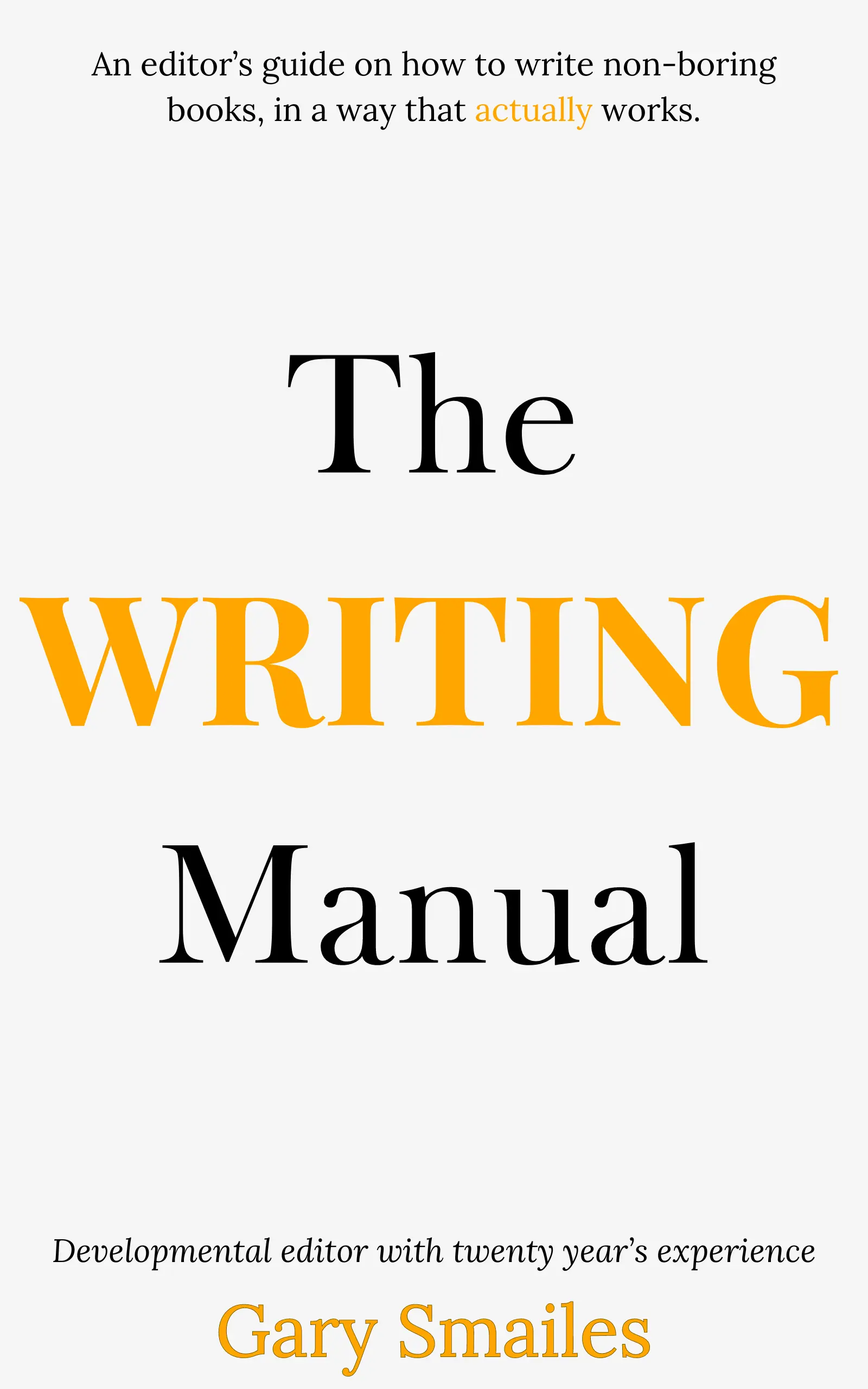
Download FREE ebook
Claim your free eBook today and join over 25,000 writers who have read and benefited from this ebook.
'It is probably one of the best books on writing I've read so far.' Miz Bent