Best Book Editing Services For First Time Authors


Table of Contents
What First-Time Authors Need from Editing Services
First-time authors face unique challenges that experienced writers have already conquered through trial and error. Your manuscript needs more than surface-level fixes. It needs an editor who understands where debut authors typically struggle and how to address those problems systematically.
Most first novels suffer from predictable issues that publishing professionals recognize immediately. Pacing problems plague nearly every debut manuscript. Authors either rush through crucial scenes or drag out sections that should move quickly. Character development feels uneven because writers haven't learned to balance showing and telling effectively. Plot threads start strong but fizzle out because maintaining narrative momentum across 80,000 words requires skills that develop over time.
Comprehensive developmental editing addresses these big-picture problems before line-editing begins. Your story structure needs evaluation by someone who understands how successful novels work. Does your opening hook readers within the first few pages? Do your characters have clear goals that drive the plot forward? Does your ending satisfy the promises your beginning makes?
Many first-time authors write beautiful prose but struggle with story architecture. Developmental editing examines your manuscript's foundation rather than its decoration. An experienced developmental editor identifies structural problems that no amount of line editing will fix.
Your editor should recognize genre conventions that first-time authors often miss. Romance readers expect certain story beats at predictable intervals. Mystery novels require fair play cluing that gives readers a chance to solve the puzzle. Fantasy worldbuilding needs internal consistency that doesn't confuse or contradict itself.
Patient, educational feedback separates professional editors from simple proofreaders. You need more than corrections marked in red ink. You need explanations that help you understand why changes improve your manuscript and how to avoid similar problems in future writing.
Good editors teach while they edit. When they suggest cutting a scene, they explain why that scene slows your story's pace. When they recommend character changes, they show how those revisions strengthen reader connection. When they restructure dialogue, they demonstrate how the new version sounds more natural.
Educational feedback includes industry context that first-time authors lack. Publishing professionals understand current market expectations that differ significantly from writing advice in outdated books. Reader preferences evolve, and debut authors need editors who stay current with these changes.
Your editor should explain editing terminology without condescending. When they mention "head-hopping," they should define point-of-view consistency problems. When they discuss "show don't tell," they should provide specific examples from your manuscript rather than generic advice.
Constructive criticism feels supportive rather than discouraging. First novels represent years of work, and harsh criticism destroys motivation that authors need for revision. Professional editors deliver tough feedback with encouragement that acknowledges your effort while pointing toward improvement.
Clear communication about the editing process prevents misunderstandings that create frustration for both authors and editors. Many first-time authors don't understand the difference between developmental editing, line editing, and proofreading. They expect comprehensive fixes in a single editing pass, then feel disappointed when problems remain.
Your editor should explain what each editing stage accomplishes before work begins. Developmental editing focuses on story structure, character development, and plot consistency. Line editing addresses sentence flow, word choice, and paragraph transitions. Copy editing catches grammar, punctuation, and spelling errors. Proofreading handles final formatting and typographical mistakes.
Timeline expectations need realistic grounding in editing realities. Quality editing takes time proportional to manuscript length and complexity. Rush jobs compromise editing quality, while overly long timelines create anxiety about project completion.
Professional editors provide milestone schedules that break large projects into manageable phases. They communicate progress regularly without overwhelming authors with daily updates. They warn about potential delays before deadlines slip rather than making excuses afterward.
Revision expectations require clear boundaries from the beginning. How many revision rounds does the editing fee include? What constitutes minor revisions versus major rewriting that requires additional payment? How long does the author have to review edited materials and request clarifications?
Affordable pricing options acknowledge the financial realities facing most first-time authors. Debut novels rarely generate significant income, making expensive editing services impossible for many writers. However, affordable doesn't mean cheap or low-quality.
Payment plan availability spreads editing costs across multiple months rather than requiring large upfront payments. Monthly installments make professional editing accessible to authors with limited disposable income. Payment plans should include clear terms about project completion if payments fall behind schedule.
Tiered service options allow authors to choose editing levels that match their budgets and needs. Full developmental editing costs more than manuscript critiques, but both provide value at different price points. Some authors need comprehensive editing while others benefit from targeted feedback on specific problem areas.
Budget-friendly alternatives might include group editing services where multiple authors share an editor's time, or newer editors building their client base with competitive pricing. These options reduce costs while still providing professional feedback.
Value comparison requires looking beyond hourly rates to consider total project cost and included services. Cheaper editors might take longer to complete work, increasing the total expense. More expensive editors might include additional services like query letter review or synopsis writing that add significant value.
Guidance on manuscript preparation helps first-time authors understand industry expectations for professional submission. Most debut authors format their manuscripts incorrectly because they follow advice intended for published books rather than submissions.
Proper manuscript formatting uses specific fonts, spacing, and margin requirements that differ from typical document formatting. Chapter breaks, scene transitions, and dialogue formatting follow industry conventions that authors must understand before submitting to agents or publishers.
Word count accuracy affects pricing and submission compatibility. First-time authors often miscalculate word counts by using document word processors rather than industry-standard methods. Professional editors help authors understand accurate word count calculation and target ranges for different genres.
File organization becomes crucial as manuscripts progress through multiple editing rounds. Version control prevents confusion about which draft contains the latest changes. Backup systems protect months of work from technical failures or accidental deletion.
Submission preparation extends beyond formatting to include query letters, synopses, and author biographies that accompany manuscript submissions. Many editors provide these additional services or recommend trusted professionals who specialize in submission materials.
Next steps guidance helps first-time authors understand their options after editing completion. Traditional publishing requires agent queries and submission protocols. Self-publishing involves cover design, ISBN acquisition, and distribution platform setup. Hybrid approaches combine elements of both publishing paths.
Publishing timeline education sets realistic expectations about the lengthy process between completed manuscript and published book. Traditional publishing typically takes months or years from submission to publication. Self-publishing moves faster but requires authors to handle marketing and distribution responsibilities.
Market research assistance helps authors understand their genre's competitive landscape. Who publishes similar books? What marketing approaches work for comparable titles? How should authors position their manuscripts for maximum appeal to their target readership?
Professional network introductions provide valuable connections to other publishing professionals. Editors often know cover designers, formatters, marketing specialists, and other service providers who work well with first-time authors. These referrals save time and reduce the risk of hiring inexperienced or unreliable contractors.
Career development advice helps authors think beyond their first book toward building sustainable writing careers. Single book success rarely creates lasting income. Authors need strategies for developing series, building readership, and improving their craft through subsequent projects.
Industry knowledge sharing keeps first-time authors informed about publishing trends, reader preferences, and market opportunities. Publishing evolves rapidly, and debut authors need editors who understand current industry dynamics rather than outdated practices.
Evaluating Editor Credentials and Experience
Not all editors are created equal. Some have decades of experience polishing manuscripts for major publishers. Others learned editing through online courses and launched their businesses last month. The difference matters enormously for your manuscript's success.
Professional certifications provide a baseline for editorial competence, but they don't tell the whole story. The Editorial Freelancers Association offers certification programs that test grammar, style, and editing knowledge. The Board of Editors in the Life Sciences certifies scientific editors. The Society for Editing maintains standards for Canadian editors.
These certifications demonstrate commitment to professional standards and continuing education. Certified editors understand industry terminology, follow established style guides, and maintain ethical practices. However, certification alone doesn't guarantee expertise in fiction editing or familiarity with your specific genre.
Many excellent editors lack formal certification but possess extensive practical experience. Former publishing house editors often launch freelance careers without pursuing additional credentials because their track record speaks for itself. University professors who edit academic manuscripts might excel at nonfiction editing without formal certification programs.
Look beyond credentials to examine actual editing experience. Ask potential editors about their backgrounds. Did they work in traditional publishing? Which publishers employed them? What types of manuscripts did they edit professionally?
Publishing industry experience provides invaluable knowledge about market expectations and reader preferences. Editors who worked at romance publishers understand the pacing and character development that romance readers expect. Former mystery editors recognize the cluing patterns that satisfy genre fans.
However, recent industry knowledge matters as much as historical experience. Publishing changes rapidly. Social media influences marketing strategies. Diversity initiatives affect acquisition priorities. Reader preferences evolve with cultural trends.
Experienced editors who stopped learning five years ago might recommend approaches that feel outdated to contemporary readers. The best editors combine solid experience with curiosity about current trends.
Portfolio samples reveal more about editing quality than any credential. Ask to see before-and-after excerpts from manuscripts similar to yours. These samples demonstrate the editor's approach to common problems and their communication style.
Genre-specific experience becomes crucial for fiction editing. Romance novels require different pacing than thrillers. Fantasy worldbuilding presents unique challenges that contemporary fiction avoids. Young adult voice differs significantly from adult literary fiction.
An editor who excels at literary fiction might struggle with urban fantasy conventions. Science fiction requires technical accuracy that historical fiction doesn't need. Mystery novels demand fair play cluing that other genres ignore.
Request portfolio samples from your specific genre rather than accepting general fiction examples. If your manuscript runs 120,000 words, ask about experience with longer works. Epic fantasy requires different stamina than novella editing.
Client testimonials from other first-time authors provide insights into the editor's working style and effectiveness. Experienced authors know what to expect from professional editing. First-time authors need different types of support and guidance.
Look for testimonials that mention specific outcomes rather than vague praise. "My editor helped me tighten the pacing in my middle chapters" tells you more than "Great experience, highly recommended." Concrete details suggest authentic feedback rather than generic reviews.
Success stories matter, but pay attention to timeline context. A client who secured agent representation two years ago might have benefited from different market conditions than today's publishing environment. Recent testimonials reflect current industry realities.
Ask about the testimonial authors' publishing outcomes if this information isn't provided. Did they secure traditional publishing contracts? How did their self-published books perform? Were they satisfied with their investment in professional editing?
However, remember that editing quality doesn't guarantee publishing success. Many factors beyond editorial excellence affect a manuscript's market performance. Even perfectly edited books face rejection due to market saturation, timing issues, or subjective agent preferences.
Years of industry experience provide depth of knowledge, but this experience must include current market awareness. An editor who worked in publishing from 1980 to 2000 might understand craft fundamentals but lack knowledge about contemporary reader expectations.
The ideal editor combines substantial experience with ongoing professional development. They attend writing conferences, read industry publications, and maintain connections with current publishing professionals. They understand both timeless storytelling principles and evolving market trends.
Recent experience editing manuscripts that achieved publication success demonstrates current market awareness. Ask about manuscripts the editor worked on within the past two years. Which ones found publishers or achieved self-publishing success?
Developmental editing expertise separates truly valuable editors from those who focus primarily on grammar and punctuation. Most first-time authors need structural help more than copyediting services.
Developmental editing addresses plot holes, character inconsistencies, pacing problems, and structural weaknesses that determine whether readers finish your book. These big-picture issues matter more than comma placement for debut authors.
Ask potential editors about their developmental editing approach. How do they identify structural problems? What tools do they use to analyze plot progression? How do they help authors strengthen character development?
Some editors focus exclusively on copyediting because developmental work requires more skill and experience. Surface-level editing feels safer for newer editors who lack confidence in story structure analysis.
Specialized training in developmental editing might include courses from organizations like the Writer's Studio, manuscript evaluation certification programs, or advanced workshops led by established developmental editors. This training demonstrates commitment to the most challenging aspects of fiction editing.
Editorial specialization matters because different editing types require different skills. Copy editors focus on grammar, punctuation, and style consistency. Line editors examine sentence-level flow and word choice. Developmental editors analyze story structure and character development.
Many editors offer multiple services but excel in specific areas. An editor might provide competent copyediting but lack the analytical skills for effective developmental work. Understanding an editor's strengths helps you match services to your manuscript's needs.
Ask about the editor's favorite aspects of editing work. Do they enjoy analyzing plot structure, or do they prefer polishing prose? Their enthusiasm for different editing types reveals their natural strengths and areas of expertise.
Genre expertise extends beyond general fiction knowledge to specific subgenre familiarity. Historical romance requires different research skills than contemporary romance. Urban fantasy worldbuilding differs from epic fantasy requirements. Cozy mysteries follow different conventions than police procedurals.
The more specific your genre, the more valuable specialized experience becomes. An editor familiar with Regency romance historical details saves you from anachronistic mistakes that break reader immersion. A science fiction editor who understands physics prevents scientific errors that damage story credibility.
However, don't dismiss editors who lack exact genre experience if they demonstrate strong developmental skills and willingness to research your genre's conventions. Sometimes fresh perspective from an experienced editor provides valuable insights that genre specialists might miss.
Recent client work provides the most relevant experience indicator. Publishing changes so rapidly that five-year-old experience might feel outdated. Ask about manuscripts the editor completed within the past year or two.
Current client success stories demonstrate ongoing effectiveness rather than past achievements. An editor whose recent clients secured agent representation or publishing contracts shows continued market relevance.
However, balance recent experience with overall career depth. Brand-new editors might lack the pattern recognition that comes from seeing hundreds of manuscripts. The ideal combination includes substantial experience with current market knowledge.
Professional development activities indicate commitment to continued learning. Does the editor attend writing conferences? Do they participate in professional organizations? Have they taken recent courses in areas relevant to your manuscript?
Active professional development suggests an editor who stays current with industry changes rather than relying solely on past experience. Look for editors who invest in their ongoing education and maintain connections with other publishing professionals.
The best editors combine formal credentials, relevant experience, current market knowledge, and specialized expertise in areas your manuscript needs. Don't let impressive credentials distract from practical experience, but don't dismiss qualified candidates who lack formal certification if their work speaks for itself.
Understanding Different Service Packages
Editorial services come packaged in more varieties than coffee at a specialty roastery. The abundance of options feels overwhelming at first, but understanding what each package offers helps you match services to your manuscript's needs and your budget constraints.
Developmental editing packages tackle the big-picture elements that make or break a debut novel. These services examine plot structure, character development, pacing, and overall story coherence. Your editor reads your entire manuscript, then provides a comprehensive editorial letter addressing structural issues.
This editorial letter becomes your roadmap for revision. A good developmental editor identifies specific problems and offers concrete solutions. They might point out that your protagonist lacks clear motivation in chapters three through seven, then suggest ways to strengthen character goals. They notice pacing problems in your second act and recommend scenes to cut or expand.
Developmental editing doesn't involve line-by-line corrections. Your editor won't fix grammar or punctuation errors during this stage. Instead, they focus on whether your story works as a whole. Do readers care about your characters? Does the plot build to a satisfying climax? Are there logical gaps in your worldbuilding?
For first-time authors, developmental editing provides the most value because debut manuscripts typically suffer from structural problems rather than minor prose issues. You might write beautiful sentences, but if your story lacks forward momentum, readers won't finish the book.
Developmental editors often provide a second round of feedback after you complete revisions. This follow-up ensures you addressed their suggestions effectively and haven't created new problems while fixing old ones. Some packages include unlimited email consultation during your revision period.
Comprehensive editing bundles combine multiple editing stages into single packages, usually at discounted rates compared to purchasing services separately. These bundles typically include developmental editing, line editing, and copyediting in sequence.
The process works like an assembly line for your manuscript. First, developmental editing addresses structural issues. After you complete those revisions, line editing polishes your prose style, sentence flow, and word choice. Finally, copyediting catches grammar, punctuation, and consistency errors.
Bundles save money because editors offer package discounts, but they require larger upfront investments. A comprehensive bundle might cost $3,000 to $6,000 for a full-length novel, while individual services purchased separately could run $4,000 to $8,000.
However, bundles lock you into working with one editor through multiple stages. If you discover compatibility issues during developmental editing, you're committed to continuing with the same editor for subsequent stages. Some authors prefer the consistency of working with one professional throughout the process, while others want flexibility to choose different specialists for each editing type.
Timeline considerations matter for bundle packages. You'll need several months to complete developmental revisions before moving to the next editing stage. Rush through these revisions and you'll waste money on subsequent editing rounds that address problems you could have fixed during development.
Manuscript critique services provide detailed feedback without line-by-line editing, making them attractive options for budget-conscious authors. Your editor reads your complete manuscript and provides a comprehensive evaluation letter, similar to developmental editing but typically shorter and less detailed.
Critiques focus on the same big-picture elements as developmental editing: plot structure, character development, pacing, and genre expectations. However, the feedback tends to be more general and less prescriptive than full developmental editing.
A critique might identify that your middle chapters drag without suggesting specific scenes to cut. It could point out character motivation problems without providing detailed solutions. You receive professional assessment of your manuscript's strengths and weaknesses, but more revision responsibility falls on your shoulders.
Manuscript critiques cost significantly less than developmental editing, typically ranging from $500 to $1,500 for novel-length works. This makes them accessible for authors with limited budgets who still want professional feedback before self-publishing or querying agents.
Some critique services include brief follow-up consultations to clarify feedback or answer questions about suggested revisions. Others provide written feedback only, leaving you to interpret and implement suggestions independently.
The effectiveness of critique services depends largely on your ability to translate feedback into specific revisions. Experienced writers often find critiques sufficient for identifying problems they can solve themselves. Newer authors might struggle with vague feedback that doesn't include concrete solutions.
Coaching programs combine editing services with ongoing mentorship throughout your revision process. These programs typically begin with manuscript evaluation, followed by regular consultation sessions as you implement suggested changes.
Coaching relationships might last several months, with weekly or biweekly video calls to discuss your progress and troubleshoot revision challenges. Your coach helps you understand editorial feedback, brainstorm solutions to story problems, and maintain momentum during lengthy revision periods.
These programs work well for authors who want guidance and accountability during the revision process. Writing feels less isolating when you have regular check-ins with a publishing professional who understands your manuscript's specific challenges.
Coaching programs cost more than one-time editing services because they involve ongoing time commitments from your editor. Monthly coaching fees typically range from $300 to $800, depending on session frequency and coach experience level.
The mentorship aspect provides value beyond editorial feedback. Your coach helps you understand publishing industry standards, develop revision strategies, and build confidence in your writing abilities. Many first-time authors find this emotional support as valuable as technical guidance.
However, coaching programs require compatible personalities and communication styles. You'll spend months working closely with your coach, so personal chemistry matters enormously. Most coaching programs offer initial consultation calls to assess compatibility before committing to longer relationships.
Rush service availability addresses the needs of authors working under tight deadlines. Maybe you discovered a perfect agent submission opportunity with a two-week window. Perhaps your self-publishing schedule demands faster turnaround than standard editing timelines allow.
Rush services typically cost 50% to 100% more than standard rates because editors must rearrange their schedules to accommodate your timeline. A developmental edit that normally takes four weeks might be completed in ten days for rush pricing.
However, quality doesn't suffer when experienced editors take rush projects. Professional editors understand how to work efficiently without cutting corners on manuscript analysis. They might work longer hours or postpone other projects to meet your deadline.
Not all editors offer rush services, and availability depends on their current workload. Plan ahead whenever possible because rush slots fill quickly, especially during busy seasons like January when many authors launch new year writing goals.
Some editors maintain rush availability for existing clients but don't accept new rush projects. Building relationships with editors for future projects gives you more options when deadlines become critical.
Be realistic about what constitutes reasonable rush timelines. Developmental editing requires careful manuscript analysis that takes time regardless of editor experience. A 100,000-word novel needs minimum processing time for thorough evaluation. Editors who promise unrealistic rush turnarounds might compromise quality or overcommit their schedules.
Package customization allows you to combine services that match your manuscript's specific needs. Maybe you need developmental editing plus query letter feedback. Perhaps you want copyediting with formatting services for self-publication.
Many editors create custom packages for clients whose needs don't fit standard service offerings. These arrangements often provide better value than purchasing unrelated services separately. An editor familiar with your manuscript through developmental editing brings continuity to additional services like synopsis writing or query letter crafting.
Custom packages work particularly well for series authors who need consistent editorial guidance across multiple books. Editors who understand your fictional world and character development can provide more effective feedback on subsequent volumes.
Subscription-based editing services have emerged for authors who write frequently or work on series projects. These services provide monthly editing credits that you use for various projects throughout the year. Subscription models work well for prolific authors who need regular editorial support but don't require intensive developmental editing for every manuscript.
Genre-specific packages address the unique needs of particular fiction categories. Romance editors might offer packages that include heat level assessment and trope analysis. Fantasy editors could provide worldbuilding consistency checks along with standard developmental editing. Mystery editors might focus on cluing fairness and red herring effectiveness.
These specialized packages demonstrate editor expertise in your genre while addressing concerns that general fiction editors might overlook. However, genre-specific services often cost more than standard packages because they require specialized knowledge and additional analysis time.
Educational packages combine editing services with craft instruction, helping you improve as a writer while polishing your current manuscript. These services might include craft articles, video tutorials, or annotated samples that explain editorial decisions and techniques.
Learning-focused packages provide long-term value because they help you write stronger first drafts for future projects. However, they typically cost more than
Budget Considerations and Value Assessment
Let's talk money. Professional editing costs real money, and for first-time authors, this expense often represents the largest single investment in their writing career. Understanding pricing structures and value assessment helps you make smart financial decisions without compromising your manuscript's quality.
Per-word pricing dominates the editing industry, and rates vary dramatically based on editing type and editor experience. Copyediting typically runs $0.02 to $0.035 per word. Line editing costs $0.03 to $0.05 per word. Developmental editing commands the highest rates at $0.05 to $0.08 per word.
These numbers add up quickly. An 80,000-word novel receiving developmental editing at $0.06 per word costs $4,800. The same manuscript needing copyediting at $0.03 per word runs $2,400. Before you panic, remember that most manuscripts don't need every editing type.
Editor experience level affects pricing within these ranges. Established editors with decades of experience and impressive client lists charge premium rates. Newer editors building their portfolios offer competitive pricing to attract clients. Both groups provide valuable services, but you pay for proven track records and industry connections with veteran editors.
Geographic location influences pricing too. Editors in major metropolitan areas typically charge more than those in smaller cities or rural areas. However, remote work eliminates geographic constraints, so you're not limited to local editors.
Specialized expertise commands higher rates. Editors with specific genre knowledge or technical writing backgrounds often charge premium prices because their specialized skills serve niche markets. A fantasy editor who understands worldbuilding complexity might charge more than a general fiction editor.
The math works differently depending on your manuscript length. Short stories and novellas benefit from per-word pricing because total costs stay manageable. Full-length novels represent major investments at per-word rates, making flat-rate pricing attractive for budget planning.
Flat-rate project fees provide predictable costs that help with budget planning. Instead of calculating per-word rates, you pay a fixed amount regardless of your manuscript's exact word count. A developmental editor might charge $3,500 for any novel between 70,000 and 100,000 words.
Flat rates work well when editors have accurate word count estimates. Problems arise when manuscripts significantly exceed expected lengths. A novel you estimate at 80,000 words but actually runs 120,000 words might trigger additional charges if your editor's flat rate assumed shorter length.
Honest word counting prevents pricing surprises. Microsoft Word's word count feature provides accurate estimates, but exclude front matter like dedication pages and acknowledgments from your count. Publishers and editors care about story content, not supplementary material.
Some editors build flexibility into flat-rate pricing by specifying word count ranges. A quote might cover manuscripts from 80,000 to 95,000 words, with additional charges for longer works. This approach protects both parties from significant word count variations.
Flat-rate pricing benefits authors who write long manuscripts or tend to underestimate word counts. If your novel runs longer than expected, per-word pricing increases your bill. Flat rates provide cost certainty that helps with financial planning.
However, flat rates might not offer good value for shorter manuscripts. An editor charging $4,000 for developmental editing regardless of length gives better value to authors with 95,000-word novels than those with 70,000-word works.
Payment plan options make professional editing accessible to authors with limited upfront budgets. Many editors accept payment installments spread across project timelines or revision milestones. Common arrangements include 50% deposits with final payments due upon delivery.
Some editors offer extended payment plans lasting several months beyond project completion. These arrangements help cash-strapped authors access quality editing services while managing financial constraints. Interest charges rarely apply because most editors prefer reliable payments over loan administration.
Payment timing often aligns with project milestones. For comprehensive editing packages, you might pay one-third upfront, one-third after developmental editing completion, and final payment after copyediting delivery. This schedule spreads costs across several months while ensuring editors receive compensation as work progresses.
Discuss payment flexibility during initial consultations. Editors want to work with serious authors, and reasonable payment arrangements demonstrate commitment while addressing budget constraints. Most editors prefer accommodating payment schedules to losing potential clients over rigid financial requirements.
However, avoid editors who demand full payment before starting work. Legitimate professionals understand author concerns about paying upfront for services they haven't received. Deposits protect editors from non-serious inquiries while leaving authors with recourse if service quality disappoints.
Value comparison requires looking beyond price tags to assess what you receive for your investment. Turnaround time affects value because faster delivery might justify higher costs if you're working under deadlines. However, unrealistically fast turnarounds often signal rushed work rather than efficiency.
Standard developmental editing timelines run three to six weeks for novel-length manuscripts. Editors who promise one-week turnarounds either work superficially or maintain impossibly light client loads. Quality editorial analysis takes time regardless of editor experience.
Revision rounds included in base pricing add significant value. Some editors provide one revision review at quoted rates, while others include multiple feedback rounds. An editor offering two revision consultations at $4,000 provides better value than one charging $3,500 for single-round feedback only.
Additional services bundled with editing packages increase overall value. Query letter feedback, synopsis editing, and manuscript formatting services might add hundreds of dollars if purchased separately. Editors who include these services in editing packages offer superior value propositions.
Communication responsiveness during projects affects value assessment. Editors who answer questions promptly and provide guidance throughout revision processes offer more value than those who disappear between formal feedback deliveries. Ongoing support helps you implement editorial suggestions effectively.
Sample page counts in portfolio materials indicate editing thoroughness. Editors who provide extensive sample edits demonstrate their working style while proving attention to detail. Skimpy portfolio samples might indicate superficial editing approaches that provide limited value regardless of pricing.
Hidden costs catch unprepared authors off guard and blow budgets. Extensive revision charges apply when editors determine your manuscript needs major restructuring beyond normal editing scope. These charges might trigger if your novel requires significant rewriting rather than standard developmental feedback.
Manuscript length increases during revision sometimes incur additional charges. Adding scenes to improve pacing or character development increases word counts, potentially pushing your manuscript into higher pricing tiers. Discuss length flexibility during initial consultations to avoid surprise charges.
Rush service premiums add 25% to 100% to standard rates. If you discover deadline pressures after agreeing to standard pricing, rush charges might double your editing investment. Plan realistic timelines to avoid these premium costs.
Format conversion services for self-publishing might cost extra. Some editors include basic manuscript formatting in their packages, while others charge separately for print and e-book preparation. Clarify formatting services during price negotiations if you're planning to self-publish.
Multiple revision rounds beyond included allowances trigger additional charges. While most manuscripts need only standard revision consultation, major structural changes might require extra feedback rounds. Budget for potential additional revision consultations if your manuscript has serious developmental issues.
Travel expenses for in-person consultations add costs if you prefer face-to-face meetings over video calls. Most editing work happens remotely, but some authors value personal interaction enough to cover travel expenses for local meetings.
Copyright registration services, ISBN purchases, and other publishing preparation tasks fall outside standard editing scope. Some editors offer these services for additional fees, while others provide referrals to specialists. Budget separately for publishing preparation services beyond editorial feedback.
Value assessment ultimately depends on your publishing goals and financial resources. An editor charging premium rates might provide exceptional value if their feedback transforms your manuscript and their industry connections help with agent submissions. Conversely, budget-friendly editing that improves your book enough for successful self-publishing delivers excellent value for different goals.
Consider cost-per-improvement rather than simple hourly rates. An expensive editor who identifies and solves major story problems provides better value than cheaper alternatives who miss crucial issues requiring additional editing rounds.
Long-term career value matters for serious authors. Working with experienced editors builds relationships that benefit future projects. The knowledge you gain from detailed editorial feedback improves your writing skills, reducing editing needs for subsequent manuscripts.
Investment timing affects value assessment. Comprehensive editing before agent submissions maximizes your manuscript's potential in competitive markets. However, self-publishing authors might prefer staged editing to spread costs across pre-publication timelines.
Red Flags and Services to AvoidThe editing industry attracts both dedicated professionals and opportunistic predators who target hopeful authors. Learning to spot warning signs protects your manuscript and your wallet from services that overpromise and underdeliver.
Unrealistic turnaround promises top the list of red flags. Quality developmental editing requires deep analysis of plot structure, character development, and narrative flow. An editor who promises to complete developmental editing on your 90,000-word novel in five days either works superficially or lies about their schedule.
Professional editors need time to absorb your story, identify problems, and craft detailed feedback. Developmental editing typically requires three to six weeks for novel-length manuscripts. Line editing takes two to four weeks. Copyediting runs one to three weeks depending on manuscript condition.
Editors promising impossible timelines rely on author desperation and inexperience. First-time authors often lack realistic expectations about editing timelines, making them vulnerable to speed promises that sound appealing but deliver poor results.
Consider the math: A thorough developmental edit examines every scene for pacing, every character for consistency, and every plot point for logic. Reading your 80,000-word manuscript once takes most people six to eight hours. Analyzing structure, taking notes, and writing detailed feedback requires additional time that multiplies reading duration by three or four.
An editor claiming to complete developmental editing in 48 hours either skims your manuscript or uses generic feedback templates. Neither approach provides the personalized analysis your manuscript deserves.
Rush services exist legitimately, but they come with premium pricing and realistic timelines. A professional editor might offer three-week developmental editing instead of standard six weeks for 50% additional cost. They achieve faster turnarounds by clearing their schedule, not by working carelessly.
Legitimate rush services require advance scheduling and deposit commitments. Editors who promise immediate starts without checking their calendars or discussing project requirements operate unprofessionally.
Vague communication about processes and deliverables signals amateur operations or deliberate deception. Professional editors explain their working methods, describe what feedback formats you'll receive, and outline revision policies before you commit to projects.
Quality editors provide sample edit pages during consultation phases. These samples demonstrate their editing approach, feedback style, and attention to detail. Editors who refuse to show work samples either lack confidence in their abilities or operate content mills with rotating staff.
Clear deliverable descriptions prevent misunderstandings and set proper expectations. You should know whether you'll receive margin comments, separate editorial letters, tracked changes, or combination feedback formats. Timeline commitments should specify business days versus calendar days and account for revision consultation periods.
Revision policies require upfront clarification because they affect project value and completion timelines. Some editors include one revision consultation in base pricing, while others charge for additional feedback rounds. Understanding these policies prevents surprise charges and ensures you receive support during implementation phases.
Professional editors discuss their communication preferences and response timeframes for author questions during projects. Editors who avoid these conversations or provide vague answers about availability often disappear when you need guidance most.
Absence of genre-specific experience creates problems because different genres have unique conventions and reader expectations. Romance novels require different pacing patterns than thrillers. Fantasy manuscripts need worldbuilding coherence that contemporary fiction doesn't require.
Editors without genre knowledge miss crucial story elements and provide irrelevant advice. A literary fiction editor might suggest removing the detailed magic system that fantasy readers expect. A romance specialist might push for faster pacing that undermines mystery novel tension building.
Portfolio samples should demonstrate relevant experience with manuscripts similar to yours in genre, length, and target audience. General portfolio materials showing diverse editing types don't prove competence with your specific manuscript needs.
Client testimonials from authors in your genre provide better credibility than generic praise letters. An editor's science fiction clients offer more relevant feedback about their services than testimonials from cookbook authors or business book writers.
Be suspicious of editors whose portfolios lack samples from your genre or contain only brief excerpts rather than substantial editing examples. Quality editors proudly display their best work and target clients whose manuscripts match their expertise.
Pressure tactics and artificial scarcity manipulate authors into hasty decisions without proper research. Limited-time offers create false urgency that prevents careful editor evaluation and contract review.
Professional editors maintain steady client schedules and don't need high-pressure sales tactics to fill their calendars. Quality editors often have waiting lists, but they don't use this demand to pressure potential clients into immediate commitments.
Beware of editors who claim their calendars close permanently if you don't sign contracts within 24 hours. Legitimate scheduling constraints involve specific project start dates, not arbitrary decision deadlines.
Hard-sell approaches often accompany substandard services because quality work speaks for itself. Editors who spend more time selling than discussing your manuscript's specific needs prioritize their business interests over your project requirements.
Multiple editors contacting you after single inquiry submissions suggests lead-sharing operations rather than individual professional practices. Quality editors develop clients through referrals and reputation, not through purchased contact lists.
Guarantees of publication success or bestseller status represent impossible promises that no honest editor makes. Publishing success depends on numerous factors beyond editorial quality, including market conditions, marketing efforts, and reader preferences.
Traditional publishing involves subjective agent and editor preferences that no editing service controls. Self-publishing success requires marketing skills and market timing that editing alone doesn't provide.
Editors who guarantee specific outcomes either misunderstand publishing realities or deliberately mislead clients. Professional editors focus on improving your manuscript's quality and marketability, not promising publication results they cannot control.
Be especially wary of editors who guarantee agent representation or publishing contracts. These promises either indicate inexperience with publishing industry realities or deliberate fraud designed to exploit author dreams.
Legitimate editors discuss how their services improve your manuscript's market potential without promising specific outcomes. They might explain how developmental editing addresses common rejection reasons or how polished manuscripts perform better in agent queries, but they won't guarantee success.
Payment red flags include demands for full payment before work begins or resistance to reasonable payment schedules. Professional editors typically request deposits to secure project slots, but they don't demand complete payment upfront.
Avoid editors who refuse to provide written contracts or resist discussing cancellation policies. Quality professionals protect both parties through clear agreements that specify deliverables, timelines, and payment terms.
Be suspicious of editors who quote prices significantly below market rates without explanation. Professional editing requires significant time investment, and below-market pricing often signals inexperienced editors or content mill operations.
However, don't assume expensive services guarantee quality. Some editors charge premium rates based on marketing rather than competence. Price evaluation requires balancing cost with demonstrated experience and service quality.
Geographic red flags include editors who claim local presence but operate from distant locations. While remote editing works perfectly well, deceptive location claims suggest broader dishonesty about qualifications or services.
Website red flags include poor grammar and spelling errors in marketing materials, generic stock photos instead of professional headshots, and vague service descriptions that avoid specific commitments.
Social media presence offers insights into editor professionalism and industry engagement. Editors who provide valuable content and engage thoughtfully with writing communities demonstrate genuine expertise and commitment to their field.
Conversely, social media accounts focused solely on self-promotion without industry contribution suggest marketing-driven operations rather than service-focused professionals.
Communication red flags emerge during initial consultations when editors avoid specific questions about their process, refuse to discuss your manuscript's genre, or seem unfamiliar with industry standards.
Professional editors ask detailed questions about your manuscript, publishing goals, and timeline constraints. They discuss their working methods and explain how their services address your specific needs.
Editors who provide generic responses to your specific questions or seem more interested in closing sales than understanding your project operate unprofessionally.
Trust your instincts during editor interactions. Professional editors should inspire confidence through their expertise, not anxiety through high-pressure tactics or vague promises.
Quality editors welcome questions, provide detailed answers, and demonstrate genuine interest in your manuscript's success. They discuss challenges honestly while explaining how their services address common first-time author issues.
The editing decision affects your manuscript's future significantly. Taking time to identify and avoid problematic services protects your investment and ensures you work with editors who genuinely improve your writing.
Remember that professional editing relationships extend beyond single projects. Quality editors become valuable career resources who provide ongoing
Making the Final Selection Decision
You've researched credentials, compared packages, and avoided obvious red flags. Now comes the crucial part: choosing the editor who will shape your manuscript's future. This decision requires moving beyond marketing materials and service descriptions to evaluate real compatibility and working relationships.
The interview process separates professional editors from order-takers. Quality editors want to understand your manuscript before quoting prices or promising timelines. They ask about your story's genre, target audience, and specific challenges you've encountered during writing.
Schedule phone or video calls with your top three editor candidates. Email exchanges provide limited insight into communication styles and professional approaches. Live conversations reveal how editors think about manuscripts and whether their problem-solving methods align with your needs.
During these conversations, describe your manuscript's central conflict, main character challenges, and any structural concerns you've identified. Professional editors respond with targeted questions that demonstrate genre knowledge and developmental thinking.
A romance editor might ask about relationship pacing and emotional arc development. A mystery editor focuses on clue placement and red herring effectiveness. Fantasy editors explore worldbuilding consistency and magic system logic.
Generic responses suggest surface-level expertise. An editor who treats all manuscripts identically lacks the specialized knowledge your genre requires. Look for editors who discuss specific techniques relevant to your story type.
Pay attention to how editors explain their working methods. Professional editors describe their analysis process, feedback delivery systems, and revision support approaches. They explain how they identify pacing problems, strengthen character development, and improve narrative structure.
Vague descriptions like "I make manuscripts better" or "I fix all story problems" indicate amateur approaches. Professional editors discuss specific methodologies and explain why certain techniques work for different story types.
Ask about their experience with manuscripts similar to yours. Request examples of how they've helped other authors address challenges comparable to your concerns. Professional editors provide concrete examples without breaching client confidentiality.
The interview should feel collaborative rather than transactional. Quality editors engage with your story concept and demonstrate genuine interest in your project's success. They might suggest preliminary observations based on your description or mention relevant craft resources.
Editors who seem distracted, rush through conversations, or focus primarily on payment terms prioritize business over service quality. Professional editors invest time in understanding your needs because they want successful collaborations.
Sample edit requests provide the most accurate preview of editor compatibility. Most professional editors offer sample edits covering two to five pages of your manuscript. These samples demonstrate their feedback style, attention level, and genre understanding.
Choose representative pages that showcase your writing strengths and weaknesses. Include scenes with dialogue, action, and description to test the editor's range. Avoid opening pages if they don't represent your typical writing throughout the manuscript.
Submit identical sample pages to multiple editor candidates. This approach allows direct comparison of feedback quality, editing depth, and communication clarity. You'll see how different editors approach the same material and identify whose methods resonate with your learning style.
Quality sample edits demonstrate understanding of your story's genre conventions and target audience expectations. The feedback should address both surface-level corrections and deeper story development opportunities.
Look for comments that explain reasoning behind suggested changes. Professional editors don't just mark problems; they teach you to recognize and fix similar issues independently. Educational feedback helps you grow as a writer beyond the current project.
Evaluate whether the editor's suggestions align with your story vision. Good editors preserve your voice while strengthening story effectiveness. They suggest improvements that serve your artistic goals rather than imposing their preferences.
Be wary of sample edits that drastically alter your writing style or suggest fundamental story changes without understanding your complete narrative. Quality editors identify improvement opportunities while respecting your creative decisions.
Compare sample edit turnaround times and professionalism. Editors who deliver samples late or with unclear formatting might handle full projects similarly. Professional editors treat sample requests with the same care as paid projects.
Contract review protects both parties and prevents misunderstandings during the editing process. Professional editors provide detailed contracts that specify deliverables, timelines, payment terms, and revision policies.
Read contracts carefully before signing. Understand what services you're purchasing, what formats you'll receive, and what happens if timelines change. Quality contracts address common scenarios and provide clear resolution procedures.
Pay attention to revision policy details. Some editors include one round of revision consultation in their base pricing, while others charge separately for implementation support. Understand what happens if you need additional guidance during revision phases.
Timeline specifications should account for realistic editing schedules and author response periods. Professional editors build buffer time into their schedules to accommodate unexpected project complexities or client questions.
Cancellation policies protect both parties if circumstances change. Professional editors specify notice requirements and payment obligations if projects end prematurely. Fair policies protect clients from excessive penalties while compensating editors for work completed.
Payment terms should reflect industry standards and provide reasonable protection for both parties. Typical arrangements include deposits to secure project slots and final payments upon delivery. Be cautious of editors requiring full payment upfront or offering suspiciously favorable payment terms.
Intellectual property clauses should confirm that you retain all rights to your manuscript and any revisions created during the editing process. Professional editors never claim ownership stakes in client work.
Reference checks provide insights into editor reliability, communication effectiveness, and collaboration quality. Professional editors gladly provide references from satisfied clients who achieved successful publication outcomes.
Contact references directly rather than relying solely on written testimonials. Phone conversations reveal nuanced information about working relationships, project challenges, and overall satisfaction levels.
Ask references about communication frequency and quality during projects. Did the editor respond promptly to questions? Were revision consultations helpful and thorough? How did the editor handle unexpected project complications?
Inquire about timeline reliability and delivery quality. Did the editor meet promised deadlines? Was the feedback detailed and actionable? How effectively did the editing improve the manuscript's market readiness?
References from authors in your genre provide more relevant insights than testimonials from different story types. A fantasy author's experience offers better guidance for your fantasy manuscript than praise from romance or mystery writers.
Be suspicious of editors who refuse reference requests or provide only written testimonials. Professional editors maintain positive relationships with former clients who support their business through referrals and recommendations.
Multiple references paint clearer pictures than single testimonials. Editors who provide diverse references from different project types and time periods demonstrate consistent service quality.
Your gut feeling assessment weighs intangible factors that affect working relationship success. Professional competence matters, but personality compatibility influences collaboration effectiveness and project satisfaction.
Consider whether the editor's communication style matches your preferences. Some authors prefer detailed, frequent updates, while others want minimal contact between project milestones. Neither approach is wrong, but mismatched expectations create frustration.
Evaluate the editor's enthusiasm for your project. Quality editors demonstrate genuine interest in your story and express excitement about improving its market potential. Editors who seem indifferent or treat your manuscript as routine work provide adequate service at best.
Think about your comfort level asking questions and discussing concerns. Professional editing relationships require ongoing communication, especially during revision phases. Choose editors who encourage questions and provide thoughtful responses to your concerns.
Consider working style compatibility. Some editors provide comprehensive feedback that requires significant revision work, while others prefer incremental improvements through multiple editing rounds. Match editor approaches with your preferred working methods and available time commitment.
Trust your instincts about editor professionalism and reliability. Editors who communicate clearly, meet commitments, and demonstrate genuine expertise inspire confidence. Editors who create anxiety or uncertainty through poor communication or unrealistic promises signal potential problems.
Remember that editing relationships often extend beyond single projects. Quality editors become valuable career resources who provide ongoing guidance and industry connections. Choose editors you'd want to work with on future manuscripts.
The selection decision balances multiple factors: professional competence, service value, communication compatibility, and personal comfort. Perfect editors don't exist, but the right editor for your project will demonstrate expertise, enthusiasm, and genuine commitment to your manuscript's success.
Take time to evaluate all factors before making final decisions. Rushed choices often lead to unsatisfactory results and wasted resources. Professional editors understand that good partnerships require careful consideration and won't pressure you into immediate commitments.
Your manuscript represents months or years of creative work. The editing decision affects its market potential and your development as a writer. Investing time in careful editor selection protects this investment and maximizes your project's success potential.
Quality editing transforms good manuscripts into compelling stories that engage readers and attract publishing professionals. Choosing the right editor begins this transformation process and sets your publishing journey on a successful path.
Frequently Asked Questions
What's the difference between developmental editing and copyediting for first-time authors?
Developmental editing addresses big-picture story elements like plot structure, character development, and pacing problems that typically plague first novels. Your editor examines whether your opening hooks readers, if characters have clear goals, and whether your ending satisfies story promises. Copyediting focuses on grammar, punctuation, and consistency after structural issues are resolved. Most first-time authors need developmental editing more than copyediting because debut manuscripts usually suffer from structural problems rather than minor prose issues.
How much should I expect to pay for professional editing services?
Per-word pricing varies by editing type: copyediting runs £0.02-£0.035 per word, line editing costs £0.03-£0.05 per word, and developmental editing commands £0.05-£0.08 per word. An 80,000-word novel receiving developmental editing at £0.06 per word costs £4,800. Many editors offer payment plans spreading costs across several months, and newer editors building portfolios provide competitive pricing whilst established editors with proven track records charge premium rates.
What credentials should I look for when evaluating editors?
Professional certifications from organisations like the Editorial Freelancers Association provide baseline competency indicators, but practical experience matters more than credentials alone. Look for editors with publishing industry experience, portfolio samples from your specific genre, and client testimonials from other first-time authors. Former publishing house editors bring invaluable market knowledge, whilst genre-specific expertise becomes crucial—romance editors understand pacing differently than mystery editors, and fantasy requires worldbuilding skills that contemporary fiction doesn't need.
How long does professional editing typically take?
Quality developmental editing requires three to six weeks for novel-length manuscripts, as editors need time to analyse plot structure, character development, and narrative flow comprehensively. Line editing takes two to four weeks, whilst copyediting runs one to three weeks depending on manuscript condition. Editors promising impossible turnarounds like five-day developmental editing work superficially or lie about schedules. Professional analysis requires reading your manuscript multiple times, identifying problems, and crafting detailed feedback—processes that cannot be rushed without compromising quality.
What red flags should I watch for when choosing an editor?
Unrealistic turnaround promises top the warning list—quality developmental editing cannot be completed in days. Avoid editors who guarantee publication success or bestseller status, as publishing outcomes depend on factors beyond editorial quality. Vague communication about processes, absence of genre-specific experience, and pressure tactics using artificial scarcity manipulate desperate authors into hasty decisions. Professional editors provide sample edits, discuss their methods clearly, and welcome questions rather than rushing you into commitments through high-pressure sales tactics.
Should I choose comprehensive editing packages or individual services?
Comprehensive editing bundles combining developmental editing, line editing, and copyediting offer package discounts but require larger upfront investments and lock you into working with one editor throughout multiple stages. Individual services provide flexibility to choose different specialists for each editing type but cost more when purchased separately. Most first-time authors benefit from starting with developmental editing alone, then deciding about additional services after completing structural revisions, as this approach prevents paying for line editing that addresses problems developmental editing might eliminate.
How do I evaluate editor compatibility before committing to a project?
Request sample edits covering two to five pages of your manuscript from multiple editor candidates, using identical pages for direct comparison of feedback quality and communication styles. Schedule phone or video calls to discuss your story's specific challenges and evaluate how editors think about manuscripts in your genre. Professional editors ask targeted questions demonstrating genre knowledge and provide concrete examples of how they've helped similar authors. Quality sample edits explain reasoning behind suggestions and preserve your voice whilst strengthening story effectiveness.
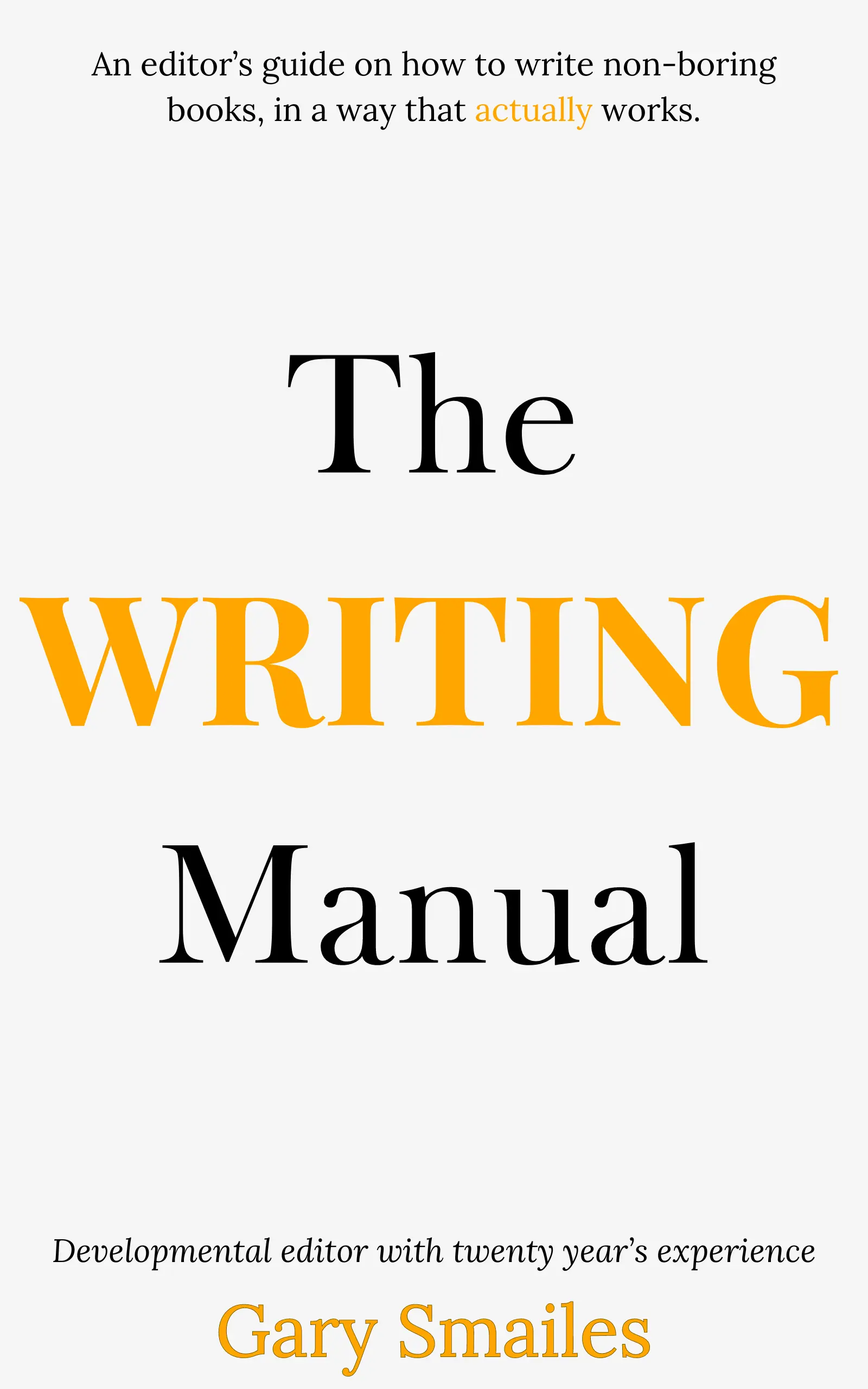
Download FREE ebook
Claim your free eBook today and join over 25,000 writers who have read and benefited from this ebook.
'It is probably one of the best books on writing I've read so far.' Miz Bent