Best Tips For Working With A Professional Editor


Table of Contents
- Preparing Your Manuscript Before Submission
- Setting Clear Expectations and Communication Guidelines
- Understanding Editorial Feedback and Comments
- Managing the Revision Process Effectively
- Building a Productive Long-Term Relationship
- Maximizing Your Investment in Professional Editing
- Frequently Asked Questions
Preparing Your Manuscript Before Submission
Your manuscript arrives on your editor's desk as either a polished draft ready for professional enhancement or a rough collection of pages that wastes both your money and their expertise. The difference lies entirely in your preparation work before hitting "send."
Professional editors expect manuscripts that represent your best independent effort. This doesn't mean perfection, but it means you've exhausted your own editing capabilities before seeking professional help. Think of it like hiring a personal trainer after you've already established basic fitness habits, not before you've learned to tie your shoes.
Start with distance. Set your completed manuscript aside for at least two weeks before beginning your self-edit. This cooling period allows you to read your work with fresh eyes rather than seeing what you intended to write instead of what actually appears on the page.
Read your entire manuscript aloud or use text-to-speech software to catch awkward phrasing, repetitive word choices, and dialogue that sounds wooden. Your ear catches problems your eyes miss, especially rhythm issues and overused transition words.
Focus on obvious errors during this first pass. Fix spelling mistakes, correct punctuation errors, and eliminate unnecessary adverbs and adjectives that clutter your prose. Professional editors shouldn't spend time catching mistakes a spell-checker would identify.
Look for consistency issues throughout your manuscript. Character descriptions, timeline details, and setting elements should remain consistent from chapter to chapter. If Sarah has blue eyes in chapter three, she shouldn't have brown eyes in chapter fifteen without explanation.
Check your dialogue tags and action beats for variety and clarity. Excessive use of "said" alternatives weakens dialogue, but so does repetitive action accompanying speech. Aim for natural conversation flow that doesn't require readers to track who's speaking through elaborate attribution methods.
Eliminate filler words and phrases that weaken your prose without adding meaning. Words like "just," "really," "very," and "quite" often dilute impact rather than enhance it. Phrases like "began to" or "started to" usually hide stronger verb choices.
Address obvious pacing problems during your self-edit. Scenes that drag without advancing plot or character development need tightening or removal. Action sequences that rush past important emotional beats need expansion and depth.
Review your opening chapters with particular care. Professional editors often form lasting impressions from initial pages, and weak openings suggest broader manuscript problems. Ensure your first chapter demonstrates your writing quality and story promise effectively.
Your style sheet serves as the manuscript's reference guide, documenting every proper noun, specialized term, and formatting decision that appears throughout your story. Professional editors use style sheets to maintain consistency during their work, but they shouldn't have to create these documents from scratch.
Character names require careful documentation, especially in fantasy or science fiction manuscripts with invented names. List every character with correct spelling, brief description, and first appearance location. Include nickname variations and relationship details that affect how characters address each other.
Setting names need similar attention. Document locations, their relationships to each other, and any specific geographic or cultural details that affect story consistency. Fantasy and historical fiction require particular care with invented place names and their associated rules.
Timeline documentation prevents continuity errors that confuse readers and frustrate editors. Create a simple chronology showing major events, character ages, and seasonal details that affect your story. Note any flashbacks or time jumps that require special attention.
Specialized terminology requires definition and consistent usage throughout your manuscript. Technical jargon, historical terms, or invented language elements should appear identically each time they're used. Document preferred spellings for any words that might have multiple acceptable variations.
Format preferences need documentation when they deviate from standard conventions. If you use British spelling in an American-market manuscript or prefer specific punctuation choices, note these decisions for your editor's reference.
Keep your style sheet simple and organized. Alphabetical lists work better than random documentation. Include page references for first appearances to help editors verify information quickly.
Context about your target audience shapes editorial decisions throughout the editing process. A young adult fantasy novel receives different treatment than an adult literary work, even if both feature similar themes or story elements.
Genre expectations affect everything from pacing and character development to dialogue style and narrative structure. Romance novels follow different conventions than mystery stories, and professional editors adjust their focus accordingly.
Publishing goals influence editorial priorities and revision suggestions. Manuscripts intended for traditional publishing need different preparation than self-published works. Competition entries follow different rules than personal projects.
Discuss your target readership's expectations and preferences. Middle-grade readers tolerate different content and complexity levels than adult audiences. International markets might require different cultural considerations than domestic publications.
Explain any unique aspects of your story that might affect editorial approach. Genre-blending manuscripts need special attention to ensure they satisfy multiple audience expectations without confusing readers.
Share your marketing plans and publication timeline if they affect editing priorities. Rush schedules might require different editorial strategies than leisurely revision processes.
Be honest about your experience level and previous publication history. First-time authors need different guidance than experienced writers working on their fifth novel.
Standard manuscript format isn't arbitrary tradition; it's professional communication that allows editors to focus on content rather than deciphering presentation. Proper formatting signals that you understand publishing industry expectations.
Use 12-point Times New Roman or similar serif font throughout your manuscript. Sans serif fonts like Arial work for headers but not body text. Fancy or decorative fonts distract from content and appear amateurish.
Double-space your entire manuscript with one-inch margins on all sides. This spacing provides room for editorial comments and makes reading easier during long editing sessions.
Left-align your text rather than justifying paragraphs. Justified text creates uneven word spacing that interferes with reading flow. Center alignment should only appear on title pages.
Indent paragraphs using your word processor's paragraph formatting rather than multiple spaces or tab keys. Consistent indentation looks professional and converts properly when editors work in different software programs.
Start new chapters on fresh pages with chapter titles or numbers positioned consistently throughout the manuscript. Page breaks before chapters prevent formatting problems when editors make structural suggestions.
Include headers with your last name and page numbers on every page except the title page. This information helps editors track manuscript sections and provides identification if pages become separated.
Submit your manuscript as a single document rather than multiple files unless specifically requested otherwise. Multiple files create version control problems and increase the chance of missing sections.
Save and submit your manuscript in formats your editor prefers. Most editors work in Microsoft Word, but some prefer Google Docs or other programs. Ask about format preferences before submitting.
Your synopsis provides story overview without spoiling the reading experience for your editor. Professional editors need plot summaries to understand story structure and identify potential development issues.
Keep synopses brief but comprehensive. One to two pages usually suffice for full-length novels. Include major plot points, character arcs, and story resolution without getting lost in minor details.
Write synopses in present tense and third person, even if your manuscript uses different approaches. This convention makes synopses easier to read and compare across different projects.
Focus on main characters and central conflicts rather than cataloging every subplot and secondary character. Professional editors can identify minor character issues during their manuscript review.
Include genre-specific elements that affect story development. Romance synopses should mention relationship progression, while mystery synopses must explain the crime and resolution method.
Avoid marketing language or promotional descriptions in your synopsis. Professional editors need story summaries, not sales pitches. Save promotional copy for query letters and marketing materials.
Specific concerns you've identified help editors focus their attention on problem areas while avoiding repetitive feedback about issues you already recognize. This targeted approach maximizes the value of professional editing time.
Be honest about weaknesses you've noticed in your work. Editors appreciate authors who demonstrate self-awareness and realistic assessment of their writing strengths and limitations.
Mention recurring problems you haven't been able to solve independently. Perhaps your dialogue sounds stilted despite multiple revision attempts, or your pacing drags in the middle sections.
Identify genre-specific elements that concern you. Fantasy authors might worry about worldbuilding consistency, while mystery writers might question
Setting Clear Expectations and Communication Guidelines
The most expensive editing disasters happen not because editors lack skill, but because authors and editors never agreed on what they were actually doing together. You hire someone to "edit your novel" while they think you want developmental feedback. They expect three weeks for revisions while you need the manuscript back in five days. These misalignments turn editing relationships into expensive frustrations that serve no one well.
Professional editing works best when everyone knows exactly what they're signing up for before work begins. This means having conversations that feel slightly awkward because they're so specific, but these conversations prevent much larger problems later.
Start with communication preferences before you start talking about your actual manuscript. Some editors prefer email for all correspondence. Others work better with phone calls for complex discussions and email for simple updates. A few use project management tools or shared documents for tracking progress.
Ask about response times for different types of communication. Quick questions might get same-day responses while complex manuscript discussions need longer consideration time. Professional editors juggle multiple projects, so they need systems that work for their schedules as well as yours.
Discuss how often you want progress updates during longer editing projects. Some authors prefer weekly check-ins while others find frequent updates distracting. Match communication frequency to project length and complexity rather than your anxiety level about the editing process.
Establish preferred methods for sharing documents and tracking changes. Most editors work in Microsoft Word with Track Changes enabled, but some use Google Docs or other collaborative platforms. Clarify file-naming conventions and version control procedures before you start exchanging documents.
Ask about the editor's policy for follow-up questions after you receive edited manuscripts. Most professional editors include brief clarification discussions in their fees, but extensive re-explanation or additional feedback might incur extra charges.
Set boundaries around communication timing and urgency levels. Professional editors maintain business hours and personal boundaries like other service providers. Emergency contact should be reserved for genuine emergencies, not last-minute panic about minor editing details.
Scope creep kills editing budgets and professional relationships faster than any other single problem. You hire an editor for copyediting and then ask for developmental feedback halfway through the project. They quote you for editing 80,000 words and you submit 120,000 words without mentioning the difference.
Define the type of editing you need before discussing timelines or costs. Developmental editing addresses big-picture story issues like plot holes, character development, and narrative structure. Line editing focuses on sentence-level clarity, flow, and style. Copyediting corrects grammar, punctuation, and consistency errors. Proofreading catches final typos and formatting issues.
Most manuscripts need multiple editing passes, but you don't have to hire the same editor for every level of editing. Some editors specialize in developmental work while others excel at copyediting and proofreading. Choose editors whose strengths match your manuscript's current needs.
Establish word count limits and policies for manuscripts that exceed agreed-upon lengths. Professional editors quote fees based on estimated time requirements, and longer manuscripts require more time than shorter ones. Significant word count changes affect project timelines and costs.
Discuss policies for additional rounds of editing if your revisions introduce new problems or if you decide you need deeper editing than originally planned. Some editors include one revision review in their fees while others charge separately for additional work.
Set boundaries around the types of feedback you want to receive. If you're happy with your story structure but need help with sentence-level issues, tell your editor to focus on line editing rather than developmental concerns. This guidance helps editors use their time efficiently.
Clarify what happens if you disagree with major editorial suggestions. Professional editors expect some pushback on their recommendations, but they need to know whether you want extended discussion about disputed changes or prefer to move forward with areas of agreement.
Professional editors make suggestions, not demands. Understanding this distinction protects your creative ownership while helping you benefit from editorial expertise. Editors identify problems and offer solutions, but you decide which solutions work best for your story and your goals.
Grammar and punctuation corrections are typically non-negotiable. These changes address objective errors that interfere with reader comprehension. Professional editors have expertise in language mechanics that most authors lack, so trust their judgment about technical corrections.
Style suggestions occupy middle ground between mandatory corrections and creative recommendations. An editor might suggest changing passive voice to active voice or recommend different word choices for clarity. These suggestions improve readability, but you might choose to keep original phrasing that serves specific artistic purposes.
Developmental feedback offers options rather than requirements. If an editor suggests restructuring a chapter or developing a character's motivation more fully, they're identifying problems and proposing solutions. You might solve the same problems through different approaches that better match your creative vision.
Ask editors to explain their reasoning when you don't understand suggested changes. Professional editors make recommendations based on craft principles, genre conventions, or reader expectations. Understanding their logic helps you make informed decisions about which suggestions to implement.
Request alternative solutions when you disagree with specific editorial recommendations. If an editor suggests cutting a favorite scene, ask whether revision rather than deletion might address their concerns. Professional editors usually offer multiple approaches to solving manuscript problems.
Distinguish between suggestions that address objective problems and those that reflect personal preferences. Factual errors and timeline inconsistencies need correction. Stylistic preferences might be worth discussing but don't require changes unless they create reader confusion.
Maintain final approval over all changes to your manuscript. Professional editors should never make changes without your explicit approval, even for obvious corrections. You own the manuscript and control all decisions about its content and presentation.
Realistic timelines account for both editorial work and author revision time. Professional editors need adequate time to provide thoughtful feedback, and authors need sufficient time to implement changes without rushing through important decisions.
Editorial timelines depend on manuscript length, editing complexity, and editor availability. Developmental editing takes longer than copyediting because it requires deeper analysis and more extensive feedback. Rush jobs cost more and often produce lower-quality results than projects with reasonable deadlines.
Factor your revision schedule into overall project timelines. Professional editing is only the first step in manuscript improvement. You'll need time to read editorial feedback, decide which suggestions to implement, make changes, and review revised sections for new problems.
Consider the editor's other commitments when discussing deadlines. Professional editors typically work on multiple projects simultaneously and book weeks or months in advance. Popular editors might have limited availability during busy seasons.
Build buffer time into your timelines for unexpected complications. Manuscripts sometimes reveal problems that require more extensive revision than initially apparent. Personal emergencies or technical difficulties might delay work on either side of the editing relationship.
Discuss timeline flexibility and policies for deadline changes. Professional editors might accommodate minor schedule adjustments but need advance notice for significant changes. Last-minute deadline shifts might incur additional fees or require rescheduling to later availability slots.
Plan revision deadlines that account for your other commitments and writing habits. Editing feedback is most valuable when you can focus attention on implementing changes rather than squeezing revision work into busy schedules.
Written agreements prevent misunderstandings that damage professional relationships and compromise manuscript quality. These documents don't need legal complexity, but they should cover all important aspects of your working arrangement.
Document the scope of editing services you're purchasing. Specify the type of editing, estimated word count, number of revision rounds included, and any additional services like synopsis review or brief consultation calls.
Include timeline agreements with specific dates for manuscript delivery, editorial feedback, and revision completion. Note policies for timeline changes and any associated fees or rescheduling requirements.
Clarify communication preferences, update frequencies, and contact information for both parties. Include backup contact methods in case primary communication channels experience problems.
Record payment terms, including total fees, payment schedules, and accepted payment methods. Note any additional fees for services beyond the original scope or timeline changes.
Include policies for project cancellation, manuscript confidentiality, and dispute resolution. Professional editors typically offer partial refunds for cancelled projects and maintain strict confidentiality about manuscript content.
Specify delivery formats for edited manuscripts and any additional documents like style sheets or editorial letters. Note version control procedures and file-naming conventions to prevent confusion.
Document any special requirements or preferences that affect the editing process. Genre-specific considerations, target audience details, or particular areas of editorial focus should be noted for reference throughout the
Understanding Editorial Feedback and Comments
You've hired a professional editor, sent off your manuscript, and now you're staring at a document covered in red marks and marginal comments. Your first instinct might be defensive panic or the urge to accept every suggestion without question. Both responses miss the point of professional editing.
Editorial feedback is a conversation, not a dictation. Your editor has expertise in craft and language, but you own the story and the creative decisions. The magic happens when editorial expertise meets authorial vision in productive dialogue.
Professional editors offer solutions to problems they identify in your manuscript. They don't issue commands or demand specific changes. Understanding this distinction helps you approach feedback as a collaborator rather than a student receiving grades on homework.
Most editorial comments fall into three categories: identification of problems, suggested solutions, and explanatory context. A good editor might write, "This dialogue feels stiff and formal for a teenager" (problem identification), "Consider using more contractions and casual language" (suggested solution), and "Teen characters need authentic voice to connect with your target audience" (explanatory context).
The best editors explain their reasoning because they want you to understand craft principles, not just fix immediate problems. When an editor suggests cutting a paragraph, they might explain how it disrupts pacing or repeats information from earlier scenes. This context helps you make informed decisions about whether to follow their specific suggestion or solve the problem differently.
Approach feedback with curiosity rather than defensiveness. If an editor suggests major changes to a scene you love, your first question should be "What problem does this solve?" rather than "How dare they suggest cutting my favorite passage?" Understanding the underlying issue helps you find solutions that preserve what you value while addressing legitimate concerns.
Editorial suggestions reflect professional judgment, not personal attacks on your writing ability. When an editor identifies weak character motivation or confusing timeline structure, they're diagnosing craft issues that interfere with reader experience. These observations come from expertise, not preference.
Some feedback will resonate immediately while other suggestions might feel wrong for your story. Both reactions are normal. Trust your instincts about which suggestions align with your creative vision, but examine your reasoning when you disagree with editorial recommendations.
Keep notes about which suggestions you implement and which you reject. This record helps you identify patterns in your editing decisions and better communicate with editors about your priorities and concerns.
Remember that you don't have to implement every suggestion to benefit from editing. Sometimes editorial comments help you recognize problems even when you solve them through different approaches than your editor suggested.
Editorial feedback operates at different levels of manuscript development, and understanding these distinctions helps you prioritize revision work and respond appropriately to different types of suggestions.
Developmental editing addresses big-picture story elements: plot structure, character development, pacing, theme development, and overall narrative arc. These comments might suggest reordering chapters, developing character relationships more fully, or clarifying central conflicts.
Line editing focuses on sentence-level clarity, flow, and style. These suggestions might recommend word choice improvements, sentence structure changes, or paragraph reorganization to improve readability and impact.
Copyediting corrects technical errors in grammar, punctuation, spelling, and consistency. These changes address objective mistakes that interfere with professional presentation and reader comprehension.
Proofreading catches final typos, formatting errors, and minor oversights that escaped earlier editing rounds. These corrections require minimal decision-making because they fix obvious mistakes.
Different types of feedback require different responses. Developmental suggestions might prompt extensive revision work while copyediting corrections usually need simple acceptance or rejection decisions.
Developmental feedback often comes with extensive explanation because these changes affect story fundamentals. Your editor might write several paragraphs explaining why a character arc feels incomplete or how timeline confusion undermines plot tension. This detailed feedback requires careful consideration and often benefits from follow-up discussion.
Line editing suggestions balance craft principles with stylistic preferences. An editor might suggest changing passive voice to active voice for stronger prose, but you might choose to keep passive voice in specific instances for artistic reasons.
Copyediting corrections address objective errors, but even these changes sometimes allow room for authorial choice. You might prefer British spelling conventions while your editor defaults to American standards, or you might have specific stylistic reasons for nonstandard punctuation choices.
When editorial comments seem unclear or confusing, ask for clarification rather than guessing about intended meanings. Professional editors expect follow-up questions and prefer direct communication to assumptions that lead to inappropriate changes.
Frame questions specifically rather than asking for general explanation. Instead of "What do you mean by this comment?" ask "When you suggest strengthening the character's motivation, are you referring to internal psychological development or external goal-setting?" Specific questions get useful answers.
Ask about alternative solutions when you disagree with suggested approaches. If an editor recommends cutting a scene, ask whether revision might address their concerns while preserving elements you want to keep. Most editors offer multiple approaches to solving manuscript problems.
Request examples when feedback seems too abstract. If an editor suggests "more showing, less telling" in character development, ask them to point to specific passages that demonstrate this problem and others that handle similar situations more effectively.
Clarify the urgency level of different suggestions. Some editorial recommendations address critical problems that undermine story effectiveness while others offer incremental improvements. Understanding these priorities helps you allocate revision time efficiently.
Don't hesitate to ask about craft principles behind editorial suggestions. Professional editors base recommendations on established writing techniques, genre conventions, or reader psychology. Learning these principles helps you apply similar analysis to future writing projects.
Follow up when you're uncertain about how to implement suggested changes. Your editor might identify a problem like "unclear point of view" without providing step-by-step revision instructions. Ask for guidance about specific techniques for addressing complex craft issues.
Most manuscripts need attention at multiple levels, but tackling revisions in the wrong order creates unnecessary work and potentially introduces new problems into areas you've already revised.
Address developmental concerns before line-level editing. There's no point perfecting the prose in a chapter you might delete or extensively reorganize based on structural feedback. Big-picture changes affect everything downstream, so handle them first.
Resolve plot and character issues before focusing on scene-level problems. If your editor suggests major character development work, complete those changes before addressing individual scene concerns that might change based on character revisions.
Fix timeline and consistency problems before copyediting. Developmental revisions often affect character names, setting details, or plot chronology. Copyediting a manuscript before resolving these larger issues means doing the same work twice.
Complete substantive revisions before proofreading. New writing introduces new typos, and extensive revision makes careful proofreading pointless until the content stabilizes.
This hierarchical approach doesn't mean ignoring simple corrections while working on developmental issues. Fix obvious typos as you encounter them, but don't spend dedicated time on copyediting until you've addressed bigger concerns.
Some editorial feedback requires immediate attention while other suggestions work better as gradual improvements over multiple projects. Prioritize changes that significantly improve your current manuscript while noting patterns that inform long-term skill development.
Professional editors often identify recurring problems that appear throughout your manuscript. These patterns reveal habitual writing weaknesses that deserve attention beyond individual corrections.
Common patterns include overuse of specific words, repetitive sentence structures, inconsistent point of view, weak dialogue tags, or unclear pronoun references. Tracking these issues helps you recognize them independently in future writing.
Create a personal editing checklist based on recurring feedback. If multiple editors mention unclear transitions between scenes, add "check scene transitions" to your self-editing routine. If you consistently overuse certain words, create a search list for revision passes.
Document successful solutions to recurring problems. When you find effective techniques for handling dialogue attribution or managing multiple character perspectives, note these strategies for future reference.
Pay attention to positive feedback as well as correction suggestions. If editors consistently praise your dialogue or descriptive writing, understand what makes these elements successful so you maintain these strengths while improving weaker areas.
Notice which types of editorial suggestions you implement most successfully. Some writers excel at big-picture revision while others handle line-level changes more effectively. Understanding your revision strengths and challenges helps you work more efficiently with future editors.
Keep examples of before-and-after passages that demonstrate successful implementation of editorial feedback. These samples serve as reference points for similar situations in future projects and help you communicate effectively with new editors about your revision preferences.
Track which editorial suggestions prove most valuable over
Managing the Revision Process Effectively
The moment you receive editorial feedback, you face a choice: dive in randomly and hope for the best, or approach revisions with the same systematic thinking you brought to writing the first draft. Writers who succeed with professional editing treat revision as a craft skill worth developing.
Most writers attack editorial feedback like they're putting out fires. They jump between developmental suggestions, line edits, and copyediting corrections without any organizing principle. This approach wastes time, creates confusion, and often introduces new problems into sections they've already revised.
Professional revision follows a hierarchy. Address big-picture issues first, then work your way down to sentence-level concerns. This top-down approach prevents you from perfecting prose in scenes you might delete or extensively reorganize based on structural feedback.
Start with developmental issues that affect your entire manuscript. If your editor suggests major character development work or plot restructuring, handle these changes before addressing individual scene problems. Developmental revisions create ripple effects throughout your story, so tackle them while you have flexibility to adjust everything downstream.
Move to chapter and scene-level concerns once you've stabilized your overall structure. Address pacing issues, scene transitions, and individual character moments after you're confident about your larger narrative choices.
Save line editing and copyediting for last. There's no point perfecting sentence structure in paragraphs you might cut or rewrite based on higher-level changes. Polish your prose after you've settled on what you're actually saying.
This doesn't mean ignoring obvious typos while working on developmental issues. Fix simple errors as you encounter them, but don't spend dedicated time on copyediting until you've addressed bigger concerns.
Create a revision plan before you start making changes. Read through all editorial comments first to understand the scope of suggested work. Group similar issues together and estimate how much time different types of revisions might require.
Some writers find it helpful to create separate document passes for different types of changes. Make all character-related revisions in one pass, all dialogue improvements in another, and all description enhancements in a third. This focused approach helps you maintain consistency within specific areas while avoiding the mental fatigue that comes from constantly switching between different types of thinking.
Track your progress through the revision process so you know what you've completed and what still needs attention. Editorial feedback can feel overwhelming when you view it as one massive undifferentiated task, but breaking it into manageable components makes the work feel achievable.
Your word processor's revision tools exist for good reasons, and professional editors expect you to use them effectively. Track Changes, Comments, and Version History features help you maintain control over complex revision processes while preserving options for undoing changes that don't work.
Turn on Track Changes before you start implementing editorial feedback. This creates a record of every modification you make, which helps you review your revision choices and communicate with your editor about which suggestions you implemented.
Use the Comments feature to note your thinking about editorial suggestions, especially when you disagree with recommendations or choose alternative solutions. These notes help you remember your reasoning and provide context for follow-up discussions with your editor.
Save numbered versions of your manuscript at major revision milestones. "Novel_Draft_After_Developmental_Edits.docx" and "Novel_Draft_After_Line_Editing.docx" create restore points you trust if later changes introduce problems you need to undo.
Accept or reject tracked changes systematically rather than leaving them active throughout your document. A manuscript covered in revision marks becomes difficult to read and edit effectively. Process changes in batches and clean up your document as you work.
Create a separate document for tracking which editorial suggestions you've addressed and which you've decided not to implement. This record prevents you from losing track of feedback in long comment threads and helps you prepare for follow-up conversations with your editor.
Export clean versions of your manuscript periodically during revision work. Reading your story without editorial comments and revision marks helps you evaluate how changes affect the overall reading experience and identify areas that need additional work.
Revision work requires different mental energy than creative writing, and most writers need dedicated time blocks to make meaningful progress on editorial feedback. Trying to squeeze revision work into random spare moments leads to fragmented attention and inconsistent decision-making.
Schedule specific times for revision work just as you would schedule important meetings. Block out sufficient time to make meaningful progress on complex changes rather than trying to handle developmental revisions in fifteen-minute intervals.
Different types of revision work suit different mental states and time frames. Major structural changes require sustained focus and creative problem-solving, while copyediting corrections work well during shorter sessions when you're mentally tired.
Plan revision sessions around your natural energy patterns. If you think most clearly in the morning, tackle complex developmental issues early in the day. Save routine copyediting work for times when you're less mentally sharp.
Set realistic daily goals for revision progress. Trying to implement all editorial feedback in one marathon session leads to poor decision-making and burnout. Steady progress over several days or weeks produces better results than frantic rushing.
Take breaks between different types of revision work. Your brain needs time to shift between big-picture thinking and detail-oriented correction work. Switching directly from character development revisions to copyediting often results in missing problems in both areas.
Track your actual revision time to improve future project planning. Most writers underestimate how long implementation of editorial feedback requires, especially for developmental changes that affect multiple manuscript areas.
When you receive editorial feedback, you've already invested significant time and energy in your story. The temptation to make additional improvements while you're revising is natural but dangerous. Unplanned changes during revision often create new problems that require additional editing rounds.
Stick to addressing editorial feedback rather than rewriting sections your editor didn't flag as problematic. If you notice other issues while implementing suggested changes, note them for future consideration rather than expanding your revision scope without discussion.
Resist the urge to second-guess editorial suggestions by making half-hearted compromises. If your editor recommends cutting a scene, don't try to salvage it by trimming a few sentences. Either implement the suggestion fully or discuss alternative approaches with your editor.
Avoid making stylistic changes that contradict your editor's recommendations. If your editor suggests more active voice construction, don't simultaneously decide to experiment with stream-of-consciousness techniques that favor passive constructions.
Stay focused on the specific problems your editor identified rather than trying to perfect every aspect of your manuscript. Professional editing addresses the most important issues affecting your story, not every possible improvement.
Document any additional changes you want to make so you don't lose good ideas, but save them for after you've completed the agreed-upon revision work. This approach keeps you focused while preserving creative insights for appropriate timing.
When you do decide to make changes beyond editorial suggestions, communicate with your editor about these additions. They might affect other aspects of your story that require attention, or they might conflict with suggested revisions you haven't yet implemented.
Revision work rarely goes exactly according to plan, and professional editors understand that writers encounter obstacles during implementation of complex feedback. The key is communicating about problems before they affect your agreed-upon timeline.
Contact your editor as soon as you recognize potential delays rather than hoping you'll catch up later. Early communication allows both of you to adjust expectations and find solutions that keep your project moving forward.
Be specific about obstacles you're facing rather than sending vague messages about "having trouble with revisions." If you're struggling with character motivation changes your editor suggested, explain the specific problems you're encountering so they offer targeted guidance.
Ask for clarification when editorial feedback seems more complex to implement than you initially understood. Sometimes suggestions that look straightforward reveal unexpected complications once you start working on them.
Discuss alternative approaches when you discover that suggested changes create problems your editor didn't anticipate. Professional editors want solutions that work for your story, not rigid adherence to their initial recommendations.
Propose revised timelines that account for additional work you've discovered rather than simply asking for extensions. "I need two more weeks" sounds less professional than "The character development changes affected more scenes than we initially expected, so I'd like to extend the deadline by ten days to address these properly."
Keep your editor informed about your progress even when things are going smoothly. Brief updates help them plan their schedule and demonstrate your commitment to the collaborative process.
Remember that most
Building a Productive Long-Term Relationship
Finding a professional editor who understands your voice and vision is like discovering a writing partner who makes your work stronger. Once you've established this connection, treating it as a one-time transaction wastes the investment both of you have made in understanding how to work together effectively.
Most writers approach editing as a series of isolated projects, hiring different editors based on availability or price. This approach overlooks one of the most valuable aspects of professional editing: the accumulated knowledge an editor develops about your strengths, blind spots, and creative goals over multiple collaborations.
An editor who has worked with you before understands your natural writing rhythm, recognizes when you're forcing scenes versus when your prose flows authentically, and knows which types of feedback you implement most successfully. This familiarity allows them to provide more targeted guidance and spend their time on issues that will make the biggest difference in your work.
Building relationships with editors requires the same professionalism and mutual respect you'd bring to any important business partnership. These relationships thrive when both parties communicate openly, meet their commitments, and work toward shared goals of improving your writing.
The feedback you provide about your editing experience helps professional editors refine their services and better serve future clients. Most editors want honest input about what worked well and what could be improved, but many writers hesitate to offer constructive criticism to someone they're paying for expertise.
Professional editors are craftspeople who take pride in their work, and they understand that client feedback helps them deliver better service. Thoughtful evaluation of your editing experience benefits the entire relationship rather than creating awkwardness or conflict.
Focus your feedback on specific aspects of the editing process rather than vague impressions. Instead of saying "the editing was good," explain which types of comments helped you most, whether the communication style matched your preferences, and how well the editor understood your genre and target audience.
Address problems directly but professionally when aspects of the editing experience didn't meet your expectations. If editorial comments were unclear, if promised deadlines weren't met, or if the editor seemed unfamiliar with your genre conventions, discuss these issues constructively.
Positive feedback matters as much as criticism for helping editors understand what works well. When an editor provides particularly insightful developmental suggestions or catches problems you've struggled with in previous projects, let them know which aspects of their work you found most valuable.
Time your feedback appropriately rather than overwhelming your editor with detailed evaluations immediately after receiving their work. Allow yourself time to implement suggestions and see how they affect your manuscript before assessing the overall editing experience.
Consider providing brief mid-project feedback when you're working on longer manuscripts or complex developmental editing. If communication patterns aren't working well or if you need clarification about the editing approach, address these issues while there's still time to adjust rather than waiting until the project is complete.
Remember that professional editors work with multiple clients and projects simultaneously. They appreciate feedback that helps them understand your preferences without expecting them to remember every detail of your working relationship from project to project.
Working relationships with professional editors benefit from clear boundaries that allow both parties to maintain appropriate professional distance while building collaborative trust. Most successful editor-author partnerships combine business professionalism with the friendly rapport that makes creative collaboration enjoyable.
Respect your editor's time by staying focused on manuscript-related discussions during scheduled calls or meetings. While friendly conversation helps build rapport, professional editors charge for their time and expertise, so social chatting should be brief and appropriate to the business relationship.
Understand that professional editors work with multiple authors and maintain confidentiality about their other clients' projects. Don't ask for information about other writers' work or expect your editor to share details about their other professional relationships.
Pay invoices promptly and according to agreed-upon terms. Professional editors depend on timely payment to maintain their businesses, and consistent late payments strain working relationships regardless of how well the creative collaboration functions.
Communicate professionally even when discussing creative differences or requesting changes to editorial approaches. Professional editors expect clients to have strong opinions about their work, but they respond better to respectful disagreement than emotional reactions or personal criticism.
Recognize that professional boundaries protect both parties in the working relationship. Editors who maintain appropriate professional distance are more likely to provide objective feedback about your work rather than telling you what they think you want to hear.
Be understanding when your editor's other commitments affect scheduling or response times. Professional editors juggle multiple projects and deadlines, and flexibility about minor scheduling adjustments helps maintain positive working relationships.
Maintain reasonable expectations about availability and response times between projects. Your editor should be accessible for questions about current work, but they're not obligated to provide ongoing writing support or career advice outside of paid editing engagements.
An editor who has worked with you previously brings valuable institutional knowledge to each new project. They understand your writing voice, recognize your typical strengths and challenges, and know which types of editorial guidance you implement most effectively.
This familiarity allows experienced editors to focus their attention on areas where you need the most help rather than spending time addressing problems you've already learned to handle independently. They notice when you've improved in areas that required significant attention in previous projects, and they identify new challenges that emerge as your writing evolves.
Editors who know your work well provide more nuanced feedback about character development, pacing, and style because they understand your creative goals and target audience. They recognize when experimental techniques serve your story versus when they create problems that need correction.
Working with the same editor across multiple projects also creates consistency in your professional development. Rather than adapting to different editorial approaches and preferences with each project, you build on previous collaborative work and develop deeper craft knowledge over time.
Consider your editor's schedule and workload when planning future projects rather than assuming they'll always be available when you need editing services. Professional editors who provide excellent work often have waiting lists, especially during busy seasons when many writers submit manuscripts.
Discuss your anticipated timeline for future projects during current editing work so your editor knows when you might need their services again. This advance planning helps them reserve appropriate time in their schedule and gives you priority booking when you're ready for the next round of editing.
Be realistic about your own writing and revision schedule when discussing future projects. Editors appreciate clients who understand their own creative processes and provide accurate estimates about when manuscripts will be ready for professional review.
Understand that editor availability fluctuates based on their other commitments, personal schedules, and business priorities. Professional editors who manage their workloads effectively sometimes need to decline projects or suggest alternative timelines, and this reflects good business practices rather than lack of interest in your work.
Consider working with backup editors for urgent projects or when your preferred editor isn't available. Having relationships with multiple professional editors provides flexibility without forcing you to work with unknown quantities when deadlines are tight.
Professional editors build their businesses through referrals from satisfied clients, and your recommendations carry significant weight with other writers who are looking for editorial services. When you've had positive experiences with an editor, sharing those recommendations helps support their business while helping fellow writers find quality editorial support.
Refer writers to editors whose strengths match the specific needs of the person seeking help. An editor who excels at developmental work might not be the best choice for someone who needs intensive line editing, and an editor who specializes in literary fiction might not understand the conventions of romance or mystery genres.
Provide specific information about why you're recommending a particular editor rather than offering generic endorsements. Explain what types of editorial feedback they provide most effectively, how well they communicate, and whether they understand the genre or audience relevant to the person seeking recommendations.
Be honest about any limitations or concerns in your recommendations. If an editor provides excellent developmental feedback but struggles with copyediting details, or if they maintain high quality standards but sometimes miss deadlines, include this information so writers make informed decisions.
Consider the editor's current workload and availability when making referrals. Recommending an editor who is completely booked for the next six months might not help a writer who needs immediate assistance, and overwhelming busy editors with referrals creates problems for everyone involved.
Ask permission before using an editor's name in public recommendations or testimonials. Professional editors appreciate referrals, but they prefer to know when clients are actively promoting their services so they prepare for increased inquiries.
Remember that your referral reflects on your professional judgment. Recommend editors whose work you know well rather than passing along second-hand recommendations or suggesting editors based on limited experience.
Planning ahead for future editing needs benefits both you and your editor by allowing time for proper scheduling and preparation. Professional editors provide better service when they have adequate notice about upcoming projects an
Maximizing Your Investment in Professional Editing
Professional editing represents a significant investment in your writing career, and the real value extends far beyond the polished manuscript you receive. The most successful writers treat each editing experience as a masterclass in craft, extracting lessons that improve every piece of writing they produce afterward.
Most writers focus solely on implementing editorial suggestions without examining the deeper patterns in their feedback. This approach wastes the educational opportunity embedded in professional editing and forces you to pay for the same fixes repeatedly across multiple projects.
Your edited manuscript contains a roadmap to your specific writing challenges and strengths. Professional editors don't just correct problems; they reveal systematic issues in your approach to dialogue, pacing, character development, or prose style that you haven't recognized independently.
Start by collecting all editorial comments in a separate document, organized by category rather than page order. Group feedback about dialogue tags together, gather all comments about scene transitions in one section, and create separate categories for character development, pacing issues, and prose-level problems.
This organization reveals patterns that remain invisible when you encounter editorial comments scattered throughout your manuscript. You might discover that you consistently struggle with scene endings, overuse certain transitional phrases, or rely too heavily on internal monologue to convey character emotions.
Look for recurring language in editorial comments across different sections of your manuscript. When an editor repeatedly suggests "show rather than tell" or asks for "more specific sensory details" or notes "unclear antecedent," these patterns indicate fundamental areas for improvement in your writing process.
Pay attention to problems that appear more frequently in certain parts of your manuscript. If dialogue issues cluster in your opening chapters but disappear later, you might be overthinking character voices at the beginning of projects. If pacing problems emerge primarily in middle chapters, you may need stronger techniques for maintaining momentum through complex plot developments.
Notice which types of editorial suggestions you implement most successfully and which ones you struggle to address effectively. This self-knowledge helps you focus your independent study on areas where you need the most development and builds confidence in areas where you're already strong.
Create a personal style guide based on editorial corrections to your grammar, punctuation, and word choice preferences. Professional editors often correct the same types of errors repeatedly throughout a manuscript, and documenting these patterns helps you catch similar problems in future writing.
The best writers apply editorial lessons immediately to their current work-in-progress rather than waiting until their next completed manuscript. Professional editing teaches principles and techniques that improve your writing process, not just your finished product.
Study successful revisions in your edited manuscript to understand how professional editors solve common writing problems. When an editor transforms a clunky paragraph into smooth, engaging prose, analyze the specific changes they made rather than simply accepting the improved version.
Look at how editors restructure awkward sentences, combine choppy passages, or break up overwhelming paragraphs. These line-level revisions demonstrate techniques you learn to apply during your own drafting and revision process.
Pay attention to how editors handle transitions between scenes, paragraphs, and ideas. Professional editors excel at creating smooth flow between disparate elements, and studying their transitional techniques improves your ability to guide readers through complex narratives.
Notice how editors tighten wordy passages without losing essential information. The process of cutting unnecessary words while preserving meaning and style requires skills that benefit every aspect of your writing, from initial drafting to final polishing.
Examine how editors clarify confusing passages by adding specific details, reordering information, or changing sentence structure. These clarification techniques help you anticipate reader confusion and address it proactively in future writing.
Compare original and edited versions of passages that gave you trouble during writing. Professional editors often solve problems that frustrated you for hours or days, and understanding their solutions prevents similar struggles in future projects.
The most valuable learning happens when you analyze why specific editorial changes work rather than just implementing them blindly. Professional editors make decisions based on principles of effective storytelling, clear communication, and reader engagement that you learn to apply independently.
Create before-and-after comparison files for passages that underwent significant revision. These examples serve as reference material when you encounter similar problems in future writing and demonstrate the specific techniques that work best for your writing style.
Focus particularly on changes that address problems you didn't recognize independently. If an editor restructures a scene to improve pacing or clarifies character motivations you thought were obvious, these revisions reveal blind spots in your self-editing abilities.
Study how editors balance competing concerns like maintaining your voice while improving clarity, or preserving creative choices while addressing technical problems. Professional editors navigate these complex decisions based on experience and craft knowledge that benefits your own editorial judgment.
Document successful revision strategies that emerge from your collaboration with professional editors. Different writers respond better to different approaches to implementing feedback, and understanding your own revision process helps you work more efficiently.
Some writers benefit from addressing all structural issues before tackling line-level corrections, while others prefer to work through manuscripts chronologically, addressing each type of feedback as it appears. Experiment with different approaches during your revision process to identify what works best for your creative temperament.
Keep notes about which types of editorial feedback you implement most successfully on first attempts and which ones require multiple revision rounds. This self-knowledge helps you allocate time appropriately during future revision work and identify areas where you need to slow down and be more careful.
Track your emotional responses to different types of editorial feedback. If developmental editing suggestions energize you while copyediting corrections feel tedious, plan your revision schedule to tackle developmental work when your creative energy is highest and save mechanical corrections for times when you're less inspired but still productive.
Document environmental and scheduling factors that affect your revision success. Some writers implement editorial feedback more effectively in morning writing sessions, while others prefer evening revision work. Some need complete silence, while others work better with background music or ambient sound.
Notice whether you implement editorial suggestions more successfully when you address them immediately after receiving feedback or when you let the manuscript rest for a few days before beginning revision work. This timing preference affects how you should schedule editing services in relation to other project deadlines.
Professional editors bring specialized expertise to your manuscript, but you maintain creative control over which suggestions to implement and how to address identified problems. Understanding your editor's background and strengths helps you make informed decisions about their feedback.
Consider your editor's genre experience when evaluating suggestions about plot structure, character development, or reader expectations. An editor who specializes in literary fiction might not fully understand the conventions of romance or mystery genres, and their suggestions need filtering through your knowledge of your target audience.
Evaluate editorial suggestions in the context of your publishing goals and target readership. Changes that improve general readability might not align with the specific expectations of your niche audience, and you need to balance broad appeal against genre authenticity.
Distinguish between technical corrections that improve clarity and style suggestions that reflect personal preference. Professional editors excel at identifying grammatical errors, unclear passages, and structural problems, but their suggestions about voice, tone, and creative choices deserve more careful consideration.
Trust your editor's expertise about fundamental craft issues like scene structure, character development, and narrative pacing while maintaining final authority over creative decisions that affect your unique voice and vision. Professional editors provide guidance, not mandates, and successful collaboration requires mutual respect for different types of expertise.
Consider implementing editorial suggestions partially rather than wholesale when you agree with the identified problem but prefer a different solution. Professional editors often suggest specific fixes for problems they identify, but alternative approaches might serve your story better while addressing the same underlying issues.
Remember that professional editors work with multiple genres, audiences, and publishing goals. Their suggestions reflect broad craft knowledge rather than intimate familiarity with your specific creative vision, and you need to filter their feedback through your understanding of your own goals and readership.
The most successful writers view professional editing as the beginning of an ongoing educational process rather than a one-time service. Each editing experience builds your craft knowledge and editorial judgment, reducing your dependence on professional services while improving the quality of work you submit for editing.
Apply lessons from professional editing to your daily writing practice, your self-editing process, and your evaluation of other writers' work. The principles that improve your manuscripts also enhance your ability to help other writers and participate productively in critique groups or writing workshops.
Consider the cumulative value of professional editing across multiple projects rather than evaluating each editing experience in isolation. The craft knowledge you gain from working with skilled editors compounds over time, making each subsequent editing investment more valuable and efficient.
Frequently Asked Questions
How should I prepare my manuscript before sending it to an editor?
Set your completed manuscript aside for at least two weeks to gain fresh perspective, then read it aloud to catch awkward phrasing and dialogue issues. Focus on obvious errors during this first pass—fix spelling mistakes, correct punctuation, and eliminate unnecessary adverbs that clutter your prose. Create a detailed style sheet documenting character names, settings, timeline details, and specialized terminology to help your editor maintain consistency. Professional editors expect manuscripts that represent your best independent effort, not perfection, but evidence you've exhausted your own editing capabilities before seeking professional help.
What's the difference between editorial suggestions and editorial requirements?
Professional editors make suggestions, not demands—you maintain creative control over all changes to your manuscript. Grammar and punctuation corrections address objective errors that interfere with reader comprehension and are typically non-negotiable. Developmental feedback offers options rather than requirements; if an editor suggests restructuring a chapter or developing character motivation, they're identifying problems and proposing solutions you might address through different approaches. Style suggestions occupy middle ground—recommendations about passive voice or word choice improve readability but you might preserve original phrasing for specific artistic purposes.
In what order should I address different types of editorial feedback?
Address developmental concerns before line-level editing to avoid perfecting prose in chapters you might delete or extensively reorganize. Start with big-picture structural issues affecting your entire manuscript—character development, plot restructuring, and major pacing problems create ripple effects throughout your story. Move to chapter and scene-level concerns once you've stabilized overall structure, then handle line editing and copyediting corrections last. This hierarchical approach prevents doing the same work twice when developmental changes affect sentence-level details you've already polished.
How can I avoid scope creep during the editing process?
Define the specific type of editing you need before discussing timelines or costs—developmental editing addresses plot and character issues, whilst line editing focuses on sentence-level clarity and copyediting corrects grammar and consistency. Establish word count limits and policies for manuscripts exceeding agreed lengths, as significant changes affect project timelines and costs. Set boundaries around feedback types you want to receive and clarify what happens if you disagree with major suggestions. Discuss policies for additional editing rounds if revisions introduce new problems, ensuring written agreements document scope, timelines, and payment terms before work begins.
What should I do when I don't understand editorial comments?
Ask for clarification rather than guessing about intended meanings—professional editors expect follow-up questions and prefer direct communication to assumptions leading to inappropriate changes. Frame questions specifically instead of requesting general explanation: rather than "What do you mean?" ask "When you suggest strengthening character motivation, are you referring to internal psychology or external goal-setting?" Request examples when feedback seems abstract, ask about alternative solutions when you disagree with suggested approaches, and don't hesitate to inquire about craft principles behind editorial recommendations.
How can I build a long-term relationship with my editor?
An editor who has worked with you previously understands your writing voice, recognizes your typical strengths and challenges, and knows which types of guidance you implement most effectively. Provide thoughtful feedback about your editing experience, focusing on specific aspects that worked well and areas for improvement. Maintain professional boundaries whilst building collaborative trust—respect your editor's time, pay invoices promptly, and communicate professionally even when discussing creative differences. Plan future projects in advance, understanding that professional editors managing quality workloads often have waiting lists during busy seasons.
How can I learn the most from my professional editing investment?
Collect all editorial comments in a separate document organized by category rather than page order—group dialogue feedback together, scene transitions in another section, and character development comments separately. This organization reveals patterns invisible when scattered throughout your manuscript, showing recurring issues like overusing transitional phrases or consistently struggling with scene endings. Study before-and-after revisions to understand how editors solve common problems, then apply these techniques to current work-in-progress rather than waiting for your next completed manuscript. The real value extends beyond your polished manuscript to craft knowledge improving every piece of writing you produce afterward.
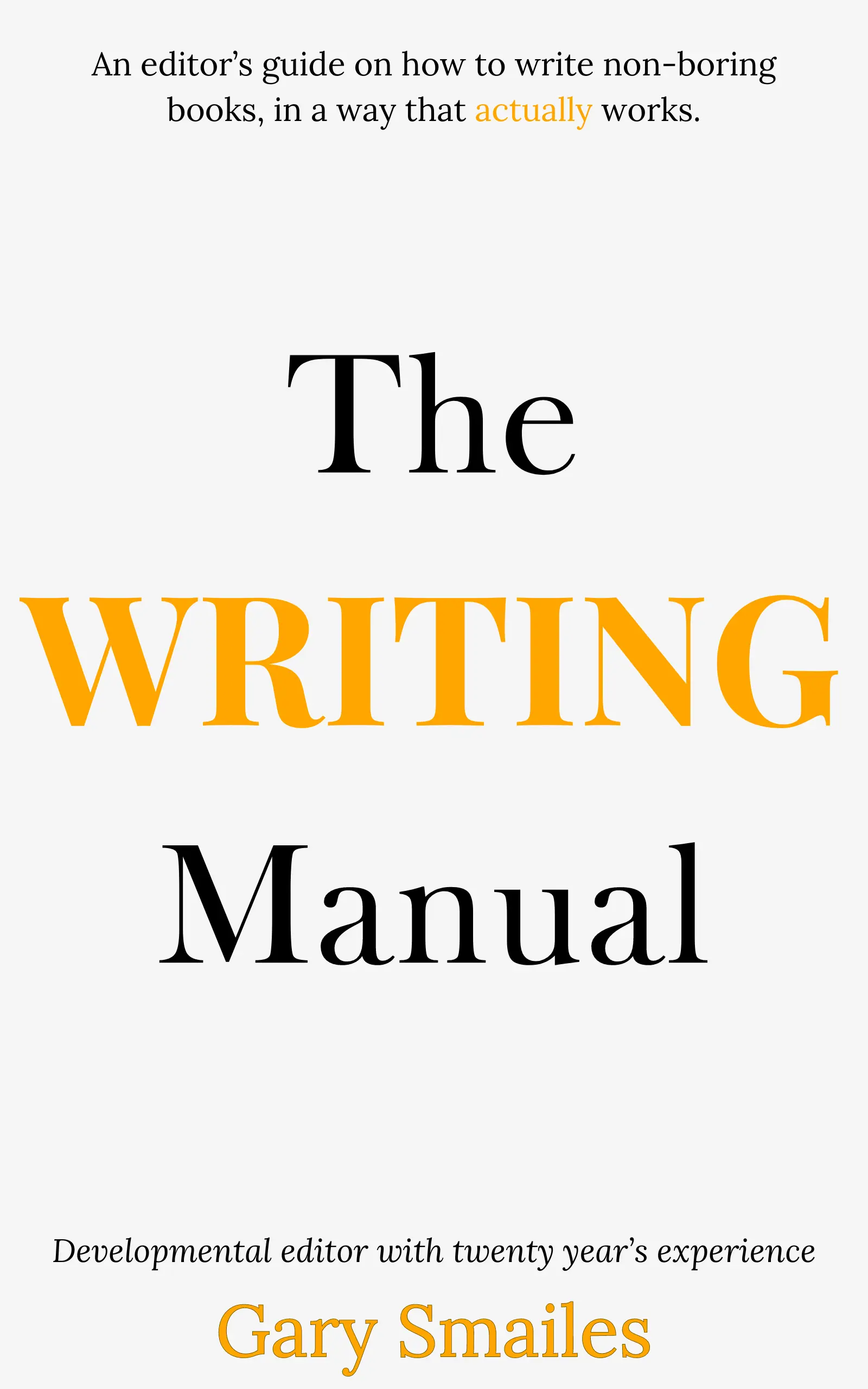
Download FREE ebook
Claim your free eBook today and join over 25,000 writers who have read and benefited from this ebook.
'It is probably one of the best books on writing I've read so far.' Miz Bent