The Anatomy Of A Great Editorial Letter


Table of Contents
Why Editorial Letters Matter in Publishing
An editorial letter gives you a plan. Not tracked changes. Not typos. A map for big moves.
Line edits polish sentences. Proofreads catch errors. A letter sits higher. Structure, clarity, category, and reader promise. Where the story or argument starts. Where it stalls. What to cut. What to amplify. How to sequence revision so you stop thrashing.
Here is the tell. When a writer revises without a letter, fixes spread everywhere and solve nothing. When a writer revises with a letter, changes line up behind a goal. Fewer passes. Better book.
What a Great Letter Covers
- Structure. Open strong. Middle holds. Ending pays off the setup.
- Clarity. Core idea stated early. Terms defined. Throughline visible to a stranger.
- Market fit. Genre or category labeled with care. Reader promise stated in one line.
- Priorities. Must, should, could. You know where to start and where to stop.
No margin notes alone will do this. Notes show where bumps appear. The letter explains why they appear and how to fix them.
For Proposals, The Target List
Agents and acquisitions editors skim fast. A sharp letter points your fix toward the sections they weigh first.
- Hook. One sentence with a clear promise. Example: “A science-backed plan to help new managers run one-on-ones that build trust in 12 weeks.”
- Audience. Primary reader, secondary reader, pain points. Evidence, not vibes. Forums, conference sessions, search phrases.
- Positioning and comps. Five to eight recent books on the same shelf. Show difference with a simple contrast, not a swipe.
- TOC. Logical arc. Merge overlap. Two to four sentences per chapter with problem, tool, takeaway.
- Sample chapters. Voice on the page. Open with a problem or scene. Blend story, research, and steps.
- Platform. Reach in numbers. Email list size. Speaking frequency. Course enrollments. A realistic plan for launch.
A letter drills into these spots with page or section references and offers next steps you can run this week.
Outcomes You Should Expect
- A clearer value proposition. You know what the book gives and to whom.
- A stronger narrative or argument. Scenes and sections move in service of one promise.
- Aligned genre or category. BISAC and Amazon lanes picked with intent.
- A practical revision plan. Phases, milestones, and word-count targets.
You finish the letter and know where to go on Monday. Confidence follows progress.
A Quick Test
Read your current opening paragraph aloud to someone who did not read your draft. Ask one question. “What is this book about and who is it for?” If the answer wanders, you need a stronger reader promise. A good letter will say where to place it and how to phrase it.
What To Confirm Before Work Begins
Scope avoids surprises. Before you hire, agree on the following.
- Deliverables. Letter plus margin notes, or letter only.
- Turnaround time. Dates, not vibes.
- Follow-up call. Length and purpose. Often 30 to 45 minutes to set priorities and trade-offs.
- Second pass. Included or not. If included, define what qualifies for a relook.
- Format. Word doc, Google Docs, or PDF. Page numbering. File names.
Send a one-paragraph brief with goals. Example: “I want an honest view on structure and market fit for a narrative memoir with mental health themes. Priority on opening, stakes, and category.”
Mini Exercises While You Wait
- One-line promise. Fill in: “This book helps [reader] get from [problem] to [outcome] in [time frame or method].”
- Category check. Pick three BISAC categories and write why each aligns. Keep the winner. Note where comps sit.
- Page-30 audit. Open your manuscript. List every scene or section through page 30. What purpose does each serve. Remove one that repeats work.
Editorial letters matter because they turn feedback into a plan. A plan turns chaos into sequence. Sequence turns a draft into a book someone finishes and recommends.
Core Components of a Great Editorial Letter
A strong letter works as a clear checklist. Each piece serves a job. Skip one piece and confusion spreads. Include every piece and revision moves with purpose.
Executive Overview
Open with a quick snapshot that keeps morale high and sets guardrails. Name strengths first. Name category. Name upside.
Example:
- Strengths: direct voice, fresh angle on burnout, strong case studies.
- Fit: Business and money, subcategory workplace culture.
- Potential: timely need for managers under pressure, strong seminar pipeline.
Two short paragraphs work well here. One for what shines. One for where change will move the needle. Keep language plain and concrete.
Project Goals and Reader Promise
State the change a reader will feel or use. State why this book matters now. No hedging.
Try this template:
- Promise: This book helps new engineering managers run effective one-on-ones in 12 weeks.
- Why now: Hybrid teams struggle with trust and focus, turnover rises, leaders need a repeatable rhythm.
If the promise feels soft, test with a stranger. Ask for a one-line restate. If a stranger fumbles, sharpen the promise until recall sticks.
Prioritized Issues, Must, Should, Could
Triage saves time. Must items block sales or reader trust. Should items improve flow and clarity. Could items polish voice and rhythm.
Example triage:
- Must
- Hook buries the promise on page 3. Move the promise to paragraph one.
- Category misaligned. Choose Business and money, not Self-help, and update comps.
- TOC bloated at 22 chapters. Trim to 16, merge overlap on feedback and delegation.
- Should
- Case studies repeat the same company. Add two from healthcare or education for range.
- Chapter endings lack next steps. Add a three-step action box per chapter.
- Could
- Tone shifts from expert to buddy in places. Smooth toward consistent authority.
- Anecdotes open with weather. Start with stakes or a decision.
Treat the triage list as the order of work. Finish Must before moving on.
Section-by-Section Notes
Map feedback to the manuscript or proposal in the order a reader follows. Reference pages or sections. Keep each note observable.
Examples:
- Overview/Hook, page 1. First two sentences outline a problem without a promise. Replace with the one-line promise from the Reader section.
- Audience, page 2. “Managers” feels broad. Specify first-time managers in tech, team size 5 to 12. Add evidence from job boards and Reddit threads.
- Comps, page 4. Three comps older than seven years. Replace with current titles from O’Reilly and Harper Business. Add BISAC categories.
- TOC, pages 6 to 7. Chapters 4 and 5 cover feedback models with near duplication. Merge into one chapter titled “Fast Feedback in 15 Minutes.”
- Sample Chapter 1, pages 10 to 21. Opening anecdote spends two pages on setup before a conflict. Cut to the decision point by paragraph three.
- Platform, page 23. Newsletter reach listed without open rate. Add monthly average and growth trend.
The writer should see what to change and where.
Evidence and Examples
Proof beats opinion. Quote the draft. Point to data. Use comps to show shelf position.
- Quote, page 15: “Our team meeting felt like a funeral.” Tone jarred against the rest of the chapter. Suggest a calmer line that keeps urgency without melodrama.
- Metric: Search volume for “one-on-one template” trends up. Include two sources and seasonal spikes.
- Comp comparison: Same shelf as “The Making of a Manager,” different promise on speed and structure for hybrid teams.
Evidence builds trust and lowers friction during revision.
Concrete Suggestions
A letter earns respect when ideas translate into moves. Offer prompts, sample lines, and simple structures.
- Rewrite prompt: “Open Chapter 1 on the first one-on-one gone wrong. Two paragraphs, then the fix.”
- Sample line for hook: “A repeatable one-on-one routine saves your week and your team.”
- Alternate structure for the middle third: Teach, apply, reflect. Three-beat cycle per chapter.
- Checklist for chapter endings:
- One actionable step.
- One reflection question.
- One metric to track this week.
Offer options when voice or taste enters the chat. A, B, or C routes keep authorship intact.
Next Steps and Timeline
Finish with a trackable plan. Short, dated, and free of fluff.
- Week 1
- Finalize one-line promise and category.
- Select six current comps with notes on difference.
- Week 2
- Trim TOC to 16 chapters.
- Write two to four sentences per chapter, problem and tool and takeaway.
- Week 3
- Revise opening chapter with a scene-first entry.
- Add action boxes at chapter ends.
- Week 4
- Update platform section with current stats and launch tactics.
- Line polish on new pages only, not the full manuscript.
Add targets where helpful. Example: reduce word count in Chapter 1 from 4,200 to 3,200. Move inciting problem to page 2 or earlier. Replace three anecdotes with one stronger story.
Schedule a 30 to 45 minute call to set trade-offs before drafting begins. Note any second pass included in the fee and what falls in scope.
Action: Build Your Letter With This Skeleton
- Overview
- Reader promise and “why now”
- Priorities, Must, Should, Could
- Section-by-section notes with page references
- Evidence and examples
- Action plan with concrete suggestions
- Timeline and milestones
- Resources or comps list
Follow this order and revision turns from guesswork into a sequence you can finish.
Proposal-Focused Guidance: What Great Letters Address
Book proposals sell dreams. Agents and editors need to see the path from concept to cash register. Your editorial letter becomes their roadmap. Miss a key component and the proposal dies in slush. Hit every mark and doors open.
Overview/Hook: Lead With the Promise
The hook paragraph makes or breaks everything. Bury the promise on page two and readers bail. Front-load the unique value in sentence one.
Weak hook: "This book explores the complex world of workplace communication and offers insights into building better relationships."
Strong hook: "This book teaches remote managers how to run effective one-on-ones in 15 minutes, using a three-step framework that prevents burnout and builds trust."
The strong version names the reader, states the outcome, gives a method, and hints at urgency. Notice the specifics: 15 minutes, three steps, remote managers. Vague language kills proposals.
Your letter should flag buried promises and offer concrete rewrites. Test hooks with the "stranger test." Read the opening to someone unfamiliar with the project. If they struggle to restate the promise, the hook needs work.
Target Audience and Market Need: Numbers Tell Stories
"Everyone" is not an audience. Agents need proof readers exist and evidence they buy books. Drill down to primary and secondary audiences with their specific pain points.
Example fix:
- Weak: "This book is for people interested in productivity."
- Strong: "Primary audience: remote team leaders managing 5-15 people in tech companies. Secondary audience: HR directors implementing hybrid work policies. Pain points include meeting fatigue, unclear accountability, and employee disengagement."
Your letter should demand evidence. Search trends from Google Keyword Planner. Active discussions on Reddit or LinkedIn. Conference attendance numbers. Job posting frequencies. Agents want data, not hunches.
Point to market timing. Why does this book matter now? Link current events, new research, or cultural shifts to the topic. "Remote work" proposals surged post-2020 because timing aligned with need.
Competitive Titles and Positioning: Same Shelf, Different Promise
Comps prove market appetite and position your book on the right shelf. Aim for five to eight titles from the last five to seven years. Older books signal stale categories or outdated approaches.
Format each comp with a clear positioning statement:
"Like The Making of a Manager by Julie Zhuo, this book targets first-time leaders. Unlike Zhuo's broad management overview, this book focuses exclusively on one-on-one meetings with a repeatable 15-minute structure for remote teams."
Your letter should catch weak comps:
- Books older than seven years
- Wrong category positioning
- Missing differentiation language
- Insufficient range (all from one publisher or year)
Include BISAC categories and Amazon subcategories. Agents use these for sales positioning. Business and economics/management fits different shelves than self-help/personal growth.
Chapter Outline and Structure: Logic Beats Creativity
TOCs reveal thinking. Agents scan chapter titles for logical flow and market-appropriate depth. Twenty-two chapters signal bloat. Eight chapters suggest thin content. Aim for 12-16 chapters in most nonfiction categories.
Your letter should flag structural problems:
- Chapters covering identical ground
- Illogical sequencing (advanced concepts before basics)
- Missing bridge chapters between major sections
- Weak chapter titles that hide content
Suggest merges for overlapping chapters. Recommend splits for overpacked chapters. Propose resequencing when logic breaks down.
Each chapter needs a two to four sentence summary stating the problem, the tool or method, and the reader takeaway. Vague chapter descriptions like "explores communication challenges" need concrete language: "teaches the START method for difficult conversations, with scripts for three common scenarios and follow-up tactics."
Sample Chapters: Voice Meets Structure
Sample chapters prove you write well and organize clearly. Agents need to see voice consistency and structural competence. Opening chapters carry extra weight because they model the reader experience.
Your letter should address common sample chapter problems:
- Weak openings that start with setup instead of stakes
- Inconsistent voice or tone shifts
- Too much narrative without actionable content
- Too much instruction without human connection
- Missing transitions between major sections
- Unclear chapter takeaways
Recommend opening moves: scene, problem, surprising fact, or contrarian statement. Avoid weather, historical background, or personal musings unless they connect directly to reader needs.
Balance remains crucial in business and self-help books. Readers want stories for connection and systems for application. Weight the mix toward your strength but include both elements.
Author Platform and Marketing Plan: Show the Machine
Platform proves you reach readers. Marketing plans show you understand book launches. Agents evaluate your ability to drive sales, not just write sentences.
Quantify everything:
- Email list size and open rates
- Social media followers with engagement rates
- Speaking frequency and audience sizes
- Course enrollment numbers
- Podcast download averages
- Media appearances with outlet reach
Your letter should flag platform problems:
- Reach numbers without engagement metrics
- Platforms misaligned with target audience
- No growth trajectory or launch plan
- Generic marketing language without specific tactics
- Missing key platforms for the genre or category
Propose realistic growth targets and launch tactics. Authors planning to "leverage social media" need specific channel strategies and content calendars. Speaking gigs require venue names and booking timelines.
Author Bio and Credentials: Authority Earns Trust
Credentials establish why you're the right person to write this book. Agents look for relevant authority, not impressive irrelevance.
Examples of relevant authority:
- For management books: leadership roles, team sizes, industries
- For health books: medical training, certifications, research experience
- For business books: company building, consulting clients, industry recognition
Your letter should flag bio problems:
- Buried credentials that should lead
- Irrelevant achievements that dilute focus
- Missing key qualifications for the topic
- Weak language that undersells expertise
Suggest leading with the strongest, most relevant credential. Cut achievements that don't serve the book's credibility. Add missing elements like awards, bylines, or client results.
Submission Details: Polish Shows Professionalism
Formatting and compliance details matter more
Hallmarks of Actionable, Author-Friendly Feedback
Effective feedback moves a project forward. Clear. Testable. Respectful. If a note sparks momentum instead of dread, you are on the right track.
Specific and Observable
General advice leaves writers guessing. Notes should point to a page, a sentence, a decision.
Try these instead of fog:
- “Inciting incident on page 40. Move to 30 or earlier.”
- “Hook sits in paragraph three. Lift to sentence one.”
- “Chapter 2 repeats Chapter 5. Merge into one chapter titled ‘Hiring Basics’.”
- “Backstory section runs 1,200 words. Cut to 400, keep the three bullet wins and the client quote.”
Mini-exercise:
- Pick one page. Circle nouns and verbs that carry meaning. Now write a note using numbers or locations. If a stranger could verify the note without your help, you nailed it.
Root-Cause Framing
Treat symptoms and the problem returns. Name the problem type before proposing fixes.
Five common roots:
- Clarity. Terms shift, logic jumps, jargon blurs.
- Differentiation. Promise sounds like ten other books.
- Pacing. Stakes arrive late or linger too long.
- Credibility. Claims lack sources or proof.
- Voice. Tone fights the audience or category.
Example:
- Weak: “Tighten Chapter 1.”
- Strong: “Clarity issue. Three terms for the same concept in the first five pages. Pick one term, ‘weekly review,’ and revise pages 1 to 5 accordingly.”
Framing eases decisions. Once you name the root, the fix writes itself.
Measurable Criteria
Targets turn feedback into a checklist. Set numbers and positions so progress is visible.
Helpful targets:
- Hook in first two sentences.
- Six current comps from the last five to seven years.
- TOC trimmed from 22 chapters to 16, grouped into three parts.
- Word count target for the category, noted on the title page.
- Sources in each chapter, at least two from the last three years.
- One takeaway box every ten pages in prescriptive nonfiction.
- Memoir scene count per chapter, three to five scenes, each with change.
Audit your notes. If a note lacks a number, a page, or a position, refine it.
Respect for Authorial Voice
Great feedback sharpens a voice, not swaps it. Your role is guardrail, not puppeteer.
Offer options:
- Option A: keep second person guidance. “Do X. Then Y.”
- Option B: shift to case-led narrative. Story first, tool second.
- Option C: blend. Open with a brief scene, follow with a three-step tool.
Protect the thesis. Retain the core metaphor, recurring terms, and signature moves. Change structure, pacing, and format, while keeping the soul intact.
Quick test:
- Read a revised page aloud. Does it still sound like the author on their best day? If yes, proceed.
Reader- and Market-Aware
Notes should serve readers and align with shelf norms. Not all choices fit all categories.
Examples:
- Business and self-help need frameworks, checklists, and recaps. One per chapter is a solid baseline.
- Memoir needs scene, consequence, reflection. Prescriptive takeaways belong in an epilogue or appendix, not after every scene.
- Narrative nonfiction benefits from a clear throughline. One question drives each section, and every scene answers or complicates that question.
- Romance readers expect a clear meet-cute by early chapters. Thriller readers expect the threat by page 30. Adjust timing to norms.
Market fluency builds trust. Show you know the shelf, then show how this project belongs on it while staying fresh.
Constructive Tone
Writers do hard work. Meet that effort with kindness and precision.
Balance:
- Lead with a strength. “Your voice is confident and warm. Chapter 3 shines.”
- State the priority. “The hook hides in paragraph four. Move it to the first sentence and trim the setup.”
- Close with a next step. “Revise the first page this week. Send two options for a quick read.”
Avoid sarcasm, vague praise, and line edits that overwhelm during a structural pass. Save nitpicks for the right phase. One stage, one goal.
Mini-exercise:
- Rewrite a blunt note into a three-part note: praise, priority, next step. Keep it under three sentences.
Action: Run a Quality Check
Before you send the letter, run this test:
- Is each note tied to a page, line, or section?
- Does each note name a problem type, such as clarity or pacing?
- Does each note include a target or position, like page 30 or six comps?
- Does the guidance protect voice and thesis?
- Does the advice fit the shelf and reader expectations?
- Is the tone steady, kind, and focused on priorities?
- Do you offer options where taste is involved?
- Do you separate must-fix items from nice-to-have polish?
- Are next steps clear, with order and timing?
If you answer yes across the board, you have feedback a writer can use on Monday morning. That is the job.
Collaboration, Workflow, and Revision Roadmaps
Great letters do not sit in a drawer. They spark a plan, a schedule, and a steady back and forth. Treat the edit like a short project with clear checkpoints and you avoid drift.
Deliverables and Communication
Set expectations before you open a document.
- Deliverables: a 3 to 8 page letter, margin notes in the file, and a 30 to 45 minute follow-up call.
- Format: Word with tracked changes or Google Docs with suggestions. One folder for all files.
- Timing: agree on the delivery date, the call date, and a window for quick questions after the call.
Template for your kickoff email:
- Subject: Editorial Letter Scope and Dates
- Body:
- Deliverables: letter, margin notes, call
- Files: current draft, proposal sections, style sheet if you have one
- Call agenda: priorities, trade-offs, timeline
- Dates: letter due [DATE], call on [DATE], support window through [DATE]
During the call, lead with the top three priorities. End with a single next step. Take notes and recap by email the same day.
Sequenced Plan
Work in passes, not soup. Each phase has a purpose.
- Must: structural and market fit. Chapter order, hook placement, audience clarity, argument arc, scenes missing.
- Should: flow and clarity. Transitions, repetition, section balance, example placement.
- Could: line-level polish. Tighten prose, word choice, rhythm, micro-cuts.
Timebox each phase. Example for a proposal or sample set:
- Must, five days. Rebuild TOC, move the hook to the opening, merge overlap, confirm audience definition.
- Should, three days. Smooth transitions, remove repeated concepts, adjust headings, confirm takeaways.
- Could, two days. Line passes on sample chapters and overview.
One rule saves weeks. Do not line edit while moving chapters. Finish the big moves first.
Mini-exercise:
- Write three Must tasks, two Should tasks, and one Could task for your current draft. Assign a day to each. Put those days on a calendar.
Tools and Tracking
Reduce friction. Make files easy to find and decisions easy to revisit.
- Version control. Use a clear name and date. Example: Proposal_v2_2025-01-18.docx. Save a new file at the start of each phase.
- Decision log. Keep one page with quick entries:
- Issue
- Decision: Accept, Modify, Decline
- Rationale in one sentence
- Page or section
- Date
- Shared task list. Three columns work well:
- Backlog
- In progress
- Done
Simple tools do the job. Docs for drafts. Sheets for logs. A board for tasks. One owner for each list, often the author, with the editor checking alignment during calls.
Validation Loops
Do not wait for submission to test clarity. Pull in readers with a purpose.
- Beta readers. Choose three to five who match the target audience. Give them a short brief:
- What problem were you hoping this book would solve?
- Where did you skim?
- What felt new?
- What felt shaky or unproven?
- After reading, what will you do first?
- Sensitivity readers. Use them when the work touches lived experience or identity outside your lane. Define scope, pages, and questions up front.
Run the bookstore test:
- Ask a stranger, or a friend outside the project, to read the overview. Then ask them for one sentence: This book helps X do Y by Z. If they stumble, the promise needs work.
Record feedback, map it to the decision log, and act on trends, not one-off comments.
Resubmission Package
When the revision wraps, assemble a clean packet. Make the agent or editor’s job simple.
- Revision memo, one to two pages:
- Summary of changes
- Before and after examples for the hook, TOC, and one sample scene
- Unresolved items with reasons
- Requests for guidance, if any
- Updated proposal files:
- Current comps and categories
- Refined audience section with evidence
- Tightened TOC with two to four lines per chapter
- Sample chapters with page numbers and date
- Platform update:
- Email list size and growth rate
- Speaking dates, podcast data, course enrollments
- Any partnerships or blurbs in progress
Name files clearly. Zip the folder. Include the memo as the top document.
Action: Build a 4-Week Roadmap
Block four weeks. Schedule your check-in on day one. Protect the time like a flight.
Week 1, hook and audience
- Tasks: write a one-sentence promise, a two-line elevator pitch, and a paragraph overview. Define primary and secondary readers with pain points and proof.
- Targets: hook in two sentences, three pain points with sources, overview at 250 words.
- Checkpoint: quick call or Loom video to confirm direction.
Week 2, comps and TOC
- Tasks: select six to eight comps from the last five to seven years. Draft a trimmed TOC, group into parts, write two to four lines per chapter.
- Targets: final list of comps with short positioning notes. TOC reduced to a lean structure, no overlap.
- Checkpoint: editor review in comments. Decision log updated.
Week 3, sample chapters
- Tasks: revise opening chapter with a scene or problem up front. Revise one additional chapter to show repeatability. Add takeaway boxes where the shelf expects them.
- Targets: scene lands by page two in memoir or narrative nonfiction. Problem and tool land within the first page in prescriptive work.
- Checkpoint: 30 minute call to spot any remaining structural gaps.
Week 4, platform and polish
- Tasks: update platform metrics. Outline launch tactics and realistic timelines. Line-polish the overview and sample chapters.
- Targets: one-page marketing plan with three primary tactics and dates. Clean, error-light pages ready for submission.
- Checkpoint: final pass on the memo and file names. Submission list drafted.
One more habit keeps the train moving. End each workday by writing tomorrow’s top three tasks on a sticky note. Small, concrete, and dated. Then follow the note.
Frequently Asked Questions
What is an editorial letter and why does it matter?
An editorial letter is a higher‑level roadmap from a professional reader that diagnoses the big levers—structure, clarity, category and reader promise—rather than line edits or typos. It matters because revising with a clear letter aligns changes behind a goal, reduces wasted passes, and turns a draft into a book an agent or acquisitions editor can pitch.
Expect the letter to prioritise what to fix (Must, Should, Could), point to specific sections or pages, and offer concrete next steps so your revision work becomes sequential and measurable.
How do fiction editorial letters differ from nonfiction editorial letters?
Fiction editorial letters focus on storytelling craft—plot architecture, inciting incident timing, character arcs, pacing, voice consistency and emotional payoff—whereas nonfiction letters dig into market fit, platform, comps and the proposal mechanics. In short: fiction asks "why should readers care about this protagonist?" and nonfiction asks "who will buy this and why?"
Length and detail also vary: fiction letters often include scene‑by‑scene pacing notes and character timelines, while nonfiction letters contain market evidence, BISAC categories and concrete proposal targets for agents.
How should I read and triage an editorial letter without taking it personally?
Use the 24‑hour rule: read once without touching the manuscript, sleep on it, then reread with a highlighter to surface recurring themes (hook, audience, TOC, platform). Name the letter’s intent in your head—"this is my revision roadmap"—so notes read as work tasks not personal criticism.
Make a split list of Keep (praise) and Fix (priorities), then triage items into Must, Should and Could so you tackle the high‑impact fixes first and save polish for last.
How do I translate vague editorial notes into concrete revision tasks?
Convert each vague line into a verb‑led task with a measurable target and a section tag. For example, change "Sharpen hook" into "Rewrite the overview to put the one‑sentence promise in the first two lines and add one proof point; target 200–300 words. Section: Overview. Type: Clarity."
Use a feedback matrix (Issue, Evidence, Impact, Proposed Fix, Status) and limit tags to two (section and problem type) so every note becomes an actionable item you can schedule and track.
What must a proposal‑focused editorial letter address for nonfiction?
A great editorial letter for nonfiction proposals needs to cover hook and one‑sentence promise, target audience with evidence, recent comps and precise positioning, a logical TOC with two–four line chapter blurbs, sample chapter openings, and quantified platform details with a realistic launch timeline.
It should reference specific pages, set measurable targets (e.g. six comps from last five years, hook in sentence one), and finish with a dated action plan so you know what to work on first and how to prepare a submission package.
How do I build a practical revision roadmap after receiving an editorial letter?
Turn the triage into a timeboxed sprint: Week 1 focus on hook and audience; Week 2 on comps and TOC; Week 3 on sample chapters and market evidence; Week 4 on platform and polish. Work in passes—structure before character before prose—and protect a weekly buffer day.
Create clear file and version control (ISO dates), keep a decision log (Accept/Modify/Decline) and use a simple task board so you and your editor can track progress and avoid chaotic multitasking during revision.
What should I include when collaborating with an editor and resubmitting revisions?
Agree scope and timelines up front (letter only or letter+margin notes, follow‑up call, second pass), then send a one‑page revision memo with summary, changes by section, data added, deferred items and two or three questions for the next look. Attach cleaned files with clear names (e.g. Proposal_v2_2025‑03‑10) to make the editor’s job easy.
Run a tight follow‑up call with a short agenda (goals, top risks, open decisions, next steps) and end with a two‑line recap and dates so the collaboration feels professional, efficient and kind.
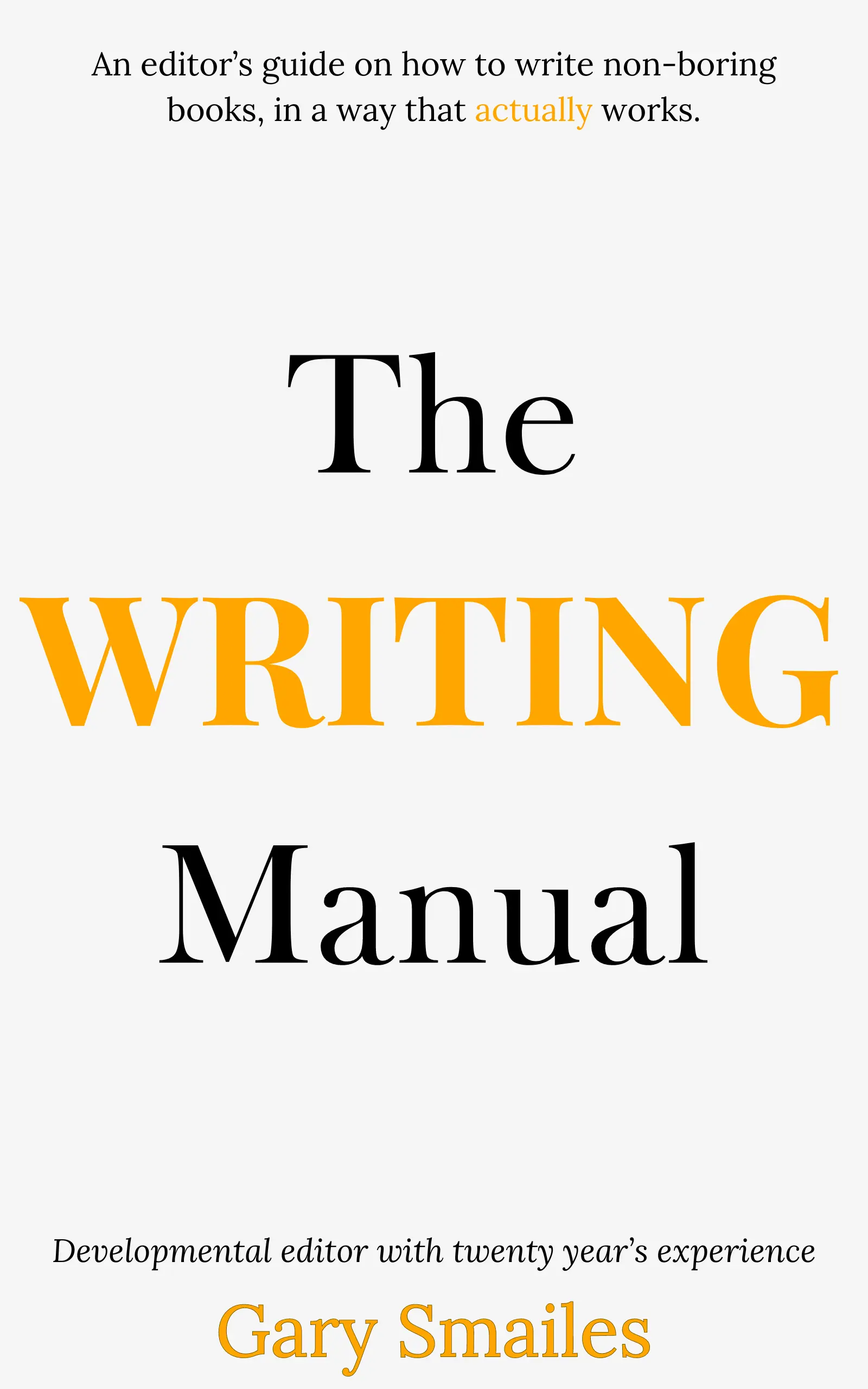
Download FREE ebook
Claim your free eBook today and join over 25,000 writers who have read and benefited from this ebook.
'It is probably one of the best books on writing I've read so far.' Miz Bent