How To Find A Literary Agent Who Believes In Your Book


Table of Contents
- Get Query-Ready: Position Your Book and Materials
- Research: Find Agents Likely to Champion Your Work
- Craft a Query Package That Resonates
- Outreach Strategy: Strategic Queries, Pitches, and Referrals
- The Call and Due Diligence: Confirm They Truly Believe
- Play the Long Game: Iterate, Improve, and Persist
- Frequently Asked Questions
Get Query-Ready: Position Your Book and Materials
Agents back books they grasp in under a minute. Your job is to make that minute count. Position first. Materials next. Then test everything.
Clarify category and reader promise
Pick a shelf before you write a word to an agent.
- Fiction: name genre and subgenre, then the core hook and stakes.
- Nonfiction: name the niche, the problem, the solution, and the outcome.
Two quick formulas:
- Fiction logline: When X happens, a Y has to do Z, or risk W.
- Example: When her father vanishes in Yellowstone, a rookie ranger has to decode his trail before a poacher silences the only witness, herself.
- Nonfiction promise: For [audience] facing [problem], this book offers [method] to achieve [outcome].
- Example: For new managers drowning in meetings, this book offers a four-step agenda system to reclaim time and raise team output.
Write the promise on a sticky note. Keep it to one sentence. If you need commas to explain it, the hook needs work.
Mini-check:
- Does your genre label match bookstore sections
- If a reader picks the book for the hook, what changes for them by the final page
Ensure product–market fit
Match the norms for your shelf. Word count, tone, comps, and reader expectation need to align.
Reference ranges:
- Adult romance: 70k to 90k
- Thriller and mystery: 80k to 100k
- Fantasy and SF: 90k to 120k
- Book club and literary: 70k to 100k
- YA: 60k to 85k
- Middle grade: 35k to 50k
- Memoir: 70k to 90k
- Prescriptive nonfiction: 55k to 75k
- Narrative nonfiction: 80k to 110k
Tone check:
- Romance needs hope and a central relationship.
- Thriller needs pressure, ticking choices, and clear stakes.
- Memoir needs authority over the experience and reflection that earns it.
- Prescriptive nonfiction needs proof and steps a reader can use next Monday.
If your numbers or tone drift, tighten scope or adjust structure before you query.
Prepare polished materials
Fiction needs a complete, revised manuscript. Not a draft in need of surgery. Line level clean. Big-picture sound.
Fiction packet:
- Manuscript complete and proofread
- Synopsis, one to two pages, present tense, full arc and ending
- First pages in scene, with a decision or conflict on page one
Opening tune-up:
- Cross out your first paragraph. If the page reads cleaner, keep it gone.
- Replace weather or waking up with a choice under pressure.
- Mark motives, goal, and obstacle in the margin. If you cannot mark all three, revise.
Nonfiction needs a full proposal. Show a reason to publish you, this idea, now.
Proposal parts:
- Overview with one-sentence hook and why now
- Audience and need, with credible size or access
- Competitive titles, five to eight, with differentiation
- Table of contents with clear progression
- Two standout sample chapters
- Author bio and platform, with numbers
- Marketing plan with channels and early validators
Your samples must feel like the book promised. Specific and useful. Clean structure. Voice on the page.
Build a comp-title set
Agents look for proof of demand and room for a fresh promise. Use five to eight comps from the last five to seven years.
How to find them:
- Walk a bookstore shelf and pull staff picks in your lane
- Read agency deal news
- Check author newsletters and reading lists in your niche
- Search by BISAC on retailer pages and follow side rails
Write comps like this:
- Same shelf, different promise, in one line each.
- Example: For fans of The Night Swim, this legal thriller centers on juror misconduct and a podcaster who served.
- Example: Readers of Atomic Habits will find a quarterly ritual for teams, not individuals.
What to avoid:
- Mega-bestsellers with no link to your angle
- Classics older than seven years
- Vague matches, such as good writing or strong female lead
Strengthen author platform where relevant
Fiction rises on story and voice. Platform helps, but story leads. Nonfiction needs proof you reach the audience or bring authority.
Pick two channels you can sustain. Then set small weekly targets.
Options:
- Email list, one lead magnet and a signup on your site
- Targeted essays or op-eds, one pitch a month
- Talks or workshops, one event per quarter
- Podcast guest spots, one outreach a week to niche shows
- Community leadership, host a monthly circle or forum thread
Track numbers:
- Subscribers, open rate
- Social reach in the niche that buys your books
- Speaking headcount and follow-up signups
- Podcast downloads per episode
- Endorsements from experts your reader trusts
Quality over vanity metrics. A small, specific audience beats a broad, idle one.
Run a readiness audit
Answer with yes or no. If you hesitate, fix before you query.
Positioning
- One-sentence pitch, strong and specific
- Category and subcategory match bookstore shelves
- Reader promise and transformation stated clearly
Fit
- Word count within norms for the shelf
- Comps recent and relevant
- Tone and stakes match reader expectation for the category
Materials
- Fiction: full manuscript revised, synopsis complete, opening in scene
- Nonfiction: proposal complete, samples strong, overview sharp
- File names clean and consistent across all docs
- Metadata aligned across query, synopsis, proposal, and title page
Proof
- Two blind beta readers confirm the hook in the first two sentences
- At least one person requests more pages after reading page one
- Critique partners flag no structural holes you left unresolved
Fast tests
- Read page one out loud. Underline every abstract phrase. Replace half with concrete actions.
- Print your synopsis. Circle the inciting incident, midpoint, and ending. If any circle stays empty, revise.
- For nonfiction, open sample chapter one. Count pages until the first practical step. Aim for page two or sooner.
Aim for clarity, proof, and a clean package. Then your query stops feeling like a wish. It reads like an offer.
Research: Find Agents Likely to Champion Your Work
Spray-and-pray wastes time. Target who loves your lane, sells your category, and speaks your language. Research turns a cold query into a warm conversation.
Map the ecosystem
Start with primary sources, then verify with data.
- Agency sites. Read submission guidelines, category lists, current clients, and deal news. Note open or closed status. Note page count rules and file types. Bookmark each profile page.
- Manuscript Wish List. Search by genre, comp titles, themes, tropes, and settings. Check post dates. Copy exact phrases agents use, then echo those priorities in your notes.
- QueryTracker. Review average response times, request rates, and comments. Sort by status to see recent activity for your category.
- Publishers Marketplace. Look up recent deals, editors approached, and genres sold. A subscription helps. Capture trends, such as a run on small-town thrillers or workplace memoirs.
- AALA member listings. Confirm membership, categories represented, and ethics code compliance.
Mini-task:
Pick one dream agent. Pull three data points from each source above. You should finish with a snapshot that reads like this: represents adult fantasy and historical, highlights folklore retellings, closed to queries last month, two recent deals in book club fiction, coached on a podcast about quiet novels with sharp stakes.
Study taste signals
You need a match on style, not only shelf. Read what the agent praises, and what draws a pass.
- Client lists. Read acknowledgments. Clients often describe editorial strengths. Note patterns, like voice-driven debuts or high-concept plots with tight timelines.
- Sales threads and deal posts. Who bought the books, which imprint, what positioning. Follow the editors on social to see overlapping taste.
- Interviews and podcasts. Listen for pet themes, recurring no-go topics, and approach to revision.
- Conference bios. Look for lines like seeking feminist horror or upmarket family sagas with multigenerational stakes.
- Social posts. Flag wish-list specifics, plus any pinned submission advice.
Two-sentence exercise:
- What excites this agent. Example, contemporary fantasy grounded in real cities, plus folklore elements.
- What earns a pass. Example, portal fantasy, long prologues, or animal POV.
Build a targeted list
Aim for 30 to 60 agents across a few agencies and imprints. Tier the list by fit.
- Tier 1. Bullseye taste, active in your subcategory, recent sales to editors you admire.
- Tier 2. Strong overlap, fewer recent deals in your lane, or newer agents with aggressive hunting.
- Tier 3. Broader interest set, slower response history, or limited notes on taste.
Track the following:
- Agent
- Agency
- Category represented
- Why fit
- Personalization hook
- Status
- Dates
- Notes on client overlap
Personalization that earns attention:
- I heard your interview with First Draft, where you mentioned locked-room thrillers with compassionate protagonists. My novel opens on a jury sequestration gone wrong.
- You represent Carla Ruiz, whose workplace memoir centers on union organizing. My proposal covers organizing in restaurant kitchens and includes case studies from three cities.
Avoid weak angles like loved your vibe or big fan of your Twitter. Tie your project to a stated interest or a client result.
Vet professionalism
Reputation matters. Protect your work, your time, and your future deals.
Green flags:
- AALA membership and a clear commission rate in line with norms
- No reading fees, and no requirement to hire in-house editors before representation
- Named agency contract, not a vague letter without terms
- Transparent submission process, including how editors are chosen
- A record of sales in your shelf, or mentorship under a senior agent with those sales
Red flags:
- Reading fees of any kind
- Pressure for an exclusive with no end date
- Refusal to discuss contract terms
- Pay-to-play arrangements with vanity presses
- Public rants at authors or editors, or bullying in replies
Consider career alignment
An agent is a business partner. Match strengths to your needs.
- Editorial forward. Deep notes, structural vision, line-level care. Great for debut work that shines with guidance, and for authors who enjoy close collaboration.
- Sales forward. Wide rolodex, fast submissions, sharp positioning. Great for projects with clean structure and a tight hook.
- Boutique agency. Lean roster, personal attention, fewer in-house departments.
- Large agency. Strong rights teams for foreign, audio, and film or TV, plus contracts and royalties departments.
Questions for your notes:
- Who handles foreign rights, in-house or through a co-agent
- Who handles audio and film or TV
- How many editors per round, and how many rounds per project
- Average response time after a client email
Action: build the tracker
Open a spreadsheet. Add these columns:
- Agent
- Agency
- Category
- Why fit
- Personalization hook
- Materials required
- Status
- Date sent
- Response date
- Outcome
- Notes on client overlap
Fill with real signals, not guesses. A sample row:
- Agent. Leah Kim
- Agency. River & Holt
- Category. Upmarket suspense, Asian diaspora focus
- Why fit. Recent sale of suburban noir to editor I admire, stated love for mother–daughter tension
- Personalization hook. Saw your MSWL request for HOA drama. My book centers on a neighborhood board coup
- Materials required. Query, first 10 pages pasted, 1-page synopsis
- Status. Ready for Batch 1
- Dates. Send on March 4
- Outcome. Pending
- Notes. Represents Mei Lin, whose debut hits similar social themes
Field test, fifteen minutes:
- Pick five agents from Tier 1. Write one sentence on why each belongs on the list, using a source link for proof.
- Pick two deal announcements from Publishers Marketplace. Note editor names. Add a column for likely editors for your book, based on overlap.
Now your outreach stops looking random. You walk in knowing who wants your work, why they want it, and how to start a professional conversation.
Craft a Query Package That Resonates
Agents skim fast. Your materials need to be clear, specific, and easy to say yes to. Each piece has one job. Let it do that job.
Write a tight query letter
Aim for one page. Four parts.
- Hook, one to two sentences. Give the premise and the stakes, no fluff.
- Pitch paragraph, or two if needed. For fiction, name the protagonist, goal, obstacle, consequence. For nonfiction, state the central argument and outcome for readers.
- Brief bio. Only details that serve this project.
- Comps. One or two recent, same shelf, different promise.
Fiction hook example
- A disgraced chef returns to her hometown to salvage a failing diner. A TV producer offers redemption if she exposes the recipe theft behind her fall.
Nonfiction hook example
- The Burnout Myth argues workplace fixes often target symptoms, not systems. Backed by original survey data from 2,300 nurses and case studies from three hospitals.
Fiction pitch template
- In 2 to 4 sentences, move from setup to conflict to stakes. Use names and concrete nouns. End with a choice or time pressure.
- Example: Maya needs the diner profitable in six weeks or her parents lose their house. The producer’s show thrives on public takedowns, which means Maya must accuse her former mentor on live TV. If she refuses, the show walks. If she agrees, the town turns on her.
Nonfiction pitch template
- Audience. Core need. Takeaways. Why you.
- Example: For mid-career professionals facing chronic overload, this book offers a systems-first playbook with scripts, checklists, and manager-facing templates. I led organizational design at Mercy West, speak to hospital leaders, and wrote for JAMA Network.
Bio
- Include awards, relevant degrees, publications, professional roles, and prior sales. Keep it short. Example: MFA, Tin House alum, essays in The Atlantic, former ICU nurse.
Comps
- Two books from the last five to seven years. Similar shelf, different angle. Example: For fans of Crying in H Mart and Heart Berries, this memoir focuses on caregiving within a Vietnamese American family.
Closer
- Word count, genre or category, series potential if real, and materials available. Thank the agent for reading.
Quick test
- Read the letter aloud in under one minute. If you trip, revise. If a stranger would link the hook to the stakes in one breath, you are close.
Personalization with purpose
Open with one line that proves you did your homework and belong on their list.
- Your MSWL mentions intergenerational memoirs rooted in the Midwest. My book follows three sisters in Milwaukee during the year their mother sells the house.
- In your conversation with First Draft, you praised locked-room thrillers with compassionate leads. My novel begins with a sequestered jury and a missing foreperson.
Skip filler like big fan of your Twitter. Tie your project to a stated taste, a client result, or a recent deal.
Synopsis that sells
Length, one to two pages. Present tense. Third person, even for first-person novels. No cliffhangers. Include the ending.
Structure for fiction
- Setup. Who, where, core desire.
- Inciting event.
- Rising action, two to three major turns.
- Midpoint shift.
- Dark moment.
- Climax and resolution.
One-line example
- Thief learns her brother informant works for the target. She takes the heist anyway to buy his safety. Betrayal, prison, final escape at a cost.
Structure for nonfiction
- Thesis in one sentence.
- Chapter-by-chapter promise, one or two lines per chapter.
- Research base, data sources, access.
- Outcomes for readers.
Checklist
- Names and key locations once, no cast list.
- Only turning points. Trim travel, meals, and weather.
- A clear last beat.
Sample pages built to hook
Agents decide off pages more than letters. Give them scene, voice, and momentum.
- Start in a present action with consequence for the protagonist.
- Ground the reader in person, place, desire, obstacle, and time.
- Cut backstory. Slip only what a reader needs to follow the scene.
- Write clean sentences. Strong verbs, concrete detail, specific diction. Dialogue with intent.
- Follow page and file rules with precision. If guidelines ask for five pages, send five.
First-page spot check
- First paragraph orients to a person and a problem.
- By page two, a choice or surprise arrives.
- Every paragraph earns its space.
- No dream openings, no long weather, no throat clearing.
Proposal polish for nonfiction
Your proposal works as proof of concept and sales plan.
- Overview. One page with thesis, scope, audience, and market position. Include why now in one or two sentences, with numbers if possible.
- Audience. Primary and secondary groups. Where they gather, what they buy, how they hear about new books.
- Competitive titles. Five to eight recent books with notes on overlap and separation.
- Author profile. Platform with metrics, speaking, bylines, endorsements in progress.
- Chapter outline. Logical progression, 1 to 3 lines per chapter, showing deliverability.
- Sample chapters. Two or three, fully revised. Voice aligned to the promise.
- Marketing plan. Practical steps you will execute, with dates or targets.
Clean formatting and consistency
Look professional. Remove friction.
- Font, Times New Roman or Arial, 12 pt, black.
- Spacing, double for manuscripts, single for query letters and synopses unless guidelines state otherwise.
- Margins, one inch. Page numbers on manuscripts and synopses.
- File names, LastName_Title_DocType. Example, Rivera_GlassHouse_Query.docx.
- Subject lines and attachments exactly as requested on the agency site.
- Metadata aligned across documents, title, category, word count, comps, contact info.
Before you send
- Confirm the agent’s name spelling and pronouns.
- Paste pages or attach files per directions.
- Test all links in your email and proposal.
Action: A/B test for traction
Treat this like product testing. Small batches, measured results.
- Build two query versions, different hooks or different comp sets. Keep the body stable.
- Send each version to a small group from your Tier 1 list. Track requests by version, not vibes.
- If requests fall under 10 to 15 percent, review the first five pages, not only the letter. Swap in a stronger opening scene. Tighten the hook. Rework comps for a closer shelf fit.
- Log every outcome in your tracker, date sent, response, request level, pass reasons if provided.
- Share with two trusted partners. Ask one question, where did interest dip. Revise once, then test again.
Your query package earns attention through clarity and proof of fit. Make each piece sharp, honest, and easy to act on. The right agent will see the promise because you made it simple to see.
Outreach Strategy: Strategic Queries, Pitches, and Referrals
You are not blasting emails into a void. You are running a focused sales effort for one product. Work in small, smart moves, then adjust.
Work in batches
Start with a tier of 8 to 12 agents who fit your project. Send, then pause.
- Wait two to four weeks to read the tea leaves. Log form passes, personal notes, partials, fulls.
- If requests lag, fix the pitch or pages before sending again.
- Keep Tier 2 and Tier 3 ready, ranked by fit.
Quick test
- Would you be happy to sign with everyone in Tier 1 today. If not, reshuffle.
Simple schedule example
- Week 1, send 10 queries.
- Week 3, review responses, adjust hook or opening scene.
- Week 4, send 10 more.
Follow every guideline
Agencies vary on format, length, and submission method. Treat each page on an agency site like a brief.
Checklist before sending
- Paste or attach pages, per instructions.
- Exact page count or word count requested.
- Query email subject line matched to wording on the site.
- Synopsis length matched to the range requested.
- Agent name spelled right, pronouns correct.
- File type accepted by the portal.
Mini exercise
- Open three target agents in new tabs. Highlight differences in page count, synopsis length, and subject line. Adjust each email before sending.
Conferences and consultations
Live pitch sessions help, but only when the work is ready. You want clear feedback or a request, not a polite brush-off.
How to use a 5 to 10 minute pitch slot
- Lead with a one sentence hook, then a two sentence pitch with stakes.
- Ask one question tied to their taste. Example, you mention interest in intergenerational drama. Would you read a small-town story with a legal case at the core.
- If invited, send pages within 48 hours with a subject line referencing the conference.
- No swag. No printed chapters. Respect event rules.
Query critiques offer precision. A 15 to 30 minute session with an agent or editor often surfaces one fix with outsized impact. Bring two versions of your hook, your first five pages, and one clear question.
Professional referrals
A warm intro raises your odds, but only when the work is submission-ready.
How to ask without awkwardness
- Choose someone who knows your work or your field.
- Send a short email they can forward.
Template
Subject: Possible intro to [Agent Name] for [Project Title]
Hi [Name],
I hope you are well. I am seeking representation for [Title], a [genre/category] at [word count]. One sentence hook here. Two sentence pitch with stakes here.
Would you feel comfortable forwarding my query to [Agent Name]. No pressure at all. If yes, I will send a clean email you can pass along, plus the first pages if useful.
Thank you,
[Your Name]
[Link to site or portfolio]
Make it easy to say yes or no. A graceful no keeps the door open later.
Online visibility that supports your pitch
Show traction where your readers gather. Publish an essay, excerpt, or thought piece linked to your book’s topic. Aim for outlets your audience reads, such as niche newsletters, trade publications, or literary magazines.
Practical steps
- Write one strong piece that proves voice and authority.
- Place it, then add a link in your query bio and email signature.
- Update your site with a one sentence pitch, short bio, and contact form.
- Capture emails with a simple sign-up. One sentence on what subscribers will receive.
Nudge etiquette
Agents read in volume. Respect their process.
- Nudge only with an offer in hand or when guidelines invite follow-ups after a set window.
- Offer in hand email, keep it short.
Template
Subject: Offer of representation for [Title]
Hi [Agent Name],
Thank you for considering [Title]. I received an offer of representation and hope to give everyone reading a fair chance to respond. If you would like to review, I am happy to send the full. My deadline is [date].
Best,
[Your Name]
[Contact info]
- If you accept another offer, close the loop. Thank others for their time and withdraw.
Action: build a 6 to 8 week query cycle
Treat outreach like iterative testing. Fewer moves, more learning.
- Week 1, Batch 1 to 8 to 12 agents. Log everything in a tracker.
- Week 2, wait. Work on the next project. Publish a short piece or line up a critique.
- Week 3, read results. If requests fall under 10 to 15 percent, revise the first five pages or the hook. Do not send Batch 2 yet.
- Week 4, A or B test two subject lines or comp pairs with a small set. Choose the higher performer.
- Week 5, Batch 2 goes out with revisions.
- Week 6 to 8, repeat the review cycle. Promote any new bylines in your bio.
What to log
- Date sent. Agent. Agency. Why fit. Personalization hook. Materials requested. Result. Date of response. Notes on pass language.
This stage is where discipline pays off. Clear systems, clean pitches, steady follow-through. You will surface agents who respond to your voice, then you will give them the easiest yes of their week.
The Call and Due Diligence: Confirm They Truly Believe
You reached the real conversation. The call gives you evidence, not vibes. Use the time to test belief plus plan. Clarity wins.
Signs of conviction
Look for specifics, not cheerleading.
- Editorial vision in plain language. Move the opening scene into action. Trim backstory in chapter two. Sharpen stakes for the midpoint choice.
- Named editors and imprints, with reasons. “Alexis at Riverhead likes intimate suspense with social bite.” “Priya at Berkley wants high-concept rom-coms with workplace settings.”
- A submission map. First round size. Timing. How many rounds before a rethink.
- Timeline for revisions. What to change. How much time they expect you to need. How long they will need for notes and line reads.
- Rights thinking. Foreign, audio, film or TV, and which co-agents or in-house teams handle those.
A quick story from my side of the desk. One writer heard two versions of belief. Agent A offered praise and a promise to “send wide.” No editors named. No edit notes. Agent B offered a one-page memo on fixes, plus eight editors with personal angles. The writer signed with B. An offer landed on round one.
Questions worth asking
Bring a short list. Keep a pen nearby. Ask follow-ups until answers feel solid.
Editorial approach
- How hands-on are you during revision.
- What changes feel essential before submission.
- Do you provide an edit letter, margin notes, or both.
- How many passes do you prefer before submission.
Submission strategy
- Which editors and imprints fit this project, and why.
- How many editors in round one.
- How long do you wait between rounds.
- What triggers a pivot in strategy.
Communication
- Preferred channel for quick questions, email, phone, or a portal.
- Average response time during revision and during submission.
- Frequency of status updates once on submission.
Rights and reach
- Foreign rights in-house or via co-agents. Which territories see strong interest for this category.
- Audio strategy, separate deal or bundled.
- Film and TV partners and process.
Terms and money
- Commission percentages for domestic, foreign, audio, film or TV.
- Expense policy, what qualifies, who approves, and when reimbursement happens.
- Payment flow, who receives funds first, and how fast transfers go out.
- Termination clause, notice period, handover process, and any sunset clause on commissions for past deals.
Career view
- Vision for your next book or proposal.
- How they support brand building, events, essays, newsletters.
- How they handle conflicts across clients within the same subgenre.
Read the room
You will work through hard notes and quiet months together. Fit matters.
- Do you feel heard. Do answers track with your goals.
- Does the agent speak plainly about challenges as well as strengths.
- Do you leave with energy to revise, not confusion.
Try a quick gut check after you hang up. Write three lines: one win, one worry, one open question. Send a short follow-up for the open question within a day while details remain fresh.
Reference checks
Ask for two or three client names across a range, debut, midlist, break-out. Then reach out with respect for time.
Questions for clients
- How responsive is this agent during quiet periods.
- What kind of edit notes arrive, and how clear are those notes.
- During submission, how frequent were updates.
- Describe a setback and how advocacy showed up.
- Any surprises on contracts, money, or rights.
- Would you sign again.
Listen for patterns, not outliers. One rough story happens in every career. Repeated themes point to truth.
Red flags
Know the dealbreakers before offers arrive.
- Reading fees or paid edits tied to representation.
- Vague plans, no editors named, no timeline.
- Pressure to sign on the call.
- Reluctance to share contract terms for review.
- Weak category fit for your shelf.
- Bad-mouthing other agents or editors.
- Confusion over who holds subsidiary rights.
The paperwork, line by line
Ask for the agency agreement and a recap email of the proposed revision path. Read slowly. Ask questions before signing.
Key clauses to review
- Scope of representation, which projects fall under the agreement.
- Commission breakdowns by market.
- Expenses, caps, pre-approval, and accounting reports.
- Term and termination, notice period, and commission on deals originated during representation.
- Assignment or change-of-agent process within the agency.
- Authority to endorse checks and process payments.
- Agent-of-record language for licenses that continue after parting ways.
If anything feels unclear, request an annotated copy or a call to walk through clauses. No guilt. Professional agents expect this level of care.
After the call
Multiple offers bring joy and pressure. Set a decision window, seven to ten days works for most timelines. Tell every agent where you stand, with respect for reading time.
Template, request for agreement and recap
Subject: Next steps for [Title]
Hi [Agent Name],
Thank you for the thoughtful conversation today. I would love a brief recap of proposed revisions plus a copy of the agency agreement for review. A decision window of [date] works on my end. Please let me know if that timing poses a problem.
Gratefully,
[Your Name]
[Contact info]
Template, offer notification to others
Subject: Offer of representation for [Title]
Hi [Agent Name],
Thank you for considering my work. I received an offer of representation and plan to decide by [date]. If interest remains, I would be happy to share the full and any updates requested.
Warmly,
[Your Name]
[Contact info]
Compare offers with a simple scorecard
- Editorial partnership, strength of notes and alignment.
- Submission plan, editors named and logic.
- Communication, clarity and cadence.
- Rights reach, foreign, audio, film or TV support.
- Contract terms, fairness and transparency.
- Gut feel, energy after each call.
Aim for belief backed by a plan. You want a partner who knows where to send your book, how to make pages stronger, and how to stand by you when the room gets loud or quiet. Choose the relationship that sets you up for a long run, not a quick high.
Play the Long Game: Iterate, Improve, and Persist
Publishing rewards stamina and smart tweaks. Patience helps. Systems help more.
Treat feedback as leverage
An R&R means interest. An agent or editor saw promise and wants proof of lift. Take a breath. Then move with intention.
- Diagnose root causes. Is the issue pace, stakes, voice, structure, or market fit. Label the problem in one clear sentence.
- Build a short plan. Three to five targeted fixes. Scope, pages or chapters affected. Order of operations.
- Work from macro to micro. Scene order first. Then beats within scenes. Lines last.
- Track changes in a brief memo. One page works. Open with the core problem you addressed. List each change with page ranges. Close with outcomes, sharper arc, clearer promise, stronger hook.
Example memo opener
- Goal: Strengthen midpoint stakes and clarify antagonist motive.
- Actions: Moved Chapter 8 before Chapter 6 to tighten cause and effect. Cut 1,200 words of backstory in early chapters. Added a public consequence after the midpoint reveal.
- Results: Protagonist choice now costs something visible. Momentum holds through Chapter 15.
Send the memo with the revision. Professional, focused, and easy to parse. That tone builds trust.
Expand selectively
Low request rates tell a story. Read the data before sending more.
Quick triage
- If full requests sit below 10 percent, revisit the opening pages. Page one must land in scene. Give a person, a goal, and pressure.
- If partials outnumber fulls by a wide margin, the pitch works while pages lag. Address voice, clarity, or stakes across chapters one through three.
- If no bites at all, review category and comps. Shelf placement might miss the mark.
Two-week refresh plan
- Swap the first page with a scene that carries tension from line one.
- Rethink comps. Choose recent titles from the same shelf which show demand and difference.
- Tighten the query. One hook, one paragraph of plot or argument, one short bio.
Then send a smaller next batch. Eight to twelve agents. Track outcomes. Adjust again. Volume without learning burns good prospects.
Build momentum between batches
Queries move faster when third-party proof piles up. Give readers reasons to believe.
Small wins, big signals
- Place one essay tied to your theme in a venue where your readers gather. Before pitching, read recent pieces and mirror style and length.
- Speak at a library, school, or niche meetup. Collect emails. Share a simple resource linked to your book’s promise.
- Ask two subject-matter experts for short endorsements on pages, even private notes. Use a line or two in your bio during queries.
- Host a short Q&A on a platform your audience uses, Reddit, Discord, or a focused Facebook group. Summarize takeaways in a thread or newsletter.
- Recruit early readers from your intended audience. Offer a short survey. Learn which elements struck a chord.
Pick one effort per month. Repeat. Slow, steady proof beats a single viral moment.
Start the next project
A new manuscript or proposal brings fresh energy. Pressure on the first book drops. Range expands. Fit improves across more lists.
Try this quick chooser
- Write three one-sentence pitches, each with a clear hook and reader promise.
- Show those to two trusted peers. Ask which premise sparks questions.
- Draft a one-page outline for the winner. Keep momentum with a simple target, five pages per weekday or one scene per day.
Working on the next thing keeps your voice limber. Agents like writers with a pipeline and a plan.
Protect your career
Predators circle around writer dreams. Know the signs.
Hard rules
- No reading fees tied to representation. Paid editorial services must sit apart from agency offers.
- No pressure to sign without time to review terms.
- No vague promises about film, foreign, or audio rights without clear partners.
- No ownership grabs on future work outside the contracted project.
Due diligence
- Search AALA member listings for names and agencies.
- Read Writer Beware and community threads on Absolute Write or similar forums.
- Ask for a sample agency agreement before signing. Seek clarity on scope, commissions, expenses, and termination.
Trust your gut plus facts. When something feels off, pause and ask more questions.
Action: set goals and stay accountable
Hope helps. A schedule does more.
Quarterly plan, simple and ruthless
- Output goals, pages drafted, hours revised, or proposals sections completed.
- Outreach goals, queries sent, venues pitched for essays, events requested.
- Platform goals, email subscribers added, posts linked to your topic, endorsements secured.
Metrics to watch
- Request rate for partials and fulls.
- Conversion from partial to full.
- Response time patterns by tier of agents.
Set a recurring check-in with a critique partner or small group. Thirty minutes every two weeks works. Share one page of progress and one snag. End with one promise before the next meeting.
A quick scoreboard
- Week 1, revise chapters 1–3, send Batch 2 to ten agents, pitch one essay.
- Week 3, gather feedback from two early readers, update comps, schedule one talk.
- Week 5, refine query based on data, draft five pages of the new project, follow up on pitched venues.
Persistence looks boring from the outside. Inside, you steer by numbers, not noise. Keep improving the work. Keep tuning the pitch. Keep building proof. The writer who lasts wins.
Frequently Asked Questions
How do I know my manuscript is truly query‑ready?
Run a short readiness audit: can you state a one‑sentence pitch that names the audience and outcome, does your word count sit in the shelf norms, and do your comps come from the last five to seven years. For fiction, ensure the manuscript is complete and line‑polished; for nonfiction, have a full proposal with TOC, two sample chapters and platform metrics.
Fast tests to apply today: read page one aloud and check whether a stranger can repeat your hook, and have two blind beta readers confirm the promise in the first two sentences — if either fails, tighten hook, structure or category before querying.
What is the difference between a developmental edit and an editorial letter?
A developmental edit is the big‑picture pass that reshapes structure, stakes, character arcs or the argument spine; an editorial letter is the concentrated deliverable from that pass — a 3–8 page roadmap that explains why problems exist and how to fix them. Look for concrete triage (Must, Should, Could), page references and sample rewrites to tell the difference between light feedback and a study‑worthy developmental edit.
If the letter focuses first on structure, reader promise and market positioning rather than commas, you have the kind of feedback that teaches and shortens future passes.
How do I prepare a nonfiction book proposal that convinces agents?
Follow a clear structure: an overview with a one‑sentence hook and “why now”, an audience section with evidence, five to eight recent comps with differentiation, a tightened TOC with two–four line chapter blurbs, two standout sample chapters, and a quantified platform and marketing plan. Show the reader outcome early and include measurable targets like “six current comps” or “hook in the first two sentences.”
Agents want proof you can deliver and reach readers, so include platform stats (email list, podcast downloads, speaking reach), a one‑page marketing calendar and a revision/launch timeline to demonstrate execution readiness.
Where do I find and vet agents likely to champion my work?
Map the ecosystem using agency sites, Manuscript Wish List, QueryTracker and Publishers Marketplace; build a spreadsheet and tier agents by fit (bullseye, strong overlap, wider interest). Capture taste signals—client lists, interviews, podcasts—and create a short personalization hook tied to a stated preference or recent deal.
Vet professionalism: avoid reading fees, check membership (AALA), request client references, and look for transparent submission processes. A targeted list of 30–60 agents with Tier 1 batched outreach increases the chance of warm conversations rather than random blasts.
What should I ask and check on an agent call to confirm they truly believe in my book?
Look for specificity: named editors and imprints, an editorial vision with concrete suggested changes, a submission map and a realistic timeline. Ask how hands‑on they are, which editors they would target and how they handle foreign/audio/film rights, commission splits and expenses.
Request client references and review a sample agency agreement line by line. If the agent offers a clear revision plan plus named editors, that signals genuine belief; vague promises with no names are a red flag.
My request rate is low — how do I improve query traction?
Treat queries like product tests: A/B test two query versions (different hooks or comp sets) on small batches, then analyse results. If partials are high but fulls low, refresh pages 1–3 for voice, stakes and clarity; if no interest at all, retune the category, comps and one‑line promise before expanding outreach.
Small, measured moves work: swap in a stronger opening scene, tighten your hook to a single‑sentence reader promise, refine comps to recent, relevant titles, and re‑send a revised Batch 2 of 8–12 agents rather than mass mailing the same package.
Which tools and targets should I use to measure revision progress?
Use visible tools: reverse‑outlines, scene cards (purpose, conflict, turn), a POV tracker and a simple decision log. Apply the Issue → Evidence → Impact → Fix grid to every major note so fixes are testable and repeatable. Set quantifiable targets like “inciting incident within 30 pages”, “TOC under 16 chapters” or “hook in first two sentences.”
Score progress with a traffic‑light checklist and validate each pass with cold readers or timed tests; numbers and short validation loops turn vague revisions into measurable gains you can verify before the next submission round.
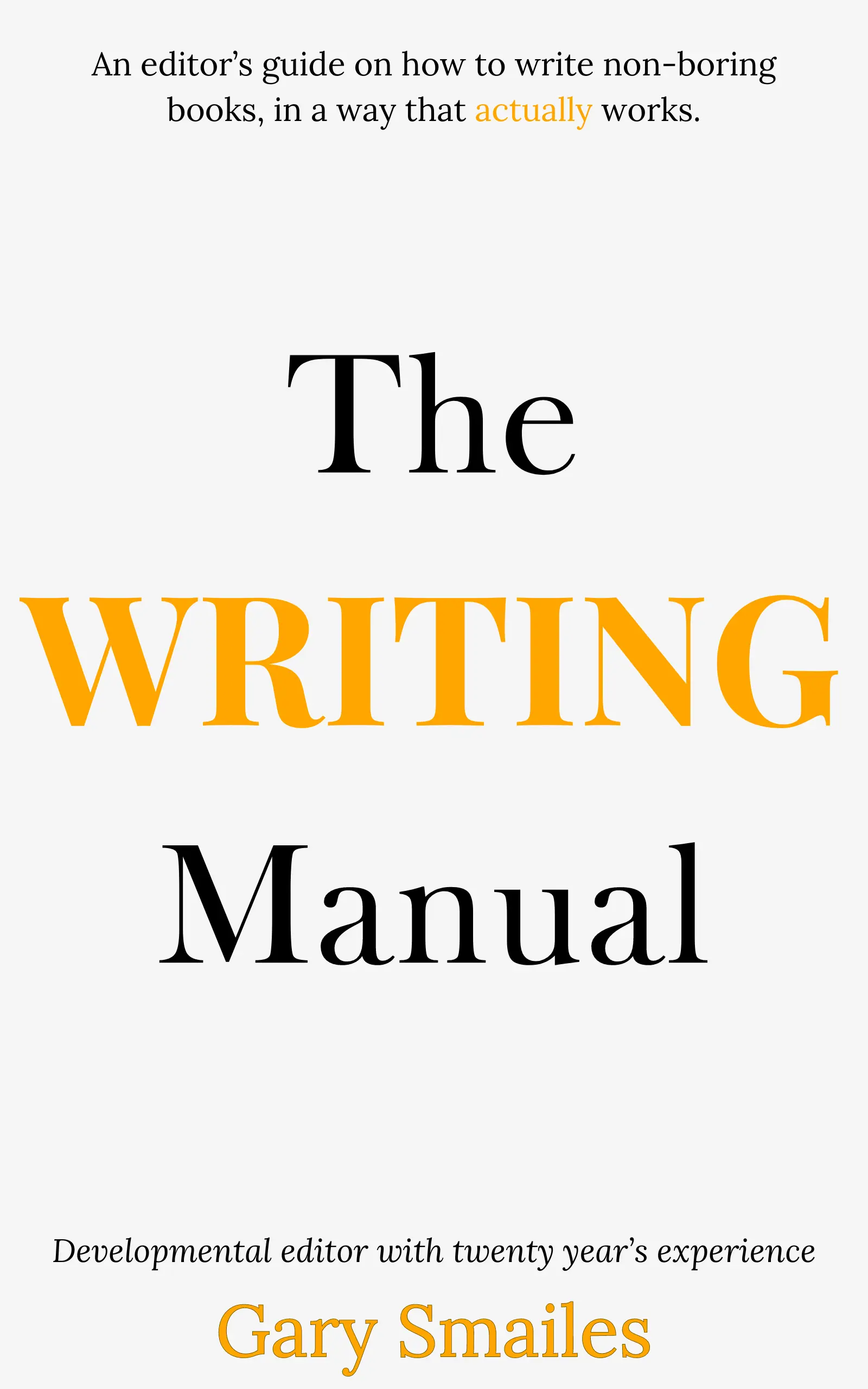
Download FREE ebook
Claim your free eBook today and join over 25,000 writers who have read and benefited from this ebook.
'It is probably one of the best books on writing I've read so far.' Miz Bent