What Literary Agents Look For In A Manuscript


Table of Contents
Market Fit and Concept Clarity
Agents scan for market fit in seconds. When a concept clicks, pages survive. When a concept wobbles, pages sink, no matter how clean the prose.
Lead with a sharp hook
Fiction lives or dies on one line: protagonist, goal, obstacle, stakes.
- "A disgraced surgeon seeks redemption by running a rural clinic, until a cartel boss claims the town and turns patients into leverage."
- "A timid archivist hunts a forged treaty before a land deal wipes out her community, while a charming historian blocks every step."
Nonfiction relies on problem, promise, audience.
- "Burnout relief for ICU nurses, a 30‑day plan built for shift work."
- "A pricing playbook for indie retailers, tested tactics from stores that grew profits during downturns."
Keep names and worldbuilding out of the hook unless fame or setting sells the book on its own. Clarity beats lore.
Declare your category and subgenre
Agents think in shelves. Align with retailer menus readers browse, not a vibe in your head.
Use concrete labels:
- Adult fantasy, gaslamp fantasy
- Thriller, psychological
- Romance, small‑town contemporary
- Narrative nonfiction, adventure travel
- Memoir, medical
Add BISAC or Thema terms in your query metadata or proposal. One primary category, one tight subcategory. Stray categories confuse positioning and comps.
Quick exercise: open a major retailer, find the top lists for your lane, and pick the single best shelf for your book. If two shelves fit, choose the one with buyers, not the one with ego points.
Hit commercial word counts
Ranges signal professionalism and sales awareness.
- Adult contemporary: 80 to 100k
- Romance: 70 to 90k
- Thriller: 75 to 95k
- Epic fantasy: 90 to 120k
- Memoir: 70 to 90k
- Narrative nonfiction: 70 to 100k
- Middle grade: 35 to 55k
Overlength often hides structural drift or indulgent backstory. Underlength often hides thin stakes or missing scenes. Trim or expand before querying. A strong sample still faces hard math at acquisitions, where printing costs and price bands rule.
Choose smart comp titles
Present two or three recent comps from the last two to three years. Match tone, audience, and shelf. Skip mega‑phenomena and films. Agents need a realistic sales lane, not lightning in a bottle.
Right:
- "For readers of The Last House on Needless Street and The Push, with a rural Midwest setting."
- "For fans of Emily Henry's humor and Abby Jimenez's heart, with an older‑protagonist romance."
Wrong:
- "For fans of Harry Potter and Marvel movies."
- "Like Gone Girl, but better."
Sourcing ideas:
- Publisher catalogs and seasonal lineups
- Edelweiss and NetGalley frontlists
- Retailer Top 100 lists in your exact shelf
- Agent deal announcements and imprint socials
Use comps to signal performance level and reader expectations, not to brag.
Promise something familiar, then twist
Readers buy a promise. Agents look for a fresh spin on a trusted frame.
One‑sentence USP templates:
- "A locked‑room mystery on a Mars research outpost, told through maintenance logs."
- "A grief memoir structured as a family cookbook, with recipes driving scene order."
- "A workplace romance where rivals run a funeral home during a pandemic shift."
Fill‑in prompt: "Readers who love [familiar element] get [fresh angle] through [specific device or lens]."
Fresh comes from specificity. Swap "unique magic system" for "body‑clock magic tied to sleep cycles." Swap "strong female lead" for "pregnant homicide detective in her third trimester."
Sanity‑check with the market
Write a one to two line elevator pitch. Read it aloud. No throat clearing. No life story. If breath runs out, the hook needs slimming.
Then reality‑check:
- Open retailer Top 100 lists for your shelf. Does your pitch feel at home among current leaders, not off‑brand outliers
- Scan publisher catalogs in your lane. Does your concept echo present trends without chasing yesterday's fad
- Compare word count to leaders. Close enough to price well
- Compare comps by date and tone. Recent and relevant
If answers lean soft, adjust the angle. Maybe the hook hides the real engine. Maybe the subgenre label needs a switch. Maybe the stakes need daylight.
Common missteps to avoid
- Laundry‑list hooks with three names, two timelines, and no stakes
- Category soup, like YA voice glued to adult themes
- A memoir pitch focused on events, no reflection or takeaway
- Out‑of‑range word counts that signal revision avoidance
- Comps older than three years or comps drawn from screen, not shelves
A quick drill
- Draft three hook lines. Pick the tightest.
- Write one shelf line: "Adult thriller, psychological."
- Set a target word count based on range.
- List two recent comps with pub years.
- Draft one USP sentence with a clear twist.
- Read all of the above aloud. Trim until each line snaps.
Agents hunt for proof of fit. Show a sharp hook, a shelf, a realistic length, smart comps, and a twist that earns attention. Do that, and a full request moves from wish to likelihood.
Voice, Prose, and Page-Level Excellence
Agents feel your pages before they think about them. Voice hits first. Rhythm follows. Clarity brings the yes.
Keep voice and POV steady
Voice is choices. Diction, rhythm, attitude on the line. Pick one lens and stay inside it. If you write third person limited, stay glued to one mind per scene. No sudden access to someone else’s private thoughts. Readers sense a camera jump.
Watch for tense wobble. Pick past or present. Hold to it.
Head-hopping example, then fix:
- Wrong: Lena admired the mark on Jake’s wrist. Jake hated when people stared. He wondered if she would ask about it.
- Right: Lena clocked the pale scar on Jake’s wrist and looked away. She traced the rim of her cup. Ask, do not ask. Jake turned the mug so the scar faced his lap. He smiled without teeth.
One scene. One mind at a time. Interiority belongs to the viewpoint character.
Show, do not explain
Explanation flattens story. Evidence animates it.
Telling:
- “Mara felt nervous about the interview. The manager seemed intimidating.”
Showing:
- The chair squeaked when Mara sat. Her palms left damp ovals on the portfolio. The manager tapped a capped pen against a list, never smiled.
Use concrete detail. Choose precise verbs. Swap “walked” for “limped, drifted, strode, shuffled.” Choose one that fits the moment. Trim qualifiers and hedging. They blur intent.
Subtext in dialogue beats statements of theme. Instead of “I am angry with you,” try action and implication.
- On-the-nose: “I am angry because you forgot my birthday, which means you do not value me.”
- Subtext: He slid the wrapped gift over. Late. She set it on the counter beside last night’s cold takeout and folded the receipt into a square.
Readers read between lines when you give them signals. Trust them.
Line-level clarity
Sentences should breathe. Mix short and long. Vary openings. Prune throat clearing. Start where heat begins.
Cluttered:
- “There was a sense of tension in the room as everyone was looking toward the door which opened slowly with a creak as if to announce the presence of someone important.”
Clean:
- Tension pressed the room. Every gaze snapped to the door. The hinges creaked. Someone important stepped in.
Paragraphs carry beats. One idea per unit. White space is pacing. If your paragraph runs half a page, ask why.
Smooth transitions keep readers upright. Use threads. A repeated object. A question carried across a scene break. Do not rely on adverbs to glue fragments. Use logic and image.
Mini exercise:
- Take one page.
- Circle three verbs. Replace each with a sharper choice.
- Cut three filler phrases. Read aloud. Mark where breath catches. Fix those spots.
Dialogue with purpose
Dialogue should reveal character and move plot. Skip exposition dumps and “as you know” exchanges. If both parties know the info, they would not say it.
Dump:
- “As you know, sister, our late father left the winery to me, and your gambling problem ruined last harvest.”
Purposeful:
- “Keys.” Nora held out her palm.
- “To my own office? Cute.”
- “To the cellar. I changed locks. After last September, I am not risking another cash barrel run.”
Layer beats between lines. A glance at the door. A phone face down. A hand on the sink rim, whitening knuckles. Let the body argue while mouths try to stay polite.
Trim dialogue tags. “Said” disappears. Fancy tags draw attention. Use action beats to anchor speakers and mood.
Landing the opening
Start in scene. A person wants something concrete. Something blocks them. Micro-tension pulls the eye forward. You do not need a gunshot on page one. You do need a question in the reader’s mind.
Skip dream openings. Skip car rides unless the car ride explodes. Do not front-load backstory. Let history leak through choice and consequence.
A few clean starts:
- A waiter steals a coat from the check room to cover rent, then the owner arrives early.
- A botanist enters a locked greenhouse and finds soil raked smooth, no prints, one glove left on a hook.
- A mom in a custody lobby watches the second hand crawl, fingers a crayon in her pocket, decides whether to lie.
Each gives a goal, a hitch, and a reason to turn the page.
Action: raise the line
- Do a focused line edit pass. Hunt weak verbs, filler, hedge words, echoing phrases, bloated prepositional chains. Swap filters like “she noticed” or “he realized” for the raw observation.
- Read aloud. Mark any stumble, any place your mouth resists. Fix for flow and sense.
- Run a “first 10 pages” test. Give pages to two cold readers who enjoy your shelf. Ask three questions: where did you stop, why, and who did you care about. No coaching. Notes only.
- Revise, then repeat once.
Precision on the line signals authority. A strong voice convinces busy gatekeepers to lean in, sit down, and keep going. Keep the lens steady. Put truth on the page with detail and clean rhythm. Your pages will do the work.
Structure, Stakes, and Reader Payoff
Structure sells confidence. Stakes sell urgency. Payoff builds trust.
Fiction: spine, beats, and cause and effect
Start with goal, motivation, conflict. Protagonist wants something concrete, for a pressing reason, against a barrier that pushes back. Tension rises when each move brings cost.
Place the inciting event near 10 percent. A change lands, and the old plan fails. At midpoint, the path flips. New knowledge arrives, or power shifts. Near the end, the climax answers the core question. Yes or no. Win or lose. After that, a short beat for consequence and breath.
Causality glues scenes. Not this happened, then this happened. This happened, therefore the next thing followed. Or, this happened, but a new problem blocked progress.
Quick pass using the therefore or but test:
- Write one line per scene.
- Between lines, insert therefore or but. If and then shows up, links feel weak.
Mini example:
- Goal: Dani wants her old job back.
- Motivation: rent due, kid needs braces.
- Conflict: a rival controls access to the boss.
- Inciting event: Dani sees a posting that matches her skills. The rival schedules Dani for the worst time slot.
- Midpoint: Dani learns the rival faked credentials.
- Climax: Dani risks reporting fraud, which might burn every bridge. The boss fires the rival, hires Dani, and sets new terms.
Every step triggers the next step. Pressure climbs. Cost rises.
Character arcs and genre promise
Readers invest in change. Arc shape varies by genre, yet payoff must honor the promise on the cover.
- Romance: a happy ending or happy for now. Partners choose each other and earn that choice.
- Mystery: truth wins, order returns, or a price gets paid for justice.
- Thriller: threat gets contained, hero carries scars, wider harm gets stopped.
- Fantasy: world balance shifts, a realm gets saved or reshaped, personal cost lands.
- Horror: survival with damage, or downfall that feels inevitable.
Track inner shifts with outer action. Courage replaces avoidance. Honesty replaces denial. Pride yields to trust. Mark those turns with choices under stress, not speeches.
Scene intent and value change
Give every scene a purpose. A scene should move a needle. Power, trust, danger, hope, respect, money. Choose the value, then change it.
Flat scene:
- Two siblings talk in a kitchen about a will. Old news, no risk, no turn.
Alive scene:
- Nora arrives to sign papers. Finds her brother hosting buyers in secret. She pockets the spare key, then smiles through tea. Trust drops. Power tilts.
End scenes with a hook. A new question, a fresh problem, a decision that feels risky. Readers turn pages for answers, not summaries.
Checklist for a scene pass:
- What does the viewpoint character want here.
- What blocks progress.
- Which value shifts by the end.
- What question pulls readers forward.
Prescriptive nonfiction: promise, proof, and usefulness
Open with a tight thesis. One sentence, clear benefit, named audience. For example: A four-week strength plan for new mothers with no gym access.
Lay out a roadmap. Chapters build in logical order. Each one solves a step toward the promise.
Proof matters. Use recent data, case studies, field notes, and clear sourcing. Short callouts for key takeaways help busy readers act.
Voice signals authority and care. Speak to pain points without scolding. Respect readers’ time. Avoid fluff. End chapters with actions, checklists, or scripts. Readers should do something different after each chapter.
Sample skeleton:
- Chapter 1: Define the problem and set scope.
- Chapter 2: Quick wins.
- Chapter 3: Foundations and principles.
- Chapter 4: Tools and templates.
- Chapter 5: Common mistakes and fixes.
- Chapter 6: Advanced tactics and next steps.
- Resources and index.
Memoir: spine, reflection, and ethics
Memoir needs a narrative spine, not a scrapbook. Choose a central question. For example: How a teacher rebuilt a life after a public firing. Then select scenes which drive that question toward an answer.
Balance scene and reflection. Show what happened, then reflect with perspective. Reflection adds meaning beyond events. Readers seek recognition, not a diary.
Handle real people with care. Change names when needed. Compress timelines only when truth survives the edit. Avoid revenge on the page. If harm appears, show context. Consider legal review for high-risk material.
Prompt for focus:
- One-sentence spine: This memoir shows X pursuit, through Y period, to reach Z understanding.
- Five turning scenes which forced change.
- Five moments of reflection which give readers a universal takeaway.
Action: build momentum and expose gaps
- Map beats with a framework you trust. Save the Cat. Story Grid. Three-Act. Snowflake. Any solid tool works if discipline holds. Write beats in plain language first.
- Draft a one-page synopsis. Present major beats in order, including the ending. No hedging. Holes reveal themselves when summary stalls.
- Revise for momentum. Trim detours. Push stakes higher earlier. Strengthen links with therefore or but. Check scene value shifts.
- Run a timeline check. Dates, ages, travel times, weather. Precision prevents reader whiplash.
Strong structure teaches agents to relax. Rising stakes keep attention locked. A clean payoff earns faith in your name on the next project.
Professional Polish and Submission Readiness
Sloppy presentation kills good writing. Polish signals professionalism before the agent reads a single scene.
Standard manuscript format: the invisible foundation
Format matters because agents read dozens of manuscripts weekly. Clean presentation reduces eye strain and removes barriers between reader and story.
Use 12-point Times New Roman, Garamond, or another serif font. Double-space everything. Set 1-inch margins on all sides. Indent paragraphs with the tab key, not multiple spaces. Number pages in the header or footer. Include your last name and manuscript title on each page.
Start chapters halfway down the page. Mark scene breaks with three centered asterisks or pound signs (###). No fancy fonts, colored text, or decorative elements. Resist the urge to make your manuscript "stand out" visually. The words do that work.
Save space by avoiding extra line breaks between paragraphs. Double-spacing handles readability. Agents notice bloated page counts from unnecessary formatting.
For electronic submissions, use standard paragraph indents. Avoid block formatting with line breaks between paragraphs unless submission guidelines specify otherwise.
Zero tolerance for presentation errors
Track Changes and comments scream "unfinished draft." Remove all editorial markup before submission. Delete stray highlighting, weird spacing, and random font changes.
Export a fresh copy from your master file. Hidden formatting glitches survive copy-paste operations. A clean export prevents mysterious line breaks and font shifts that distract readers.
Check page numbers. Verify chapter titles match your synopsis. Run spell-check, but don't trust it completely. "Their" passes spell-check when you meant "there."
Read the first page aloud after formatting. Awkward line breaks and spacing issues reveal themselves in speech.
Editorial readiness: layers of revision
Submit only finished work. Agents assume your best effort lives in the query package.
Start with developmental feedback from beta readers or critique partners. Address big-picture issues: pacing, character arcs, plot holes, structural problems. Fix major story issues before line editing.
Next, tackle line editing and copyediting. Check sentence flow, word choice, and clarity. Remove filler words. Strengthen weak verbs. Polish dialogue tags and action beats.
Create a style sheet. Track character names, spellings, ages, physical descriptions, and timeline details. Note capitalization choices for invented terms, places, or organizations. Consistency builds reader trust.
Final step: proofreading. Hunt typos, punctuation errors, and formatting glitches. Read backward sentence by sentence to catch mistakes your brain autocorrects during normal reading.
Consider professional editing if budget allows, but understand the difference between developmental editing (big picture) and copyediting (sentence level). Most manuscripts need both before submission.
Rights and permissions: legal housekeeping
Secure permissions for song lyrics, extensive quotes from other works, and lengthy passages from news articles or academic sources. Fair use covers brief quotes for commentary or criticism, but substantial excerpts need permission.
For nonfiction, cite sources properly. Include a bibliography or source notes section. Double-check facts, dates, and statistics. Agents notice factual errors and worry about liability.
Consider disclaimer language for memoir or narrative nonfiction: "Some names and identifying details have been changed to protect privacy." This covers minor alterations without misleading readers about major facts.
Document permissions in a separate file. Include contact information, fee arrangements, and usage terms. Agents need this information for contract negotiations.
Sensitivity considerations
If your work represents communities outside your lived experience, or addresses trauma and difficult topics, consider a sensitivity read from someone within those communities.
Sensitivity readers catch harmful stereotypes, inaccurate cultural details, and problematic language. They also flag missed opportunities for authentic representation.
This step matters for commercial reasons too. Publishers want books that reach wide audiences without causing controversy that hurts sales.
Budget for sensitivity reading during the revision process, not after agent submission. Address feedback thoroughly. Surface-level changes rarely fix deeper representation issues.
Submission guidelines: follow the recipe exactly
Each agency posts specific requirements. Read them twice. Print them if necessary.
Common variations:
- File format: DOCX, PDF, or pasted text in email body
- Sample length: first 5 pages, first chapter, first 50 pages
- Synopsis: 1-2 pages, single-spaced or double-spaced
- Query placement: email body, attachment, or both
- Series information: brief mention or detailed outline
- File naming: "LastName_Title_Pages" or "Title_Author_Partial"
Ignoring guidelines signals carelessness or inability to follow directions. Agents notice. Some reject automatically for formatting errors.
Create a spreadsheet to track requirements for each target agent. Copy-paste specific instructions to avoid mistakes when rushing through submissions.
Pre-submission checklist: the final pass
Export a fresh copy for each submission. Check these elements:
Formatting:
- 12-point serif font, double-spaced, 1-inch margins
- Page numbers and headers in place
- Clean paragraph indents, proper scene breaks
- No Track Changes, comments, or highlighting
Content accuracy:
- Correct word count in query letter
- Character names spelled consistently
- Timeline and factual details verified
- Permissions secured where needed
File management:
- Appropriate file name per agency guidelines
- Correct format (DOCX/PDF/email paste)
- Right sample length for each agent
- Fresh export, not recycled file
Agency-specific details:
- Personalized query greeting
- Correct agent name and agency
- Synopsis length and spacing per their requirements
- Any special information requested
Print your query letter and first page. Read them on paper. Screen reading misses errors that jump off printed pages.
Polish separates amateurs from professionals. Agents represent your work to editors, who represent it to readers. Clean presentation signals you understand the business and respect everyone's time. Your brilliant story deserves a professional wrapper.
Commercial Potential and Author Partnership Signals
Agents hunt for two things at once. A book readers want. An author they want to work with again. Give them both.
Show a clear path to readers
Know where the book sits on a shelf. Name the exact section a bookseller would choose. Fantasy. Domestic suspense. Upmarket women’s fiction. Narrative nonfiction about work and culture.
Now map discovery. Who already talks to your readers?
- Newsletters with proven reach in your niche
- Podcasts your audience trusts
- Bookstagram or BookTok corners that match your tone
- Niche blogs or forums where readers gather
- Conferences or associations linked to your topic
Mini-exercise: write two lines.
- Shelf: “Psychological thriller, fits under Crime/Thriller. Dark domestic themes, high tension.”
- Discovery: “Targets listeners of Crime Writers on…, readers of CrimeReads, and fans of Tana French’s tone.”
Be specific. “Everyone with a pulse” is not a plan. Three to five precise channels beats a vague list of platforms.
Series or brand potential, with a payoff now
Agents like future income. Readers like closure. Give both.
If you pitch book one of a series, promise a full meal, not a plate of appetizers. Resolve the core story question. Leave room for new problems, new villains, or a wider world.
Offer a one-paragraph series note in your query:
- Number of planned books
- One-line premise for each
- Throughline readers follow across volumes
- How each book stands alone
Example: “Three-book mystery series set in coastal Maine. Each case resolves within one book. The slow-burn romance advances across the series and reaches HEA in book three.” Short, clear, market savvy.
Nonfiction needs visible authority
Platform size matters, and the page still needs to earn trust. Show experience and insight in-scene.
Prove you know the subject. Use concrete cases with outcomes. Bring in original frameworks, not recycled listicles. Cite primary sources where possible and give clean notes.
On-page signals agents look for:
- Years in the field with named roles or credentials
- Case studies with measurable results
- Fresh terms or models which simplify complex ideas
- Clear sourcing and a notes section
A smaller platform paired with uncommon clarity beats a massive following with thin content. Teach the reader from page one. Make usefulness obvious.
Think in subrights
Agents evaluate more than print. Audio, translation, and film or TV add value. Give them reasons to believe the story travels.
Audio loves strong voice, clean scene work, and dialogue which moves. Translation favors universal stakes, settings which do not rely on local in-jokes, and concepts which pitch in one line. Film and TV look for high-concept hooks, visual turns, and character engines which generate episode-level conflict.
Two quick filters:
- Logline test: one or two lines which anyone can repeat without notes
- Portability test: will readers in another country grasp the core drive without a cultural explainer
If you have prior subrights experience or foreign editions, note it in your bio. If lyrics or brand-heavy material appear in the text, flag how you will handle permissions or swaps. Clean rights reduce friction later.
Partnership over the long term
Skill matters. So does temperament. Agents want partners who meet deadlines, revise with intention, and communicate like pros.
Signals you send before an offer:
- You follow guidelines, with zero fuss
- You respond within a reasonable window
- You accept notes with a growth mindset, and you ask smart questions
- You keep records, which include timelines and a style sheet
A brief anecdote. Two writers received similar revise-and-resubmit notes. One replied the same day, set a timeline, delivered on time, and summarized the changes in one page. The other took three months without a check-in, then argued every point. Guess who moved to offer. The work matters. Process matters too.
What to include in your query
Give agents a snapshot of market fit and your partnership signals without bloat.
- Audience line: “For readers of Nita Prose and Lisa Jewell, with a locked-room twist”
- Shelf line: “Sits under Crime/Thriller, domestic suspense subset”
- Discovery line: “Ideal for CrimeReads, Moms Don’t Have Time to Read Books podcast, and r/mystery”
- Series note, if relevant: “Planned as a two-book arc, each case closes within its volume”
- Subrights awareness: “High-concept hook for audio and foreign. No lyrics or brand dependencies”
- Platform note for nonfiction: “Licensed therapist with 12 years in community clinics. Newsletter at 8,500 subscribers, 45 percent open rate”
Keep it crisp. Two to three sentences per area, tops.
Quick self-audit before you hit send
- Would a bookseller know where to shelve this within five seconds
- Does your hook pitch in two lines
- Do you name real discovery channels which exist today
- Does book one satisfy on its own, even if a series follows
- For nonfiction, do the pages teach with authority and clean sourcing
- Do you understand your subrights, at least at a practical level
- Do your emails read like messages from a future colleague
Your pages sell the story. Your query sells confidence in the outcome. Put both to work.
Common Red Flags Agents See in Manuscripts
Agents read fast. They scan for reasons to say no. Remove the easy nos.
Off-kilter length and lopsided pacing
Word count signals market fit. Too short looks thin. Too long reads indulgent. Hit the range for your shelf, then shape the curve.
Two quick checks:
- Page test: if the first 30 pages feel slow, you likely front-loaded setup. If the last 30 feel rushed, you likely hoarded reveals.
- Chapter ratio: the midpoint should change the game. If nothing big shifts by the halfway mark, stakes are flat.
Fixes:
- Trim 10 to 15 percent, starting with throat-clearing and summary lines.
- Cut scenes that repeat a beat. Keep the one with the strongest turn.
- Move one reveal earlier. Drop one tease later. Let tension breathe.
Soggy openings and backstory swamps
Slow starts lose agents. A prologue that dumps lore does not help. Neither does chapter one as a résumé.
Open in scene. Give the reader a problem in motion. Add one concrete desire. Add one obstacle. Sprinkle context later.
Red flag pages:
- Prologue that reads like a wiki entry for your world
- “As you know” dialogue that exists to explain rules
- Paragraphs of childhood history before anything happens
Fixes:
- If a prologue stays, keep it short, in-scene, and vital. A single urgent event, not a timeline.
- Run a highlighter through backstory in the first 20 pages. Keep two sentences max per scene. Push the rest later.
- Replace explanation with action. Let a rule bite the character on page.
Mini-exercise: write your first page without any proper nouns beyond the protagonist’s name. Force clarity through action and image, not lore.
Genre and POV drift
Agents feel whiplash when the book pitches one thing, then reads like another. A YA voice tied to adult themes. A thriller that pauses for long literary interludes. A rom-com that forgets to be fun.
Pick the promise, then keep it. Tone, heat level, and on-page language should match category norms.
Common slips:
- Head-hopping without clear breaks
- Tense shifts mid-scene
- Dual timelines that cannot be tracked
Fixes:
- Lock POV per scene. Label your scene list with the narrator. If you switch mid-paragraph, rewrite.
- Tense sweep. Search for was, were, is, are in action-heavy lines. Decide on past or present, then align.
- Build a timeline spreadsheet. Date each scene. Track ages, pregnancies, seasons, travel time. Errors here break trust fast.
Clichés, tired beats, and theme on a soapbox
Tropes are tools. Clichés are shortcuts. Agents see the same beats all week, so give a fresh angle.
The greatest hits to retire:
- Waking up, then looking in a mirror to describe appearance
- Dead spouse as the only motivation
- Prophecy says you are the chosen one
- “It was only a dream” chapter one
- The villain monologue that explains the plot
Fixes:
- Swap the beat, not the promise. If you need a meet-cute, set it during a small disaster, not a coffee spill. If a prophecy stays, make it wrong or self-fulfilling.
- Replace a sermon with consequence. If you want to explore corruption, let a character make a choice that costs them, then show the fallout.
- Hunt for slogans. Any line that reads like a bumper sticker, cut or bury it in subtext.
Mini-exercise: write three new ways your scene could turn that keep the genre promise but surprise you. Pick the one that scares you a little. Readers will feel that energy.
Messy mechanics
Typos happen. A pattern of errors tells an agent the book needs days of line work before it can stand. Most do not have those days.
Usual suspects:
- Missing commas around direct address or clauses
- Dialogue punctuation scrambled
- Passive constructions that drain force
- Adverb clusters to prop up weak verbs
- Echoes, where a word repeats in close range
Fixes:
- Read aloud. Your ear catches clunk your eye skips.
- Do an adverb pass. Search for ly. Keep the few that change meaning. Replace the rest with stronger verbs.
- Passive to active. “The door was opened by Mark” becomes “Mark opened the door.”
- Build a style sheet. Names, hyphenation, capitalizations, dates. Consistency calms the page.
Line tip: cut filler words in a final pass. Sort of, really, very, that, began to, started to. Your sentences tighten by magic. The good kind.
Permissions and facts
A lyric can tank a deal. A sloppy statistic can kill trust.
Risk zones:
- Quoting song lyrics
- Long excerpts from poems or news articles
- Brand-heavy references in titles or chapter heads
- Nonfiction claims without sources or with outdated sources
Fixes:
- Use public domain lines or paraphrase. For anything else, secure permission in writing before you query, or remove it.
- Build a notes file as you draft. Source every stat. Prefer primary sources and recent data.
- Date-check everything. Health, law, and tech shift fast. Agents notice.
Nonfiction bonus: if you present a case study, change identifying details, secure consent where needed, and say so. Ethical handling reads on the page.
A quick rescue plan
Before you send pages, run this short drill.
- Trim 10 to 15 percent. Start with the first three chapters. Then hit the final three.
- Replace one cliché beat with an unexpected choice that still fits your genre’s promise.
- Do a POV and tense sweep. One narrator per scene. One tense across the book.
- Read the first 10 pages aloud to a cold reader. Watch where their eyes drift.
- Run a final copyedit pass. Typos, punctuation, echoes, filler words. Clean file, no Track Changes.
- Build a one-page timeline. Catch date and age errors now.
- Remove risky quotes and brand hooks unless you control the rights or have clear permission.
Agents want to say yes. Make it easy. Give them a clean start, a confident middle, and a finish that pays the bill. Then press send.
Frequently Asked Questions
How do I validate market fit and write a sharp one-line hook?
Boil your book to protagonist + goal + obstacle + stakes and practise that as a one-line elevator pitch until it snaps. Use that line to sanity‑check against retailer Top 100 lists in your shelf — if the hook sits comfortably beside current leaders, you have basic market fit and concept clarity.
Test the hook with cold readers and a quick thumbnail study of the top 20 covers in your niche; if the concept reads as off‑brand, sharpen the promise or change the shelf you target before you query or spend heavily on production.
What commercial word count should I aim for in my genre?
Follow typical commercial word counts as a signal of professionalism: adult contemporary 80–100k, romance 70–90k, thriller 75–95k, epic fantasy 90–120k, memoir and narrative nonfiction 70–90k, middle grade 35–55k. These ranges matter for pricing, production and agent expectations.
If your manuscript sits outside the range, either tighten or expand to address structural issues — overlength often hides drift; underlength can indicate missing scenes or weak stakes — before submitting or pitching to publishers.
How do I choose smart comp titles and use them in a query?
Pick two or three recent comps (published in the last 2–3 years) that match tone, audience and shelf—avoid mega‑phenomena and films. Phrase comps as "for readers of X and Y" to signal realistic sales lanes rather than aspirational name‑dropping.
Source comps from publisher catalogues, Edelweiss or current top lists and be prepared to justify why each comp is relevant; accurate comps help agents see market positioning immediately and speed a full request.
What makes a strong opening and how do I avoid a backstory swamp?
Open in scene with a clear immediate desire and a problem in motion; avoid prologues and long patches of exposition. Aim to land an inciting event by roughly 10% and let backstory drip in through action and consequences rather than info dumps.
Try the "first-page test": remove non-essential proper nouns and read aloud. If the page still delivers a hook, it’s working; if it relies on lore or exposition, tighten the opening until the tension carries the reader forward.
What does submission readiness mean — what's on the pre-submission checklist?
Submission readiness means clean standard manuscript format (12‑pt serif, double‑spaced, 1" margins, indented paragraphs), no Track Changes or comments, a consistent style sheet, and a polished first sample that reflects developmental and line edits. Include a short synopsis and tailored query per agent guidelines.
Also confirm permissions for any quoted material, run a final proofread (read aloud or on paper), and follow each agency’s submission rules exactly — a submission readiness checklist prevents avoidable rejections for presentation errors.
What common red flags do agents see and how can I fix them?
Typical red flags include off‑range word counts, slow openings, POV or tense drift, clichés, and persistent mechanical errors. Agents also spot risky permissions (song lyrics) and factual sloppiness. These issues signal extra work and cost to the acquiring house.
Fixes: trim 10–15% starting with filler, run a POV/tense sweep, replace clichés with specific twists, do a rigorous copyedit, and remove or licence risky quotes. A clean, focused first 10 pages makes a big difference.
When should I hire sensitivity readers or secure permissions?
Bring in sensitivity readers during revision if your work represents communities beyond your lived experience or tackles trauma; they flag harmful stereotypes, factual gaps and language issues that can derail sales and reviews. Budget this into your revision timeline so you can act on feedback fully.
Secure permissions for song lyrics, long quotations, or brand‑dependent material before submission; if you can’t obtain rights, remove or paraphrase the material. Keeping permissions and sensitivity reads ahead of submission reduces legal and reputational risk.
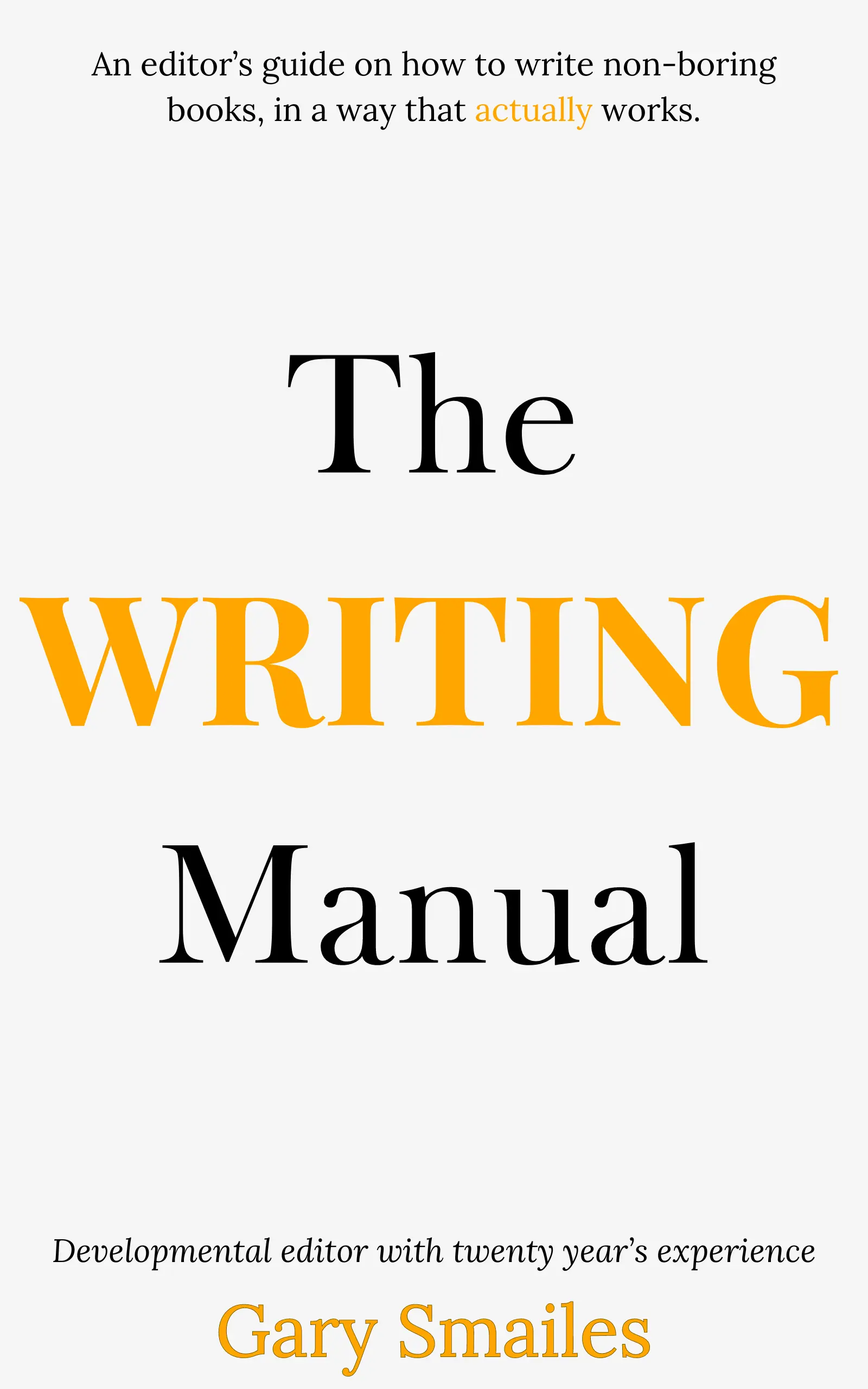
Download FREE ebook
Claim your free eBook today and join over 25,000 writers who have read and benefited from this ebook.
'It is probably one of the best books on writing I've read so far.' Miz Bent