Common Mistakes First Time Authors Make When Submitting To Publishers


Table of Contents
Targeting the Right Publisher or Agent
Spray-and-pray submissions waste months. Smart targeting earns reads. Your goal here is simple. Find the people who publish books like yours, then meet their standards with zero friction.
The fastest way to a pass
Pitching a YA fantasy to an adult-only imprint. Sending a 150,000-word rom-com to an agent known for tight upmarket novels. Querying a house that lists your category as closed. I see these every week. The work might sing, yet the mismatch kills momentum before page one.
Quick fix. Match genre, age category, and word count to the list in front of you. Send work where a “yes” feels natural.
Do the homework
- Read recent catalogues and deal announcements. Note genre, age range, tone, and recurring themes.
- Check submission guidelines on agency and imprint sites. Confirm accepted categories and materials.
- Scan agent wish lists. Look for specific hooks and tropes, not vague interest.
- Pull sales histories on Publishers Marketplace or agency pages. Recent deals in your lane matter more than ancient credits.
Anecdote from last fall. A strong memoir on caregiving went nowhere for six months. The author kept pitching agents who only sought prescriptive nonfiction. One hour of research later, we built a new list of memoir-forward reps. Full requests followed within two weeks. Same pages. New targets.
Word count sanity check
Big outliers scream debut not ready. Keep within standard ranges unless a special reason exists and a strong track record backs the choice.
- Adult fantasy or science fiction: 90–120k
- Thriller or crime: 70–100k
- Upmarket or literary: 80–100k
- Romance or rom-com: 70–90k
- Historical fiction: 90–110k
- Young adult: 60–90k
- Middle grade: 35–55k
- Memoir: 70–90k
- Prescriptive nonfiction: as proposal-driven, sample chapters show voice and structure
Outliers sometimes sell, yes, though almost never for a first book. Trim before you submit.
Avoid closed doors
Many Big Five imprints work agented only. When guidelines say agent submissions only, believe them. No cold queries to editors in those houses. Target agents first, then those editors through representation.
Small presses often accept direct submissions during windows. Read rules, mark dates, and follow directions to the letter.
Comp titles that help you
Comps show audience and positioning. Choose two or three books from the last three to five years. Pick titles with similar tone, structure, or hook. Avoid mega-sellers or classics as sole comps. Those inflate expectations and tell pros nothing about current readers.
Good: “For readers of The Silent Patient and Lock Every Door.” Clear market signal, recent, sales history strong yet not unicorn-level.
Weak: “For readers of The Girl with the Dragon Tattoo and Shakespeare.” One out-of-era megahit, one classic, zero guidance.
Where to find comps:
- Retail category pages and bestseller lists in your genre
- Goodreads shelf lists similar to your premise
- Publisher and agent deal pages for recent acquisitions
Test your comps with two questions. Would fans of those books enjoy yours. Would a publicist pitch reach the same outlets.
Personalize with purpose
- Reference a title from the agent or imprint that aligns with your book.
- Tie your premise to a wish list line in plain language.
- Keep the proof tight. One sentence is enough.
Example: “Your interest in locked-room thrillers with morally gray leads aligns with my 80k suburban noir, where a PTA president covers up a hit-and-run during Homecoming week.”
Build a smart submission list
Create a living document before sending a single email. Include:
- Agent or editor name, agency or imprint, and email
- Categories accepted, plus any stated preferences
- Two relevant titles they sold or published
- Materials requested and file type
- Notes on fit in one sentence
- Date sent, exclusivity, response window, outcome
Aim for 30 to 50 targets across tiers:
- A-list reach targets with strong sales in your lane
- Solid midlist pros who actively build debut authors
- Small presses with a visible strategy for your category
Batch queries in sets of 8 to 12. Track responses. Look for patterns in passes. If two or three mention slow opening pages, revise before the next round.
Quick exercises
- Fit test, five minutes. Open three recent titles from your dream imprint. Write a one-line link from each book to yours. If links feel strained, pivot to a better match.
- Word count audit, fifteen minutes. Compare your count to the ranges above. If off by more than 10 percent, plan a revision pass before querying.
- Comps drill, twenty minutes. Pull five potential comps from the last three years. Strip any mega-bestseller or classic. Pick the two with the clearest audience overlap. Write one sentence on why each comp proves demand.
Red flags worth a pass
- Vague wish lists with no recent sales in your lane
- Agencies charging reading fees
- Imprints asking for full rights grabs on submission
- Guidelines full of contradictions or missing timelines
Professional partners respect your time and rights. Respect theirs by sending the right book to the right inbox.
Action
Build a submission sheet with names and reasons for fit. Include recent comparable titles on their list and any stated preferences on their site. Once the list feels strong, send a tight batch, then respond to feedback with precision rather than hope. Smart targeting shortens the road from query to request.
Submission Materials That Get Read
Agents sift through hundreds of queries each week. A strong project still fails if the materials misfire. The goal here is simple. Make each piece clear, professional, and easy to say yes to.
Query letter pitfalls
- Burying the hook. Lead with the story, not process, not childhood, not inspiration. One or two sentences with a protagonist, a goal, an obstacle, and clear stakes.
- Oversharing backstory. Nobody needs a timeline of revisions or a life story. Save depth for the manuscript.
- Gimmicks. Queries "written by my cat," odd fonts, colored text, quizzes. These stunts signal inexperience.
- CV instead of pitch. Career highlights matter only when relevant to the book or readership. Focus first on the story.
Stronger openers:
- Weak: "I have always loved writing and friends say my book feels unique."
- Strong: "When a disgraced chef returns to her hometown to save the family diner, a rival TV host offers a rigged contest. Win, or the diner closes for good."
Build a letter that works
Aim for three short sections.
-
Hook and stakes, 120–180 words.
- Who, where, problem, consequences.
- Name the central choice or risk. Make the outcome feel tangible.
Example:
"Thirty-year-old Lina Rivera tracks corporate fraud for a living. When her brother vanishes after exposing a slush fund inside a clean-energy startup, Lina follows a breadcrumb trail to a private island retreat. Every guest hides a false identity, and the host sells secrets. If Lina fails to unmask the buyer behind her brother's disappearance, the next financial leak comes with a body count."
-
Metadata, one or two lines.
- Title in caps, genre or category, word count, two comps from the last three to five years.
Example:
"BRIGHT ISLAND is an 85,000-word thriller for adult readers, for fans of The Night She Disappeared and The Last Flight."
-
Brief bio.
- One to three sentences. Include platform or credentials only when relevant.
Examples:
- "I host a weekly fraud podcast with 15,000 subscribers."
- "Short fiction appears in One Story. Member of Mystery Writers of America."
- "Debut author. CPA for twelve years."
Close politely. Thank the reader. Mention materials included per guidelines.
Mini template:
- Hook paragraph.
- Metadata line: TITLE, category, word count, comps.
- Bio line or two.
- "Per guidelines, sample pages appear below. Thank you for your time."
Synopsis missteps
A synopsis is not jacket copy. A synopsis reveals the full plot, including spoilers, and shows the central arc. No cliffhangers. No coy hints.
Common problems:
- Vague language, no specifics.
- Theme statements instead of events.
- Side-quests in place of the main spine.
Best practice:
- One page unless a different length appears in guidelines.
- Present tense, third person, even for memoir.
- Include inciting incident, major turns, midpoint, dark moment, climax, and resolution.
- Name main characters in caps on first mention.
Five-sentence skeleton to build up:
- Set-up and inciting incident.
- Early attempt and new obstacle.
- Midpoint choice with consequences.
- Low point and decisive plan.
- Climax and outcome, plus one line on the changed status.
Example snippet:
"LINA RIVERA, forensic accountant, learns her brother ERIC vanished after leaking a slush fund. Lina infiltrates a luxury retreat run by VICTOR MOSS, a broker of secrets. Midway through the weekend, Lina sees ERIC's watch on a guest and learns Victor plans an auction for a file labeled 'Clean Tide.' After failing to secure an ally, Lina volunteers as staff to access the vault, but Victor exposes her cover. Lina triggers a blackout, broadcasts the files to every guest, and forces Victor into a deal. She rescues Eric, federal raids follow, and Lina returns home with a narrower circle and a stronger sense of cost."
Sample pages mistakes
- Sending a favorite chapter when guidelines ask for opening pages. Agents test voice and structure from page one.
- Ignoring page or word limits.
- Attaching files when paste-in text was requested, or the reverse.
- Sneaking in bonus pages. Respect the limit.
Make those first pages work on their own. Start with a scene, not a throat-clearing prologue. Ground readers fast. Who speaks. Where are we. What changes in this scene.
Quick test. Read page one aloud. Within twenty lines, does a character want something concrete. Does an action or decision move the scene forward. If not, revise before submission.
Formatting and files
Follow directions line by line. Small lapses suggest larger ones.
- File type. Use the requested format. Most agencies prefer .docx.
- Font and spacing. Times New Roman, 12 pt, double-spaced, one-inch margins, indent new paragraphs.
- Header. Last name, short title, page number.
- Title page or email header. Name, email, phone, city, website if available.
- File naming. Lastname_Title_Category. Example: Ahmed_BrightIsland_Thriller.docx.
- Clean pages. Remove tracked changes and comments.
- Paste-in submissions. Strip fancy formatting. Use plain text paragraphs.
Subject lines help. "Query: BRIGHT ISLAND, Thriller, 85k" reads cleanly.
Before you hit send
A short preflight checklist saves headaches.
- Personalize a single line. Reference one recent title or a wish list note.
- Correct recipient name and email. Exact spelling.
- Materials match guidelines in content and length.
- Pages begin at chapter one unless requested otherwise.
- Rest the manuscript for two weeks. Distance helps judgment.
- Do a big-picture pass. Story arc, character goals, stakes, point of view.
- Do a language pass. Clarity, rhythm, repetition, cliché.
- Do a proofread. Typos, punctuation, formatting.
- Prologue with lore or weather.
- Backstory dump before anything happens.
- Dialogue with no context.
- Vague voice, no point of view anchor.
- Inconsistent tense or point of view. Pick one approach and keep it steady. If shifts serve story, cue readers clearly.
- Sagging middle. Energy dips after the setup. Plan a midpoint turn that forces a new path or cost.
- Low stakes. Personal, professional, or public consequences need shape and pressure. Raise risk as chapters progress.
- Characters without goals. Each scene needs a want, an obstacle, and a change by the end.
- Times New Roman, 12 pt.
- Double-spaced.
- One-inch margins.
- Indent paragraphs, do not add extra line breaks between paragraphs.
- Header with last name, short title, page number.
- Title page with name, email, phone, city, website if available.
- Read the entire manuscript aloud. Mark dead spots and fix them.
- Create a style sheet. Names, places, timelines, spelling preferences.
- Do an error pass. Search for pet words. Remove filler. Trim double spaces.
- Audit opening pages. Viewpoint, desire, obstacle, turn.
- Scan for tense and point of view drift.
- Confirm word count sits in a standard range for the category.
- Format to industry standard. Header, title page, margins.
- Save clean files. No comments. Logical names.
- Gather outside feedback. Address patterns, not outliers.
- Write a one-paragraph series note if relevant, while keeping Book 1 complete.
- If guidelines ask for first 10 pages, send the opening 10 pages, not a favorite scene.
- If a portal says paste pages into a box, paste them. No attachments.
- If a subject line format appears, mirror it.
- Subject: Query, TITLE, Adult Fantasy, 95,000 words
- Subject: Requested Full, TITLE, Your Name
- I enjoyed your interview on First Draft Podcast, where you mentioned queer gothic set outside New England.
- You represent The Blue Vale and The Last Archive, both near my audience.
- Name and agency or imprint
- Email or portal link
- Date sent
- Materials sent, query only, query plus 10 pages, full
- Exclusivity status
- Stated response window
- Nudge date
- Outcome, no response, form pass, personal pass, partial request, full request, R&R
- Notes on feedback, recurring issues, praise lines
- No phone calls unless invited.
- No gifts, no fan art, no cookies.
- No DMs about submissions.
- No BCC blasts. Each query goes to one person, written for that person.
- No attachments outside guidelines. Many agencies auto-delete unknown files.
- No replies to a rejection beyond a brief thanks, unless feedback invites a revision.
- Territory, world, North America, UK Commonwealth.
- Format, print, ebook, audio.
- Language.
- Option clauses for next work.
- A clean query template with slots for personalization, metadata, and comps.
- A long and short synopsis to match varying requests.
- A standard filename convention. Lastname_Title_Genre.docx. No spaces at the end. No version chaos.
- A style sheet for names, places, timelines, and spelling choices.
- A submissions spreadsheet synced to a calendar. Set reminders for nudge dates.
- Gut-check the name, email, and links.
- Confirm guidelines one more time.
- Proof the subject line and first sentence.
- Attach or paste exactly what the page requests.
- Send from a professional email address. [firstname.lastname] works. No novelty handles.
- Readers of Becky Chambers and Mary Roach who want optimistic science fiction grounded in real research.
- Parents of neurodiverse children seeking validation and practical guidance after diagnosis.
- Historical fiction fans drawn to lesser-known women's stories, particularly readers of Kate Quinn and Pam Jenoff.
- Overview: your thesis, unique angle, and why now
- Market analysis: target audience size, buying habits, related titles performance
- Competition: what exists, what gaps you fill, positioning against key titles
- Author platform: credentials, reach, media experience
- Marketing plan: your promotional strategy and realistic reach goals
- Chapter outline: detailed summaries for each chapter
- Sample chapters: typically 2-3 finished chapters showing voice and structure
- "Guaranteed bestseller"
- "The next Harry Potter"
- "Celebrity endorsements coming soon" (without named celebrities already committed)
- "Movie rights interest" (from unnamed parties)
- "Revolutionary" or "groundbreaking" self-descriptions
- "Finalist for the XYZ Literary Prize"
- "Featured in Notable Magazine's summer preview"
- "Speaking at three conferences this year on the book's topic"
- "Building on my 5,000-subscriber newsletter about medieval history"
- Custom cover designs
- Character mood boards
- Soundtrack playlists
- Marketing materials you created
- Merchandise mockups
- Movie casting suggestions
- Professional email address
- Simple author website with bio, contact info, and newsletter signup
- One social media presence where you engage authentically
- Writing credits, awards, or relevant professional background
- Critique partners in your genre
- Beta readers who represent your target audience
- Workshop groups focused on publishable quality
- Writing conferences with agent/editor feedback sessions
- Professional manuscript assessment services
- Target audience with specific details
- Core hook or premise
- Two comparable titles for positioning
- Your unique angle or credentials
- Register domain and build simple author website
- Set up newsletter with signup incentive
- Choose one social media platform for consistent engagement
- Join two writing communities, online or local
- Publish weekly content, blog posts, newsletter, or social updates
- Engage authentically with other writers and readers
- Attend one writing event, virtual or in-person
- Research and compile a list of potential beta readers
- Launch newsletter with valuable content for your audience
- Build relationships with writers in your genre
- Collect testimonials or endorsements for your work
- Document your growing platform stats for query letters
Manuscript Readiness and Professional Polish
Agents look for reasons to stop reading. Give them none. Strong pages, tight structure, clean files. That combination signals a pro.
Stop before you submit a draft
First drafts feel thrilling. They rarely hold together. Revision lifts story, voice, and pacing. Build a simple plan.
Three levels of support exist. A manuscript assessment or developmental edit addresses structure and character. Line editing focuses on voice, sentence flow, and clarity. Copyediting and proofreading clean errors. Use beta readers before you pay for editing. Recruit readers in your target audience. Ask for blunt notes, not praise. For sensitive topics, hire a sensitivity reader.
Quick test before outside eyes. Print the opening chapter. Read aloud. Mark any spot where breath runs out, meaning blurs, or energy drops. Fix those lines first.
Opening pages carry the weight
The first page gets one shot. Throat clearing loses the reader. Scene-level momentum wins.
Common stalls:
Aim for a scene with desire and friction. Who stands in the scene. Where are we. What shifts by the end of the page.
Weak start:
“On a quiet morning unlike any other, life felt strange. Memories flowed like water as the town woke. My name is Sarah and this story begins long before I knew who I was.”
Stronger start:
“Sarah grips the diner’s sticky counter and counts tips. Twelve dollars short. Health inspector walks in, smiles at the CLOSED sign half-hidden behind a fern, and flips open a notebook.”
Run a 20-line audit. In those lines, name a viewpoint character, a goal, and an obstacle. Include a concrete image. End with a decision or turn. If none appear, revise again.
Craft red flags agents pass on
A simple scene card helps. For each chapter, write three lines. Goal. Conflict. Outcome. Add one more line, new question raised. Stack those cards on a table. You will see weak links.
Professional editing, smart budgeting
If funds allow, invest in feedback in this order. Manuscript assessment or developmental edit first. Then line edit. Then copyedit. Ask for a sample edit on five pages before you hire. Look for clear notes, not sarcasm or jargon. Agree on scope, timeline, and deliverables in writing.
No budget right now. Build a mini board. Three beta readers who love your category. One reader who lives outside your circle. Share a short brief with questions. Where did interest spike. Where did attention wander. Who felt vivid. Who faded. Ask for page numbers with each comment.
For memoir and fiction with identity-based harm, retain a sensitivity reader before submission. A short report here prevents bigger damage later.
Standard formatting protects the read
Agents read on phones, tablets, and e-readers. Clean formatting reduces friction.
File hygiene matters. Save as .docx unless guidelines say otherwise. Remove tracked changes and comments. Name files with logic. Lastname_Title_Category. Ahmed_BrightIsland_Thriller.docx looks professional. Paste-in submissions need plain text. No smart quotes, no bullets, no images.
Series planning without scaring off agents
For fiction, submit when Book 1 stands alone. Series potential helps, dependence hurts. End the first volume with a resolved arc. Foreshadow future threats in a line or two.
Good language for a query bio:
“Standalone with series potential. A two-book arc exists for Lina’s ongoing work at Bright Island.”
Skip attachments for Book 2 and Book 3. Keep a one-paragraph series plan in your pocket. Title, premise, where the main relationship or conflict evolves. If an agent requests more, send that summary, not three full drafts written before feedback.
Pre-submission checklist
Run this list before you send anything.
One last drill. Take any chapter and write a one-sentence logline for that scene. Protagonist, goal, obstacle, outcome. If the sentence feels mushy, the scene needs work.
Do this work before you query. A tight manuscript buys patience in a crowded inbox. A polished one earns pages read, and requests that move the project forward.
Guidelines, Etiquette, and Submission Process
Polish matters, but process saves you. Many rejections come from sloppy steps, not story problems. Treat submission like a job application. Clear, clean, respectful.
Read the rules, then follow them
Every agency and imprint posts instructions. Subject lines. Page counts. File types. Exclusivity. Simultaneous submissions. Read twice. Match every item.
Useful formats:
Exclusives mean you send to one person for a set time. If someone asks for an exclusive, confirm a window in writing, two to four weeks. If you already sent elsewhere, say so. Simultaneous submissions are common where permitted. If allowed, include one line in the query. “This is a simultaneous submission.”
Personalization that shows respect
“Dear Agent” reads like spray-and-pray. Use a name. Spell it right. Open with a line that proves you looked them up.
Strong openers:
Keep it tight. One line on connection, then pitch. No flattery parade. No life story. The work earns attention. Personalization earns the read.
Follow-ups without burning bridges
Agents post response windows. Thirty days. Eight weeks. Some say no response means no. Honor the stated window. If no window appears, eight to twelve weeks is standard for queries.
Send a short nudge only after the window passes.
Template for a query nudge:
Subject: Query Nudge, TITLE, sent 12 Aug
Hello [Name],
Following up on my query for TITLE, sent on 12 Aug. Materials match your posted guidelines. Happy to resend if helpful.
Thank you for your time,
[Name]
[Email]
[Phone]
For a requested partial or full, reply on the original thread. Do not open a new one.
Template for a requested-nudge:
Subject: Nudge on Requested Full, TITLE
Hello [Name],
Checking in on the requested full of TITLE, sent on 3 Oct. I remain excited to hear your thoughts. If you prefer more time or a new file, say the word.
Thank you,
[Name]
Do not argue with a pass. Do not reply to explain why the agent is wrong. Do not ask for referrals unless invited. If a pass includes notes, say thanks and revise if the feedback rings true.
Submit in batches, track like a pro
Query rounds work best small and steady. Five to ten targeted queries per round. Wait for data, then adjust.
Build a simple tracker. Columns to include:
After each round, look for patterns. If three people mention slow opening pages, address opening pages. If requests arrive from one genre niche and crickets elsewhere, refine your positioning line to match that niche.
Boundaries keep doors open
Professional means respecting time and channels.
If an agent offers an R&R, treat it as high signal. Ask clarifying questions, then take the time to deliver a strong revision. Note exclusivity on the R&R if requested, with a clear window.
Rights awareness, a quick primer
A query offers a read, not rights. You hold copyright. Keep it that way until an agent or publisher offers representation or a deal.
Know the basics you will discuss later:
Do not attach artwork, merch mockups, or film decks unless guidelines ask. For picture books by author-illustrators, follow art sample rules on the site. For all others, words first.
Your submission toolkit
A small system saves weeks of confusion. Build once, reuse, adjust.
Before each send, run a quick preflight:
Last note. Professional tone does not mean stiff. It means clear and respectful. Offer the cleanest reading experience possible, personalize with purpose, pace your rounds, and keep records. Doors open more easily when you look like someone who understands the work on both sides of the inbox.
Positioning, Platform, and Advanced Strengtheners
Your book needs to find its people. This means knowing who they are, where they shop, and why your story matters to them. Generic appeals fail. Specific ones stick.
Define your audience with precision
"This book is for everyone" translates to "this book is for no one." Agents see this line weekly. It screams amateur hour.
Instead, get specific. Who needs this story right now? What problem does it solve or pleasure does it deliver?
Strong audience definitions:
Notice the pattern. Two comp authors plus a specific need or preference. This gives agents a mental shelf to place your work. It also shows you understand the market beyond your own reading habits.
Your unique selling proposition comes next. What makes your approach different from similar books? New angle on familiar territory? Fresh voice in established genre? Underrepresented perspective on universal themes?
Example: "A romantasy that centers disability representation without tragedy porn, featuring a Deaf protagonist whose magical ability depends on sign language."
That line tells an agent exactly what readers want and why this book delivers something missing from current offerings.
Nonfiction requires a business plan
Fiction sells on story and voice. Nonfiction sells on platform, market need, and expertise. You need a formal book proposal, not a query letter.
Essential proposal sections:
The proposal proves you understand nonfiction as a business partnership. Publishers invest marketing dollars alongside advance money. They need confidence you will work to find your audience.
Platform matters most for prescriptive nonfiction. Memoir needs compelling story more than massive reach, but expertise-based books need proof people already listen to your advice.
Avoid credibility killers
Overconfident claims backfire fast. Agents spot these red flags immediately:
Publishers decide bestseller status. Readers determine cultural impact. Agents know which celebrities actually blurb debut novels.
Instead, focus on concrete, verifiable strengths:
Real credentials carry weight. Imagined ones destroy trust.
Skip the extras unless asked
Your submission package needs words, not graphics. Standard materials are query, synopsis, sample pages. Full stop.
Do not attach:
Exceptions exist. Picture book author-illustrators submit art samples per guidelines. Some graphic novels require visual samples. When in doubt, check the specific guidelines or ask during a conference pitch.
Your words prove your storytelling ability. Extra materials suggest you doubt the words will stand alone.
Platform without panic
Fiction writers fear the platform requirement. Good news: you need less than you think. Platform means ways to reach readers, not massive social media following.
Basic platform elements:
For fiction, platform supports but rarely decides. Great story trumps small platform. Terrible story fails despite huge platform.
Nonfiction flips this equation. Platform size directly impacts acquisition decisions. If you teach yoga and want to sell a yoga book, your student base matters. If you want to write about parenting techniques, your own parenting experience plus evidence people seek your advice matters.
Build platform alongside writing, not instead of it. Share writing progress, book recommendations, industry news. Be helpful, not promotional. Value comes first, ask comes second.
Feedback loops that work
Submit blind, fail blind. Get feedback before agents see your work.
Effective feedback sources:
Online critique forums vary wildly in quality. Seek groups with submission requirements, active moderators, and members pursuing traditional publication.
Conference pitch sessions give real-time feedback. Worth the investment to practice your verbal pitch and see immediate agent reactions. Book the feedback session, not just the pitch appointment.
Revise and resubmit requests deserve serious attention. An R&R means the agent sees potential but needs changes before offering representation. This is not a soft rejection. This is an extended evaluation.
Treat R&Rs as high-probability opportunities. Ask clarifying questions if the requested changes seem unclear. Take time to revise thoroughly. Submit only when the revision addresses every point raised.
Your positioning toolkit
Before querying anyone, write a positioning statement. One paragraph that captures:
Example positioning statement:
"MIDNIGHT IN THE BONE CHAPEL is a 95,000-word gothic fantasy for readers of Mexican Gothic and The Seven Husbands of Evelyn Hugo who want atmospheric horror with queer romance. Set in an alternate 1920s where necromancers serve as society's undertakers, the novel follows a funeral parlor apprentice who discovers her mentor's deadly secret while falling for the mysterious woman who delivers the bodies. My background as a mortician provides authentic details about death practices and embalming procedures that ground the magical elements."
This paragraph could open your query letter or support a conference pitch. It shows you understand your book's place in the marketplace.
The 90-day platform sprint
If submission is your goal, spend three months building basic platform infrastructure:
Month 1:
Month 2:
Month 3:
This timeline builds platform momentum without overwhelming daily writing practice. Small consistent actions compound into meaningful reach over time.
Remember: platform serves the work, not the other way around. Write the best book you know how to write, then build the simplest, most authentic way to connect that book with readers who need it.
Frequently Asked Questions
How do I target the right agent or publisher for my book?
Do the homework: read recent catalogues and deal announcements, check agency and imprint submission guidelines, and scan agent wish lists for specific hooks. Match genre, age category and word count so a "yes" feels natural rather than forcing your manuscript into a closed list.
Create a targeted list that notes two relevant titles they sold or published and one sentence on fit, then pitch in small batches of 8–12. This approach to "target the right agent for my YA fantasy" saves months of spray-and-pray querying.
What are standard word counts for debut novels and when should I trim?
Use industry-standard ranges: adult fantasy or science fiction 90–120k, thriller or crime 70–100k, romance 70–90k, upmarket 80–100k, YA 60–90k, middle grade 35–55k, and memoir 70–90k. Debut outliers rarely sell, so if your manuscript sits more than about 10 percent outside these ranges, plan a revision pass or justify the length with strong market reasons.
Trim before submission: focus on tightened scenes, removed subplots and clearer pacing so your opening pages compel an agent to read on.
What should I include in submission materials that get read?
Follow guidelines exactly and send the standard package: a tight hook paragraph, a metadata line (title, category, word count, two recent comps), a short bio, a one-page synopsis if requested and the sample pages specified. Extra attachments like custom covers, playlists or merchandising pitches normally hurt rather than help.
Make the first pages work on their own: start with scene-level momentum, show viewpoint, want and obstacle quickly, and respect requested file types and formatting so agents can read without friction.
How should I write and format a professional query letter?
Structure the query in three short parts: a 120–180 word hook that states protagonist, goal, obstacles and stakes; a metadata line with comps from the last three to five years; and a one- to two-sentence bio that lists only relevant platform or credentials. Open with a single personalised line that proves you researched the agent or imprint.
Format to industry standards: Times New Roman 12pt, double-spaced if pasting, .docx for attachments, clear subject lines such as "Query: BRIGHT ISLAND, Thriller, 85k" and clean filenames like Lastname_Title_Genre.docx.
What fields should I include in a submission spreadsheet and how do I use it?
Build a living document with columns for agent/editor name, agency or imprint, contact email or portal link, date sent, materials sent, exclusivity status, stated response window, nudge date, outcome and concise notes on feedback or fit. Add two or three sample comps and a one-line fit note for quick reference.
Send queries in batches of five to ten, review patterns after each round and revise materials if multiple passes cite the same issue. The tracker helps you spot systemic problems, such as a slow opening or mistargeted comps, before you escalate submissions.
How much platform do I need before querying, especially for nonfiction?
Platform expectations differ: fiction editors care more about the story, so a small, credible platform often suffices; nonfiction is treated as a business and requires a stronger platform, demonstrable audience or clear routes to market. Basic elements include a professional email, an author website with newsletter signup and one active social presence or speaking engagements.
If you write prescriptive nonfiction, document measurable reach—newsletter subscribers, course participants or corporate contacts—because publishers invest marketing resources against that evidence. For fiction, focus first on making Book 1 publishable, then build simple, consistent platform actions alongside writing.
What is the correct etiquette for follow-ups, requested revisions and R&R offers?
Respect stated response windows and send a brief, polite nudge only after the window passes. For requested partials or fulls, reply on the original thread and avoid reopening new threads. If you receive an R&R, treat it as a high-probability opportunity: ask clarifying questions if needed, revise thoroughly to address every point and return within any agreed window.
Never argue with a pass, avoid pushing after rejection, and never send unsolicited materials outside guidelines. Professional, measured responses keep doors open and show you understand how publishing relationships work.
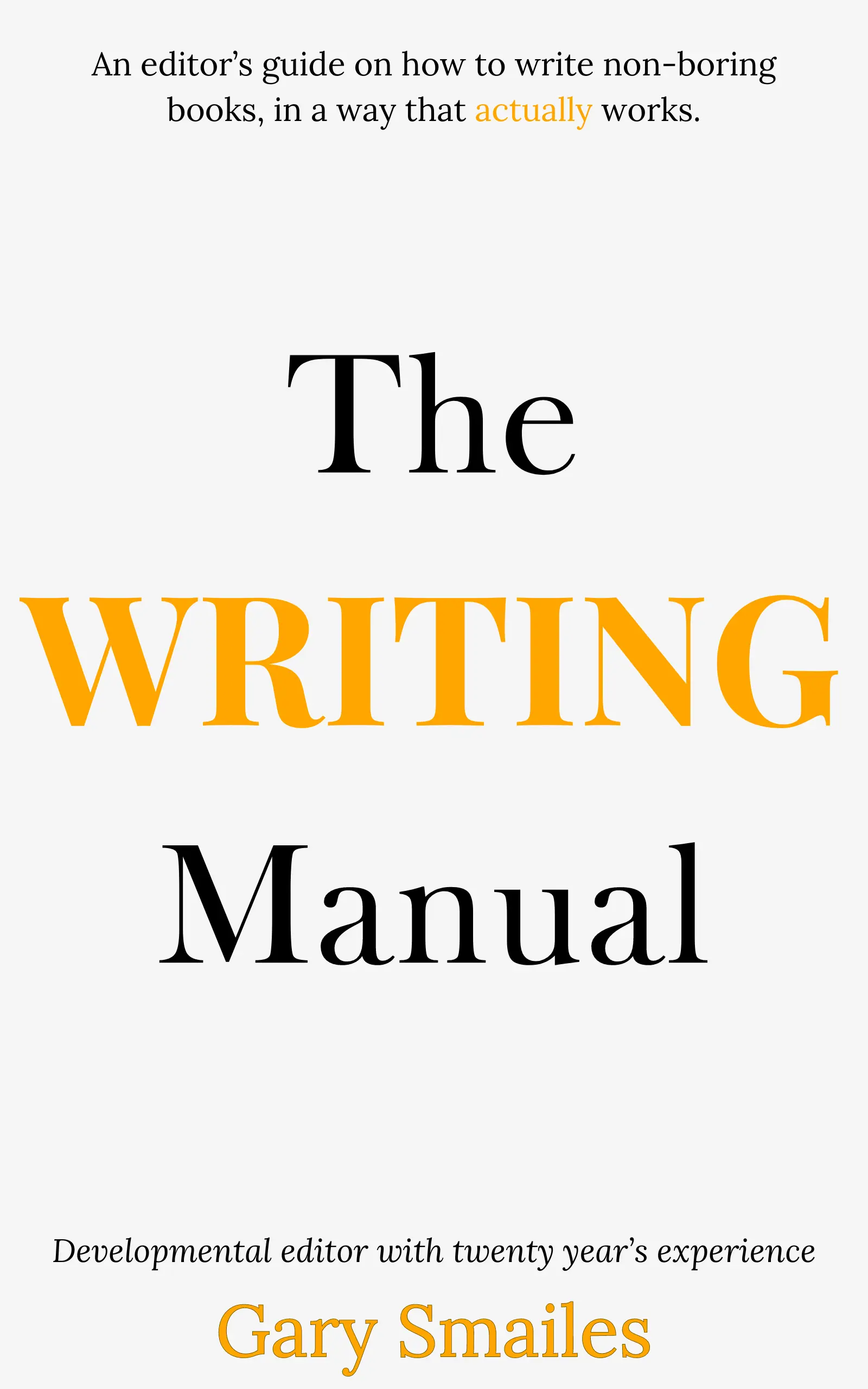
Download FREE ebook
Claim your free eBook today and join over 25,000 writers who have read and benefited from this ebook.
'It is probably one of the best books on writing I've read so far.' Miz Bent