How Long Does It Take To Get Published?


Table of Contents
Traditional Publishing Timeline Breakdown
Traditional publishing runs on seasons, meetings, and patience. You do the work, then you wait while professionals do theirs. Here is what the road looks like in practice, with real timelines and what to do while the clock ticks.
Agent acquisition
Plan on 3 to 12 months for querying. Some writers land representation faster. Many take longer.
- Most agents reply within 6 to 8 weeks.
- Strong query rounds target 50 to 100 agents, sent in batches of 10 to 20. You watch the responses, revise, then send the next batch.
What happens during this phase:
- You send a query, plus pages if requested.
- You get rejections, form or personal.
- You receive requests for partials or full manuscripts.
- You handle radio silence, which often equals a pass after the posted window.
A quick example timeline:
- January: send 20 queries.
- March: 5 full requests, 8 form rejections, 7 no response yet.
- April: revise your first pages based on feedback from one kind agent note.
- May: send a new batch of 20.
- June: two agents request a call. Offer comes. You notify others, wait a week, then choose.
While you wait:
- Draft a new book. Future you will thank present you.
- Track submissions in a spreadsheet with sent dates and response windows.
- Workshop your query with a critique group between rounds.
On submission to publishers
Once an agent signs you, the manuscript goes through an agency edit. Expect some revision time, the goal is a strong first impression. Then the agent strategizes imprints and sends to editors.
Typical range on submission: 6 to 18 months.
- Editor response times often run 2 to 6 months per round.
- Your agent might send to 8 to 12 editors first, then expand.
- Rejections often include praise plus a reason. Texture is good data.
A sample pattern:
- Round 1, 10 editors. Two request internal reads. Eight pass with consistent notes on pacing.
- You revise with your agent over four weeks.
- Round 2, 8 more editors. One takes it to acquisitions. The imprint passes on list balance.
- Round 3, targeted to imprints known for your niche. Two offers arrive three weeks apart.
During submission:
- You do not nudge editors. Your agent manages all communication.
- You keep writing. A second project helps your agent pitch you as a career author.
- You collect patterns in feedback. If three editors mention the same weakness, address it.
Contract negotiation and acceptance
Deals are agreements plus schedules plus money. From verbal offer to signature, plan on 1 to 3 months.
Steps in this window:
- Your agent negotiates deal points, territory, formats, advance, royalties, option language.
- Legal review happens at the publisher and the agency.
- You sign and receive the first installment of the advance at or soon after signature.
Advances often pay out in parts:
- On signing.
- On delivery and acceptance of the manuscript.
- On publication of each format or region, based on contract.
You will also receive a delivery date for revisions or final manuscript. Put that in your calendar the day the contract arrives.
Editorial and production
From contract to bookstore date, 12 to 18 months is standard. Bigger houses slot books into seasonal lists and need production runway.
The work inside that span:
- Developmental editing with your acquiring editor. Big-picture structure, stakes, character, argument. Often 1 to 3 rounds.
- Line edit for clarity and rhythm.
- Copyedit for consistency, style, and facts.
- Proofreading from designed pages.
- Cover design and jacket copy.
- Typesetting and advance reading copies creation.
Each step includes review periods. You return edits on deadline, the team moves to the next stage, and so on. Expect multiple passes on cover and copy. Expect to answer queries in track changes with clarity and speed.
What helps:
- Create a style sheet for names, timelines, hyphenation, and sources. Share it early.
- Read your pages aloud before you send a revision. Your ear catches fatigue your eye misses.
- Protect deep work time during dev edit months. A clean revision shortens the rest.
Marketing lead time
Publicity starts long before launch. Most teams begin outreach 6 to 9 months ahead of your pub date.
Inside this window:
- Galleys go to reviewers, booksellers, librarians, and influencers.
- Blurb requests go out to authors whose readers align with yours.
- Your publicist builds a campaign. Media pitches, event plans, book club outreach.
- Sales reps present your book to accounts in seasonal meetings.
Your job:
- Provide a short, accurate author bio and a headshot that looks like you.
- Offer event ideas with partners who draw a crowd. Bookstores, libraries, festivals, niche organizations linked to your subject.
- Keep a simple, updated website with links, dates, and contact info.
- Be responsive. Publicity windows close fast.
Putting the whole arc together
Add the pieces and you get a realistic span from first query to finished book in stores.
- Querying: 3 to 12 months
- On submission: 6 to 18 months
- Contract to launch: 12 to 18 months
- Total: 2 to 4 years
Many debuts land closer to 3 years. Some take longer. Pace varies by genre, house, and list space.
A practical way to plan
Open your calendar and sketch a hypothetical. This reduces anxiety, because you see the path.
- Month 0: send first query batch.
- Month 6: sign with an agent.
- Month 9: go on submission.
- Month 16: receive an offer, sign by Month 17.
- Month 18 to 30: editorial and production.
- Month 24: galleys and early reviews.
- Month 30: publication week.
Adjust as needed. Life intrudes. Lists shift. You adapt.
How to stay sane in the gaps
Time will stretch. Work will shrink fear.
- Write the next book.
- Read in your category, new releases only, and take notes on positioning.
- Build simple platform pieces that help the house help you, a newsletter sign-up, a contact page, a list of relevant speaking venues.
- Keep a log of dates and responses. You are running a project, not a lottery ticket.
Traditional publishing takes time because many skilled people shape your work for national distribution. Your pages deserve that level of care. Plan for the long run, move the ball forward each week, and let the process do its job.
Self-Publishing Speed Advantages
You want speed. Indie delivers speed. You set the pace, choose the team, and move when you are ready. Here is how to make the timeline work for you without cutting corners.
Immediate start
No querying. No waiting for permission. Day one looks like this:
- Pick a target launch window, for example four to six months out.
- List your production steps and who will do each one.
- Book professionals early. Editors and designers fill fast.
Mini exercise:
- Open a blank doc. Title it Timeline, Book One.
- Add four columns: Task, Owner, Start, Due.
- Fill the first three tasks now: developmental edit, cover concept, marketing plan draft.
Momentum beats vague hopes. Put dates on the page.
Production efficiency, 3 to 6 months
A professional book asks for a tight, realistic schedule. Here is a common flow for a single title.
Weeks 1 to 2
- Developmental edit briefing. Share goals and comp titles.
- Editor reads.
Weeks 3 to 6
- Receive edit letter and marked file.
- Revise. Protect writing hours, no email in the first hour of the day.
Weeks 7 to 8
- Line edit and copyedit. Clarify language, fix consistency, verify facts.
- While edits are in progress, your designer delivers first cover comps.
Weeks 9 to 10
- Proofreading from designed pages.
- Interior formatting for ebook and print, EPUB and PDF.
Week 11
- Final proof pass. No new scenes, only errors and layout fixes.
Week 12
- Upload for pre-order, or set to live if your plan calls for it.
Tips to stay tight:
- Approve a clear brief for cover and interior before work begins.
- Build a style sheet with names, places, dates, spelling choices.
- Use version names, for example Title_v3_DATE.
Platform setup, 1 to 2 weeks
Accounts and metadata move fast if you prepare.
- KDP, IngramSpark, and other channels. Set tax and bank details first.
- ISBNs. Purchase in bulk if you plan multiple books. Assign one per format.
- Metadata. Final title, subtitle, series info, BISAC categories, keywords, trim size.
- Author Central and BookBub Partner. Claim your profile. Add bio and headshot.
- Print proof. Order one early to confirm paper, color, and margins.
Keep a single spreadsheet for logins, ISBNs, and settings. Save yourself from rummaging through email later.
Pre-order strategy
Pre-orders buy you time and attention before release.
- Amazon allows 90 days on ebook, 365 days on print.
- Set a realistic date. Hit it.
- Upload finished files for print early, even if ebook still needs tweaks.
Use the window to gather signal:
- Send digital advance copies to reviewers, librarians, and newsletter subscribers who opted in.
- Ask for early retailer reviews during the last two weeks before launch.
- Pitch newsletter swaps with authors in your niche.
- Schedule a Goodreads giveaway for print if your audience lives there.
A simple plan:
- Week 0, announce pre-order to your list and social feed.
- Week 2, share a cover reveal with 3 sample blurbs.
- Week 4, post a short excerpt on your site.
- Week 6, run a modest ad test to refine audiences.
- Week 8, final push with bonuses tied to pre-order receipts.
Launch flexibility
Traditional houses slot books into seasons. Indie moves when your plan says move. Use that freedom with intent.
Pick dates with care:
- Avoid major holidays unless your book ties to them.
- Align with reader behavior. Beach reads in late spring. Horror in October. Study guides before back to school.
- Check big media events where attention vanishes.
Build a simple launch week:
- Day 1, announce live links to your list first, then social.
- Day 2, podcast interview or guest post.
- Day 3, bookstore or library event. Virtual works fine.
- Day 4, paid ad burst. Small, focused, audiences tested during pre-order.
- Day 5, gratitude post with early review pull quotes.
Iteration speed, 24 to 72 hours
This is where indie shines. Upload a fix on Monday, see it live midweek. Treat updates like releases.
What to update fast:
- Typos and formatting issues found by early readers.
- Back matter, add a link to your newsletter or next book.
- Pricing for promotions. Match storewide sales and price pulses.
A safe update routine:
- Keep a master folder for live files by format.
- When changes are needed, duplicate the file and work on the copy.
- Run another proof on changed pages.
- Upload to one retailer first, confirm result, then roll out to others.
- Log version and date in your spreadsheet.
A 12-week sprint example
If your manuscript reads clean and you hire pros, this pace holds.
- Week 1: book editor and designer, finish metadata draft, set ISBNs.
- Week 2: editor read, cover brief, collect comp covers and interiors.
- Week 3: receive edit letter, begin revision, cover first comps arrive.
- Week 4: revise, pick one cover direction, request tweaks.
- Week 5: revise, approve final cover, start interior template.
Factors That Accelerate or Delay Publishing
Some books race to print. Others crawl. The difference often comes down to six controllable factors that authors underestimate or ignore entirely.
Manuscript readiness
A clean manuscript moves fast. A messy one stops traffic at every checkpoint.
What "ready" looks like:
- Complete story arc with no placeholder scenes or notes to self
- Consistent character names and timeline details
- Grammar that won't make editors wince
- Word count within genre expectations
- Format that follows submission guidelines exactly
Traditional agents reject 98% of queries. Many get tossed for basic errors before the story gets a fair read. Editors at publishing houses face similar piles. Clean manuscripts rise to the top because they signal professionalism.
For indie authors, readiness means production flows smoothly. Your editor focuses on story and style instead of hunting typos. Your designer works with organized files instead of fixing broken formatting. Each professional you hire works faster when the foundation is solid.
Quick readiness test:
- Print chapter one. Read it aloud. Mark every stumble.
- Search your document for common problem words like "had," "was," "very," and "just."
- Run a spell check, then a grammar check, then read backward paragraph by paragraph.
Genre considerations
Commercial fiction moves faster through traditional channels because it fits proven marketing formulas. Romance, thriller, mystery, and fantasy have clear audience expectations and sales patterns. Editors understand the market. Marketing teams have playbooks.
Literary fiction takes longer because each book needs a custom approach. The audience is smaller and harder to predict. Editorial discussions stretch longer. Marketing plans require more creativity.
Nonfiction timeline depends on the topic. Business books with clear hooks and author credentials move fast. Academic books with narrow audiences move slowly. Memoirs by unknown authors face steep climbs unless they have extraordinary stories or connections.
For indie authors, genre affects production speed differently. Romance and mystery readers expect frequent releases, so authors build systems for speed. Literary fiction and complex nonfiction benefit from longer development cycles and careful positioning.
Choose your genre with eyes open. If speed matters to you, pick commercial categories with hungry, predictable audiences.
Market timing
Traditional publishers plan their lists like airlines plan routes. Spring fiction gets slotted in fall meetings. Holiday books get decided the previous January. Your brilliant manuscript might land at exactly the wrong moment in their calendar.
Publishers think in seasons:
- Winter: literary fiction, serious nonfiction, books for award consideration
- Spring: lighter fiction, health and fitness, travel guides
- Summer: beach reads, thrillers, young adult
- Fall: big commercial releases, political books, holiday gifts
Your book might get accepted but wait months for the right slot. A publisher might love your Christmas romance in March but hold it until the following December. This is business logic, not personal rejection.
Indie authors skip this entirely. You publish when your marketing plan says publish. December romance in July? Your choice. Beach read in February? Why not.
Author platform strength
Platform is your built-in audience. Email subscribers who open your messages. Social media followers who buy your recommendations. Speaking gigs that showcase your expertise.
Strong platforms speed traditional deals because they reduce publisher risk. An agent pitching your novel mentions your 10,000 newsletter subscribers. An editor sees pre-built marketing reach. Deal conversations move faster when sales seem likely.
Platform also accelerates indie success. Email lists convert at 20-30%. Social media converts at 1-2%. Authors with engaged lists launch harder and sustain longer.
Building platform while writing beats building after publishing. Start small:
- Weekly newsletter with writing updates or topic insights
- Monthly guest posts on relevant blogs
- Quarterly speaking at local groups or online events
- Daily social posts that help rather than pitch
Editorial rounds
Traditional publishing loves revision. First, your agent requests changes. Then editors at publishing houses request different changes. Then the acquiring editor requests more changes. Each round adds months.
Multiple revisions signal investment, not problems. Publishers want books that sell. Revision cycles increase those odds. Authors who embrace feedback move faster than authors who resist.
Indie authors control revision depth. You choose how many editorial passes to buy. You decide when the book is ready. Some authors stop at copyediting. Others invest in developmental editing, line editing, and proofreading. More rounds mean better books but longer timelines.
Editorial shortcut for both paths:
- Join a critique group before you finish writing
- Hire a freelance editor for a manuscript assessment before querying or self-publishing
- Read recent books in your genre to internalize current expectations
- Study rejection letters and agent feedback for patterns
Cover and design complexity
Simple covers finish in days. Complex covers take weeks or months.
Text-only covers move fastest. Author name, title, maybe a tagline. Clean fonts, solid colors, strong contrast. Romance and literary fiction often use this approach.
Illustrated covers require custom artwork. Fantasy, science fiction, and children's books lean this way. Original illustrations take longer than stock photo combinations.
Special formats add time to everything. Hardcover cases need different files than paperback covers. Ebook covers need different sizing than print. Coffee table books require careful photo licensing and complex layouts.
Print complications multiply timelines. Full-color interiors cost more and take longer than black and white. Unusual trim sizes require custom templates. Perfect binding is faster than sewn binding.
For faster design:
- Study covers in your genre and price range
- Provide clear creative briefs with example covers you like
- Choose standard trim sizes and binding options
- Prepare high-resolution author photos and any required text in advance
The compound effect
These factors multiply. A polished literary novel by an unknown author faces longer odds than a clean commercial thriller by someone with a newsletter. A complex nonfiction book with custom illustrations takes longer than a straightforward memoir with stock photos.
Control what you control. Write clean manuscripts. Pick genres that match your goals. Build platform while writing. Embrace editorial feedback. Choose design complexity that fits your timeline and budget.
Publishing is a business of bottlenecks. Remove yours, and your book flows faster through every channel that matters.
Realistic Expectations by Publishing Path
The publishing world loves to sell dreams. Agent in six months. Book deal by Christmas. Bestseller status before your second birthday. These fairy tales hurt more authors than they help.
Here's what the data shows and what experienced authors actually report.
First-time traditional authors
Plan for three to five years. Many successful authors took longer.
The math is brutal but predictable. Most agents request your first fifty pages, then your full manuscript, then revisions, then submissions to editors. Each step takes months. Editors request their own changes. Marketing teams need lead time. Production requires a year minimum.
But those timelines assume everything goes right the first time. They don't account for:
- Query letter rounds two, three, and four
- Manuscript revisions between agent rejections
- Publisher rejections that send you back to more agents
- Seasonal delays when no one reads submissions
- Editorial changes of heart or personnel shifts
Real author stories paint the true picture:
Sarah spent eighteen months querying forty agents before getting representation. Her agent spent another year submitting to publishers. The book sold to the fifteenth editor who read it. Publication date: three years after her first query letter.
Marcus got an agent in four months but his manuscript needed major revisions. Six months later, they started submitting. The first editor loved it but couldn't get approval from the marketing team. The second editor wanted different changes. The third editor bought it but scheduled publication two years out to avoid competing with a similar book. Total time: four and a half years.
These are success stories, not cautionary tales. Both authors now have multi-book deals and sustainable careers. The timeline is simply part of the process.
Debut indie timeline
Six to twelve months for professional results. Faster if you cut corners. Slower if you do everything right.
The indie timeline breaks down like this:
- Developmental editing: 4-8 weeks
- Revision period: 2-4 weeks
- Copy editing: 2-3 weeks
- Proofreading: 1-2 weeks
- Cover design: 1-3 weeks
- Interior formatting: 1 week
- Upload and approval: 1-2 weeks
- Pre-launch marketing: 4-8 weeks
Add buffer time for revisions, schedule delays, and the learning curve of working with new professionals. First-time indie authors often underestimate the coordination required.
The six-month timeline assumes you start with a finished, reasonably clean manuscript. If your draft needs major structural work, add three to six months. If you're learning the business while producing the book, add another few months for mistakes and do-overs.
Twelve months is more realistic for authors who want to do things properly. Professional editing, custom cover design, strategic marketing, and proper launch preparation take time. Authors who rush often regret it.
Subsequent books
Traditional follow-ups depend on your contract and sales performance. Indie authors build publishing systems that accelerate each release.
Traditional contracts typically specify delivery dates eighteen to thirty-six months apart. Publishers want time for proper marketing and to avoid flooding the market with your work. Strong sales might accelerate your next book's timeline. Weak sales might delay it or kill future contracts entirely.
Multi-book deals provide schedule certainty but less flexibility. Your second book comes out when the contract says it comes out, regardless of market conditions or your creative momentum.
Indie authors improve dramatically after their first release. You know which editors, designers, and formatters work well. You have templates for covers and interiors. You understand the upload process and marketing basics.
Experienced indie authors often publish every three to six months. Romance authors frequently hit every ninety days. Mystery writers maintain six-month schedules. Literary fiction authors typically space books twelve to eighteen months apart.
The difference is systems. Successful indie authors batch similar tasks, maintain consistent teams, and pipeline multiple projects simultaneously.
Hybrid approaches
Some authors test indie waters first, then use sales data to attract traditional publishers. Others start traditionally and add indie books between contracted releases.
Indie-to-traditional makes sense when you have a proven concept and sales numbers. Publishers reduce their risk when they see market validation. Strong indie sales provide leverage in contract negotiations.
Traditional-to-indie works when you want faster release schedules or creative control. Established authors use indie releases to maintain momentum between traditional books or explore different genres.
Both approaches require managing two different business models simultaneously. Traditional publishers want exclusive focus during launch periods. Indie success demands consistent marketing and engagement. The balance gets complicated.
Genre-specific norms
Romance and mystery readers expect frequent releases. Literary fiction and complex nonfiction reward deeper development cycles.
Romance readers consume books rapidly. Successful indie romance authors often publish monthly or quarterly. Traditional romance publishers maintain faster schedules than other genres, though still much slower than indie.
Mystery and thriller readers also prefer regular series installments. The genre's formula-driven nature allows for faster writing and production.
Literary fiction emphasizes craft over speed. Readers expect years between releases. Publishers invest more heavily in editorial development and award positioning.
Complex nonfiction requires research, fact-checking, and expert review. Business books need current examples. Historical works require extensive sourcing. Rush these books and risk credibility damage.
Financial considerations
Traditional provides upfront advances but delays ongoing royalties. Indie requires upfront investment but potentially faster cash flow.
Traditional advances are paid in installments: typically one-third on signing, one-third on delivery of acceptable manuscript, one-third on publication. You don't see additional royalties until the advance "earns out" through sales.
Most books never earn out their advances. Publishers consider this normal business cost. For authors, it means the advance is often your total compensation for the book.
Indie authors invest upfront in editing, cover design, and marketing. Costs range from $2,000 to $10,000 for professional results. But you keep all royalties from day one. Break-even often happens within the first year for successful indies.
Cash flow timing differs significantly. Traditional authors get money years before publication but nothing afterward unless sales exceed expectations. Indie authors spend money before publication but receive ongoing payments monthly.
Setting your expectations
Match your timeline expectations to your chosen path and personal circumstances.
If you need income from writing within two years, indie publishing offers better odds. If you prioritize prestige and industry validation, traditional publishing justifies longer timelines.
If you have one book in you, traditional publishing might maximize its impact. If you plan to write ten books, indie publishing offers better long-term economics.
If you love the craft more than the business, traditional publishing handles more logistics. If you enjoy entrepreneurship, indie publishing provides more control.
Neither path guarantees success. Both require persistence, professional standards, and realistic timelines. Choose based on your goals, not your impatience.
The authors who succeed in either model share one trait: they start their next book while waiting for their current book to find its audience. Publishing timelines are long, but writing timelines are entirely under your control.
Strategies to Optimize Your Publishing Timeline
Publishing loves hurry up and wait. The trick is to shorten the hurry, and fill the wait with smart work. Here is how to move faster without cutting corners.
Traditional path, query smarter
- Build a three-tier agent list. Tier one, dream fits. Tier two, strong fits. Tier three, open-minded choices. Send in batches of 8 to 12. Track responses in a simple sheet. Name, date sent, status, notes.
- Treat rejections as data. Form rejection after five queries, revise the query letter. Full requests but no offers, revise pages. One sentence of feedback from two agents means a trend worth fixing.
- A/B test your query. Version A leans into hook. Version B leans into stakes. Send each to five agents. Keep the version which draws more requests.
- Get a manuscript assessment before a big push. A seasoned editor will spot structural issues in a week what beta readers miss in a month. One round of notes now beats six months of silence later.
- Pitch in person when possible. A ten-minute coffee at a conference moves you to the top of a reading pile. Prepare a three-line pitch, one-line hook, then the comps. Practice out loud until you stop apologizing for your book.
Micro-exercise, Query Audit in 30 minutes:
- Read your query aloud.
- Highlight every adverb and abstract noun. Replace with specifics.
- Circle the hook, the stakes, the voice. If you cannot point to each, you do not have a query. Fix it before sending another email.
Invest in your skills, not your fantasies
- Conferences. Pick events where your genre shows up on the schedule. Aim for one craft class, one marketing session, one agent panel. Leave with names and next steps, not tote bags.
- Critique groups. Fewer voices, stronger outcomes. Three to five writers, aligned on genre and experience. Set rules on page count, delivery time, and feedback format before the first meeting.
- Early editorial help. A sample edit on 10 pages reveals fit. If the editor improves the writing without flattening your voice, move forward. If notes feel vague, keep looking.
Working rule of thumb:
- Feedback which explains why a scene fails will save months.
- Feedback which rewrites your sentences without purpose will waste months.
Indie efficiency, build a repeatable machine
- Assemble your bench. One developmental editor. One copyeditor. One proofreader. One cover designer with genre experience. One formatter who knows print and ebook. Collect samples. Lock rates. Book slots two months ahead.
- Create a style sheet. Character names, spelling preferences, timeline, voice notes, series rules. Share with every pro you hire. This prevents drift and rework.
- Template everything. Back matter with a universal CTA. Email launch sequence. ARC request form. Metadata spreadsheet with BISACs, keywords, pricing, and loglines. Reuse, update, repeat.
- Batch work. Draft blurbs for the next two books in one session. Order three cover concepts in one brief. Record four short videos in one hour. Switching costs eat time.
A simple production timeline for a clean manuscript:
- Dev edit, 4 to 6 weeks.
- Revision, 2 to 4 weeks.
- Copyedit, 2 weeks.
- Proof, 1 week.
- Formatting, 1 week.
- Uploads and approvals, 1 to 2 weeks.
Add two weeks of buffer. Then sleep better.
Build your platform in parallel
You do not start the audience after the book. You start while writing.
- Email list first. Offer a short prequel, a deleted scene, or a bonus chapter through a service like BookFunnel. One reader a day for a year equals 365 readers on launch week.
- Pick two social channels you enjoy. Post twice a week, every week. Share progress, excerpts, research photos, and reading recs. Consistency beats volume.
- Borrow other audiences. Pitch five newsletters for a feature. Ask three peers for swaps. Guest on one podcast per month. Make it easy to say yes with a tight bio, cover image, and three talking points.
Quick weekly routine, 45 minutes total:
- 15 minutes, write one useful or entertaining email.
- 15 minutes, schedule two social posts.
- 15 minutes, send one outreach message.
Keep more than one project alive
Single-project thinking equals dead time. Build a pipeline.
- Project A, drafting. Project B, revision. Project C, outlining. While A rests, B moves forward. While B waits on notes, C takes shape.
- Use a simple board with three columns, To do, In progress, Waiting. Each project holds cards for tasks, not dreams. Example, outline Act Two, email copyeditor, finalize back matter.
- Protect your headspace. Drafting in the morning, admin in the afternoon. Editing on weekdays, marketing on Friday. Mixed modes slow progress.
Mini-milestone plan for a quarter:
- Month 1, finish draft of A, book editor for B, create list magnet for readers.
- Month 2, revise A, cover brief for B, record three short videos.
- Month 3, copyedit A, outline C, line up ARC team.
Plan milestones you can hit
Daily word counts buckle under life. Quarter goals survive.
- Define done for each stage. Draft done, typed to the end with a complete story. Revise done, plot holes closed and line edits addressed. Launch done, product pages live, ARC feedback integrated, ads tested.
- Set three outcomes per quarter. Example, finish revision, lock cover, grow list by 300. Break each outcome into five tasks. Put the tasks on the calendar with buffer weeks.
- Track with a simple traffic light. Green, on track. Yellow, drifting. Red, blocked. If a task sits on red for two weeks, drop scope or get help.
When delays hit, and they will, run this drill:
- Name the bottleneck in one sentence.
- Identify the smallest next step which moves the project.
- Schedule that step within 48 hours.
- Tell one person who will ask if you did it.
A few time savers from the trenches
- Write your back cover copy before final revision. It clarifies the story which speeds edits.
- Choose comps early. Two recent books, same shelf, similar tone. Your query, metadata, and ads get sharper.
- Create a media kit once. Bio in three lengths, headshot, cover file, book description in 50, 150, and 300 words, contact links.
- Name files like a pro. Title_V3_Date. No more Final2_Final_UseThis.
Publishing rewards persistence, systems, and realistic targets. You will move faster when you stop waiting for a perfect moment and start shipping work through a pipeline. Control the pieces under your control. Fill the gaps with the next words.
Frequently Asked Questions
How do I build a smart submission list that actually gets results?
Create a living submission spreadsheet that includes agent/editor name, agency or imprint, contact method, materials requested, genres accepted, two relevant recent sales, a one-line fit note and dates sent. Aim for 30–50 targets across tiers: dream, solid, and small-press fits, and batch queries in sets of 8–12 so you can spot patterns and revise efficiently.
Use the sheet to track response windows, nudges and outcomes. If multiple passes mention the same problem, treat that feedback as data and revise before the next round, rather than increasing volume blindly.
What does a query letter that gets requests look like?
Lead with a 120–180 word hook that names the protagonist, their concrete goal, the obstacle and the stakes. Follow with a single metadata line (TITLE, category, word count, two recent comps) and a one- or two-sentence bio that only lists relevant platform or credentials.
Personalise one line to show you researched the agent or imprint, keep the tone professional, and avoid gimmicks or overlong backstory; a clean, specific "query letter that gets requests" signals you understand market fit and saves readers time.
How should I format sample pages and files for submission?
Follow guidelines exactly. Standard formatting is Times New Roman 12 pt, double-spaced, one-inch margins, indented paragraphs and a header with your last name, short title and page number. Most agencies prefer .docx attachments; paste plain text into portal boxes when requested.
Name files clearly using a convention such as Lastname_Title_Genre.docx and strip tracked changes and comments. Clean files reduce friction and make it far more likely an agent or editor will actually read your pages.
How do I know when my manuscript is ready to submit?
Use a manuscript readiness checklist: rest the draft, complete a big-picture structural pass, run a language pass, and proofread. Print chapter one and read it aloud; within 20 lines you should have a viewpoint anchor, a want and an obstacle. If those elements are fuzzy, revise before querying.
Where budget allows, get a manuscript assessment or developmental edit first. If you must rely on free help, assemble three beta readers in your genre and ask for blunt, specific notes rather than praise.
What is professional submission etiquette for follow-ups and exclusives?
Respect stated response windows and only send a polite nudge after that window passes. If an agent requests an exclusive, confirm the time frame in writing and honour it. For requested partials or fulls, always reply on the original email thread rather than opening new threads.
Avoid phone calls, DMs about submissions, gifts or repeated appeals after a pass. If feedback arrives, thank the reader and act on patterns; do not argue or plead. Professional behaviour keeps doors open.
How long should I expect the traditional query-to-publication timeline to take?
Realistic timelines run long: querying for representation commonly takes 3–12 months, submission to publishers 6–18 months, and contract-to-publication another 12–18 months. Total time from first query to a book in stores often spans 2–4 years for first-time authors.
Use the gaps productively: write the next book, build basic platform pieces and track responses. Planning a hypothetical calendar reduces anxiety and helps you make progress while the industry machinery turns.
What should I include in a nonfiction proposal and how much platform do I need?
Nonfiction requires a business-facing book proposal with an overview, market analysis, competition, detailed chapter outline, sample chapters, author platform and a marketing plan. Agents and editors expect to see clear evidence you can reach buyers, so platform matters more for prescriptive nonfiction than for memoir or literary work.
If you lack a large following, demonstrate realistic channels to market—newsletter numbers, speaking gigs, organisational contacts or proven freelance readership. Publishers buy a platform as much as a premise.
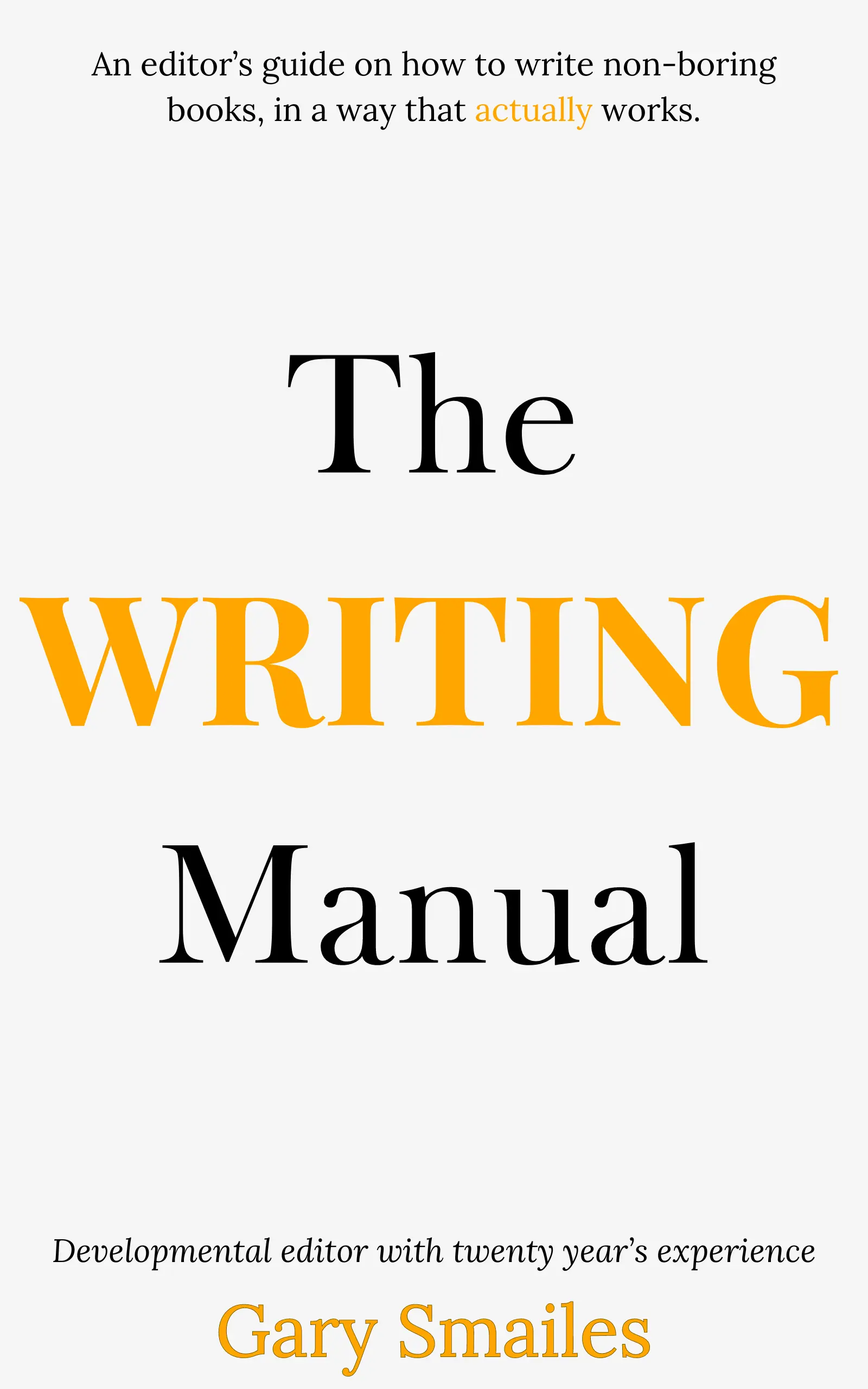
Download FREE ebook
Claim your free eBook today and join over 25,000 writers who have read and benefited from this ebook.
'It is probably one of the best books on writing I've read so far.' Miz Bent
Download your free ebook