How To Get Published: A Step By Step Guide For New Authors


Table of Contents
Understanding Your Publishing Options
You have three roads to readers. Traditional. Self-publishing. Hybrid. One path will suit your goals, budget, and temperament more than the others. Know the trade-offs before you start walking.
Traditional publishing
A publisher handles production, distribution, and much of the marketing. You work with an editor, a designer, a publicist, and a sales team. Payment arrives as an advance against royalties. After sales repay that advance, royalty checks follow.
Trade-offs come with the help. Fewer decisions rest with you. Title, cover, release window, pricing, formats, even flap copy, all largely guided by the house. Timelines run long. Eighteen months from deal to bookstore shelves is common.
A quick snapshot. A debut thriller lands at a mid-size press. Advance totals 20,000 dollars. Hardcover royalty starts at 10 percent of list, then steps up. Trade paper sits around 7.5 percent. Ebook royalty often equals 25 percent of net. The house picks a bold red cover, shifts the title, and schedules spring release. Bookstores order widely thanks to sales reps pitching to buyers. Marketing support exists, though often modest for a debut. Author-led outreach still matters.
Good fit markers:
- A strong desire for bookstore reach and review coverage.
- Comfort with collaboration and shared control.
- Patience for long timelines and uncertainty during submission.
Common snags:
- Long waits from query to offer to launch.
- Rejection walls at every gate.
- Creative choices shaped by market considerations.
Self-publishing
You act as publisher. Hire editors. Commission a cover. Format for ebook and print. Set price and metadata. Upload through platforms such as KDP, IngramSpark, and Draft2Digital. Marketing rests on your plan.
Upside:
- Speed from final draft to launch measured in weeks.
- Full control over title, cover, pricing, release schedule.
- Higher revenue per sale, with direct access to sales data.
Costs and workload arrive early. Budget for editing, cover design, formatting, proofreading, ads, and perhaps audio. A business mindset helps. Series strategy helps even more, especially for digital-first genres.
A snapshot. A romance author releases four books a year in one series. Clean covers, strong tropes, newsletter swaps, steady ad spend, KU enrollment. Revenue grows with each release. Reader trust builds because the next book never feels far away.
Good fit markers:
- Energy for entrepreneurship.
- A release plan beyond one book.
- Willingness to learn the retail systems that govern visibility.
Hybrid publishing
A fee-based service that offers editing, design, and distribution, while leaving creative control and rights with the author. Quality varies across the spectrum. Vet every offer with care.
Green flags:
- Clear, itemized fees.
- Selective acquisitions, not pay-to-play for every manuscript.
- Rights stay with the author.
- Royalties flow in a transparent split.
- National distribution through recognized channels.
Red flags:
- Big promises about bestseller status.
- Mandatory large print runs stored at your expense.
- Claims of ownership over copyright or series branding.
- No editorial standards.
This route suits authors who want professional support and faster timelines, with money up front rather than advances. Success depends on the provider’s distribution strength and your marketing plan.
Genre considerations
Some categories thrive with high digital readership and quick release rhythms.
- Romance, science fiction, and some fantasy reward frequent releases and strong reader-author relationships. Self-publishing excels here.
- Literary fiction benefits from review venues, prize eligibility, and bookstore positioning. Traditional support helps in those channels.
- Non-fiction sits on platform. A business author with speaking gigs, courses, and a newsletter can drive sales through any model. Strong proposals still open doors at traditional houses.
- Picture books require art budgets and school-library reach. Traditional distribution helps with education markets.
Always study your shelf neighbors. Where do readers in your niche find new titles? Who sells to them well?
Financial realities
Money flows differently across models. Know the math before signing or uploading.
Traditional:
- Advance paid in parts, often on signing, on manuscript acceptance, on publication.
- Royalty rates lower per unit, with broad distribution and no upfront production costs for the author.
- Earn-out matters. No royalties until sales cover the advance.
Self-publishing:
- Ebook revenue often equals about 70 percent of list price within certain price bands, minus delivery fees. Print on demand yields smaller margins per copy.
- Upfront costs vary. A reasonable indie budget for one novel might run 2,000 to 6,000 dollars across editing, cover, formatting, and initial ads.
- Backlist power drives sustainability. Each new release lifts prior titles.
Hybrid:
- Fees paid upfront for services.
- Royalties shared afterward, often higher than traditional rates but lower than self-publishing.
- Break-even depends on production costs, price, and your ability to drive sales.
Audio, print rights in other countries, and film options form additional revenue streams across all models. Rights management requires care. Read every contract twice. Ask questions until terms feel clear.
Action step
Pick three authors in your genre who followed different paths. One traditional, one indie, one hybrid or mixed. Study release cadence, pricing, formats, and covers. Note platform choices, from newsletters to TikTok to conference talks. Track revenue clues from interviews, newsletters, or public deal announcements. Write a one-page breakdown for each author. Patterns will jump off the page, and those patterns will guide your next move.
Preparing Your Manuscript for Submission
Your pages need to stand on their own. No favors, no excuses. Clean, complete, and ready for a stranger’s desk.
For fiction
Finish the book. Polished, not a rough draft with dreams. Debut authors do not get partials. Target a range between 50,000 and 120,000 words, guided by genre.
- Romance often lands between 70,000 and 90,000.
- Thrillers sit around 75,000 to 100,000.
- Fantasy and science fiction lean longer, often 90,000 to 120,000.
- Literary often 70,000 to 100,000.
Query before completion and you invite an instant pass. Finish, revise, then query.
A quick gut check:
- Does each scene move plot or deepen character?
- Does every chapter end with forward momentum?
- Are stakes clear by page ten?
For non-fiction
You pitch a promise, then prove you can deliver. Build a proposal that shows authority, market fit, and a plan.
Include:
- Overview with hook and outcome for readers.
- Target audience with size and access points.
- Competitive and complementary titles with positioning.
- Author bio with platform details, reach, and speaking history.
- Marketing plan beyond “post on social.”
- Chapter outline with brief summaries.
- Two strong sample chapters.
- Projected word count and timeline.
Agents and editors buy confidence. A tight proposal reads like a plan, not a wish.
Editing, the three passes
You want three sets of eyes, each with a different purpose.
- Developmental editing. Big-picture story and structure. Plot logic, chapter order, voice, pacing, and character arcs. Expect hard notes. This is where you cut subplots, reorder reveals, and fix sagging middles.
- Copyediting. Sentence-level clarity and consistency. Grammar, usage, tense, point of view, continuity, and style. Invest here at minimum. Sloppy prose kills trust.
- Proofreading. Final pass for typos, punctuation, and formatting errors. Done last, after layout for self-publishing or after copyedits if you plan to query.
If budget stretches to one service, pick copyediting. If budget allows two, pair developmental and proofreading on either end of your own heavy revision.
Mini-exercise: print ten pages from the middle. Mark every line that repeats information. Cut half. Read aloud. Stumbles point to edits.
Formatting that respects the reader
Standard format removes friction for the person screening your work.
- 12-point Times New Roman.
- Double-spaced.
- One-inch margins.
- Indent paragraphs by half an inch. No extra line between paragraphs.
- Left aligned. Ragged right.
- One space after periods.
- Header with last name, short title, and page number.
- Start each chapter on a new page.
- Use a single hash or a blank line for scene breaks.
- Title page with book title, your name, contact information, and word count.
- Save as .doc or .docx unless guidelines request something else.
- Use a clean file name. LastName_Title_Manuscript.docx.
Follow posted guidelines over anything written here. House rules win.
Beta readers and critique partners
Before strangers read your work, recruit smart readers who love your genre. Friends who avoid reading will not help. Aim for three to six people who match your target audience.
Give a brief with expectations:
- One sentence on your book’s promise.
- The audience you hope to reach.
- Three questions you want answered. For example, where did you lose interest, which character felt flat, where did pacing drag.
Set a deadline. Two to four weeks works for most people. Collect notes in one place. Look for patterns. If four readers raise the same issue, address it. If one person hates your favorite chapter in isolation, weigh that note lightly.
Etiquette matters. Thank readers. Credit them if you sell the book, with permission.
Build a revision timeline
A plan beats endless tinkering. Give each pass a job, then assign a date.
Sample timeline for fiction:
- Week 1 to 2. Cool down. No edits. Read widely, not your book.
- Week 3. Read-through with a notebook. No line edits. List structural fixes.
- Week 4 to 6. Revise for structure and pacing. Complete one full pass.
- Week 7. Send to beta readers with your brief.
- Week 8 to 9. Rest. Draft a query synopsis or refine your proposal.
- Week 10. Review feedback. Identify top three issues to fix.
- Week 11 to 12. Copyedit pass. Tighten sentences. Hunt clichés and repeats.
- Week 13. Proofread. Fresh eyes if possible.
Non-fiction follows a similar arc, though focused on proposal polish and sample chapters.
Put dates on a calendar. Treat them like appointments.
Manuscript readiness checklist
Open your document. Go line by line. Mark yes or no. No room for “almost.”
Story and structure:
- Clear premise laid out early.
- Protagonist goal, stakes, and obstacles on the page.
- Consistent point of view without head hopping.
- Logical timeline with no broken days or magical travel.
- Satisfying ending that resolves core conflict without whiplash twists.
Character:
- Distinct voices without interchangeable dialogue.
- Growth or change visible by the final chapters.
- Motivations aligned with actions.
Prose:
- Strong verbs. No filler phrases.
- No pet words clogging the page.
- Pacing fits the scene purpose.
- Dialogue tags clean and minimal. Action beats used where needed.
Continuity and facts:
- Names, ages, and details consistent.
- Research checks for dates, tech, and procedures.
- No brand or lyrics usage that triggers rights problems.
Formatting and submission:
- Standard format in place.
- Word count within genre norms.
- File named and saved in the requested format.
- Query or proposal materials prepared to match guidelines.
If you hit three or more no answers, pause submissions. Fix the list. Then share with one sharp reader for a quick spot check. You want the next set of eyes to see your best work, not your hopes.
Finding and Querying Literary Agents
You need a gatekeeper. Publishers want someone else to filter the pile. Most major houses accept agented submissions only, leaving unagented authors locked out of the biggest deals.
Agents earn their cut. They negotiate contracts, spot red flags, handle business talks, and advocate when publishers drag their feet. They know which editors buy what and when. A good agent pays for themselves on the first deal.
Research like a detective
Start with QueryTracker. Free database with agent details, response times, and success rates. Cross-reference with PublishersMarketplace if you have access. Look up recent deals in your genre. Note which agents closed them.
Check acknowledgment pages in books you love. Authors thank their agents by name. Build a list from your favorite reads. These agents already love books like yours.
Conference listings work too. Agents who speak at writing conferences often take pitches. Look for genre-specific events. A romance conference agent knows romance. A mystery conference agent knows mysteries.
Quick tip: follow agents on Twitter. They post wish lists, share client successes, and reveal personality. Skip anyone who sounds bitter or dismissive.
Match your genre precisely
Agents specialize. A literary fiction agent won't touch your space opera. A romance agent won't pitch your memoir. Check their client lists. Review recent deals. Look for books similar to yours.
Red flags to avoid:
- Agents who claim they represent "everything."
- No recent sales in your category.
- Client list heavy on one author or outdated deals.
- Fees upfront for reading or considering your work.
Green lights to pursue:
- Recent sales in your exact genre.
- Clients with publishing paths you want.
- Active social media with genre enthusiasm.
- Member of Association of Authors' Representatives.
Build a target list of fifty agents minimum. You need options when rejections arrive.
The query letter formula
Three paragraphs. One page. No exceptions.
Paragraph one: the hook. Start with your protagonist facing the central problem. Name, age, situation, stakes. Make us care in two sentences.
Example: "When sixteen-year-old Maya discovers her missing brother left coordinates to an abandoned research facility, she has forty-eight hours to find him before the military covers up their illegal experiments."
Paragraph two: the story. Plot summary in 150-200 words. Hit the major beats without spoilers. Show conflict, obstacles, and why the ending matters. Skip subplots. Focus on the main character's journey from problem to resolution.
Stop before the climax. Agents want to know you have an ending, not what it is.
Paragraph three: the business. Genre, word count, comp titles, and author bio. Keep bio short unless you have writing credentials or relevant expertise.
"TITLE is a 75,000-word young adult thriller that combines the government conspiracy of The Maze Runner with the family loyalty of We Were Liars. I teach high school chemistry and hold a degree in biochemistry."
Personalize each query. Mention why you picked this agent. Reference a client, interview, or wishlist item. One sentence. No need to grovel.
Subject lines and submission mechanics
Subject line format: "Query: TITLE (Genre, word count)."
Clean. Professional. No cute tricks.
Use your real name in the email address. Avoid cute handles or numbers. AgentSmith2024@email vs. realname@email. Pick the professional one.
Follow guidelines exactly. Query only means query only. No attachments unless requested. Pages pasted in the email when asked. Synopsis format as specified.
Double-check requirements for each agent. Some want sample pages. Others want a synopsis. Most want the query letter alone first.
Response time expectations run six to eight weeks. Some agents respond to all queries. Others respond only to requests. Check their website for policy.
Build your tracking system
Spreadsheet time. Column headers:
- Agent name
- Agency
- Email address
- Date submitted
- Response (request, pass, no response)
- Notes (referral source, specific interests)
- Follow-up date
Track personalization details. "Mentioned client Jane Doe's debut" helps when they request pages six weeks later.
Set batches of five to ten queries at a time. Wait for responses before sending the next batch. If early queries generate requests, you know the letter works. If they all pass quickly, revise before continuing.
Never query an agent twice with the same project. Keep records to avoid accidents.
Multiple query versions
Write three different query letters. Same story, different emphasis. Test with critique partners or writing groups before mass submission.
Version A: character-focused opening.
Version B: plot-driven hook.
Version C: high-concept premise lead.
See which generates the most interest. Adjust future queries based on results.
Example variation:
Version A: "Teenage hacker Zoe never meant to expose a conspiracy."
Version B: "A data breach reveals government lies about alien contact."
Version C: "What happens when the truth about first contact comes from a high school student's laptop?"
Same book. Different angles. Test to see what agents respond to.
Red flag agents to avoid
Some people call themselves agents but earn money from writers, not publishers. Legitimate agents earn commission on sales only.
Warning signs:
- Reading fees or evaluation charges.
- Editing services sold before representation.
- No verifiable sales to major publishers.
- Promises about guaranteed publication.
- Aggressive marketing or cold calls to authors.
Check Preditors and Editors database. Search agent names with "scam" or "complaint" added. Ask for client references and recent sales. Real agents provide proof.
When agents respond
Request for pages means interest, not acceptance. Send exactly what they ask for in the format requested. Respond within a week if possible.
Rejection means no, not maybe. Thank them and move on. Do not argue or ask for feedback. Professional responses only.
Full manuscript requests deserve priority. Read the agent's client list again. Prepare for phone calls about revisions or other projects. Hope, but keep querying until you get an offer.
Multiple offers create good problems. Let all interested agents know about competing interest. Pick the agent who best fits your career goals, not necessarily the biggest name or first offer.
The query process takes time. Months, not weeks. Start with your strongest letter and most-wanted agents. Adjust strategy based on early responses. Persistence and professionalism win more than talent alone.
Direct Publisher Submissions and Small Press Strategy
No agent yet. No problem. Some publishers invite writers to submit straight to the editors. Most are small presses with a clear niche and a lean team. If your book fits, you stand a shot.
Find open doors
Start with the publisher's website. Look for "Submissions" or "For Authors." You want clear instructions, a list of genres, and named editors. Scan catalogs to see recent titles. If your book would look odd on that list, move on.
Where to search:
- Duotrope and Submission Grinder for presses and calls.
- NewPages for indie publishers by genre.
- Acknowledgments in books you admire. Many authors thank their small press editor by name.
- Conference programs and YouTube panels. Editors often repeat what they seek.
Vet them. Real presses pay authors, work with trade distributors, and have books in stores or libraries. They do not charge writers to publish.
Fit the niche, hit the window
Many presses read on a schedule. Spring and fall windows are common. Some hold themed calls, like "cozy mysteries set in small towns" or "climate essays." Mark those dates. Prep early.
Think like an editor with limited hours. If your romance lands during a horror-only window, it will be a quick pass. Match your category, length, and tone to their list. Then submit on day one or two of the window. Fresh eyes help.
Why small presses work
- Faster replies. Weeks, not seasons.
- Real partnership. You will talk to your editor, maybe the publisher too.
- Focused marketing. They know their readers and where to reach them.
- Backlist love. Many keep books in print and on conference tables for years.
Do they have big budgets? No. Do they spend smart on covers, ARCs, and targeted ads when a book fits their lane? Yes.
What to send and how to send it
Read guidelines like a contract. Some ask for a query only. Others want the first 30 pages or the full. Many specify file names, fonts, and subject lines.
Sample subject line:
Submission: TITLE, Genre, Word Count
A short, clean cover email works:
- One sentence with title, genre, and word count.
- A tight 150–200 word pitch.
- One line on comps.
- One or two lines on you with relevant credits or expertise.
Paste pages in the email if requested. Attach files only when allowed. Use standard format. Times New Roman, 12 point, double spaced, one-inch margins, proper headers.
Exclusives and simultaneous submissions
Some presses require exclusive review. Others allow simultaneous submissions. Respect the rule.
If exclusive:
- Send to one press at a time.
- Ask for a timeline if none is posted.
- If an exclusive drags past the stated window, a brief nudge is fine.
If simultaneous:
- Track every submission date.
- If an offer arrives, notify all other presses still reading and give a decision deadline.
Never send a mass email with editors cc'd. Individual notes only.
Read the contract like a hawk
Before signing, slow down. A fair small press contract includes reasonable royalties, clear rights, and real reversion language.
Key points to review:
- Royalty rate. Percent of list price vs net receipts. Know the base.
- Rights granted. Print, ebook, audio, translation, film. Grant the pieces they will exploit, hold the rest.
- Term and territory. World English or regional. Multi-year term with a path out.
- Reversion clause. Out-of-print triggers based on sales, not "available" status.
- Advance. Some small presses pay small advances, some pay on royalties only. Either path needs clear accounting and schedules.
- Marketing commitments. ARCs, trade reviews, digital promos, conference presence. Look for specifics, not vague promises.
- Option and non-compete. Narrow scope. Next book in the same series, not your whole career.
- Author copies and discounts. Useful for events and direct sales.
If anything feels muddy, ask for clarity in writing. Get an agent or a publishing attorney to review if possible. A good press will not balk.
Build a publisher pipeline
Treat submissions like project management. A simple spreadsheet works.
Suggested columns:
- Press name and imprint
- Genres sought
- Reading periods
- What they want sent
- Contact email and editor
- Date sent
- Status and notes
- Expected response date
- Outcome
Work in waves. Five to eight submissions per wave. Wait for results. If feedback points to the same issue, revise, then move to the next wave.
Where calls appear in the wild
Editors announce openings in places writers often skip. Go where they are.
- Genre Facebook groups and Discord servers.
- r/PubTips and r/Authors on Reddit.
- SFWA, HWA, and RWA forums for members.
- Small press newsletters. Many invite signups on their sites.
- #MSWL on Twitter and Bluesky, filtered for presses.
Set an alert with your genre and "open submissions." Check weekly.
A short case study
Tanya wrote a 60,000-word rural noir. Agents passed, saying "too quiet." She researched indie crime presses with similar tone. Found one with a spring window and a call for "rural voices." She submitted day one with a clean pitch and sample pages.
Two weeks later, a request for the full. A month after that, an offer with modest terms and strong distribution through Ingram. The press sent ARCs to crime blogs and booked her for a noir panel at Bouchercon. Sales were solid, and foreign rights for one territory sold the next year. Not a lottery ticket. A steady start.
Building Your Author Platform and Marketing Foundation
Platform means two things. Reach and trust. Who hears you, and who believes you. Agents look. Editors look. Readers look. Start now, even if the book still needs work.
Know your reader
Pick one ideal reader and write a quick profile.
- Age range and life stage
- Favorite authors
- Where they hang out online and offline
- Daily problems or delights
Now circle two places where this reader already spends time. Build there first. One home base for content. One social platform for conversation.
The minimum setup
You need three pieces in place before launch talk.
- A simple website on yourname dot com
- An email list with a live signup
- One or two social profiles you will use
Keep it lean. Keep it consistent.
Website checklist:
- About page with a short bio and a friendly photo
- Book page with a sharp pitch, word count, genre, and comps
- Email signup block on every page
- Contact form
- Media page with a downloadable headshot, short bio, and long bio
No music. No pop-ups that trap people. Clear text, fast load, mobile friendly.
Email beats everything
Social shifts. Email stays. A list gives you direct access to readers, no algorithm in between.
Set it up in a weekend.
- Pick a service. MailerLite, ConvertKit, or Flodesk work for beginners.
- Create a lead magnet. Offer something worth an email address.
- Build a signup form. Put it on your site and link it in your social bios.
- Write a welcome sequence. Three to five emails over two weeks.
Lead magnet ideas by genre:
- Romance. A bonus epilogue, a meet-cute short story, or a trope checklist.
- Mystery and thriller. A prequel case, a suspect board template, or a clue-hunting guide.
- Fantasy and sci-fi. A world map PDF, a glossary, or a side story from a fan-favorite character.
- Business and self-help. A one-page framework, a scorecard, or a mini workbook.
- Literary. A personal essay, a reading guide, or annotated first chapter.
Welcome sequence outline:
- Email 1. Deliver the magnet. Say thanks. Set expectations for frequency.
- Email 2. Share origin story in 200 words. Ask one simple question to invite replies.
- Email 3. Offer value. A reading list, a tip, or a behind-the-scenes note.
- Email 4. Introduce the book. One paragraph pitch and a link for more.
- Email 5. Invite them to follow your top social profile.
Aim for one newsletter per month while drafting. Shift to twice a month three months before launch.
Pick your lanes by genre
- Romance. Instagram, TikTok, and Facebook reader groups drive discovery. Use trope-forward hooks, quotes on images, and quick behind-the-scenes reels. Share cover reveals, playlists, and spicy or sweet snippets within platform rules.
- Business and leadership. LinkedIn first. Short, clear posts with a strong takeaway. Speak at meetups and webinars. Pitch podcasts where your target clients listen. Collect emails from every talk.
- Literary. Publish short work. Journals, anthologies, or online magazines. Read at local series. Share thoughtful essays on Substack or your site. Agents and editors read these spaces.
- Kidlit. Teachers and librarians live on Twitter and Instagram. Create classroom guides and activity sheets. Attend library conferences.
- Genre fiction like sci-fi or horror. Subreddit communities, Discord servers, and targeted newsletters. Share covers, art, and convention photos. Respect each group's rules.
Pick two content buckets and repeat them. For example, Value and Story. Or Tips and Snippets. Consistency beats sprints.
Content marketing that earns trust
Think in small, repeatable pieces.
Weekly rhythm example:
- Monday. One short post aimed at your reader's interest. One image. One link if needed.
- Wednesday. A reel or short video. 15 to 30 seconds. One idea, one CTA.
- Friday. One email or a section drafted for your next newsletter.
Guest spots grow reach faster than lone posting.
- Offer a 700-word article to a site your readers love.
- Pitch three podcasts with a topic you teach well.
- Teach a one-hour workshop for a library or writers group.
Make pitches easy to accept. A subject line with a clear benefit. Two or three bullet points for takeaways. Your bio in two lines. A link to a past clip or post.
Network without feeling gross
Go where the work lives.
- Attend one conference in your genre this year. One local, one major if funds allow.
- Join one professional group. RWA, SFWA, HWA, SCBWI, or a regional guild.
- Engage in one online community every week. Give more than you ask.
How to introduce yourself in email:
Subject: Quick hello from a [genre] writer
Hi [Name],
I enjoyed your panel on [topic] and took notes on [specific point].
I write [genre, word count] with [two comps]. I would love to stay on your radar for [guest post, podcast, event] on [specific angle].
Here are two takeaways readers would receive:
- [Takeaway 1]
- [Takeaway 2]
Bio: [Two lines].
Thanks for your time,
[Name]
[Links]
Short, clear, respectful. Follow up once two weeks later.
Build a six-month plan
The first rejection stings. The tenth feels routine. The fiftieth makes you question everything. This is normal. This is publishing.
The numbers game
One to two percent of queries result in representation for new authors. Those are rough odds, but they tell a story. Your book needs to be excellent AND find the right agent at the right moment. Excellence you control. Timing you don't.
If you send fifty queries and get three requests for pages, you're on track. If those three requests lead to one offer, you've beaten the odds. If they lead to passes with feedback, you have gold.
Most rejections arrive as form letters. "Not a good fit." "Didn't connect." "Tough market." These tell you nothing actionable. File them and move on.
The rejections that matter come with specifics. "The pacing drags in the middle third." "Your protagonist feels passive." "The romance subplot overshadows the mystery." When three agents mention pacing, you have pacing problems.
Track patterns, not emotions
Open a spreadsheet. Columns for Agent Name, Date Sent, Response Date, and Feedback Notes. The last column matters most.
Example entries:
- Agent A: "Beautiful writing but the stakes felt too low."
- Agent B: "Loved the voice but wanted higher stakes."
- Agent C: "Gorgeous prose. Stakes need to be life-or-death."
Three different agents. Same note. Time to raise the stakes.
Other patterns to watch:
- Character issues. "Protagonist feels young for the market." "Secondary characters blend together."
- Plot problems. "Predictable ending." "Slow start." "Sagging middle."
- Market fit. "This feels more women's fiction than literary." "Too quiet for commercial thriller."
- Execution gaps. "Show don't tell issues." "Dialogue feels stiff."
When you see the same critique three times, stop querying. Fix the problem. Test with beta readers. Query again with fresh agents.
Timeline reality check
Traditional publishing crawls. Factor these timelines into your plans:
Querying phase: 6 to 18 months
- Most agents respond within 6 to 8 weeks
- Some take 3 months
- A few never respond at all
- If you get requests for fulls, add 2 to 6 months for their review
Contract to publication: 12 to 24 months
- Editing rounds take 3 to 6 months
- Cover design and marketing prep take 6 months
- Print scheduling adds 3 to 6 months
Total timeline from first query to bookshelf: 2 to 3.5 years.
Writers often query for six months, get discouraged, and quit. Six months barely scratches the surface. Plan for the long game.
When to revise versus when to trunk
You've sent forty queries. Ten form rejections, thirty no responses. No requests for pages. Time to workshop the query letter.
You've sent forty queries. Twenty rejections, five requests for pages, all five passed on the full. Time to workshop the manuscript.
Common revision triggers:
- Multiple agents love the premise but pass on the execution
- Consistent feedback about the same story element
- High query response rate but low offer rate
- Beta readers and professional feedback align on weak spots
When to trunk a project:
- You've queried your entire agent list without a single page request
- Multiple rounds of professional feedback haven't fixed core issues
- You've fallen out of love with the story and forcing it shows
- Market conditions have shifted away from your concept
Trunking feels like failure. It's not. Every writer has trunk novels. They're part of your education, not wasted effort.
Building your Plan B
Traditional publishing might not work for Book One. Plan for that possibility upfront.
Self-publishing timeline:
- Professional editing: 2 to 4 months
- Cover design: 2 to 4 weeks
- Formatting and proofreading: 2 to 4 weeks
- Marketing setup: 1 to 3 months
- Total: 4 to 8 months from decision to launch
Hybrid approach benefits:
- Build readership with self-published books
- Prove market demand with sales data
- Develop your author platform and marketing skills
- Create leverage for future traditional deals
Many successful traditional authors started indie. Hugh Howey self-published Wool, then sold it to traditional publishers worldwide. Andy Weir built readership with The Martian online before Crown picked it up.
Self-publishing success requires different skills than traditional. Marketing, community building, and business management become your job. But you keep creative control and higher royalty rates.
The career perspective
Think beyond Book One. Your first novel might not sell traditionally. Your second might. Or your fifth.
Lisa See's first novel was rejected by everyone. She wrote three more before Snow Flower and the Secret Fan launched her career. Gillian Flynn published two literary novels before Gone Girl made her a household name. Stephen King's first novel was rejected thirty times.
Each book builds skills. Each rejection teaches lessons. Each connection plants seeds for future opportunities.
Writers quit too early because they think linearly. Publish Book One, become successful, retire rich. The real path winds. Book Three sells because Books One and Two built credibility. The agent who passed on your debut loves your sophomore effort. The editor who rejected your thriller wants your mystery.
Your rejection action plan
Month 1-3: Send first batch of queries. Twenty-five agents maximum. Track responses in your spreadsheet.
Month 4-6: Analyze results. If no page requests, revise the query. If page requests but no offers, gather beta feedback on the manuscript.
Month 7-9: Implement revisions. Test changes with critique partners. Send second batch of queries to fresh agents.
Month 10-12: Evaluate total results. Strong response rate but no offers? Keep querying. Weak response rate across fifty queries? Consider major revisions or trunking.
Year 2: If traditional querying stalls, launch self-publishing timeline. Continue writing Book Two. Some authors land traditional deals on their third or fourth completed manuscript.
A rejection that changed everything
Sarah queried her debut fantasy for eighteen months. Eighty-seven rejections. Three requests for partials. Zero requests for fulls.
Instead of giving up, she analyzed the pattern. Agents loved her world-building but called the plot "meandering." She spent four months tightening the story structure. Removed two subplot threads. Shortened the manuscript by 15,000 words.
Second round of queries: Forty-three rejections, twelve requests for partials, four requests for fulls, two offers of representation.
The difference? She treated rejections as data instead of verdicts.
Managing the emotional toll
Rejection hits writers hard because we pour ourselves into our work. Each pass feels personal. It's not.
Agents reject books for dozens of reasons unrelated to quality. They already represent similar work. The market feels saturated. They don't connect with the voice. Their client list is full. They're going through personal changes.
You'll never know the real reason. Don't waste energy guessing.
Practical coping strategies:
- Query in batches. Wait for responses before sending more.
- Keep writing. Book Two helps you worry less about Book One's fate.
- Set check-in dates. Review progress monthly, not daily.
- Celebrate small wins. A personalized rejection beats a form letter.
- Connect with other writers. Publishing community provides perspective and support.
When success arrives
It might come suddenly after months of silence. An agent requests your full on a Friday and calls with an offer the following Tuesday. Or gradually, with multiple agents requesting pages over several weeks.
Either way, you'll face new decisions. Which agent offers the best fit? How do you negotiate contract terms? What happens if multiple publishers want the book?
Success brings its own stress. Imposter syndrome. Pressure to repeat. Marketing responsibilities. Editorial feedback that requires major revisions.
But these are good problems. The kind you solve after celebrating with people who supported you through the long slog of querying.
Keep querying. Keep writing. Keep improving. Your book will find its home when the timing aligns with preparation and persistence.
Frequently Asked Questions
How do I choose between traditional, self-publishing and hybrid — which publishing route suits my goals and budget?
Match the route to your goals, timetable and resources. Traditional publishing buys production, distribution and some publicity but means longer timelines, less creative control and reliance on advances plus earn‑out; self‑publishing gives full control and higher per‑sale revenue but requires a self‑publishing budget for editing, cover, formatting and marketing; hybrid sits between, trading upfront fees for professional services while you retain rights.
Also consider genre fit and temperament: frequent‑release genres often favour indie models, literary and picture‑book markets benefit from traditional distribution, and hybrid can suit authors who want professional help quickly — so weigh reach, control and cashflow before deciding.
How long does traditional publishing usually take from query to bookshelf?
Expect the whole process to be measured in years. Querying and agent searches often take 6–18 months; once an agent sells the book, contract to publication commonly runs 12–24 months to allow for editing, design, marketing and print scheduling — total timelines of roughly 2 to 3½ years are normal.
Bear in mind advances are paid in instalments and royalties only kick in after the advance is earned out, so financial timing and career planning should factor into your choice of route.
What are realistic upfront costs for self‑publishing and where should I spend the money?
Budget ranges vary, but a reasonable indie budget for a single novel typically sits between about $2,000 and $6,000 depending on the quality of editorial and design you choose. Prioritise professional copyediting, a strong cover designer, and formatting for ebook and print; add proofreading and modest launch marketing if funds allow.
Spend strategically: editing first, then cover/format, then marketing. If you plan a series, factor ongoing production and ad spend into your series strategy, because backlist momentum usually determines long‑term indie income.
What should I include in a non‑fiction book proposal to attract agents or editors?
Write a tight package that proves market fit and delivery. Include an overview with a clear hook and reader outcome, a defined target audience with access points, competitive and complementary titles, a concise author bio showing platform or expertise, a practical marketing plan beyond “post on social”, a chapter outline with summaries, two strong sample chapters, projected word count and timeline.
Agents and editors want confidence that you can sell and deliver the book; a proposal that reads like a business plan — not a wish list — will stand out.
How do I prepare a fiction manuscript for submission and what is standard format?
Finish and polish the book before querying: aim for genre‑appropriate word counts (e.g. 70–90k for many romances, 90–120k for epic fantasy), make sure stakes are clear early, and run the three editing passes — developmental, copyediting and proofreading. If budget allows, hire professional editors; if not, recruit sharp beta readers and critique partners.
Use standard manuscript format to remove screening friction: 12‑point Times New Roman, double‑spaced, one‑inch margins, half‑inch paragraph indents, header with name/title/page number, and a title page with contact and word count; submit in .doc or .docx unless guidelines specify otherwise.
How should I find and query literary agents — and what makes a strong query letter?
Research agents via tools like QueryTracker, PublishersMarketplace, acknowledgements in books you admire and conference listings; build a large target list and match agents to your precise genre. Avoid agents who charge reading fees or claim they represent everything.
Send a one‑page query in three short paragraphs: a two‑line hook that names the protagonist and stakes, a 150–200 word story summary focusing on the main beats, and a brief business paragraph (genre, word count, comps, and a short author bio). Track submissions in a spreadsheet and send queries in small batches to test and refine your approach.
What signals tell me to revise, trunk a project, or choose Plan B like self‑publishing?
Use rejections as data, not verdicts: track feedback patterns. If multiple agents flag the same issue (pacing, stakes, protagonist passivity), prioritise revision. If you get zero page requests across many queries, overhaul the query or the manuscript; if you get several fulls but no offers, listen to revision themes from readers and pros.
Consider trunking when you no longer believe in the project or fixes don’t resolve core problems. Build a Plan B in advance: a self‑publishing timeline (roughly 4–8 months for professional editing, design and launch prep) lets you move forward while writing Book Two and keeps momentum in your writing career.
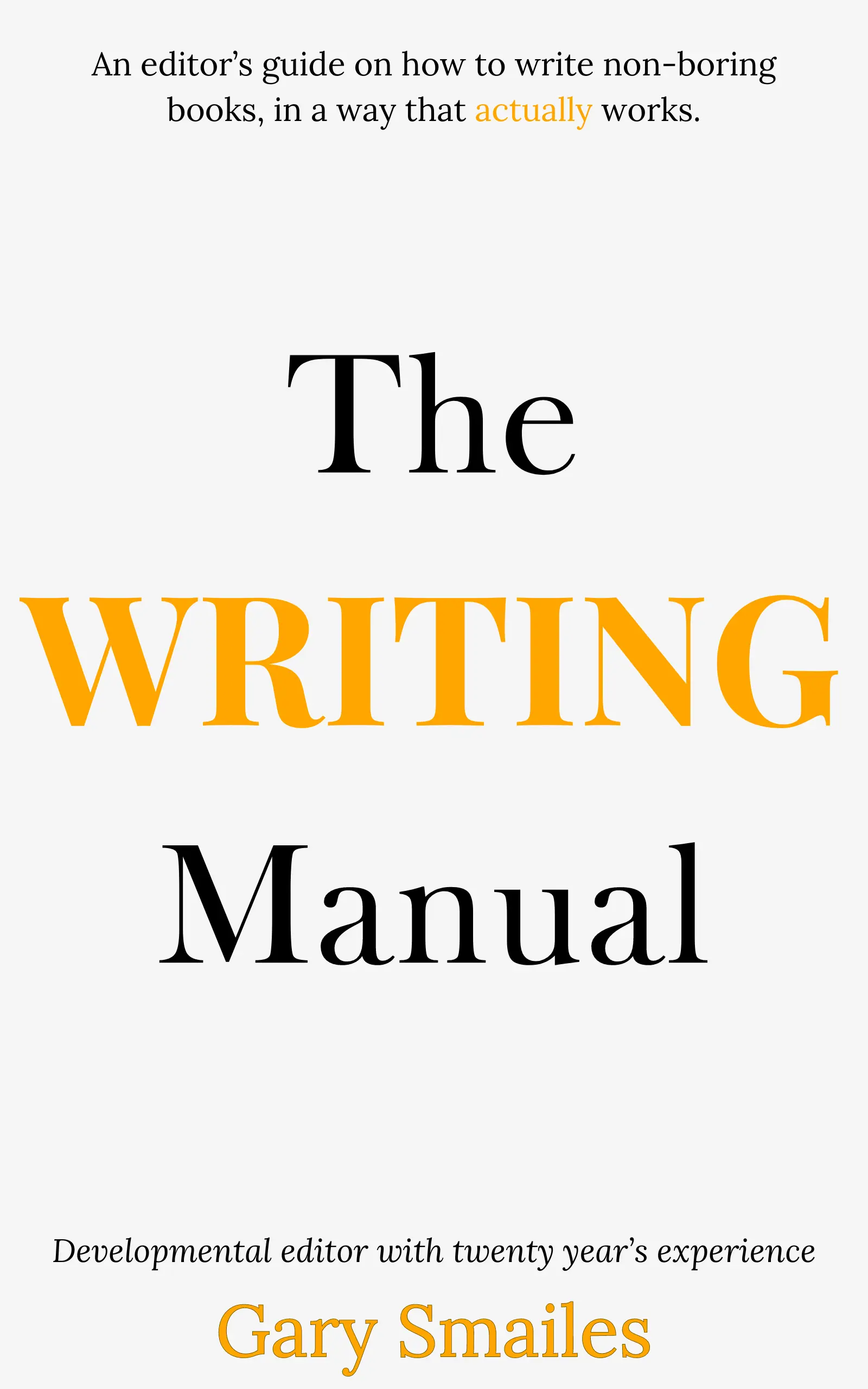
Download FREE ebook
Claim your free eBook today and join over 25,000 writers who have read and benefited from this ebook.
'It is probably one of the best books on writing I've read so far.' Miz Bent