The Hidden Costs Of Self Publishing (And How To Budget For Them)


Table of Contents
Essential Professional Services You Can't Skip
You want a book readers trust with their time and money. That means paying for the parts readers notice first, even if they never say it out loud. Editing, cover, formatting, identifiers, and legal protection. Skip one, and the whole project wobbles.
Editing: where a draft becomes a book
Professional editing is non-negotiable. Not because editors are precious, but because blind spots live in every draft.
- Developmental editing, 1,000 to 3,000 dollars. Structure, pacing, character arcs, argument flow for nonfiction. Expect an editorial letter, margin notes, and clear revision priorities.
- Copyediting, 500 to 1,500 dollars. Sentence rhythm, word choice, consistency, timeline checks, style sheet.
- Proofreading, 300 to 800 dollars. Final pass for typos, punctuation, and layout glitches after formatting.
Budget ranges shift with word count and editor experience. A 90,000-word epic needs more time than a 35,000-word guide. Tight timelines cost more.
How to hire well:
- Ask for a paid sample on 1,000 words. Judge clarity of notes and respect for your voice.
- Check references from authors in your genre. Results beat résumés.
- Lock scope in writing. Services included, number of rounds, delivery dates, file handoff format.
Save money without undercutting quality:
- Use beta readers first. Gather feedback on structure and stakes before paying for a pro.
- Clean up obvious issues. Run a spellcheck, fix formatting, remove double spaces, unify quotes.
- Create a style sheet. Names, places, hyphen preferences, capitalization rules. Share with everyone on the project.
A quick exercise. Write a one-page revision brief. Top three problems to fix. Top three strengths to protect. Hand this to your editor. Strong briefs reduce wasted time.
Cover design: packaging sells the book before page one
A custom cover does heavy lifting. Genre signals. Instant tone. Clarity at thumbnail size. For most genres, expect 200 to 800 dollars for a professional designer. Premade covers, 50 to 300 dollars, suit some niches, though uniqueness in crowded spaces often wins.
How to brief a designer:
- Three to five comparable titles, with notes on what works.
- Exact title, subtitle, series tag, author name, target audience.
- Mood words and trope cues. Dark academia with romantic tension. Cozy small-town mystery with a cat. Clear signals help readers sort fast.
- Back cover copy and imprint logo if you have one.
Ask about:
- Stock image licensing, exclusive vs non-exclusive.
- Source files for future tweaks.
- Series branding plan. Fonts, layout, and imagery that scale to books two and three.
Red flags:
- Crowded type that vanishes at thumbnail.
- Art that fights the genre. A pastel romcom look on a gritty thriller will sink sales.
- No contract or no mention of image rights.
A quick test. Shrink the draft cover to 100 pixels wide. If title and genre vibe still read, you are in range.
Interior formatting: credibility on every page
Readers forgive a lot until the inside looks sloppy. Bad hyphenation, cramped margins, or widowed lines pull attention away from your story or argument.
Expect 100 to 500 dollars for both print and ebook files from a reputable formatter. DIY tools help. Vellum, around 250 dollars one-time, creates clean EPUB and print PDFs for Mac. Atticus offers a cross-platform option on subscription. InDesign works, though learning time adds hidden cost.
Nonfiction with tables and images needs extra care. So does poetry or any book with complex layout.
What a pro formatter delivers:
- Print-ready PDF with proper trim size, margins, headers, and page numbers.
- Reflowable EPUB for most retailers, tested on major devices.
- Front and back matter set up for conversions. Title page, copyright, table of contents, acknowledgments, author note, and strong calls to action.
Quality checks before approval:
- Run EPUBCheck and review in Kindle Previewer.
- Order a print proof. Flip through, pencil in issues, repeat if needed.
- Inspect chapter openers, scene breaks, and special characters.
Protect your files. Store final versions with clear labels by date and version number.
ISBNs: control over your publishing identity
ISBNs assign ownership and make distribution clean. In the United States, Bowker sells single ISBNs for 125 dollars. A 10-pack costs 295 dollars. A 100-pack costs 575 dollars. Multi-book authors save a fortune with a pack.
Own your ISBNs to keep your imprint listed as publisher. Free platform numbers point to the platform imprint, which limits bookstore acceptance and muddles rights perception.
One ISBN per format. Ebook, paperback, hardcover, audiobook, each needs its own. Barcodes for print pull from your ISBN and price, often included by a designer or available through Bowker.
Outside the U.S., pricing and agencies differ. Check your national agency before purchase.
Copyright registration: pay for protection
Copyright exists on creation. Registration gives leverage. In the U.S., 45 to 65 dollars per work through the Copyright Office. Registration unlocks statutory damages and attorney fees during infringement claims, which changes settlement math fast.
Timing matters. File before or within three months of publication to preserve full remedies. Keep a dated copy of the final manuscript and the exact files sent to retailers.
Tips for a smooth filing:
- Use your full legal name and your imprint as claimant when appropriate.
- List all authors and contributors. Editors and designers usually fall under work-for-hire, confirmed in contracts.
- Upload clean files, one definitive version.
Keep proof of payment and registration certificates in your business records.
Budget snapshot and priority order
If funds feel tight, rank spending by reader impact.
- Editing. The biggest lift on quality and reviews.
- Cover. The biggest lift on click-through.
- Formatting. The biggest lift on trust and readability.
- ISBNs. The biggest lift on control and long-term flexibility.
Marketing and Promotion Expenses
Publishing the book is step one. Getting readers to notice it is the expensive part. Marketing costs stack up fast, and the temptation to skip them feels strong when the manuscript is finally done. Don't skip them. Budget for them upfront.
Amazon Ads: where most self-publishers burn money first
Amazon Ads eat budgets. Plan for 300 to 1,000 dollars monthly to collect enough data for smart decisions. Start smaller if you must, but understand that 50 dollars spread across four weeks teaches you nothing useful.
The math works like this: you need at least 1,000 impressions per keyword to judge performance. Popular keywords cost 50 cents to 2 dollars per click. Low click-through rates mean you need even more impressions to get meaningful clicks. Add conversion rates around 1-3% for most books, and small budgets vanish before producing actionable insights.
Three campaign types to know:
- Sponsored Products target specific keywords. Good for testing what readers search.
- Sponsored Brands showcase multiple books or your author brand. Works for series or prolific authors.
- Sponsored Display retargets browsers and targets competitor audiences. Advanced tactic for proven performers.
Budget allocation that works:
- 70% on Sponsored Products while learning your audience.
- 20% on testing new keywords and audiences.
- 10% on retargeting previous visitors with Display ads.
Track these numbers weekly:
- Click-through rate. Under 0.3% signals weak relevance.
- Cost per click. Compare to your profit margin per sale.
- Conversion rate. Under 1% suggests targeting or book presentation problems.
Start with automatic campaigns to discover profitable keywords. Graduate to manual campaigns once you identify your top 10-20 terms. Pause underperformers ruthlessly.
Common beginner mistakes:
- Setting daily budgets too low. Amazon needs room to optimize.
- Running too many campaigns simultaneously. Focus beats scattered efforts.
- Chasing vanity metrics like impressions instead of profitable sales.
BookBub and promotional sites: lottery tickets worth buying
BookBub Featured Deals offer massive exposure but no guarantees. Romance and mystery slots cost 500 to 1,500 dollars. Literary fiction and business books run 1,500 to 3,000 dollars or more. Acceptance rates hover around 10-20% for most genres.
Your BookBub application needs:
- Professional cover that reads clearly at thumbnail size.
- Strong review average, ideally 4.2 stars or higher with 50+ reviews.
- Significant discount, usually to 99 cents or free.
- Clean book description targeting their demographic.
- Realistic genre classification. Cozy mystery performs better than literary thriller.
While waiting for BookBub, submit to secondary promotional sites:
- Bargain Booksy, Book Cave, The Fussy Librarian, Robin Reads.
- Budget 200 to 500 dollars monthly for a mix of these smaller promotions.
- Track results by unique URLs or promo codes to measure effectiveness.
Stack promotions for maximum impact. Run three to five smaller sites the week before a BookBub feature. Build momentum instead of relying on single-day spikes.
Plan for rejection. Apply to BookBub every three months with different positioning or fresh reviews. Some books get accepted on the fifth try.
Author platform: your long-term marketing foundation
An author website and email list cost more than most new authors expect but pay dividends over years, not months.
Website costs break down:
- Hosting, 100 to 300 dollars yearly. Avoid free platforms that disappear or limit functionality.
- Professional design, 500 to 2,000 dollars for a custom WordPress theme with newsletter integration.
- Maintenance and updates, 200 to 500 dollars yearly if you hire help.
Essential pages for any author site:
- About page with professional headshot and compelling bio.
- Books page with covers, descriptions, and buy links.
- Newsletter signup with a strong lead magnet.
- Contact information for media and collaboration requests.
Email service provider costs scale with list size:
- Under 1,000 subscribers: free tiers from Mailchimp or ConvertKit work.
- 1,000 to 5,000 subscribers: 20 to 40 dollars monthly.
- 5,000 to 20,000 subscribers: 50 to 100 dollars monthly.
Your lead magnet determines list growth speed. Offer a free short story, deleted chapters, or bonus content related to your published work. Generic newsletters struggle to convert browsers into subscribers.
Email automation sequences boost sales:
- Welcome series introducing new subscribers to your backlist.
- Pre-order announcement series building excitement.
- Post-purchase sequences encouraging reviews and social shares.
Track open rates, click rates, and unsubscribe patterns. Industry averages hover around 20% opens and 3% clicks, but engaged author lists often perform better.
Book marketing services: buyer beware territory
Marketing services range from 200-dollar blog tours to 5,000-dollar comprehensive launch packages. Results vary wildly. Some deliver solid ROI. Others burn budgets with minimal impact.
Blog tours, 200 to 800 dollars, generate reviews and social media mentions but rarely drive significant sales. Choose services with established blogger networks in your genre. Request reviewer lists and typical engagement levels before booking.
PR and media outreach services, 1,000 to 3,000 dollars monthly, work best for nonfiction authors with newsworthy angles or established platforms. Fiction rarely benefits unless tied to current events or unique hooks.
Comprehensive launch campaigns, 2,000 to 5,000 dollars, coordinate multiple promotional channels over 4-6 weeks. Effective for series launches or authors with substantial budgets, but many services overpromise results.
Red flags when evaluating services:
- Guaranteed bestseller status or specific sales numbers.
- Vague descriptions of promotional activities.
- No client references or case studies.
- Upfront payment required for months of service.
- Cookie-cutter approaches ignoring your genre or audience.
Request detailed proposals outlining specific deliverables, timelines, and success metrics. Ask for references from recent clients in your genre.
Conferences and professional development: networking with purpose
Industry conferences cost 500 to 2,000 dollars including registration, travel, lodging, and meals
Platform and Distribution Fees
Getting your book into readers' hands costs more than uploading a file. Distribution platforms charge fees, require specific formats, and take cuts of your royalties. These expenses add up fast if you want wide availability.
Print-on-demand: the hidden costs of physical books
Print-on-demand seems simple until you start ordering proof copies. Each proof costs 10 to 30 dollars including shipping. You'll order more than you think.
First proof reveals formatting issues. Second proof shows cover color problems. Third proof catches the typo you missed twice. Budget 50 to 150 dollars for proofs before approving your final version.
Amazon KDP Print handles basic distribution free, but expanded distribution to bookstores costs extra. IngramSpark offers better bookstore reach but charges upfront fees.
Returns processing adds another layer of expense. Bookstores return unsold books, and someone pays for that privilege. KDP Print absorbs return costs but reduces your royalty rates. IngramSpark passes return fees to you while offering higher base royalties.
The math matters for your pricing strategy. A book priced at 12.99 through KDP Print might earn you 2.50 per sale. The same book through IngramSpark might earn 3.50 per sale but cost 1.50 in returns processing over time. Run the numbers based on your expected sales volume.
Specialty formats cost more:
- Hardcover setup requires separate proof orders and formatting adjustments.
- Large print editions need wider distribution to reach target readers.
- Full-color books multiply printing costs and require careful color calibration across proof orders.
IngramSpark: professional distribution with professional fees
IngramSpark charges 49 dollars setup fee per format. Ebook, paperback, and hardcover each require separate payments. Revisions cost 25 dollars each, so get your files right before uploading.
The real complexity lies in discount structures. IngramSpark expects you to offer 40-55% discounts to retailers. Higher discounts improve bookstore acceptance but slash your profit margins. Lower discounts limit distribution reach.
Your options:
- 55% discount maximizes bookstore placement but requires higher cover prices for profitable royalties.
- 40% discount preserves profit margins but reduces retailer enthusiasm.
- Variable discounts by channel optimize for different distribution goals.
IngramSpark's global reach includes:
- US bookstores and libraries through Ingram's network.
- International distribution to 39,000+ retailers worldwide.
- Academic and specialty markets through targeted programs.
- Library systems preferring Ingram-distributed titles.
Quality control standards run higher than KDP Print. IngramSpark rejects files with formatting errors that KDP Print accepts. Budget extra time and potential revision fees for meeting their technical specifications.
Returns rates vary by genre and price point:
- Fiction paperbacks see 15-25% return rates in bookstores.
- Nonfiction typically returns at 10-20% rates.
- Higher-priced books face increased return likelihood.
- Unknown authors experience higher returns than established names.
Audiobook production: the premium format with premium costs
Audiobook production costs shock most first-time authors. Professional narration and editing runs 5,000 to 15,000 dollars for a typical novel. Romance and fantasy epics cost more due to length.
Cost breakdown for professional production:
- Narrator fees: 300 to 800 dollars per finished hour for experienced talent.
- Studio rental: 50 to 150 dollars per hour if narrator lacks home studio.
- Audio editing and mastering: 100 to 300 dollars per finished hour.
- Retakes and pickup sessions: 20-30% of initial recording time.
- Quality assurance and final review: 50 to 150 dollars per finished hour.
Freelance narrator rates vary by experience:
- New narrators: 200 to 400 dollars per finished hour.
- Experienced professionals: 400 to 700 dollars per finished hour.
- Celebrity voices or award winners: 800+ dollars per finished hour.
Royalty-share arrangements with narrators reduce upfront costs but split future earnings. The narrator receives 12.5-25% of audiobook royalties for the life of the book. This works well for established authors with strong sales track records but risks overpaying for poor-performing titles.
DIY audiobook production requires significant equipment investment:
- Professional microphone: 200 to 800 dollars.
- Audio interface and monitoring: 150 to 500 dollars.
- Acoustic treatment for recording space: 300 to 1,500 dollars.
- Editing software and training: 200 to 600 dollars.
- Time investment: 6-10 hours per finished hour for inexperienced editors.
Distribution platforms take different approaches:
- Audible/ACX: exclusive distribution offers higher royalty rates but limits platform choice.
- Wide distribution: lower royalties but availability across multiple audiobook retailers.
- Library systems: separate contracts and approval processes for institutional sales.
Wide distribution: free platforms with hidden time costs
Draft2Digital distributes ebooks free to major retailers including Apple Books, Barnes & Noble, Kobo, and library systems. The service looks free until you calculate time investment.
Each retailer requires:
- Different optimal file formats and cover specifications.
- Separate metadata optimization for their search algorithms.
- Individual promotional campaign management.
- Platform-specific review and rating cultivation.
- Distinct pricing strategies based on customer behavior.
Direct upload to retailers offers higher royalty rates but multiplies administrative overhead. Managing five platforms takes five times the effort of managing one.
Platform-specific considerations:
- Apple Books prefers higher-resolution covers and enhanced metadata.
- Kobo rewards frequent promotional pricing with algorithm boosts.
- Barnes & Noble favors books with professional editorial reviews.
- Library systems prioritize educational and literary content.
Wide distribution makes sense for:
- Authors with administrative assistance or publishing experience.
- Books performing well enough to justify the management overhead.
- Series with multiple volumes spreading fixed costs across titles.
- Nonfiction targeting professional or educational markets less dominated by Amazon.
Amazon-exclusive distribution simplifies management but limits audience reach. KDP Select offers promotional tools and higher royalty rates in exchange for 90-day exclusivity commitments.
Hidden Administrative and Legal Costs
You budgeted for editing and a cover. Good. The sneaky bills live here. Paperwork. Filings. Insurance. The unglamorous work that keeps your author business out of trouble and running clean.
Business formation
Forming an LLC or corporation separates your personal assets from your business. Filing fees range from 50 to 500 dollars depending on your state. Many states charge annual report fees as well, often 0 to 300 dollars. If you publish under an imprint name, you might also need a DBA filing from your county or state.
Using a registered agent keeps your home address off public records. Expect 100 to 200 dollars per year for that service. An EIN from the IRS costs nothing. Do not pay a third-party website for it.
Quick checklist before you file:
- Decide on LLC vs corporation. Most authors pick an LLC for simplicity.
- Check state naming rules for your imprint.
- Price the initial filing and the annual renewal.
- Open a separate bank account the day your paperwork clears.
Common mistake: filing an LLC, then mixing business and personal expenses. That blurs liability protection. Swipe one debit card for the business, every time.
Taxes and bookkeeping
Tax prep for a small author business ranges from 200 to 1,000 dollars a year. Complex setups run higher. If you earn from royalties, courses, and speaking, plan for more schedule work and higher fees.
Quarterly estimated taxes hit harder than writers expect. Federal due dates sit on April 15, June 15, September 15, and January 15. States often require their own estimates. Miss a payment and penalties follow.
Simple system that works:
- Open a savings account titled "Taxes."
- Move 25 to 30 percent of your net profit into that account every month.
- Log every expense with a receipt. Editing, ISBNs, ads, software, travel, proof copies.
- Keep mileage records for bookstore visits and events.
If you sell print books at signings, learn your state's sales tax rules. Some states require a permit and periodic filings. Set aside a small float for those remittances.
Bookkeeping tools cost money too. Spreadsheet users survive, but software saves time once revenue grows. Budget 0 to 30 dollars a month for a basic plan, or plan to spend time instead.
Contracts and legal review
At some point, a contract lands in your inbox and your stomach drops. Co-author agreements. Translation or audio rights. Work-for-hire for a designer. A service contract for a marketer. This is where an entertainment lawyer earns their fee.
Expect 200 to 500 dollars per hour for review and advice. A clear, short agreement might take an hour. A complex rights deal might take three to five hours, plus follow-up.
What a good lawyer protects:
- Ownership of your copyright and trademark.
- Scope of rights granted, formats and territories.
- Term lengths and reversion triggers.
- Payment schedules and audit rights.
- Indemnity language that does not bury you.
Templates help, but treat them as starting points. Professional organizations offer model clauses. Use those to get your draft close, then pay for a targeted review. Spending 400 dollars today beats a rights mess that lasts ten years.
Professional liability insurance
Nonfiction that provides advice draws risk. Memoir that names people draws risk. Media liability insurance, often called errors and omissions, covers claims such as defamation, invasion of privacy, and negligence in advice.
Typical premiums sit between 200 and 600 dollars per year for a small author business. The application asks about your editorial process, fact-checking, and legal reviews. Strong processes lower risk and sometimes lower cost.
What to ask a broker:
- Does the policy cover eBooks, print, audio, and your website?
- Are prior works covered or only new releases?
- What triggers coverage, claims-made or occurrence?
- What exclusions exist around health, finance, or legal advice?
Pair insurance with good habits. Get written permissions for interviews and photos. Keep release forms. Maintain a fact-check log, especially for health, finance, or legal topics.
Trademarks for series names and pen names
Copyright protects your words. Trademarks protect your brand identifiers, such as a series title or imprint name. USPTO filing fees run 250 to 400 dollars per class. Most authors file in the relevant publishing class.
Attorney help increases success rates, especially if a name sits close to others on the register. Expect 500 to 1,500 dollars for filings and responses. Office Actions, the dreaded letters from the USPTO, trigger extra work and fees.
Before you fall in love with a series name:
- Search the USPTO database for conflicts.
- Search retailers and Goodreads for similar titles in your genre.
- Check domains and social handles.
- Keep a list of three backup names you would accept.
Do not trademark a single book title. The USPTO rarely accepts those. Series names and imprint names make more sense for most authors.
A quick budgeting exercise
Grab a fresh page. Write five lines:
- Entity setup: filing fee, annual report, registered agent.
- Taxes: prep fee, software, estimated payments, sales tax filings.
- Legal: contract review hours, a buffer for a surprise issue.
- Insurance: annual premium, set renewal month.
- Trademarks: filing fee per class, possible attorney.
Assign numbers for the next twelve months. Add 10 to 20 percent as an "oops" line. That small cushion pays for revisions, extra filings, or a new contract review without panic.
Administrative work rarely wins awards, but it keeps your royalties safe. Treat these costs like brakes on a fast car. They slow you down a touch, then let you drive farther without spinning off the road.
Quality Control and Revision Expenses
You finished your manuscript. Celebrated. Hired an editor. Then beta readers find plot holes. Your cover gets lukewarm reactions. The formatter missed your chapter breaks. Welcome to revision hell, where perfectionism meets your credit card.
Beta reader management and ARC distribution
Free beta readers exist, but managing them takes time and patience. Professional ARC distribution platforms like BookFunnel or StoryOrigin charge 20 to 100 dollars monthly for features that make your life easier.
What you get for the money:
- Automated delivery of review copies to readers.
- Reader feedback collection in one dashboard.
- Download tracking to see who grabbed but never opened your book.
- Integration with review sites and book bloggers.
- Professional-looking landing pages for ARC requests.
BookFunnel starts around 20 dollars monthly for basic features. StoryOrigin runs similar pricing but focuses more on reader discovery. NetGalley, the industry standard for traditional publishers, costs 450 dollars for a six-month listing. Most self-published authors skip NetGalley unless they have serious promotional backing.
Free alternatives exist. You send PDFs through email. Track responses in a spreadsheet. Chase people for feedback. Factor in your time cost before you dismiss the paid tools.
Realistic ARC timeline: request feedback four to six weeks before launch. Give readers two to three weeks to finish. Leave yourself time to implement changes. Rush this process and you get surface-level comments instead of thoughtful critique.
Proof copies and format testing
Print-on-demand services charge 10 to 30 dollars per proof copy, plus shipping. Authors often order three to five rounds during the revision process. Standard paperback proofs cost less. Hardcovers, large format books, and full-color interiors push costs higher.
Why multiple proofs happen:
- Text flows differently on paper than on screen.
- Margins that look fine on your monitor feel cramped in print.
- Font choices read differently under various lighting.
- Spine width calculations need adjustment after trim changes.
- Color photos or illustrations require calibration across print vendors.
Budget 50 to 200 dollars for proof rounds. Authors with simple text-only books stay on the lower end. Coffee table books, cookbooks, or technical manuals with charts and images cost more.
Pro tip: order proofs from your primary printer and at least one backup vendor. IngramSpark and KDP Print produce different results. Colors shift. Paper weights vary. Text sharpness differs. Test both before you commit to wide distribution.
Cover redesigns and pivots
Your designer delivered a beautiful cover. Then your target readers say it screams different genre. Or a similar cover launches the same week. Or you realize your romantic suspense looks like literary fiction. Time for a redesign.
Cover refreshes cost 100 to 500 dollars depending on how much changes. Minor tweaks like font adjustments or color shifts cost less. Complete concept overhauls approach full redesign pricing.
Common redesign triggers:
- Genre signals confuse readers.
- Title treatment gets lost at thumbnail size.
- Stock photos clash with others in your category.
- Series branding evolves after book two or three.
- Market shifts demand fresh approaches.
Smart approach: brief your designer on three to five comparable covers during the initial project. Ask for two concept directions. Build one revision round into your contract. This prevents sticker shock when changes become necessary.
Additional editing rounds
Your developmental editor fixed major story issues. Your copyeditor cleaned up grammar and flow. Then beta readers identify new problems. Or you make substantial changes that ripple through multiple chapters.
Manuscript revisions requiring additional editing rounds double your editing budget. A 300-dollar proofreading pass becomes 600 dollars. A 1,200-dollar copyedit becomes 2,400 dollars.
How to limit editing costs:
- Agree on revision policies upfront. How many rounds of changes are included? What constitutes major versus minor revisions?
- Submit your cleanest possible draft to developmental editing first.
- Implement developmental changes before copyediting begins.
- Limit beta reader feedback to big-picture issues after copyediting is complete.
- Track changes in your document so editors see exactly what shifted.
Some editors offer discounted rates for revision passes if the changes stay focused. Others charge full rates for any new work. Clarify this before you sign contracts.
Format updates and platform requirements
Ebook and print formatting seems straightforward until platforms change their specifications. Amazon updates KDP requirements. IngramSpark adjusts margin guidelines. Apple Books demands new metadata fields. Suddenly your files need updates.
Format revisions cost 50 to 200 dollars each, depending on complexity. Simple text changes cost less than structural overhauls. Adding new elements like enhanced ebook features or print bleeds costs more.
When format updates become necessary:
- Platform specification changes.
- Adding new distribution channels with different requirements.
- Upgrading from basic to enhanced ebook features.
- Converting between print sizes or paper types.
- Adding audiobook synchronization to existing ebooks.
Self-formatting tools like Vellum or Atticus reduce ongoing revision costs if you learn the software. One-time purchase prices look steep upfront but pay off across multiple books and format changes.
Building your quality control budget
Track these five line items in your budget:
- ARC distribution tools: 20 to 100 dollars monthly during launch periods.
- Proof copies: 50 to 200 dollars for testing rounds.
- Cover adjustments: 100 to 500 dollars for market-driven changes.
- Additional editing: 25 to 50 percent of your original editing budget as contingency.
- Format updates: 50 to 200 dollars per revision across platforms.
First-time authors often underestimate revision costs by half. Your second book will cost less because you understand the process better. Your third book might need fewer changes because your initial quality improves.
One last reality check: perfectionism kills budgets faster than anything else. Set quality standards, meet them, then publish. You learn more from a book in the market than from endless revision cycles in your computer.
Smart Budgeting Strategies for Self-Publishers
Publishing your first book feels like stepping into a casino where every vendor promises jackpot returns. Resist the urge to bet everything on launch week. Smart authors think like business owners, not lottery players.
Setting realistic first-book budgets
Two thousand to five thousand dollars represents the minimum viable budget for a professional book launch. This covers essential editing, cover design, formatting, and basic marketing. Think of this as table stakes, not the ceiling.
Genre affects budget requirements. Romance and thrillers need higher marketing spends to break through crowded markets. Literary fiction requires different positioning but faces less advertising competition. Nonfiction in specialized niches needs expert credibility but smaller marketing budgets.
Budget breakdown for a 2,500-dollar launch:
- Editing: 1,200 dollars (developmental and copyediting)
- Cover design: 400 dollars
- Formatting: 200 dollars
- Marketing: 500 dollars (initial ads and promotions)
- Administrative: 200 dollars (ISBN, copyright, business setup)
Scaling up makes sense for competitive genres or complex projects. A fantasy novel launching into a saturated market might need 7,000 to 10,000 dollars to gain traction. Cookbooks with professional photography require higher upfront investment. Technical books targeting corporate buyers justify premium editing and design costs.
The mistake: assuming you need everything at once. Start with essentials, then reinvest profits into upgrades.
Understanding customer acquisition metrics
Customer acquisition cost tells you how much you spend to gain each reader. Lifetime value reveals how much each reader will spend on your books over time. These numbers determine sustainable marketing budgets.
Basic CAC calculation: divide total marketing spend by new customers acquired. If you spend 500 dollars on Amazon Ads and gain 100 new readers, your CAC is 5 dollars per customer.
LTV gets trickier. Factor in:
- Average book price across your catalog
- Purchase frequency (series readers buy multiple books)
- Recommendation rates (readers who tell friends)
- Cross-selling to other products (courses, speaking, consulting)
A thriller author with 3.99-dollar books and 30 percent series completion rates has different LTV than a business author selling 19.99-dollar books to readers who hire them for consulting.
Track these metrics monthly. Adjust marketing spend when CAC exceeds 30 percent of LTV. Scale successful campaigns when CAC drops below 20 percent of LTV.
Most authors skip this step and wonder why their marketing budget disappears without results.
Building cash flow buffers
Retailer payments lag 60 to 90 days. Amazon pays monthly for the previous month. Other retailers pay quarterly or longer. Your expenses happen immediately. Your income arrives later.
Example timeline:
- January: launch book, spend marketing budget
- February: see sales data, no payments yet
- March: receive January sales payment from Amazon
- April: receive January sales from other retailers
Seasonal fluctuations compound cash flow challenges. December sales surge, then January drops. Summer beach reading spikes, then September slows. Build buffers for these predictable patterns.
Cash buffer calculation: multiply monthly business expenses by three to six months. Include editing costs for your next book, ongoing marketing spend, and personal expenses if you depend on author income.
Authors with day jobs need smaller buffers but should still plan for 90-day payment delays. Full-time authors need larger reserves and multiple income streams.
Prioritizing expenses by ROI
Professional editing and cover design provide the highest return on investment for most authors. Readers notice these elements first. Poor execution kills sales regardless of marketing spend.
ROI hierarchy for most authors:
- Professional editing (developmental and copyediting)
- Professional cover design
- Interior formatting
- Basic marketing (Amazon Ads, social media)
- Advanced marketing (BookBub, promotional services)
- Premium services (audiobook production, translation)
Measure ROI by tracking sales before and after each investment. A 400-dollar cover redesign that doubles sales provides clear positive return. A 2,000-dollar marketing campaign that generates 1,500 dollars in sales needs evaluation.
Test one major expense at a time. This isolates the impact and prevents budget drain from multiple simultaneous investments.
Implementing phased launch strategies
Series authors have natural reinvestment opportunities. Invest heavily in book one to establish the series, then fund subsequent books with profits.
Phased approach for a trilogy:
- Book one: full 5,000-dollar budget for professional launch
- Book two: 2,500-dollar budget using book one profits
- Book three: 3,000-dollar budget for series conclusion marketing
This approach reduces personal financial risk while building sustainable business growth. Early profits validate market demand before additional investment.
Single-book authors create phases differently. Launch with essential services, then add premium features based on initial performance. A memoir that gains traction justifies audiobook production. A cookbook with strong sales supports professional photography for the second edition.
Avoid borrowing money for publishing unless you treat this as a serious business investment with clear ROI projections.
Joining author cooperatives and group promotions
Publishing costs drop dramatically when authors share expenses. Group BookBub promotions split 2,000-dollar featured deal costs among multiple authors. Conference booth sharing reduces event costs by 50 to 75 percent. Bulk service negotiations lower editing and design rates.
Effective author cooperation requires:
- Compatible genres and target audiences
- Professional quality standards across all participants
- Clear cost-sharing agreements
- Established promotion schedules
- Trust and communication among group members
Find cooperatives through genre-specific author groups, writing conferences, and social media communities. Start small with promotional newsletter swaps before committing to expensive group campaigns.
Warning: avoid cooperatives that push members toward expensive services or demand exclusive participation. Legitimate groups focus on mutual benefit, not vendor relationships.
Creating sustainable budget systems
Track expenses monthly using simple spreadsheets or tools like QuickBooks Self-Employed. Separate publishing costs from personal expenses for tax purposes and business clarity.
Budget categories to monitor:
- Production costs (editing, design, formatting)
- Marketing and promotion
- Platform and distribution fees
- Administrative and legal expenses
- Professional development and education
Set percentage targets: 40 percent production, 30 percent marketing, 20 percent operations, 10 percent development. Adjust based on your business phase and goals.
Review budgets quarterly. Compare planned versus actual spending. Identify areas of overspend or missed opportunities. Adjust future budgets based on performance data.
The goal: build a publishing business that sustains itself through book sales rather than constant personal investment. This takes time but creates long-term success rather than expensive hobbies disguised as businesses.
Frequently Asked Questions
Which professional services can I not skip when self-publishing?
At minimum invest in professional editing, a custom cover, and interior formatting. These three areas most influence reader trust and conversion; skimping here often costs more later in poor reviews or returns. Add ISBNs and copyright registration for control and legal protection as soon as your budget allows.
How should I prioritise spending if my budget is limited?
Prioritise by reader impact: editing first (developmental then copy/proof), cover second, formatting third. Use the "budget snapshot and priority order" approach from the post to allocate funds. Delay lower-impact items like audiobooks or translations until the book demonstrates sales.
What’s the best way to hire and brief an editor or cover designer?
Request a paid sample edit of ~1,000 words to assess tone and notes, and ask for references from authors in your genre. For designers supply three to five comparable titles with notes, exact title/subtitle, target audience and mood words so the cover reads at thumbnail size. Lock scope, rounds and deliverables in writing.
Should I buy my own ISBNs or use free platform numbers?
Buying your own ISBNs (for example, buy ISBNs from Bowker in the US) gives you control of the publisher imprint and makes bookstore acceptance easier. Free platform ISBNs tie your book to that retailer. Remember you need one ISBN per format: ebook, paperback, hardcover and audiobook each require separate identifiers.
How do I choose between KDP Print and IngramSpark?
KDP Print is easiest for Amazon sales and low setup cost. IngramSpark offers wider bookstore and library distribution and better premium print options but charges setup and revision fees. Many authors use both: KDP Print for Amazon and IngramSpark for wider retail reach—run the per-unit royalty and return maths for your expected sales volume before deciding.
How many proof copies and format tests should I expect, and what will they cost?
Plan for three to five proof rounds for most print books, with costs typically totalling £40–£150 (or $50–$200) depending on shipping and format. Expect extra proofs for colour interiors, hardbacks or specialty formats. Also validate EPUBs with EPUBCheck and test in Kindle Previewer to avoid costly reuploads later.
Do I need copyright registration and legal contract reviews?
Copyright exists at creation but formal registration (for example, register your copyright through the U.S. Copyright Office) unlocks statutory remedies and strengthens enforcement. Budget for a lawyer to review key contracts; hourly rates typically run a few hundred pounds or dollars per hour. A targeted contract review is a small insurance policy against long-term rights problems.
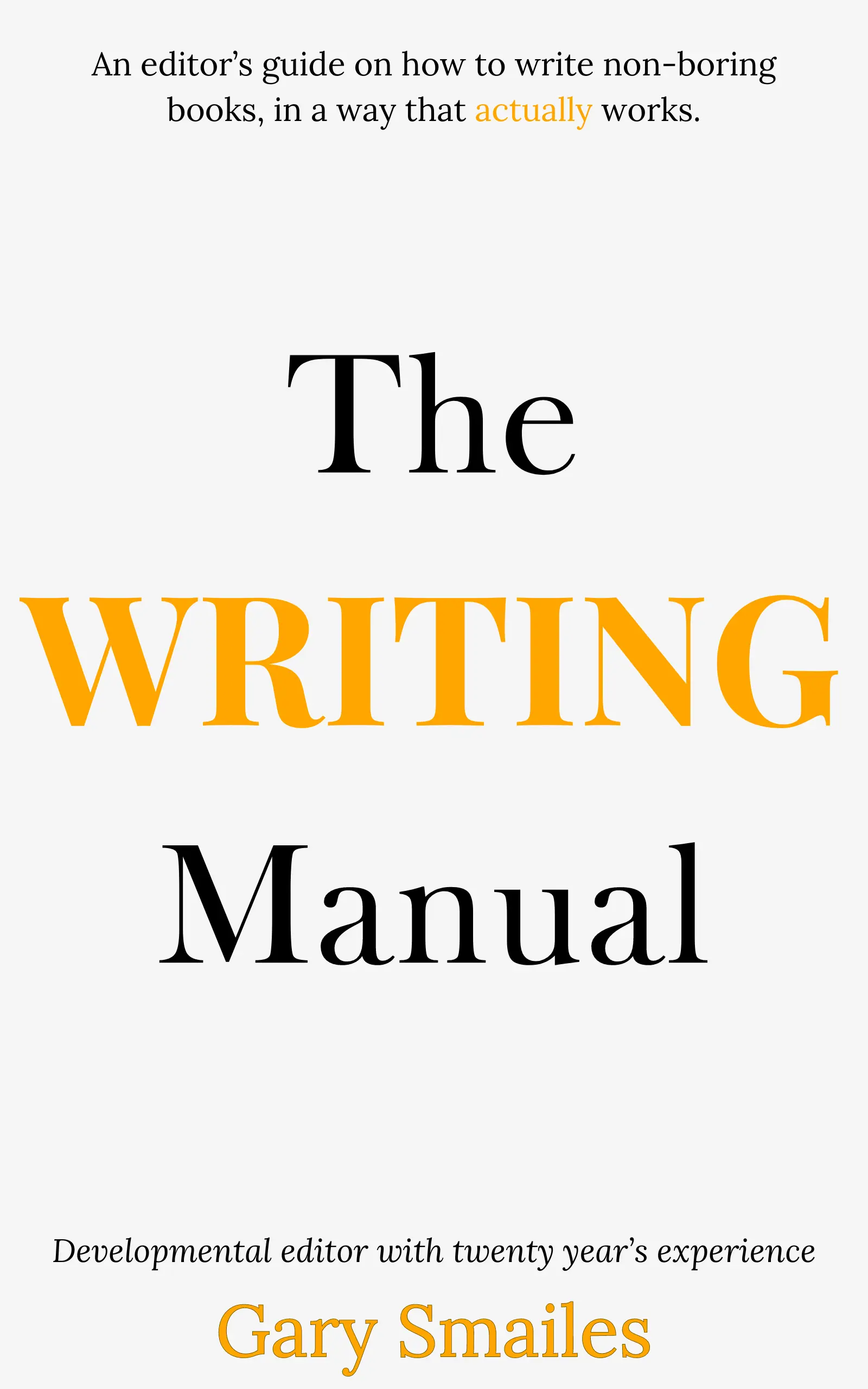
Download FREE ebook
Claim your free eBook today and join over 25,000 writers who have read and benefited from this ebook.
'It is probably one of the best books on writing I've read so far.' Miz Bent
Download your free ebook