What To Expect When You Self Publish A Book


Table of Contents
How Self-Publishing Compares to Traditional Publishing
Self-publishing hands you full control. It also hands you full responsibility. You run the show from first draft to buy button. No committee, no approval queue, no one to blame. Freeing and scary, often on the same day.
Control, quality, and deadlines
Traditional publishing spreads the work across editors, designers, marketers, and sales reps. The schedule stretches because each step sits in a queue. As an indie, you decide the brief, the budget, and the delivery date. You also decide what "good enough" means.
Quick gut check:
- Who approves your cover? You do.
- Who fixes a clunky chapter? You do, or the editor you hire.
- Who pushes a deadline when life intrudes? You do, and readers do not care why.
Build a small board of directors in your head. Reader-you, Editor-you, Publisher-you. When Reader-you feels bored, Editor-you revises. When the bank account frowns, Publisher-you sets limits. This is how you keep control from turning into chaos.
Mini exercise: write three quality bars on a sticky note. Minimum acceptable, target, ideal. Tape it to your monitor. Stop at "target" unless data says a higher bar will pay off.
Money: advances and royalties
Traditional deals often include an advance. Money up front, then a long road to earn-out. Royalty rates on ebooks sit in the teens for many contracts. On print, single digits on list price are common. Good for stability, slower to reach a meaningful paycheck for most debut authors.
Indies skip advances. You keep a larger slice per sale. On common ebook price ranges, many stores pay about 70 percent of list minus a small delivery fee. Great when readers show up. Quiet when they do not.
A quick napkin math example. Price an ebook at 4.99. Expect roughly 3.40 per sale on Amazon within the standard 70 percent range. Spend 2,000 on editing, cover, and formatting. Break-even sits near 590 ebook sales. Past that, profit. No cap, no royalty statement surprises, no reserve against returns. Marketing drives everything here, so plan for it.
Timeline: speed versus support
Traditional schedules often run 12 to 24 months. An acquisitions meeting, a seasonal catalog, copyedits, galleys, sales calls. A machine for reach, though slow to start.
As an indie, you set a calendar measured in weeks or months. Finish edits in May. Cover in June. Proof in July. Launch in August. Fast works only when each step is handled with care. Rushing a sloppy book out the door only buys you bad reviews.
Try this planning drill. Pick a realistic launch date. Work backward. Add milestones for beta feedback, professional edits, cover drafts, proof checks, and upload windows. Add buffer to each step. Missed dates slide everything, so give future-you some mercy.
Rights, formats, and pricing
Traditional contracts often license ebook, print, audio, and sometimes translation or territory. Terms vary, reversions can be tricky, and changes require negotiation.
Indies own everything by default. You choose ebook, paperback, hardcover, audio. You set prices and territories. You lower price for a promo week, then raise it again. You bundle a box set or produce a special hardcover without waiting for a meeting. Flexibility helps you test ideas and respond to readers.
A practical tip. Start with ebook and paperback unless your audience expects hardcover at launch. Add audio when budget and demand line up. Price within your genre's range. Readers compare you to neighbors on the shelf, not to your hopes.
Gatekeepers versus readers
Traditional houses filter proposals. Agents filter submissions before that. Approval lives with a small group. Quality and fit matter, and timing does too.
As an indie, your approval comes from the market. Covers must match genre signals. Descriptions must promise a clear experience. Interiors must read clean. Reviews and read-through tell you if the promise lands.
A quick experiment. Grab the top 20 books in your niche. List three common cover signals. Color palette, typography, image choices. If your concept ignores those signals, rethink it. You are free to be original, but readers browse fast and buy faster. Make the match obvious, then deliver your fresh twist inside.
Think like a publisher
A publisher asks two questions. Who is the reader. What will earn back the budget. Adopt the same focus and you avoid vanity traps.
Build a simple plan:
- Goal. Profit, lead generation for a business, or audience building for a series.
- Budget. Editing, cover, formatting, proof copies, and a starter ad spend.
- Timeline. Milestones with buffer.
- Team. Editor, cover designer, formatter. Specialists make you look pro.
- Metrics. Break-even units, cost per sale, read-through to book two.
Skip vanity metrics like likes or follower counts with no tie to sales. They feel good. Bank accounts do not respond to feelings.
One small example of ROI thinking. Two cover options test with beta readers. Option A gets wild praise from friends. Option B matches the top sellers in your subgenre. Option B wins because it converts. Pride bows to data.
So which path fits you
Ask three questions.
- Do you enjoy project management. If yes, indie life will suit you.
- Are you prepared to fund production and wait for retailer payouts. If yes, you will sleep fine during launch months.
- Are you willing to learn marketing and stick with it. If yes, your odds improve with every release.
Traditional publishing offers reach, status, and a team. Indie publishing offers control, speed, and higher per-unit income. Plenty of writers blend both. A series run indie. A standalone sold to a house. Rights licensed country by country. You own your career either way.
The honest truth. Both paths reward patience, pro standards, and a steady release of good books. Pick the path that matches your temperament and resources. Then work like a publisher, and write the next book.
The Production Path: Editing, Design, and Formatting
Think of production as your book's transformation from rough draft to polished product. Each step builds on the last. Skip one, and readers notice. Rush through, and you pay later in reviews.
The editing ladder: four essential steps
Professional editing happens in stages. Each pass serves a purpose. Mixing them up wastes money and confuses your editor.
Developmental editing tackles the big picture. Structure, pacing, character arcs, plot holes. Your dev editor reads like a smart, honest friend who wants your book to succeed. They ask hard questions. Does chapter three drag? Is the romance subplot earning its space? Does the ending pay off the promise you made in chapter one?
Budget this first if your story needs major surgery. Expect to pay by the hour or project, often the highest rate of the editing stages. Worth every penny when your plot wobbles or your middle sags.
Line editing shapes your voice and style. Sentence flow, word choice, clarity. Your line editor smooths the rough patches without stealing your personality. They catch redundant phrases, awkward transitions, and passages that sound like you instead of your character.
Copyediting handles grammar, consistency, and mechanics. Commas, continuity, fact-checking. Your copyeditor builds a style sheet. If your character has blue eyes in chapter two, they stay blue in chapter twenty. If you write "towards" on page one, you write it the same way throughout.
Proofreading provides the final polish. Typos, formatting glitches, missed errors from earlier rounds. Your proofreader works from a clean manuscript, ideally formatted and laid out. They catch what everyone else missed.
A quick budget reality check. Developmental editing often costs the most per hour. Line editing falls in the middle. Copyediting and proofreading cost less but require clean input to work well. Plan for all four if budget allows. Combine copy and proof if money runs tight, but never skip developmental work on a messy manuscript.
Beta readers: your early warning system
Beta readers test your story before you spend on professional editing. Choose readers who enjoy your genre and will give honest feedback. Friends who only say nice things waste your time.
Give betas specific questions. Is the opening hook strong enough? Do you care about the main character by chapter three? Which scenes felt slow? What confused you? When did you want to quit reading?
Set clear expectations. Timeline for feedback, preferred format for notes, focus areas. Most betas respond better to targeted questions than "tell me what you think."
Use beta feedback to guide your revision goals. If three readers mention pacing problems in the middle, prioritize that fix before hiring editors. If everyone loves your dialogue but struggles with the world-building, you know where to focus.
Cover design: your marketing tool
Your cover sells your book. Readers browse fast and judge faster. Your cover must signal genre, quality, and target audience within two seconds.
Research your competition. Open Amazon or Kobo in your category. Screenshot the top 20 covers. Look for patterns. Color schemes, typography, imagery, layout. Note what works, what feels dated, what stands out for the right reasons.
Brief your designer with specifics. Include comparable titles, target audience, tone, and key genre signals. Provide your title, subtitle, author name, and any series branding. The clearer your brief, the better your first draft.
Test cover options before you commit. Show thumbnails to beta readers or run a quick poll in author groups. The cover that looks gorgeous at full size might disappear at thumbnail size. The one that matches your personal taste might miss your genre completely.
Budget for revisions. Most designers include two or three rounds. Use them. Ask for tweaks to typography, color balance, or image placement. A good designer wants you to love the final result.
One practical tip. Get your cover files in the formats you need. High-resolution for print, web-sized for online marketing, social media dimensions for ads. Ask upfront to avoid surprise charges later.
Interior formatting: the invisible craft
Good formatting disappears. Readers notice margins, line spacing, and chapter breaks only when they feel wrong. Professional formatting builds trust and improves the reading experience.
For ebooks, clean formatting matters more than fancy design. EPUB files must work across multiple devices and reading apps. Focus on clear chapter breaks, consistent paragraph styling, and proper heading hierarchy. Avoid complex layouts that break on small screens.
Tools like Vellum and Atticus handle most indie needs. They output clean EPUB and print files with professional templates. InDesign offers more control but requires skill. Hiring a formatter costs more but saves time and frustration.
For print books, interior design includes more variables. Trim size affects printing costs and shelf appeal. Margins must accommodate binding. Typography sets the mood and readability.
Standard trim sizes like 6x9 inches work for most genres. Smaller sizes suit mass market. Larger sizes work for gift books or technical content. Check printing costs before you commit to unusual dimensions.
Set reasonable margins. Too narrow looks cheap and hurts readability. Too wide wastes space and increases page count. Most formatters know the sweet spot for your trim size and genre.
Choose readable fonts. Times New Roman works but feels generic. Garamond, Minion, or Sabon look more polished. Avoid decorative fonts for body text. Save them for chapter headings or special elements.
File preparation and quality control
Clean files prevent upload headaches and reader complaints. Take time to test your work before you publish.
EPUB files must validate cleanly. Use EPUBCheck to catch errors. Test in multiple reading apps. Kindle Previewer shows how your book looks on various Kindle devices. iBooks, Kobo, and Google Play have their own previewers.
Check chapter breaks, image sizing, and text flow. Make sure your table of contents works. Verify that special characters display correctly. Test on different screen sizes and orientations.
PDF files for print need careful review. Order a proof copy before you announce your book. Check margins, bleeds, image quality, and text alignment. Read the entire book in print. Errors that hide on screen often jump out on paper.
ISBNs and metadata: the business details
ISBNs identify your book in the retail and library ecosystem. Free ISBNs from platforms work for basic sales but list the platform as publisher. Buying your own ISBNs gives you more control and credibility with bookstores.
In the US, buy ISBNs from Bowker. Other countries have their own agencies. Buy in blocks of 10 or 100 to save money per unit. Assign separate ISBNs for each format. Ebook, paperback, and hardcover each need their own number.
Metadata helps readers find your book. Choose BISAC categories that match reader expectations. Romance readers browse differently than thriller readers. Pick the categories where your book belongs, not where you wish it belonged.
Write compelling book descriptions. Lead with benefits, not features. Tell readers what they will experience, not what happens in the plot. Use formatting to make descriptions scannable. Short paragraphs, bullet points when appropriate, clear hooks.
Distribution, Formats, and Pricing
Distribution shapes your income more than you might expect. Choose wrong, and you leave money on the table. Choose right, and you build sustainable revenue across multiple streams.
Most indies start with the same question: Amazon exclusive or everywhere? The answer depends on your goals, genre, and patience.
The KDP Select decision
Amazon KDP Select offers a devil's bargain. Give Amazon ebook exclusivity for 90 days, and they put your book in Kindle Unlimited. KU readers pay a monthly subscription to read unlimited books. You earn roughly half a cent per page read instead of a flat royalty per sale.
KU works best for series fiction with high page counts. Romance, fantasy, and mystery readers devour books. They binge-read series. If your book hooks them, they will read everything you have written. Page reads add up fast when readers consume 300-page novels in one sitting.
KU works less well for standalone literary fiction, poetry, or short nonfiction. These readers browse more selectively. They buy individual books rather than consuming series. Page read income stays low when readers sample a few chapters and move on.
The math tells the story. A $4.99 ebook earns you about $3.50 per sale at the 70% royalty rate. That same book in KU needs roughly 700 page reads to match the sale income. If your average reader finishes 80% of your 300-page book, you need three complete reads to equal one purchase.
KU also limits your marketing options. You cannot run promotions on other platforms. You cannot build direct relationships with Apple, Kobo, or Google Play readers. You depend entirely on Amazon's algorithm and reader behavior.
The upside? KU readers read voraciously. They discover new authors through the recommendation engine. A successful KU launch often leads to organic growth across your backlist. Amazon prioritizes KU books in their merchandising, especially during launch week.
Test KU for your first 90 days, then evaluate. Look at page reads versus sales income. Check your organic ranking and visibility. If KU generates more income than wide distribution would, stay exclusive. If not, go wide when your term expires.
Going wide: platforms and strategies
Wide distribution means selling everywhere readers shop. Amazon remains the biggest piece, but other platforms offer distinct advantages.
Draft2Digital simplifies wide distribution. Upload once, distribute to multiple retailers. They handle formatting, metadata, and customer service for each platform. Their interface feels cleaner than most retailer dashboards. They take a small percentage but save enormous time.
Kobo Writing Life reaches international markets Amazon struggles with. Kobo dominates in Canada and competes well in Australia, the UK, and parts of Europe. Their promotional tools work differently than Amazon's, often favoring price drops and featured placement over algorithm-based discovery.
Apple Books attracts premium buyers. Apple customers spend more per purchase on average. The platform feels less crowded than Amazon, making discovery easier for new authors. Their editorial team curates collections and seasonal promotions. Getting featured moves serious volume.
Google Play Books integrates with the broader Google ecosystem. Readers discover books through search, YouTube recommendations, and Android app suggestions. The platform skews younger and more international than Amazon.
Library distribution through OverDrive/Libby generates consistent passive income. Libraries pay per checkout or through subscription models. Your book stays available indefinitely once accepted. Income per checkout stays lower than retail sales, but volume builds over time.
Each platform has quirks. Kobo readers respond well to series bundling. Apple customers buy more hardcover equivalents and premium-priced titles. Google Play readers discover books through search more than browsing. Learn these differences and adjust your strategy accordingly.
Print-on-demand: Amazon and beyond
Print books still matter, even in the digital age. Many readers prefer physical books. Gift buyers choose print over ebooks. Libraries and bookstores need physical inventory.
KDP Print handles Amazon's print-on-demand. Easy setup, decent quality, competitive printing costs. Your book appears on Amazon alongside the ebook version. Customers receive books within days of ordering. You pay nothing upfront.
IngramSpark reaches bookstores and libraries KDP Print cannot touch. Their distribution network includes physical retailers who refuse to order from Amazon. Print quality often exceeds KDP Print, especially for color interiors and premium paper options.
IngramSpark requires more setup work. You pay upfront fees for setup and changes. Their pricing structure uses wholesale discounts instead of simple per-unit costs. Their proof process takes longer. The extra complexity pays off if you want bookstore placement or library sales.
Consider both platforms for maximum reach. Use KDP Print for Amazon sales and IngramSpark for everywhere else. Set identical pricing to avoid channel conflicts. Monitor sales reports to see which platform generates more volume for your genre.
Hardcover options exist through IngramSpark and specialty printers. Hardcovers work well for gift books, premium editions, and genres where readers expect prestige formats. The higher printing costs require higher list prices, which limits mass market appeal but increases perceived value.
Preorder strategy and timing
Preorders build momentum before launch day. They concentrate sales into a narrow window, boosting your ranking when the book goes live. Different platforms handle preorders differently.
Ebook preorders work on all major platforms. Set them up 30-90 days in advance. Use preorders to build your email list and social media following. The longer preorder period gives you more time to market, but requires discipline to avoid changing your mind about the book.
Print preorders are trickier. KDP Print does not allow print preorders. IngramSpark enables them, but you must deliver final files before the preorder date. This means completing your entire production process weeks before launch.
Plan your preorder timeline carefully. You need finished cover art, final manuscript, and marketing copy before you set the preorder live. Changes during the preorder period create headaches and potential customer confusion.
Use preorders to test market interest. Low preorder numbers signal weak demand or poor market fit. Strong preorder numbers give you confidence to invest more in marketing and production. Adjust your launch strategy based on preorder performance.
Royalty rates and payment realities
Understanding royalty rates prevents nasty surprises in your first payment.
Amazon pays 70% royalties on ebooks priced between $2.99 and $9.99, minus a small delivery fee based on file size. Price outside this range, and your royalty drops to 35%. The delivery fee rarely exceeds $0.15 for text-heavy books but adds up for image-heavy titles.
Print royalties depend on printing costs and list price. A $12.99 paperback with $4.00 printing costs earns about $2.50 through Amazon's standard royalty rate. The exact amount varies by trim size, page count, paper color, and binding type.
IngramSpark uses wholesale discounts instead of fixe
Launch and Marketing Essentials
Marketing feels overwhelming because everyone tells you to do everything at once. Build a platform. Run ads. Post on social media. Send newsletters. Network with authors. The truth? You need three things: readers who want your book, a way to reach them, and a compelling reason for them to buy now.
Everything else is noise.
Building your author platform before you need it
Your platform is not your follower count. Your platform is your ability to reach people who will buy your book when you have one to sell.
Start with a simple website. One page works fine. Include your bio, your book (when it exists), and a way for people to hear from you again. WordPress, Squarespace, or even a free Google Sites page beats no website at all.
The email list matters more than social media followers. Social platforms change their algorithms without warning. Email addresses belong to you. A subscriber who opens your emails will buy your book. A follower who never sees your posts will not.
Create a lead magnet that attracts your ideal readers. Short story collections work for fiction writers. Checklists and guides work for nonfiction. The key: give away something valuable enough that people will trade their email address for it.
Where should you spend time on social media? Go where your readers already gather. Romance readers live on Instagram and BookTok. Literary fiction readers browse Twitter and Goodreads. Business book readers scroll LinkedIn. Pick one platform and show up consistently rather than spreading yourself thin everywhere.
Consistency beats perfection. Post three times per week on schedule rather than daily when you remember. Share behind-the-scenes content, reading recommendations, and industry insights. Save the hard sell for launch week.
The ARC strategy that builds buzz
Advance Review Copies build momentum before your official launch date. ARC readers provide early reviews, social media buzz, and word-of-mouth recommendations when they matter most.
Start building your ARC team six months before publication. Reach out to book bloggers who review your genre. Join Goodreads groups where readers discuss books like yours. Follow BookTube channels and BookTok creators who feature your category.
The pitch email needs three elements: what your book is about (one sentence), why their audience would love it (specific reason), and what you need from them (honest review by X date). Keep it short. These people read dozens of pitch emails per week.
Use BookFunnel or StoryOrigin to distribute ARC files. These services handle the technical details of file delivery and reader management. They track who downloads your book and remind readers about review deadlines.
Set a realistic review window. Give ARC readers 30 days minimum to finish your book and post reviews. Romance readers devour books quickly. Literary fiction takes longer to digest. Match your timeline to reading habits in your genre.
Quality beats quantity for ARC distribution. Twenty engaged readers who post thoughtful reviews outperform fifty casual readers who never finish your book. Target readers who regularly post reviews and have audiences that match your ideal readers.
Product page optimization that converts browsers
Your product page on Amazon (and other retailers) is your sales pitch. Readers decide within seconds whether to buy, sample, or move on. Every element needs to work toward the sale.
The book description headline should hook readers immediately. Lead with conflict, stakes, or an intriguing question. "When her husband vanishes on their anniversary, Sarah discovers he was never who she thought he was" beats "Sarah's marriage faces challenges in this compelling drama about trust and betrayal."
Format your description for scanning. Use short paragraphs. Add bullet points for key benefits in nonfiction. Include an emotional hook in the first paragraph, plot details in the middle, and a subtle call-to-action at the end.
Editorial reviews and endorsements add credibility. One quote from a recognized author in your genre outweighs ten generic praise quotes from unknown sources. Position these prominently near the top of your description.
Amazon A+ Content (available through KDP) lets you add images, formatted text, and comparison charts to your product page. Use it to showcase your credentials, explain your book's unique angle, or preview the contents. A+ Content often increases conversion rates by 3-10%.
Professional book covers sell books, but the thumbnail image sells the click. Your cover must look compelling at postage stamp size. Test your cover by shrinking it to 100 pixels wide. If you cannot read the title or understand the genre, redesign it.
Categories and keywords that boost discoverability
Amazon shows your book to readers browsing specific categories. Choose categories where you have a chance to rank on page one rather than fighting for visibility in oversaturated categories.
Research category competition before choosing. Browse the top 100 lists in potential categories. If the #100 book has 500+ reviews, that category is probably too competitive. If the #100 book has 50 reviews, you have a fighting chance.
Use all seven keyword phrases Amazon allows. Think like a reader searching for books like yours. "Psychological thriller with unreliable narrator" works better than "great fiction book" because it matches specific reader intent.
Combine genre terms with specific elements. "Small town romance with single dad" targets readers who love both romance and that particular trope. "Business book for new managers" attracts readers with specific career needs.
Monitor your category rankings weekly. If you consistently rank below #50 in all your categories, consider switching to less competitive options. If you rank in the top 20, look for similar categories that might also work.
Launch timeline that creates momentum
Launch week determines your long-term discoverability. Concentrate your marketing efforts into a narrow window to maximize impact on retailer algorithms.
Start your countdown 90 days before launch. Set up preorders, finalize your marketing materials, and begin ARC outreach. The goal: build anticipation and coordinate multiple marketing activities for maximum impact.
Cover reveals work best 60-90 days before publication. Share them across all your social platforms on the same day. Include the release date and preorder links. Ask author friends to share your announcement to amplify reach.
Plan your preorder window carefully. 30-60 days gives you time to market without losing momentum. Longer preorders risk reader forgetfulness. Shorter periods rush your marketing efforts.
Coordinate multiple promotional activities for launch week. Newsletter announcement, social media campaign, Amazon ad launch, and promotional site submissions should all happen within the same 7-day window. This coordination maximizes your visibility boost.
Advertising that scales profitably
Start with Amazon Ads because they reach readers already shopping for books. Begin with Automatic campaigns targeting your book's categories and let Amazon's algorithm find relevant keywords for you.
Set small daily budgets initially. $5-10 per day lets you test performance without risking your entire marketing budget. Scale winning campaigns gradually rather than jumping to large budgets immediately.
Create separate campaigns for different targeting approaches. One campaign targets categories (romance > contemporary romance > small town). Another targets keywords (enemies to lovers, second chance romance). A third targets specific competitor books.
Monitor your Advertising Cost of Sale (ACoS) rather than just click-through rates. ACoS shows what percentage of your sales goes to advertising costs. An ACoS below 50% usually indicates profitable advertising, depending on your royalty rate.
Test ad copy variations by running multiple campaigns with different headlines and descriptions. Amazon shoppers respond to different messages than social media users. Highlight plot elements, emotional hooks
Money, Rights, and Admin
Self-publishing means running a small business. You are the publisher, which means you handle budgets, contracts, taxes, and legal requirements. The creative work is only half the job.
Most new authors underestimate the business side or ignore it completely. Then they wonder why their book loses money or creates tax headaches. A little planning prevents most problems.
Building a realistic budget that works
Your book will cost money to produce professionally. Pretending otherwise leads to amateur results that readers notice immediately.
Start with editing costs, which vary wildly based on your manuscript's condition and your editor's experience. Developmental editing for a 80,000-word novel might cost $1,200-$3,000. Line editing adds another $800-$2,000. Copyediting and proofreading together run $500-$1,500. You need at least copyediting and proofreading for any book you want readers to buy.
Cover design ranges from $200 for a premade cover to $800+ for custom work. Genre matters here. Romance covers with illustrated couples cost more than minimalist literary fiction covers. Research what sells in your category and budget accordingly.
Interior formatting costs $150-$500 if you hire a professional, or $250-$300 if you buy Vellum or Atticus software to do it yourself. Print formatting costs extra if your formatter does not include both ebook and print versions.
ISBNs cost $125 for a single number or $295 for ten through Bowker in the US. Other countries have different pricing structures. You need separate ISBNs for ebook, paperback, hardcover, and audiobook versions.
Marketing expenses add up quickly. Amazon ads might cost $200-$500 per month once you find winning campaigns. BookBub Featured Deals cost $400-$2,000 depending on your genre and discount depth. Smaller promotional sites range from $20-$100 each.
Plan for $2,000-$5,000 total for a professionally produced debut novel. Nonfiction might cost more due to additional research, permissions, or specialized editing. Short story collections cost less but face harder marketing challenges.
Track your actual spending against your budget. First-time authors almost always overspend because they did not account for proof copies, file revisions, or promotional opportunities that arise during launch.
Unit economics that make sense
Every book sale generates revenue and costs. Understanding your profit per unit helps you make smart marketing decisions and set realistic sales goals.
Start with your list price. A $3.99 ebook on Amazon generates 70% royalty minus delivery fees. For a typical novel, that means about $2.70 profit per sale. A $12.99 paperback might generate $2.50 profit after printing costs and Amazon's cut.
Print costs depend on page count, trim size, and paper type. A 250-page paperback in 6×9 trim costs about $4.50 to print through KDP. Amazon takes 60% of the list price as their cut. Your $12.99 paperback nets you $5.20 minus $4.50 printing cost, leaving $0.70 profit.
Wait, that math seems wrong. Your ebook makes more profit than your paperback despite the higher list price. This is normal. Print-on-demand has high per-unit costs that eat into margins.
Factor in your production costs when calculating break-even points. If you spent $3,000 producing your book and make $2.70 per ebook sale, you need to sell 1,112 copies to break even. Add marketing costs and that number climbs higher.
Advertising changes the math. If you spend $1.00 on ads to generate each sale, your $2.70 ebook profit drops to $1.70. You now need 1,765 sales to break even. This is why tracking advertising return on ad spend matters more than vanity metrics like impressions or clicks.
Use these numbers to set realistic goals. Selling 1,000 copies in your first year is an achievement for most debut authors. Selling 10,000 copies puts you in rare company. Plan accordingly.
Payment schedules and cash flow reality
Retailers do not pay you immediately when someone buys your book. Amazon pays about 60 days after month-end. Other retailers often take 90 days or longer.
This creates cash flow gaps, especially when you are spending money on advertising or promotional campaigns. You might spend $500 on ads in January but not receive payment for those sales until April.
Set up a separate business bank account to track book income and expenses. This makes tax preparation easier and helps you monitor your actual cash position versus what you have earned on paper.
Amazon's payment schedule works like this: January sales get reported in early February, then paid around March 1st. February sales get paid around April 1st. The pattern continues year-round.
International sales often take longer. Amazon's European sites pay on similar schedules, but currency conversion and international banking can add delays.
Plan for this delay when budgeting marketing campaigns. If you spend $1,000 promoting your book in March, you might not see the revenue from those efforts until May or June. Keep enough cash available to cover your marketing expenses without relying on immediate sales revenue.
Copyright, permissions, and legal basics
Your book is automatically copyrighted when you write it, but formal registration provides additional legal protections and is required if you ever need to file a lawsuit for infringement.
Register your copyright through the U.S. Copyright Office for $65. Upload your final manuscript file and complete the online forms. Registration typically takes 6-12 months to process but your protection begins when you file.
Clear permissions for any quoted material longer than a few lines. Song lyrics almost always require permission and payment. Lengthy quotes from other books might need permission depending on how much you use. When in doubt, ask the rights holder or consult an intellectual property attorney.
Nonfiction books often need disclaimers about medical advice, financial recommendations, or other professional guidance. Include these on your copyright page to limit potential liability. Phrases like "This book is for educational purposes only and should not replace professional medical advice" protect you from readers who might misuse your information.
Fiction rarely needs disclaimers unless you are writing about real people or places in ways that could be considered defamatory. "This is a work of fiction" statements handle most concerns.
Consider trademark issues if your book title is similar to existing brands or products. You probably do not need to worry about this unless you are writing business books or using potentially confusing brand names.
Freelancer contracts that protect everyone
Working with editors, cover designers, formatters, and other freelancers requires clear agreements about scope, payment, and deliverables.
Specify exactly what you are buying. "Line editing for 80,000-word romance novel, including two rounds of revisions" is clearer than "editing services." Include deadlines, revision limits, and what happens if the project scope changes.
Address file ownership upfront. You should receive source files for your cover design so you can make future adjustments or create series-matching covers. Formatters should provide both the formatted files and any templates they create.
Payment terms matter for both parties. A 50% deposit protects the freelancer from non-paying clients. Final payment upon satisfactory completion protects you from substandard work. Avoid paying 100% upfront unless you have an established relationship.
Set review checkpoints for longer projects. Developmental editing benefits from a sample
Long-Term Strategy and Realistic Expectations
Think marathon, not a viral spike. Indie income grows with time, more books, and a backlist readers trust. A slow start is normal. The win is sustained output paired with steady improvements.
Series first, because read-through pays the bills
A strong series lowers your cost per reader. One hook brings in a reader, your stories keep them. That flow is read-through.
Quick exercise:
- Map your series funnel. Book 1 to Book 2 to Book 3.
- Add a next-book link in the final chapter and in back matter.
- Offer a short bonus for joining your list. Keep it relevant to the series.
Pricing helps this flow. Many indies price Book 1 lower to reduce friction, then hold firm on later books. Box sets work well once you have three books or more. If you use Kindle Unlimited, page reads across a series often out-earn à la carte sales. Test both approaches over time.
A tiny example. Book 1 nets $2.50 per sale. Half of those readers move to Book 2, which nets $3.00. Forty percent of those move to Book 3, which nets $3.50. One Book 1 sale now brings an average of $2.50 + $1.50 + $1.40, so $5.40 in total. This is why series out-earn singles.
Connected standalones work too. Shared world. Recurring side characters. Clear branding. Give readers a path, then signpost it.
Keep publishing, then keep improving
Write the next book. Then improve the storefront for the current one. Most books fail on visibility or conversion, not on prose alone.
If sales stall, update:
- Cover, aligned with current genre signals.
- Book description, with a stronger hook and clearer stakes.
- Categories and keywords, aligned with where readers browse.
- Opening sample, so Look Inside grabs attention fast.
Small changes move numbers. One author swapped a soft cover for a bolder, trope-forward look and saw conversion climb from 1 in 100 to 2 in 100. Same traffic, double the sales. Not magic. Market alignment.
Test like a publisher
A/B testing for books looks scrappy, and that is fine. Try one change, document the dates, watch results for two weeks, then decide. Do not change four things at once.
Ideas to test:
- Two versions of the first paragraph of your description.
- A subtitle with a clearer promise.
- Price at 2.99 vs 3.99 during a promo window.
- Two covers, one at a time, with the same description and price.
Track:
- Page views to product page.
- Conversion rate, orders per page view.
- KU behavior, page reads per unit ordered.
Take screenshots and keep a log. Future you will thank present you.
Watch the numbers that matter
You do not need a dashboard fit for Wall Street. You do need a handful of signals.
At a minimum:
- KDP sales and KU page reads by title.
- Conversion rate on Amazon, units divided by sessions.
- Ad spend vs revenue by campaign.
- Email list growth and open rate.
If sessions are low, you have a traffic problem. If sessions look fine but orders lag, you have a conversion problem. Fix the right problem.
Basic tools help. Use store reports weekly. Use unique links in back matter to track where readers come from, a short link for each retailer. Keep a simple spreadsheet with weekly totals.
Build assets that keep paying
Trends fade. Assets compound.
- Email list. Offer a relevant reader magnet and invite sign-ups in your back matter. Send something useful once or twice a month. A new release email drives day-one sales. A "start here" email guides new readers into your series.
- Author network. Swap newsletter mentions with authors serving the same audience. Share ARC opportunities. Co-host a sale week. Peer support saves time and mistakes.
- Evergreen content. A page on your site with reading order. A teaser chapter that leads to a sign-up. A FAQ for your niche. Simple resources pull readers long after launch week.
Protect these assets. Back up your list. Keep a plain-text copy of your back matter links. Update links when you add new formats or box sets.
Reinvest with intent
Treat early profits like seed money. Feed what works.
- Skills. A workshop with a trusted editor. A manuscript critique when you plan a pivot in genre. A course on ad basics if ads already break even.
- Product. Better covers for older books. An audiobook for a strong seller. A box set once you hit three books.
- Channels. Ads with positive return. Promo sites that move copies at a cost you accept. Scale slow and watch margins.
Set simple rules. Reinvest a fixed slice of monthly profit. Cap losses on experiments. Pause weak campaigns fast.
Set expectations you can live with
A realistic path for a debut novelist:
- Months 0 to 3. Publish Book 1. Build a simple site. Start a list. Gather 10 to 20 reviewers.
- Months 4 to 6. Publish Book 2. Refresh Book 1 description if conversion lags. Run a small promo stack. Start light ads.
- Months 7 to 12. Publish Book 3. Launch a box set. Expand your list offer. Tune ads. Update covers if packaging feels off.
Nonfiction follows a similar rhythm, with more weight on authority building and speaking outlets.
Milestones worth tracking:
- Read-through rate across your series.
- Cost per sale on ads, all-in.
- Email opt-ins per 100 sales.
- Reviews and average rating, steady growth beats spikes.
Hard truth. One book rarely supports a career. Three to five books in a clear lane, supported by readers you email directly, gives you a real shot.
A quick weekly routine
- Write new words, even 500.
- Check yesterday's sales and reads, five minutes only.
- Reply to reader emails.
- Log one test or improvement for packaging or ads.
- Note one idea from a peer or a forum to try next month.
Small, boring habits keep your catalog alive. Keep your eye on the next release, keep your storefront sharp, and give readers an easy next step. The curve bends your way when you do the simple things for a long time.
Frequently Asked Questions
How do I choose between self-publishing and traditional publishing?
Ask yourself three practical questions: do you enjoy project management, can you fund production and wait for retailer payouts, and are you prepared to learn marketing? Traditional publishing offers reach, a team, and an advance but moves slowly and filters work through gatekeepers. Self-publishing gives you control, speed, and higher per-unit income but requires you to run a publisher-quality production and marketing plan.
What editing stages does my manuscript really need?
Professional editing generally runs through four stages: developmental editing (structure, pacing, arcs), line editing (voice and flow), copyediting (grammar and consistency) and proofreading (final typos and layout issues). If your manuscript is messy, budget for developmental editing first; if money is tight you can combine copyediting and proofreading but never skip structural fixes on a book with major problems.
How much should I budget to produce a professionally published debut novel?
Expect a realistic book production budget of roughly $2,000–$5,000 for a professionally produced debut novel, covering editing, cover design, formatting and a starter marketing spend. Add ISBNs, proofs and potential audiobook or promo costs; use break-even units (production cost divided by net per-sale profit) to set sales targets before you spend on ads.
Should I enrol in KDP Select or go wide?
KDP Select (exclusive to Amazon) can boost visibility via Kindle Unlimited, which suits series fiction where page reads compound; going wide reaches Apple, Kobo, Google and library channels that offer different audiences and pricing behaviour. Compare KU page reads to direct-sale royalties, then test: try KDP Select for one enrolment period and switch wide if KU doesn’t outperform your wider-distribution income.
Which print distribution should I use: KDP Print, IngramSpark, or both?
Use KDP Print for easy Amazon distribution and low setup costs; use IngramSpark to reach bookstores and libraries that won’t order from Amazon and for higher-quality colour or hardcover options. Many authors publish to both—KDP for Amazon orders and IngramSpark for wider retail reach—while keeping pricing consistent across channels to avoid conflicts.
How do I plan a realistic indie publishing timeline and preorder strategy?
Work backwards from a launch date and add clear milestones for beta feedback, developmental edits, cover drafts, proof copies and marketing windows with buffers for delays. Set ebook preorders 30–90 days out to build momentum; treat print preorders carefully because KDP Print doesn’t support preorders and IngramSpark requires final files well in advance.
What metrics should I track to know if my marketing is working?
Track a short list: KDP sales and KU page reads by title, conversion rate (orders divided by sessions) on retailer pages, Advertising Cost of Sale (ACoS) for ads, and email list growth and open rates. If sessions are low you have a traffic problem; if sessions are healthy but conversions lag you have a packaging or copy problem—fix the right issue rather than guessing.
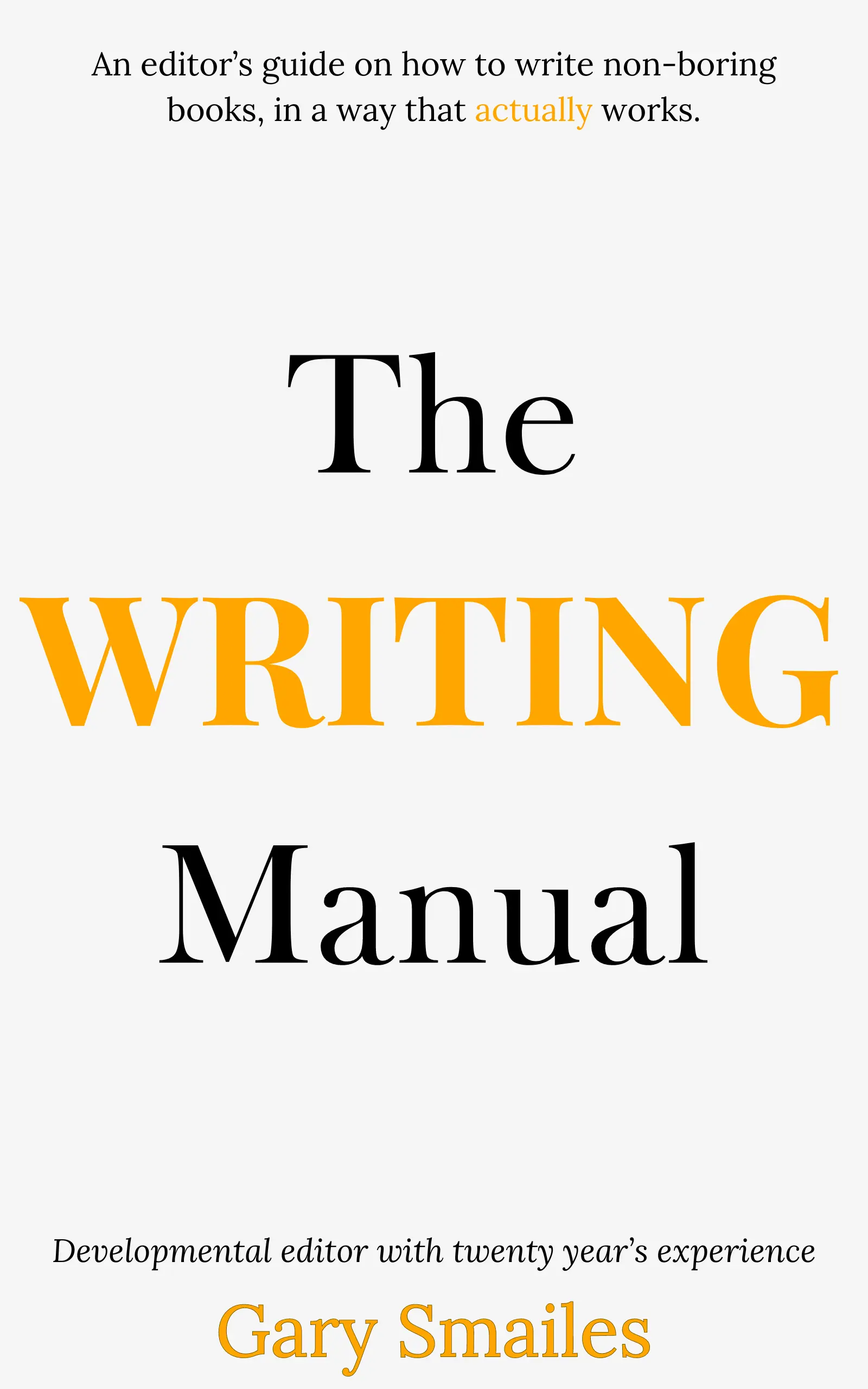
Download FREE ebook
Claim your free eBook today and join over 25,000 writers who have read and benefited from this ebook.
'It is probably one of the best books on writing I've read so far.' Miz Bent