Do You Fit The Profile Of A Successful Self Published Writer


Table of Contents
- Mindset and Goals: What “Success” Means in Self-Publishing
- Craft, Editing, and Product Quality: Competing With Traditionally Published Books
- Business Skills: Marketing, Metadata, and Discoverability
- Production and Consistency: Systems That Make Publishing Sustainable
- Author Platform and Reader Relationships: Building a Long-Term Audience
- Self-Assessment: Traits and Habits That Predict Indie Publishing Success
- Frequently Asked Questions
Mindset and Goals: What “Success” Means in Self-Publishing
Ask ten self-published writers what “success” means and you will get twelve answers, plus an argument in the comments.
This matters because self-publishing is a noisy business. There are screenshots of five-figure months, ads gurus selling courses, and a steady drip of “I quit my job” posts. If you do not define success for yourself, you will borrow someone else’s definition. You will chase numbers you do not need, or build a schedule you cannot live with.
So let’s make this practical.
Success has more than one job
Most writers start with money, because money is easy to measure and hard to ignore. Fair. But money is only one kind of win.
Here are common success targets in self-publishing. Pick the ones that fit your life, not your envy.
Full-time income.
You want your books to pay the bills. Not “coffee money,” but rent, groceries, insurance, the boring adult stuff. This goal demands consistency, a growing backlist, and comfort with business decisions. You do not get to publish once and wait for fate to Venmo you.
Side income.
This is a strong, sane goal. A few hundred to a few thousand a month changes a household budget. It also changes how much pressure you put on your writing. Side income success often looks like fewer releases, more patience, and a longer runway.
Creative freedom.
You want to write what you want, when you want, with no gatekeepers. You might still earn well, but your main metric is control. You choose your covers, your release dates, your editors, your weird little passion projects. You trade some predictability for autonomy.
Readership growth.
You want readers. Real ones. The kind who finish the book, buy the next, and reply to your newsletter with, “When is book two?” This goal leans on series, strong genre signalling, and the ability to keep showing up even when the first numbers feel small.
IP expansion.
Audio, translation, large print, serial platforms, foreign rights, maybe adaptations one day. This goal pushes you to think in assets. Clean contracts, solid branding, a clear series identity, and files you can hand to partners without chaos.
None of these goals is “better.” They are different jobs. A problem starts when you try to run all of them at once with one book and a tired nervous system.
The long game is not optional
Self-publishing rewards stubborn people. I do not mean stubborn in a chest-thumping way. I mean the quiet kind. You publish, you learn, you publish again. You do not treat one launch like a referendum on your talent.
A single book launch is a data point. It is not a prophecy.
Here’s what long-term thinking looks like in real life:
- You expect your first book to teach you things, some of them painful.
- You plan a second book before the first one is even out of the crib.
- You accept that your backlist is the engine, not the confetti.
- You treat skills like cover choice, blurbs, and ads as learnable, not mysterious gifts.
If you want a quick dopamine hit, self-publishing will hurt your feelings. If you want a career, it starts to make more sense.
Define your success metrics (before you “need” them)
Vague goals create vague decisions. “I want to do well” sounds nice, then it abandons you the moment you have to pick a price, a release date, or an ad budget.
Give success numbers. Numbers are not cold, they are clarifying.
Pick a small set of metrics you will track for the next six to twelve months. Here are useful ones:
Monthly revenue.
Not for bragging rights. For planning. Tie it to a goal: “I want my books to cover my software and editing costs,” or “I want to replace one day of work a week.”
Read-through.
If you write series, this is gold. Read-through tells you whether book one is doing its job. You can have a strong launch and weak read-through, which means the series is leaking readers.
Reviews and ratings.
Not as a measure of your worth. As a signal of reader satisfaction and product clarity. A book with lots of three-star reviews often has a promise problem. The blurb and cover sold one experience, the pages delivered another.
Newsletter growth.
Your email list is the one audience channel you own. Track net growth per month, plus how many subscribers click and buy. A list of 2,000 engaged readers beats 20,000 sleepy ones.
Awards or validation markers.
For some writers, this matters. If awards keep you motivated, include them. The trick is to treat them as a bonus goal, not the steering wheel.
Mini-exercise. Take five minutes and finish these sentences:
- In twelve months, success looks like __________________.
- I will know I am on track if __________________.
- The one metric I will watch weekly is __________________.
Write the answers somewhere you will see them when you start spiralling on launch week.
Choose a publishing model that matches your life
A publishing model is how you plan to release books and reach readers. The “best” model is the one you can sustain without hating your own calendar.
Two big choices show up early.
Rapid release vs steady output.
Rapid release is a sprint strategy. You publish frequently, often to feed retailer algorithms and build read-through fast. It can work well in hungry genres with strong series behaviour. It also demands production stamina and a dependable team.
Steady output is the marathon strategy. You publish at a pace you can maintain while keeping quality high. Think one or two books a year, plus ongoing backlist care. This model fits writers with day jobs, caregiving duties, health limits, or a preference for deeper revision.
Be honest about your life. If your schedule is already packed, choosing rapid release because someone on YouTube said it works is how you end up resenting the work.
Wide vs exclusive.
Exclusive usually means enrolling in Amazon’s KDP Select, which gives you access to Kindle Unlimited page reads and certain promo tools, in exchange for digital exclusivity.
Wide means selling across retailers. Amazon, Apple Books, Kobo, Google Play, plus libraries and direct sales if you want them. Wide often grows slower at first. It also reduces platform risk and opens more long-term options, especially internationally.
A simple way to decide: look at your genre and your temperament. Some genres thrive in subscription ecosystems. Some do better wide. Some writers want one main storefront and fewer moving parts. Some want diversified income streams and sleep better with spread-out risk.
If you are unsure, pick a model for a defined window, say six months, then reassess with data. The mistake is drifting. Drifting feels flexible. Drifting is how you end up with a plan made of vibes and panic.
Success in self-publishing starts before the cover reveal, before the ads, before the launch spreadsheet. It starts when you decide what you are building and why. Once you know that, the rest becomes a series of workable choices instead of a constant identity test.
Craft, Editing, and Product Quality: Competing With Traditionally Published Books
Readers do not grade on a curve.
They do not open your book and think, “Aw, indie author, brave effort.” They think, “Entertain me.” If the opening drags, if the prose trips, if the formatting looks odd, they leave. They do not announce their exit. They tap out and spend their money elsewhere.
So the standard is simple and unforgiving: story satisfaction, clean prose, professional presentation. Hit those three and you are in the same ring as the big publishers. Miss one and you will feel it in reviews, read-through, and the quiet sound of a reader closing the app.
The “book promise” and why genre fit is not optional
Your cover, title, subtitle, and blurb make a promise. The first chapters confirm it. The ending pays it off.
When writers struggle in self-publishing, the issue is often not talent. The issue is mismatch. You marketed a sweet small-town romance and delivered an infidelity drama. You dressed a cozy mystery in a gritty noir cover. You wrote epic fantasy pace with romantic comedy packaging.
Readers buy what they think your book is. They review what your book turned out to be.
A quick gut-check you can run today:
- Go to your book’s main category on Amazon or Kobo.
- Open the top twenty books in that category.
- Write down three patterns you see in:
- Covers (colors, typography, characters, objects)
- Blurbs (length, tone, how fast they get to the hook)
- Opening pages (how quickly the story starts, how much setup)
Now compare your book. If yours looks and reads like it belongs, great. If it looks like it wandered in from a different shelf, fix the packaging before you rewrite the novel. Packaging errors sink better books than weak prose does.
Another small test, the “three-sentence promise”:
- Who is the main character?
- What do they want?
- What stands in the way, in the language of the genre?
If you cannot answer in three sentences, your concept may be fuzzy. If you can answer but the cover and blurb do not match those sentences, your marketing is lying to the reader. Not maliciously, but functionally.
Revision is where the book turns into a product
Drafting is private. Revision is professional.
A clean draft with a strong voice still needs a revision pass that asks blunt questions:
- Does the opening start the story, or clear its throat for forty pages?
- Do scenes change something, or do they repeat information?
- Do the stakes rise, or do they wobble in place?
- Do your characters make choices, or do they drift from event to event?
- Does the ending deliver the emotional result the genre expects?
If you want one high-impact revision habit, try this: write a one-line purpose for every scene.
Example: “In this scene, Mara lies to her sister and loses the last ally she had.” Good. Something changes.
If your line sounds like, “In this scene, they talk about the plan,” you have work to do. Plans are fine. Pages of planning without consequence are where pacing goes to die.
Beta readers: choose them like you are hiring, because you are
Beta readers are not “people who like you.” They are unpaid test readers. If your beta reader says, “I loved it!” and cannot tell you where they got bored, confused, or tempted to skim, they gave you a compliment, not usable feedback.
Pick two to six readers who read your genre for fun and finish books. Give them a short set of questions, not an open mic.
Try these:
- Where did you stop reading, even for a minute?
- Which character felt flat or inconsistent?
- Which scene felt slow, and why?
- What did you expect to happen, based on the cover and blurb?
- After the ending, what feeling did you have?
Pay attention to patterns. One reader disliking your protagonist is taste. Three readers saying the midpoint drags is signal.
Manuscript assessment or developmental edit: when you need the big picture
If you are getting the same problems every book, weak structure, saggy middle, unclear stakes, a manuscript assessment or developmental edit is often the best money you can spend. It is not about someone “fixing” your writing. It is about shortening your learning curve.
A good dev editor will point to causes, not symptoms. “Your pacing is slow” is a symptom. “You keep postponing the central conflict with setup scenes that do not turn” is a cause.
If budget is tight, consider paying for an assessment (a detailed editorial letter) rather than a full dev edit with line-by-line notes. You still get a roadmap.
Editing is not one thing. Treat it like a workflow.
Writers love to say, “I hired an editor.” Editors love to ask, “What kind?”
Editing is a sequence. Each stage solves a different problem. Mixing them creates expensive confusion.
Line editing: voice, flow, clarity at the paragraph and sentence level. This is where you smooth awkward phrasing, tighten dialogue, reduce repetition, and make the prose read like you meant it.
Copyediting: correctness and consistency. Grammar, punctuation, continuity, spelling, style choices. Copyeditors also catch timeline errors, repeated words, and small logic breaks.
Proofreading: the final pass on the formatted files. Proofreading is for typos, layout glitches, missing italics, weird spacing, and chapter headings gone rogue. Proofreading a Word document is not proofreading. Proofreading happens after formatting.
If you skip steps, choose deliberately. Many authors do line edit plus proofread, or dev edit plus copyedit, depending on strengths and budget. What you want to avoid is paying for copyediting when the book still needs structural surgery. Fix the house before you repaint the trim.
One more hard truth: software does not replace editing. Spellcheck catches “form” instead of “from.” It does not catch a boring scene.
Professional presentation: the silent dealbreaker
A reader judges quality before page one. Cover, blurb, and formatting signal whether you took the work seriously.
You do not need the fanciest design on the planet. You need genre-appropriate, readable, and clean.
Common presentation mistakes I see in indie books that cost sales:
- Cover typography that is hard to read as a thumbnail
- Blurbs that start with weather, history, or theme instead of conflict
- Formatting with inconsistent paragraph indents, extra spaces, or odd line breaks
- A “Look Inside” where chapter one starts with a prologue that never pays off
Your reader does not diagnose these issues. They bounce. You feel it as low conversion, weak read-through, and a vague sense of “Why isn’t this working?”
Build an editing plan and budget you can repeat
The best editing plan is the one you will follow for every book. Fancy plans die under deadlines.
Start by sorting tasks into two piles: what you do well, and what you should pay for.
Here is a realistic template many working indies use:
- Self-revision pass (structure, pacing, scene purpose)
- Beta readers (targeted questions, genre readers)
- Editor (choose dev, line, or copy depending on the manuscript and your skills)
- Proofreader (after formatting)
- Final quality check (look for obvious issues in the ebook and print files)
Budgeting tip: set a per-book “quality fund,” even if it is modest. Put aside money every month so editing is not a crisis expense the week you finish drafting.
If you are early in your career, spend first on the areas readers notice fastest:
- Cover design that fits your genre
- Clean formatting
- A strong blurb
- One solid editorial step you know you need, often copyediting or an assessment
Over time, as revenue grows, you upgrade the workflow.
Use a style sheet or series bible, and save your future self
Consistency is part of quality. Readers notice when a character’s eyes change color, when a town name shifts spelling, or when book three forgets book one’s rules.
A style sheet or series bible is a living document where you keep decisions and facts. Boring, yes. Also life-saving.
Include:
- Character names, ages, physical details, relationships
- Place names, distances, travel times
- Timeline of events across books
- Spelling choices and special terms
- Point of view and tense decisions
- Series rules (magic limits, tech constraints, legal procedures)
Keep it simple. A spreadsheet works. A Google doc works. The point is not beauty. The point is fewer continuity errors, faster revisions, and a cleaner handoff to editors.
Here’s the payoff: when readers trust your quality, they buy the next book with less hesitation. They recommend you. They forgive the occasional small error because the experience is solid. Quality is not perfection. Quality is respect for the reader’s time. That respect shows up on the page.
Business Skills: Marketing, Metadata, and Discoverability
If you want a hard truth with your coffee, here you go: most books do not fail because they are bad. They fail because nobody finds them, or the wrong people find them.
Self-publishing does not reward wishful thinking. It rewards basic competence. You do not need an MBA. You need to understand how readers shop and how retailers sort your book. Then you need to behave like a person who wants to be found.
Market research: stop guessing, start matching
Market research sounds clinical, which scares off creative people. Relax. You already do research every time you pick a book to read. You look at the cover. You skim the blurb. You glance at reviews. You decide if the book belongs to your mood and your taste.
Your job is to learn what your target readers expect so you do not surprise them in the wrong way.
Start with comparables. Not “books I love,” but “books my ideal reader already buys.”
Here’s a quick exercise.
- Pick 10 comparable titles in your genre, published in the last five years.
- For each one, note:
- Category placement on the retailer
- Price point for ebook and paperback
- Series length and whether book one is discounted or free
- Cover signals, especially typography and imagery
- Blurb structure, first line, and how fast it reaches the hook
- Review language, the phrases readers repeat
Now look for patterns. Patterns tell you what sells, not what you wish sold.
Two practical payoffs come fast.
First, you stop fighting the market with your packaging. If epic fantasy readers in your niche expect illustrated maps, formal typography, and a clear series label, you give them those cues. If your niche expects bright character art and a strong couple front and center, you stop hiding the romance behind a moody landscape.
Second, you learn pricing norms. If your subgenre sits at $3.99 to $4.99 for ebook, and you launch at $6.99, you will struggle. You might feel “premium.” Readers will feel “why.”
Metadata: the boring lever that moves money
Metadata is the set of details retailers use to decide where your book shows up. If marketing is the invitation, metadata is the address.
You control more of this than you think.
Keywords and categories: relevance beats cleverness
Keywords are not a place to write poetry. They are a place to help the retailer connect your book to a shopper’s search terms.
Think like a reader who is halfway through a binge and wants more of the same. What do they type?
- “small town second chance romance”
- “cozy mystery bakery cat”
- “military sci fi boarding action”
- “urban fantasy witch detective”
Those are not artistic. They are effective.
Categories work the same way. The goal is to land in the most accurate category where your book belongs and where the competition level matches your current reach.
One common mistake is choosing a category because it feels prestigious. Another is choosing one so tiny you rank for ten minutes and never get seen again. Pick categories where readers already buy your type of book.
If you write cross-genre, pick a primary promise. “Romantic fantasy” is not one promise, it’s two. Which one drives the purchase? Your cover and blurb should answer that in a second. Your metadata should follow.
Blurb copy: sell the reading experience, not your themes
Your blurb is not a book report. It is not a biography of your protagonist. It is not a place to explain your worldbuilding rules.
A blurb has one job: make the right reader want to click “Buy.”
Write to the reader’s decision, which usually goes like this:
- What kind of story is this?
- Who is it about?
- What goes wrong fast?
- Why do I need to read page one now?
A clean blurb structure helps:
- A hook line that signals genre and stakes.
- A short paragraph introducing the character and desire.
- A short paragraph showing the obstacle and what failure costs.
- A final line that hints at the experience, plus series info if relevant.
If you want a quick blurb test, read the first two sentences out loud. If they do not tell me genre and tension, rewrite them. Readers skim. Retailers show the first lines in ads. Your opening has to work without warm-up.
Series information: stop hiding the path
Series sell. Readers like knowing there is more.
Make the series order obvious on every retailer. Put the series name in the metadata fields where available. Use consistent subtitles or numbering. On your cover, consider a clear “Book One” label if your genre expects it.
And inside the ebook, include a “Next in series” page with a live link. You would be amazed how many authors forget to build the bridge to the next purchase.
Promotion channels: choose a few, run them well
Promotion is where writers often panic and start flailing. They post everywhere, talk to everyone, and burn out fast.
Pick channels that match your personality and your genre, then show up consistently.
Email list: the one asset you own
Retailers can change algorithms. Social platforms can throttle reach. Your email list is direct.
A list does not need to be huge. It needs to be responsive. A thousand engaged readers beats ten thousand silent ones.
If you do one thing this month, set up:
- A reader magnet, usually a free novella, prequel, bonus epilogue, or starter bundle
- A simple sign-up landing page
- A short welcome sequence, three emails is enough:
- Deliver the freebie and set expectations
- Introduce your series and give a reading order
- Ask what they like and link them to your best entry point
Keep your newsletters readable. One main update, one clear link, one human note. You are not writing a press release.
Reader magnets and BookFunnel: a practical on-ramp
BookFunnel exists to solve a dull problem: getting a file onto a reader’s device without tech support nightmares.
Use it for your magnet delivery, then consider group promos once your packaging is solid. Group promos work best when your genre match is tight. “Free fantasy” is too broad. “Free cozy fantasy with found family” is closer to the mark.
Track what converts. If a promo adds 300 subscribers and none open, you bought a pile of dead addresses. Adjust.
Ads: spend like a person who likes staying solvent
Ads are amplifiers. They do not fix weak covers, vague blurbs, or mismatched genre promises. They speed up failure.
If you are new to ads, start with one platform and one goal.
- Amazon ads: strong for capturing existing purchase intent
- Meta ads: strong for targeting interests, better when your creative is clean and your funnel is set up
- BookBub ads: strong for wide distribution and for certain genres with hungry readers
Keep the first tests small. Set a daily budget you can afford to learn with. Run two variations at a time, not twelve. Change one element, then measure.
The most common mistake is fiddling constantly. Let ads run long enough to collect data, then make a single clear change.
Launch teams: useful, but only with boundaries
A launch team is not a cheering squad. It is a logistics tool.
If you run one, keep it simple:
- Give clear deadlines
- Provide a short swipe copy for those who want it
- Ask for one action per person, such as posting on release day or leaving an honest review
- Thank people, then let them go back to their lives
If managing a team makes you miserable, skip it. Spend the energy on your list and your next book.
Audit your sales page like a reader, not a writer
Your sales page is your storefront. You need to walk past the window and ask, “Would I go in?”
Here is a quick audit you can do in 15 minutes:
Cover
- Does it read at thumbnail size?
- Does it signal genre in one second?
- Does the typography look professional?
Title and subtitle
- Do they fit your genre norms?
- If you use a subtitle, does it clarify, not confuse?
Blurb
- Is the hook line strong?
- Do the first two sentences establish genre and tension?
- Is the blurb scannable, with short paragraphs?
Look Inside
- Does chapter one start fast?
- Are the first pages cleanly formatted?
- Do we meet the character and the problem early?
Reviews
- Do early reviews mention the experience you intended?
- Do negative reviews point to fixable issues like pacing, clarity, or proofreading?
If any piece fails, fix the page before you spend money sending traffic to it. Sending paid clicks to a weak page feels productive. It is also an expensive way to learn you have a packaging problem.
Track a few KPIs, and stop reading tea leaves
You do not need a spreadsheet shrine. You need a few numbers you check regularly so you can tell the difference between “slow week” and “broken system.”
Start with these:
Conversion rate
- How many page visitors buy?
- If you run ads, low conversion often points to cover or blurb mismatch.
Read-through
- In a series, what percentage of book one buyers move to book two?
- Weak read-through often points to story satisfaction, weak series linkage, or a poor “next book” path.
Ad ROI
- Are you earning back what you spend, within your chosen timeframe?
- If you are testing, accept a learning period, but set a limit. Curiosity is good. Bleeding money is not.
Subscriber acquisition cost
- What does one new email subscriber cost through promos or ads?
- Track it, even roughly. You want a cost you can sustain.
One last note from someone who has watched writers burn months on the wrong fix. Data is not a verdict on your talent. Data is feedback on your packaging, your targeting, and your consistency. Use it to make cleaner decisions, then get back to writing the next book. That is where most careers are built.
Production and Consistency: Systems That Make Publishing Sustainable
The authors who last in self-publishing are rarely the ones with the “perfect” debut. They are the ones who keep shipping solid books, on a schedule their life can handle, without turning every launch into a minor medical event.
Consistency is not a personality trait. It’s a set of systems you build so you do not have to rely on inspiration, panic, or guilt. You want repeatable steps. You want fewer last-minute decisions. You want a process you can run when you are tired, busy, or cranky, which is to say, most weeks.
Your schedule has to fit your actual life
Writers love to design a schedule for their fantasy self. The one who wakes at 5 a.m., runs three miles, writes 2,000 words, drinks lemon water, then glides through the rest of the day like a productivity monk.
Meanwhile, your real self has a job, a family, a body, and a brain that sometimes refuses to cooperate.
A sustainable schedule starts with two questions:
- How many hours per week do you truly have for writing and publishing tasks?
- How many of those hours are good hours, the ones where you can make sentences?
Be honest. Brutally honest. If you have four decent hours a week, build a plan around four hours. Do not build a plan around fourteen and then spend ten of them feeling like a failure.
Try this simple setup for a month:
- Two writing sessions a week, same days, same time.
- One admin session a week for publishing tasks, thirty to sixty minutes.
- One buffer day, no work scheduled, for life.
You are training your brain to show up. The words do not need to be glamorous. They need to exist.
Build a revision pipeline and stop reinventing the wheel
A pipeline is the sequence your book moves through from messy draft to publishable product. Without one, you will stall after the draft, or you will polish chapter one for three months and call it progress.
A clean baseline pipeline looks like this:
- Draft
- Rest period
- Self-revision
- Beta readers
- Developmental edit or manuscript assessment, if you use one
- Line edit
- Copyedit
- Proofread
- Format
- Publish
Your version might be shorter. Your budget might push some tasks onto you. Fine. The point is the order.
Here’s why order matters. If you proofread before you fix structure, you pay to correct words you will later delete. If you format before your final proof, you are inviting errors to hide in plain sight.
A small trick from the editorial trenches: keep a “fix later” list while drafting. When you hit a continuity snag, do not stop for an hour to solve it. Add a note like:
- Chapter 12: explain how the key got into Mara’s pocket
- Timeline: move the festival to Saturday
- Research: type of boat used in 1890s harbor patrol
Then keep drafting. Your future revision self will deal with it when the whole book is in view.
Decide what “done” means before you start
Perfectionism is a shape-shifter. If you do not define “done,” it will keep moving the finish line.
Pick objective criteria. For example:
- One full pass for plot and pacing
- One full pass for character consistency
- One full pass for prose cleanup
- Feedback from a set number of beta readers
- Professional copyedit completed
- Proofread completed after formatting
Then you stop. You publish. You learn. You move on.
If you want to level up, do it book by book, not by trying to turn one title into a lifetime achievement award.
Collaborators: hire people who make you faster, not fussier
At some point, doing everything yourself becomes the bottleneck. The most sustainable authors I’ve worked with treat collaborators as part of their production line, not as a special occasion.
The core roles tend to be:
- Editor
- Cover designer
- Formatter
- Audiobook narrator or producer, if audio is in your plan
Two rules keep this sane.
Rule one: keep a roster. Do not scramble for a proofreader two weeks before launch. Book people early. Good freelancers fill their calendars.
Rule two: communicate like a professional. Clear timelines, clean files, one document with your expectations. If you are a series author, keep a series style sheet. Names, spellings, locations, timeline notes, character details, made-up words. The style sheet saves money and prevents the “wait, his eyes were green in book one” email.
A quick checklist for working with an editor or designer:
- Share comp titles and cover examples you like, plus examples you dislike
- State your deadline and ask for theirs
- Agree on revision rounds in advance
- Pay on time, every time
- Keep feedback specific. “This feels off” is not helpful. “The title is hard to read at thumbnail size” is helpful.
You are not buying magic. You are buying skill and time.
Version control: treat your books like living products
Traditional publishing pretends books are finished objects. Indie publishing knows better. Your book is more like software. You release. You patch. You update.
Version control sounds technical. The practice is simple: keep track of what file is the master, what changed, and when.
Minimum version control for a sane author:
- One master manuscript file, dated in the filename
- One formatted ebook file, dated
- One print interior file, dated
- One cover file, dated
- A change log, even a plain text document, with notes like:
- “2026-02-01: fixed typos reported by readers, updated back matter link to book two”
- “2026-03-10: blurb rewrite, updated keywords, changed categories”
Why bother? Because you will update back matter. You will fix a typo someone finds on page 214. You will run new ads and realize your blurb needs a rewrite. You will do a relaunch after book three comes out. Without version control, you will upload the wrong file and spend a weekend talking to retailer support while your readers buy the broken edition.
And yes, backlist optimization matters. New covers, new descriptions, better series branding, price testing, box sets, new formats. Your older books are not dead weight. They are your best sales team, once they are packaged well.
Create a production checklist you follow every time
A checklist sounds unromantic. Good. Romance is for your novels.
Your brain will forget things under deadline pressure. A checklist prevents avoidable mistakes, the kind that lead to one-star reviews for formatting glitches or a missing table of contents.
Here’s a starter checklist you can steal and tailor:
Drafting
- Update series bible and style sheet as you draft
- Track open questions on a fix-later list
Revision
- Structural pass complete
- Prose pass complete
- Beta reader feedback collected and processed
- Continuity check against series bible
Editing
- Editor booked and files delivered on time
- Edits implemented
- Final spellcheck pass, after edits
Proof and formatting
- Format ebook and print
- Proofread formatted files, not the Word doc
- Test ebook file on multiple devices or apps
- Verify front matter and back matter links
Retail setup
- Final cover uploaded
- Keywords and categories entered
- Series info correct
- Blurb proofread
- Look Inside checked after publication, where applicable
Post-launch
- Update back matter with next release or preorder
- Collect early reader feedback for typos or confusion points
- Log changes and update files if needed
Print it. Put it where you work. Follow it even when you feel confident. Confidence is when you skip a step and pay for it later.
Plan your next book before launch week
Launch week is noisy. You are watching sales, reviews, ads, posts, emails, maybe a promo stack. Your nervous system is already busy. If you try to start planning your next book during launch, you will make terrible choices, then blame yourself for being “unmotivated.”
Plan the next book earlier. Before you publish, you want at least:
- A working premise for the next title
- A rough outline or a set of key scenes
- A first drafting date on your calendar
- Any freelancers booked if you publish on a tight schedule
This is not about hustle. This is about reducing stress. The best antidote to launch anxiety is forward motion. A draft in progress keeps you from obsessing over a sales rank that changes every hour.
If you want one habit that predicts long-term success, it’s this: you finish one book, then you start the next, without drama. Systems make that possible.
Author Platform and Reader Relationships: Building a Long-Term Audience
If you want one unfair advantage in self-publishing, here it is: a direct line to readers.
Retailers are useful. They are also moody landlords. Algorithms change. Ad costs rise. Categories get reshuffled. Your account gets a warning because a bot misunderstood something. Fun times.
Your reader relationships are the part you own. The heart of that is your email list. Not your follower count. Not your “reach.” Email. Names on a list who asked to hear from you.
If that sentence makes you tired, good. It means you’re normal. Most writers did not get into this to write newsletters. The trick is to make reader connection simple, consistent, and tied to the thing you already do, which is write stories.
Brand signals: make it easy for the right reader to say yes
A reader should know what sort of ride they’re buying in about three seconds.
Genre clarity matters more than cleverness. So does tone. So does visual consistency. Your cover, title, series name, and blurb are a package deal. When they match, readers feel safe. When they fight each other, readers hesitate. Hesitation kills sales.
Here’s a quick test. Pull up your book’s sales page and answer these questions, fast:
- What genre is this, without reading the blurb?
- What emotional experience am I being offered, cozy, dark, funny, intense, romantic?
- If this is a series, is the order obvious?
- Does the blurb sound like the cover looks?
If you have to think hard, a new reader will click away.
A small example from the editing desk. I once worked with an author who wrote brisk, funny capers. Great voice, tight pacing. Their cover looked like a bleak literary novel. Moody photo. Tiny type. Nothing wrong with the design in a vacuum, but it promised a different book. Reviews kept saying, “Not what I expected.” The fix was not more marketing. The fix was a cover that told the truth.
Your job is not to appeal to everyone. Your job is to stop confusing the people who would love your work.
Reader experience: earn trust on page one, then keep it
You do not “build a platform” by posting. You build it by delivering a reading experience that makes someone want the next book.
Three places decide whether a reader sticks with you:
The opening.
You have a short window to orient the reader and set expectations. Start where the story starts. Give us a character doing something specific. Give us a sense of the problem. Skip the throat-clearing.
A mini-exercise: take your first page and underline anything the reader does not need yet. Weather. Backstory. Explanations. Long descriptions. If you’re honest, you will find at least three sentences you wrote to warm up. Cut them. Start later.
The ending.
A satisfying ending is a business strategy. If you write series fiction, the ending needs to resolve the main problem of the book. Then, and only then, you tease what’s next. Readers should feel fed, not tricked.
If your book ends with “To be continued” and no resolution, expect anger. Anger turns into refunds and review bombs. You do not want those.
The series hook and read-through.
Read-through is the quiet engine of indie careers. The goal is simple. A reader finishes book one and buys book two without needing a pep talk.
Two practical ways to improve read-through:
- Put the first chapter of the next book at the end, if you have it.
- Keep your back matter clean and focused. One clear link to the next book. One invitation to join your list. Not twelve unrelated links and a farewell speech.
Your email list: the boring tool that pays your rent
Social media is a rented stage. Email is your kitchen table. Readers who join your list are raising their hand and saying, “Tell me when you have something.”
Treat that trust like gold.
What do you send? Mostly two things:
- New release news, with a clear link
- A short note that feels like you, once in a while
You do not need weekly newsletters unless you enjoy them. Consistency beats frequency. If you send one email a month, send one a month. If you send one per release, do that. The worst pattern is to email five times during launch week, then vanish for nine months.
A simple reader-friendly email looks like this:
- A human hello in two sentences
- The point of the email, new book, sale, preorder, free story
- The link
- A short sign-off
That’s it. No performance. No guilt.
Reader magnet and onboarding: make joining worth it
A reader magnet is a freebie you give in exchange for an email address. It works best when it does one job: attract the right readers.
Make it related to your paid work. A prequel story. An extra epilogue. A side character novella. The first book in a series, if you can afford it.
Do not offer a random short story from a different genre and then wonder why your list never buys. If you write sweet romance and your magnet is a grim horror tale you wrote in 2014, you’re building a list of confused people.
Once someone joins, send a short onboarding sequence. Think of it as good manners.
A strong three-email sequence:
- Email 1 (immediate): deliver the magnet, thank them, tell them what you write in one sentence
- Email 2 (2 to 3 days later): “Start here,” with links to your best entry point, series order, audiobooks if relevant
- Email 3 (a week later): a small personal note, plus a question readers enjoy answering, like “Do you prefer standalone books or series?”
Keep the question easy. You’re starting a relationship, not running a survey.
Community: choose one or two places you’ll show up well
Community is optional. Connection is not.
Some authors love reader groups. Others hate moderating anything more complex than a shopping list. You do not need a Discord server to be a professional. You do need a way for readers to feel you exist beyond a product page.
Pick one or two channels you can maintain without resentment:
- A newsletter and a low-key reader group
- Occasional podcasts in your genre
- A blog with evergreen posts tied to your books
- In-person events if you like them and your audience shows up
The rule is simple. Do what you will still be doing six months from now. Readers notice when you treat community like a launch tool instead of a place.
Reviews: ask ethically, and make it easy
Reviews help visibility and trust. They also make writers twitchy. Let’s make this clean.
Ethical review asking looks like this:
- You ask at the end of the book, after the reader has finished.
- You keep the request short.
- You do not ask for a positive review. You ask for an honest one.
- You do not offer a reward in exchange for a review, unless a retailer’s rules allow it in a specific way, which is rare and messy.
Make the next step easy. Do not tell readers to “leave a review” and then make them hunt for where to do it.
Practical ways:
- Add a “Review this book” link in your ebook back matter, using the retailer’s review link where possible.
- Include the request in your newsletter after launch, aimed at readers who already bought.
- If you have a team of early readers, give them clear instructions and a date, and then thank them like adults.
Try this wording in your back matter:
“If you enjoyed the book, a short review helps other readers find it. Thanks for taking a minute.”
No pleading. No speeches. No pressure.
If you build your platform around clear signals, a satisfying reader experience, and a simple email system, you stop chasing attention and start collecting readers who stick. Those are the people who buy book two, then book five, then whatever you write next.
Self-Assessment: Traits and Habits That Predict Indie Publishing Success
You do not need a special personality to succeed in indie publishing. You need a short list of habits, plus the stomach to keep going when the dashboard looks unimpressed.
Most writers quit for reasons that look sensible in the moment. The launch flops. A review stings. Ads feel like a slot machine. Life gets busy. You decide you will return when you feel motivated.
Motivation is unreliable. Habits are the point.
So let’s talk about the traits that show up, again and again, in writers who build a backlist and an audience over time.
Resilience: you keep working after the emotional weather changes
Resilience is not “toughness.” It’s recovery time.
A slow launch hurts because you expected a different number. A rough review hurts because someone saw your book and disliked parts of it. Both feelings are normal. The successful response is boring: you take the hit, you take a note, you get back to work.
Here’s what resilience looks like on a random Tuesday:
- You do not rewrite your whole author identity after one bad week.
- You do not answer reviews, subtweet readers, or spiral in group chats.
- You keep your next writing session.
Try this quick reset script. Yes, I am giving you a script, because your brain loves drama.
- What happened? “Sales were lower than last launch.”
- What do I know for sure? “My cover is on brand. My blurb converts at X. My list is Y.”
- What is the next useful action? “Write 500 words. Then audit the sales page.”
Resilience is choosing the next useful action while your feelings are loud.
Curiosity: you test without taking results personally
Curiosity is the antidote to ego. Ego says, “If my ad fails, I fail.” Curiosity says, “Interesting, that did not work.”
Indie publishing rewards writers who treat the business side like a lab. You run small tests, you watch what happens, you keep what works.
Curiosity shows up in questions like:
- Which cover concept gets more clicks, and why?
- Which blurb opening line keeps readers reading?
- Does price affect conversion in my genre?
- Do my categories match reader expectations?
Notice what is missing: “Is my book good enough as a human being?”
A small exercise: pick one element you keep changing in a panic, cover, blurb, keywords, ads. Write down what you changed, when, and what result you saw. If you do not track it, you are not testing. You are fidgeting.
Curiosity means you fidget less and measure more.
Professionalism: you act like this work matters
Professionalism is not a fancy website or a logo. It is follow-through.
- You hit deadlines you set, or you reset them early and clearly.
- You communicate with editors, designers, and narrators like a competent adult.
- You budget for quality, then spend the money with intent.
Professionalism also includes knowing where you are the weak link.
If your weak link is copyediting, you do not argue with commas. You hire help. If your weak link is covers, you stop designing your own because you bought software. If your weak link is writing time, you stop pretending you will “find” it and you schedule it.
Here’s an editor’s favorite truth: readers forgive many sins, but they do not forgive confusion and sloppiness. Typos. Broken formatting. A series order that makes no sense. A blurb that hides the genre.
Fix the basics. Then get fancy.
Iteration: you improve on purpose, one release at a time
Iteration is the habit that turns effort into progress.
Writers who stall often keep doing the same thing and hoping for a different result. Writers who grow pick one or two skills per book and tighten them.
Iteration looks like this:
- You do a post-launch review without self-punishment.
- You pull data, then decide what to change next.
- You keep a simple “lessons learned” document per release.
Data is feedback, not judgement. Treating data as judgement makes you hide from it. If you hide from it, you repeat mistakes for years and call it bad luck.
What data matters? The kind that tells you where readers drop off or lean in.
- Conversion on the sales page
- Read-through in a series
- Email list growth from a magnet
- Ad performance if you run ads
If you hate numbers, keep it simple. Pick one metric per quarter. Watch it like a hawk. Ignore the rest.
The 1–5 score: a fast way to stop guessing
Grab a piece of paper. Four categories. Score yourself from 1 to 5. No performing. No lying to impress an imaginary panel of judges.
- Craft: story quality, genre delivery, clean prose
- Consistency: writing output, release rhythm, production pipeline
- Marketing: sales page, metadata, ads or promos, list growth
- Mindset: resilience, patience, willingness to learn
Now do the part most people skip. Pick one focus area for the next 90 days. One. Not four.
If you pick four, you pick none. You scatter your attention, then feel behind.
What does a good 90-day focus look like?
- Craft: strengthen openings, one per week, using a short revision checklist
- Consistency: write five days a week, track sessions, protect a weekly planning slot
- Marketing: rewrite one blurb per month, test two cover concepts, clean up categories
- Mindset: set a weekly review ritual, stop checking rankings before breakfast
Keep the goal tied to actions, not hopes.
One experiment per launch: stop gambling, start learning
Every launch should teach you something. One controlled experiment is enough. More than one and you will not know what caused what.
Pick one:
- New ad platform
- New trope emphasis in your blurb
- New pricing for book one
- New cover direction within genre norms
- A reader magnet swap and a different onboarding email
Define success before you start. Again, boring wins.
- “If click-through improves by 20 percent, I keep the new cover.”
- “If conversion rises from 5 percent to 7 percent, I keep the new blurb opening.”
- “If read-through improves by X, I keep the new back matter.”
Set a time window. Two weeks. Four weeks. Whatever matches your sales cycle. Then measure. Decide. Move on.
The goal is not to feel good. The goal is to get clearer.
If you score yourself honestly, choose one focus for 90 days, and run one experiment per launch, you will outpace most writers. Not because you are smarter. Because you are steadier. That is what indie success looks like from the inside.
Frequently Asked Questions
What is the best stage to book an assessment for my manuscript?
Book an assessment when you have a complete draft with a beginning, middle and end and you’ve done one sensible self‑edit pass. The assessor needs the whole shape to diagnose structural issues like a sagging middle, unresolved stakes or an ending that doesn’t pay off the promise.
If large sections are missing or you’re still finding the ending, consider a partial assessment of the opening instead — a focused check can save money until the manuscript is whole.
How do line editing and copyediting differ, and how do I choose between them?
Line editing works at sentence and paragraph level to improve clarity, rhythm, tone and emotional impact; it’s for when the prose is getting in the way of the story. Copyediting fixes grammar, punctuation, spelling, continuity and applies consistent style choices across the whole manuscript.
Choose line editing if readers say the writing feels clunky or voice drifts. Choose copyediting when the manuscript is stable and you’re preparing for submission, publication or formatting — and if in doubt, ask for a sample edit to see which level your book needs.
How should I prepare a manuscript for a line edit or copyedit?
Prepare a clean, complete file plus a short brief: genre, word count, target reader, comparables and the specific problems you want the editor to prioritise. Do a quick pass to fix obvious continuity issues and remove large placeholder notes so the editor can focus on the intended level of work.
For copyediting, include a character list, timeline or series bible where available; for line editing, supply a representative sample if you’re budget‑conscious and ask the editor to indicate whether the whole manuscript needs the same attention.
Which self-publishing success metrics should I track?
Pick a small set of self-publishing success metrics to monitor for the next six to twelve months: monthly revenue (for planning), read‑through (especially for series), newsletter growth and engagement, and average review sentiment. These give you signals about product fit, marketing and reader satisfaction.
Avoid chasing vanity numbers; focus on metrics that inform decisions (e.g. conversion rate or read‑through) so you can iterate on cover, blurb or pricing rather than guessing in panic.
How do I build a repeatable book production checklist I’ll actually follow?
Create a simple, dated checklist that covers drafting, self‑revision, beta readers, editorial passes (dev/line/copy as needed), formatting, proofreading and retail setup. Keep versioned master files and a change log so you don’t overwrite the wrong edition during relaunches or updates.
Use a lightweight series bible or style sheet to capture names, spellings and timeline details — that single document prevents many continuity problems and saves money on edits across a backlist.
What are budget‑friendly options if I can’t afford every editorial step?
Consider a targeted sample edit (1–2k words) or a partial assessment of the opening to identify the core problems, combine beta reader feedback with a short paid pass, or buy an assessment before heavier editing so you don’t pay for fixes you’ll later undo. Prioritise cover, blurb and formatting early if you need immediate market credibility.
Set a modest per‑book quality fund and use it for the highest‑impact step your manuscript needs now — often a professional copyedit or a diagnostic manuscript assessment — then upgrade your workflow as revenue allows.
How can I grow readers without burning out?
Prioritise an email list and a simple reader magnet tied to your books, use a short onboarding sequence, and pick one or two promotional channels you can sustain. Consistency beats frantic promotion: regular, human newsletters and a clear series path improve read‑through and loyalty far more than scattergun posting.
Run one controlled experiment per launch (new blurb line, cover tweak, price test), measure it against your chosen KPI, then move on — that way you learn without burning time or budget on every impulse.
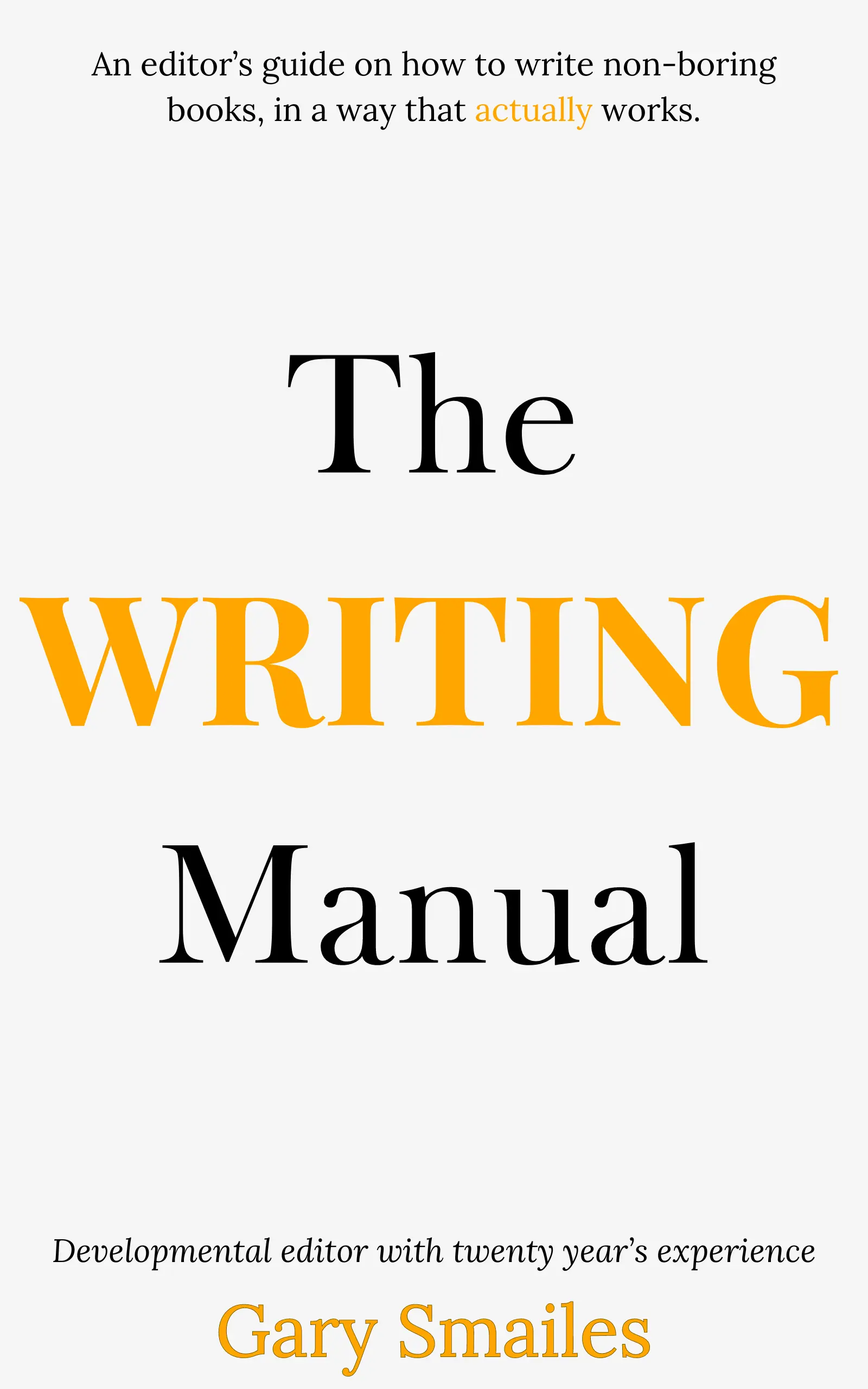
Download FREE ebook
Claim your free eBook today and join over 25,000 writers who have read and benefited from this ebook.
'It is probably one of the best books on writing I've read so far.' Miz Bent