Understanding Book Publishing Contracts


Table of Contents
Key Contract Terms Every Author Should Know
Publishing contracts look dense. Learn these six terms and the document starts to speak plain English.
Advance
An advance is money paid upfront, credited against future royalties. You keep it even if the book never earns out.
Typical structure:
- On signing.
- On delivery and acceptance.
- On publication.
Example:
- Advance 20,000 dollars, split three ways.
- You receive 6,666 on signing, 6,666 on acceptance, 6,668 on publication.
- Your agent takes 15 percent from each payment.
- Taxes apply, so plan your quarterly payments.
Key tip:
- Ask for a clear payment schedule in the deal memo and the contract. Dates beat vibes.
Royalty rates
Royalties arrive after the advance earns out. Rates differ by format and by how the math is done.
Two common bases:
- List price, a percent of the cover price.
- Net receipts, a percent of money the publisher receives from retailers or wholesalers.
Ballpark rates:
- Hardcover 10 to 15 percent of list.
- Trade paperback 7.5 to 10 percent of list.
- Mass market 6 to 10 percent of list.
- Ebook 25 percent of net.
Quick math:
- Hardcover 28 dollars at 10 percent list. You earn 2.80 per copy.
- Ebook 9.99 list. Retailer passes about 70 percent to the publisher, about 6.99. At 25 percent of net, you earn about 1.75 per sale.
Look for:
- Escalators, higher rates after certain sales thresholds.
- Deep discount clauses, lower royalties when steep discounts apply.
Rights granted
This clause spells out formats, territories, and languages the publisher controls.
Common buckets:
- Formats, print, ebook, audio.
- Territory, North America, world English, world.
- Languages, English only, translations.
- Subsidiary rights, book club, large print, excerpt, serial, film or TV tie-ins.
Strategy:
- Keep rights you or your agent are better positioned to sell. Audio and foreign often fall into this bucket.
- If the publisher takes a right outside core print and ebook, seek a strong revenue split and active marketing language.
Check the verbs:
- “Exclusive, worldwide, in all languages” gives away everything.
- “Exclusive, print and ebook, in North America” narrows scope.
Reversion clause
Reversion returns rights to you under certain conditions. Without a strong reversion, a book can sit unavailable while you wait.
Modern triggers to seek:
- Out-of-print tied to sales numbers, not warehouse status.
- A floor such as fewer than 100 copies sold in all formats in the prior 12 months.
- A cure period. You give notice. Publisher has 30 to 60 days to restore availability above the floor.
- Automatic reversion if the cure fails.
Watch out for:
- “In print in any format including ebook” with no sales floor. An ebook file on a server equals “in print,” which blocks reversion.
Quick step:
- Ask for a simple, measurable trigger linked to sales or availability and a defined timeline.
Option clause
An option gives the publisher first look on your next work. Useful in small doses, risky when broad.
Narrow the scope:
- Limit to your next work in the same genre and audience. For example, next adult fantasy, not every book you write.
- Exclude formats the publisher does not publish. If they do not handle graphic novels, exclude graphic novels.
Set the timeline:
- Delivery window for your proposal or manuscript.
- Response window for the publisher, for example 30 days for proposals, 45 for fulls.
- If no offer within the window, you are free to shop elsewhere.
Add clarity:
- Define what materials you must submit, such as a synopsis and three chapters.
- Require written release upon expiry, which avoids limbo.
Delivery and acceptance
Delivery sets deadlines and specs. Acceptance decides whether the manuscript meets the contract.
Spell out:
- Word count range and format. For example, 85,000 to 95,000 words as a Word document.
- Due date, plus any extension process.
- Number of revision rounds and timelines for editorial notes and your responses.
Acceptance language to seek:
- “Satisfactory in form and content, not to be unreasonably withheld.” This boxes in subjective calls.
- Clear steps after delivery. Editorial notes within a set period. A chance to revise. A final yes or no.
If rejection occurs:
- The contract should state what happens to rights and money. Some deals call for repayment of portions tied to acceptance. Others let you keep paid installments and revert rights. Do not guess. Get the terms in writing.
Practical move:
- Keep a delivery calendar. Note every date for draft, revision, and acceptance. Missed dates ripple into production.
Quick exercises to ground the terms
- Write your advance math on a sticky note. Total amount, number of installments, amounts per milestone, agent commission, tax set-aside.
- Draft one sentence on rights you will not grant. For example, “Audio retained by author” or “World English only, no translation rights.”
- Summarize your reversion trigger in one line. Sales floor plus cure period plus reversion date.
- Trim your option to one clause in plain English. “Publisher has first look at my next adult thriller. Thirty days to respond to proposal.”
- List three delivery dates. Draft due. First revision due. Final acceptance target.
Know these six, and you walk into negotiations with clear eyes. The rest of the contract starts to make sense once these pillars stand straight.
Financial Terms and Royalty Structures
Numbers decide whether a book pays for your time. Know how they work before you sign.
Standard royalty ranges
These are common ranges from major houses. Small presses sometimes differ, but this gives a baseline.
- Hardcover, 10 to 15 percent of list price.
- Trade paperback, 7.5 to 10 percent of list price.
- Mass market, 6 to 10 percent of list price.
- Ebook, 25 percent of net receipts.
Quick math:
- Hardcover at 28 dollars, 10 percent of list pays 2.80 per copy.
- Trade paperback at 17 dollars, 8 percent of list pays 1.36 per copy.
- Ebook at 9.99, retailer passes roughly 70 percent to the publisher, about 6.99. Your share at 25 percent of net is about 1.75.
Ask for a rate table in the contract by format. Clarity saves grief.
Net receipts vs list price
Two bases drive the calculation.
- List price means your rate applies to the jacket price. Cleaner math, often lower rates.
- Net receipts means your rate applies to what the publisher receives after retailer discounts and delivery fees. Messier math, often higher discounts in play.
Example:
- List deal. Trade paperback at 18 dollars, 8 percent. You earn 1.44 per copy.
- Net deal. Same book sells to a retailer at 50 percent discount. Publisher receives 9 dollars. At 25 percent of net, you earn 2.25 per copy.
Note the spread. On ebooks, net is standard. On print, list is common for hardcover and trade, but some houses shift to net under certain sales conditions.
Key lines to find:
- A definition of “net receipts.” It should say money received by the publisher from third parties, less only customary discounts, returns, and delivery fees for ebooks.
- No creative deductions. No “cost of doing business” carve-outs.
Escalation clauses
Escalators raise your royalty after sales hit a threshold. They reward momentum.
A classic hardcover ladder:
- 10 percent for the first 5,000 copies.
- 12.5 percent for the next 5,000.
- 15 percent thereafter.
What this means:
- On a 28 dollar hardcover, the jump from 10 to 12.5 percent adds 70 cents per copy.
- Over the next 5,000 copies, that is 3,500 dollars more to you.
- The 15 percent tier pays 4.20 per copy. That adds 1.40 per copy over the base.
Try to attach escalators to lifetime sales, not per-year resets. Ask for ebook escalators too, for example 25 percent of net up to 15,000 units, then 30 percent thereafter.
Deep discount provisions
When a publisher sells at a steep discount to a retailer or wholesaler, your royalty rate often drops. These deals move volume, but they shave earnings.
Typical triggers:
- If the discount to the account exceeds 50 or 52 percent of list, your royalty switches to a lower base, often a percent of net.
Example:
- Trade paperback lists at 18 dollars.
- Publisher sells to a big box account at 60 percent off. Publisher receives 7.20.
- Contract says deep discount sales pay 10 percent of net.
- Your royalty is 72 cents per copy, not the 1.35 to 1.80 you saw in standard list-based math.
Push for:
- A higher deep discount rate, for example 15 percent of net.
- A carve-out for special sales where no returns are allowed, with a better rate on those.
Watch for catch-alls like “sales at high discount” without a number. Get a clear threshold.
Advance structure
An advance is money paid now, then recouped from your royalties later. Payments arrive in pieces tied to milestones.
Common schedules:
- Two-part, half on signing, half on delivery and acceptance.
- Three-part, signing, delivery and acceptance, publication.
- Four-part, signing, delivery and acceptance, hardcover publication, paperback publication.
Example on 30,000 dollars, three-part:
- 10,000 on signing.
- 10,000 on delivery and acceptance.
- 10,000 on publication.
Each installment goes through your agent first if you have one. Agents take commission from each installment. Set aside taxes. Quarterly estimated payments keep penalties away.
Ask for dates, not vibes. “Payment within 30 days of acceptance” beats “promptly.” Tie publication payments to a calendar date if the publisher delays the list.
Earn-out timeline
Earning out means your accumulated royalties match the advance paid. After that point, royalty checks start to arrive.
What to expect:
- Royalty statements, often twice a year, with payments 30 to 90 days after the close of the period.
- Your statement shows units sold, returns, net receipts if relevant, and how much of the advance has recouped.
Example:
- You received a 30,000 dollar advance.
- In the first statement period, you earned 7,500 in royalties. Your check is zero, since the 7,500 offsets the advance. Your unrecouped balance is 22,500.
- In the third period, your cumulative royalties pass 30,000. The next dollar triggers a payment to you.
A few timing notes:
- Publishers sometimes carry a reserve against returns on print sales. This holds back part of your royalties to cover expected returns. Look for a cap on the reserve and a schedule to release it within two or three periods.
- An unearned advance does not go back. You keep advances previously paid even if sales fall short.
Why this ties to rights:
Some reversion clauses link to out-of-print status, not earn-out. Still, a long stall in sales slows reversion if the clause uses ebook availability as the measure. Pair a strong reversion trigger with realistic sales floors so you are not stuck forever.
Mini checkups you can do today
- Grab your offer sheet and write the royalty bases by format. List or net, plus the exact percentages.
- Note the deep discount trigger and the replacement rate. If no number appears, flag it.
- Build a simple earn-out tracker. Advance total, royalties per unit by format, and how many units to reach zero.
- Confirm your payment triggers with dates. Signing, acceptance, publication, paperback if applicable.
Clarity here puts you in control. You will know what each sale pays, when money arrives, and which clauses blunt your earnings. That knowledge gives you leverage at the table and fewer surprises later.
Rights and Territory Provisions
Rights decide who controls your book, where it travels, and in what shape it appears. Money follows rights. So read this part twice.
Primary rights
Primary rights cover the publisher’s core work. Print and ebook in English, usually in the home market. Some houses also expect audio in English.
Questions to ask before you grant audio:
- Does the house produce audio in-house, or license to an audio partner.
- What is the royalty on audio, and is it list or net.
- If no audio release within 12 to 18 months of print, do audio rights snap back to you.
A clean grant reads like this, trimmed to purpose:
- “Exclusive right to publish in book form, print and ebook, in English within the Territory.”
Limit to book publication. No games, courses, or merchandise in this clause.
Subsidiary rights
Subsidiaries are add-ons. They include foreign translation, film and TV, merchandise, book club, large print, first serial, second serial, anthology, and sometimes audio if not in primary.
Who sells them, and how you split revenue, drives your upside.
Common splits when the publisher exploits:
- Foreign translation, 75 percent to author, 25 percent to publisher.
- Book club, 50 percent to author, 50 percent to publisher.
- First serial, often 90 percent to author, 10 percent to publisher.
- Film and TV, 80 to 90 percent to author, 10 to 20 percent to publisher.
- Merchandise, highly negotiable. Many authors keep merch outright.
If your agent retains translation rights and sells to foreign publishers, author share often lands between 80 and 90 percent of net receipts, after subagent fees. Higher author share, more work for your team. Weigh reach and energy.
Ask for performance windows. If the publisher holds a subright and fails to exploit within 12 to 24 months, it should revert on notice.
Territory restrictions
Territory answers where the publisher holds rights. Get precise.
Common options:
- North American rights, United States and Canada.
- World English, all countries where English editions sell.
- World all languages, the whole globe in any language.
Trade-offs:
- Grant North American, then your agent sells UK and translation. More control, more deals to manage.
- Grant World English to a house with strong global distribution. Faster rollout, fewer contracts.
- Grant World all languages only if the house has a proven foreign rights team. If they sell translation, your cut follows the subrights split.
Test it with numbers:
- A German sale pays a 12,000 dollar advance. With a 75,25 split in your favor, you receive 9,000, less agent commission.
- If you retained translation, and the agent sells direct with a subagent, your share might reach 80 percent of net. On the same deal, your take could top 9,600.
Define Territory cleanly. Avoid vague phrases like “throughout the universe.” Lawyers love them. You do not need them.
Format limitations
Formats spell out which editions are covered. Hardcover only. All print formats. Ebook. Audio. Large print. Boxed sets. Omnibus. Clarify each one.
Watch for catch-all language such as “in any and all media now known or later developed.” If you see it, narrow the grant to book formats. For anything outside book publication, move those to the subrights list or delete.
Two helpful tweaks:
- Tie ebook to print release. “Ebook to publish no later than print publication date,” or ebook rights revert if no release within 90 days of print.
- If hardcover only, add a right of first negotiation for trade paperback, with a time limit. If no paperback offer within 6 to 9 months after hardcover release, paperback rights revert.
Exclusivity periods and non-compete
Exclusivity means the publisher holds sole control over granted rights for the term. That is normal. The real fight sits inside non-compete language, which can block you from publishing related work.
Aim for narrow, time-bound, and focused on direct competition.
Practical guardrails:
- Limit to works which would confuse readers about source or substitute for the book.
- Limit to format and territory granted in this deal.
- Set a window, for example three months before through six months after first publication.
- Carve out short pieces, newsletters, teaching materials, conference talks, and prior commitments.
Sample wording:
- “Author agrees not to publish a work which is substantially similar to the Work and intended to compete directly in the same market, in the Territory, during the window beginning three months prior to first publication and ending six months after.”
No blanket ban on writing in your field. No lifetime freeze.
Rights reversion triggers
Reversion returns rights to you when sales fade or when the publisher fails to publish. Digital editions made the old “out of print” test slippery, so precision matters.
Strong triggers use numbers and clocks:
- Sales floor. “If, in any 12-month period after first publication, combined sales of all editions in the Territory fall below 200 copies, Author may request reversion.” Pick a number that fits your category. For ebooks, a revenue floor can work better, for example 250 dollars in net receipts.
- Publication deadline. “Publisher to publish within 12 months of delivery and acceptance. If no publication, rights revert on notice.”
- Subrights window. “If Publisher fails to license audio within 18 months of first publication, audio rights revert.”
- Print status. “If no print edition remains available for sale through ordinary channels, and on-demand copies do not exceed 100 units over 12 months, rights revert on notice.”
Include a notice and cure period, usually 30 to 60 days, so both sides have clarity on timing.
Quick negotiation plays
- Keep translation unless the house brings a real foreign rights plan. If you grant, ask for a 75,25 split in your favor and a time limit to sell.
- Hold audio if the offer is weak. If you grant, add a release deadline and a reversion snapback.
- Narrow Territory to where the publisher sells well. Add performance windows for any expansion.
- Tighten non-compete to direct substitutes. Add exceptions for short pieces and teaching.
- Delete catch-alls. Name formats. Name media.
Mini diagnostics
Pull your offer and mark it up with a highlighter.
- Circle formats granted. Are any missing. Any extra sneaking in.
- Underline Territory. North America. World English. World all languages. Does it match the publisher’s reach.
- List each subright and the split. Who controls it. Any performance clocks.
- Find “out of print” and reversion. Replace fuzz with numbers, periods, and notice steps.
- Read non-compete out loud. If it blocks normal work, fix it.
Rights shape your future more than any single check. Nail the scope, lock in triggers, and your book has room to keep earning, at home and abroad.
Manuscript Delivery and Editorial Control
This section determines who controls your words, when you deliver them, and what happens if the publisher decides your manuscript is not good enough. Read every line. These clauses bite.
Delivery requirements
Your contract spells out what you owe and when. Word count, format, deadline. Miss any piece, and the publisher holds grounds to reject or cancel.
Word count gets tricky. Contracts often include ranges, like "80,000 to 100,000 words." Sounds generous until you deliver 79,500 words and face rejection for being under length. Or submit 105,000 words and get told to cut 5,000 before acceptance.
Build in flexibility. Push for "approximately 90,000 words" instead of hard ranges. If ranges stay, ask for plus-or-minus 10 percent wiggle room.
Format specifications cover file type, manuscript style, and submission method. Standard requests include double-spaced Word documents with Times New Roman 12-point font. Simple enough, but some houses want specific headers, page numbering, or chapter breaks.
Get the style guide upfront. Nothing derails delivery like scrambling to reformat 300 pages because you used the wrong margin settings.
Timeline pressure starts here. Most contracts give 12 to 24 months for delivery from signing. Sounds like plenty until life happens. Family emergency, research roadblock, or your day job explodes. Suddenly, 18 months feels like 18 minutes.
Negotiate extensions before you need them. Add language like "delivery date may be extended by mutual written agreement" or "force majeure events extend deadline by period of delay." Publishers resist open-ended extensions, but reasonable language protects both sides.
Editorial approval and revision obligations
Publishers buy the right to shape your manuscript. How much control they get depends on contract language and your negotiating position.
Standard language requires you to revise based on editorial feedback. The key phrase to watch: "author agrees to make revisions as reasonably requested by publisher." Reasonable gives you room to push back on changes that damage your vision or voice.
Weaker language drops "reasonable" and demands compliance with all editorial requests. Fight this. No editor should have unlimited power to rewrite your book.
Set boundaries upfront:
- Limit revision rounds. "Author agrees to complete one major revision and one minor revision based on editorial feedback."
- Define scope. "Revisions limited to matters of clarity, consistency, and editorial judgment, not fundamental changes to premise or approach."
- Include consultation language. "Publisher to consult with author on significant structural changes."
Timeline for revisions matters too. Standard contracts give 30 to 90 days for major revisions, 14 to 30 days for minor ones. If your book requires research or expert review, push for longer windows.
Acceptance standards
"Satisfactory in form and content" appears in every contract. Those five words give publishers broad power to reject your completed manuscript.
Form covers technical elements. Proper length, format, completeness. Objective standards you control through careful delivery.
Content creates problems. Satisfactory content means different things to different people. Your literary masterpiece might strike an editor as uncommercial or off-brand. Your meticulously researched nonfiction might feel dry to a publisher expecting more popular appeal.
Protect yourself with specificity. Reference your book proposal, outline, or sample chapters. "Work to be satisfactory in form and content, consistent with the proposal dated [date] and sample materials previously approved."
If the publisher approved a detailed outline, attach it to the contract as an exhibit. Hard to claim your completed book misses the mark when you followed the roadmap they approved.
Add a consultation step for rejections. "If publisher deems work unsatisfactory, publisher to provide detailed written comments and opportunity for author to cure within reasonable time." This prevents snap rejections and gives you a path forward.
What happens when publishers reject
Rejection triggers vary by contract, but common scenarios include:
- Missing delivery deadline
- Submitting work substantially different from proposal
- Failing to address editorial feedback
- Creating work the publisher deems unpublishable
Consequences range from mild to career-ending:
- Deadline extension with revised terms
- Advance repayment requirement (kill fee)
- Contract termination with rights returning to author
- Legal action for breach of contract
The kill fee clause demands attention. Some contracts require full advance repayment on rejection. Others pro-rate based on work completed or cap repayment at a portion of total advance.
Push for limited liability. "In event of termination for cause, author's maximum liability limited to amounts received under this agreement, less publisher's documented out-of-pocket expenses not to exceed $X."
Marketing copy and promotional control
Publishers write catalog copy, back cover text, and promotional materials. Your input varies by contract and clout.
Most contracts give publishers complete control over marketing copy. You get no approval rights, no consultation, no heads-up before materials go live.
This creates problems when marketing copy misrepresents your book, includes factual errors, or uses language you find objectionable. By the time you see it, catalogs are printed and sales reps are pitching accounts.
Negotiate consultation rights where possible:
- "Publisher to consult with author on back cover copy and catalog description."
- "Author to have opportunity to review and comment on promotional materials prior to publication."
- "Publisher to provide advance copy of marketing materials for author review."
Small publishers often accommodate these requests. Large houses resist, but established authors with leverage get consultation rights written in.
Title and cover control
Publishers typically control title and cover design. Your input depends on contract language and relationship strength.
Standard contracts grant publishers sole authority over title changes. They might consult you as a courtesy, but the decision sits with them. Same for cover design, typography, and overall book packaging.
For authors with strong title preferences, negotiate consultation language. "Publisher agrees to consult with author before making changes to title." Not approval rights, but a voice in the conversation.
Cover consultation works similarly. "Author to have opportunity to review cover concepts and provide feedback before final design." Publishers value author buy-in on covers because authors sell books through social media and events.
Some authors negotiate approval rights over author photos, bio text, or back cover quotes. Reasonable requests for elements directly tied to author brand and reputation.
Publication timeline and delays
Contracts include target publication dates, usually 12 to 18 months after acceptance. Publishers build in cushion for editing, design, production, and sales scheduling.
But delays happen. Editorial revisions take longer than expected. Cover designs get rejected. Production schedules shift for cost reasons. Marketing decides to move your book to a different season for better positioning.
Most contracts include language protecting publishers from delay liability. "Publisher shall use reasonable efforts to publish by target date, but shall not be liable for delays due to circumstances beyond publisher's control."
You get fewer protections. If publication gets delayed repeatedly or indefinitely, your remedies are limited unless you negotiate stronger terms.
Add performance standards:
- "If publication delayed more than six months past target date, author may terminate and retain advance."
- "Publisher to provide quarterly updates on production status and revised timeline."
- "Delays exceeding 12 months constitute grounds for rights reversion."
Practical editing relationship tips
Contract Negotiation Strategies
Publishing contracts are not divine law handed down from corporate headquarters. They are starting points for negotiation. Every clause, every percentage, every deadline exists because someone wrote it that way, and most of those someones will change things if you ask the right way.
But negotiation requires strategy. Charge in demanding everything and you'll get nothing. Focus on the wrong details and miss the terms that matter. Here's how to approach contract negotiation like someone who's done this before.
Know your deal-breakers before you start
Four terms will determine whether your contract works for you or against you: advance amount, royalty rates, rights retention, and reversion conditions. Everything else is secondary.
Advance amount affects your immediate financial reality and long-term earning potential. Too low, and you're subsidizing your own book writing. Too high, and you'll never earn royalties. Know what you need to survive the writing and promotion process. Factor in taxes, agent commission, and the fact that advances usually get paid in installments over 12 to 24 months.
Royalty rates determine your income after the advance earns out. A difference of two percentage points might seem small, but it adds up. On a book that sells 25,000 copies at $16.95 retail, the difference between 8% and 10% royalties equals $8,475. Worth negotiating.
Rights retention shapes your future opportunities. Every right you grant to a publisher is a right you lose to exploit elsewhere. Keeping foreign rights means you can sell your book internationally through other publishers. Retaining film rights means Hollywood deals flow directly to you.
Reversion conditions control when rights return to you if the book stops selling. Weak reversion clauses trap your rights with publishers forever, even when they're no longer actively promoting or selling your book. Strong clauses get your rights back within a few years if sales drop below minimum thresholds.
Focus your negotiation energy here. Publishers expect authors to push on these terms. They've built flexibility into their opening offers.
How agents change the game
Literary agents negotiate contracts for a living. They know industry standards, understand publisher motivations, and maintain relationships that outlast any single book deal. Their 15% commission comes from improved terms that you would never have gotten yourself.
Good agents understand leverage. They know which publishers compete for similar books, which editors have budget flexibility, and which contract terms publishers will bend versus die for. They separate negotiable items from non-negotiable ones.
Agents also provide emotional distance. You've spent years writing your book. Publishers hold your dream in their hands. Hard to negotiate tough when your heart is fully invested. Agents negotiate dozens of contracts per year. Tuesday's deal won't make or break them.
But agents aren't magic. They work within market realities. First-time novelists with small platforms get different treatment than established authors with proven sales records. Agents improve terms within your category, but they don't move you into a different league.
If you're negotiating without an agent, study recent deals in your genre through resources like Publishers Marketplace or writing community forums. Understand what publishers typically offer authors at your level. Knowledge of comparables strengthens any negotiation.
Red flags that should stop you cold
Some contract language goes beyond industry standard into author-hostile territory. These clauses signal publishers who view authors as vendors rather than partners:
Overly broad rights grants that claim "all media now known or hereafter invented." Your contract should specify print, ebook, and audio rights in defined territories. Publishers who grab unspecified future rights are overreaching.
Harsh reversion terms that keep your rights indefinitely. Watch for language requiring books to be "out of print in all formats" before rights revert. With print-on-demand technology, books never go out of print. You need sales-based reversion triggers, like "fewer than 250 copies sold in any 12-month period."
Excessive editorial control beyond "satisfactory in form and content." Some contracts let publishers reject manuscripts for "commercial viability" or "marketability." Subjective standards that give publishers escape hatches from deals they later regret.
Non-compete clauses that prevent you from writing similar books for other publishers. Reasonable non-compete language stops you from immediately selling an identical book to a competitor. Unreasonable language blocks entire genres or subject areas for years.
Automatic option clauses on future books with matching-rights provisions. Publishers should get first look at your next work, not automatic rights to acquire it on same terms as your current deal.
These terms appear in contracts from publishers who prioritize their interests over sustainable author relationships. Push back hard or walk away.
Where you can afford to compromise
Not every contract term matters equally. Save your negotiation capital for issues that affect your bottom line or creative control. Compromise on areas that sound important but have limited practical impact.
Minor subsidiary rights often generate little revenue for most authors. Book club rights, excerpt rights, or condensation rights might sound valuable, but they rarely produce meaningful income unless your book becomes a major hit. Let publishers keep 50% to 90% of these rights if it helps you win better terms on primary rights or royalties.
Marketing consultation sounds appealing, but publishers rarely commit to specific promotional activities in contracts anyway. Standard language gives them broad discretion over marketing strategy and budget allocation. Push for consultation rights if they matter to you, but don't fight to the death over them.
Option book scope affects your next deal, not your current one. Publishers want first look at your follow-up work. Whether they get 30 days or 60 days to respond, or whether they see a proposal versus three chapters, won't change your immediate situation. Negotiate reasonable option terms without burning goodwill.
Publication timeline rarely gets enforced strictly. Publishers build cushion into their schedules, and delays happen for legitimate business reasons. Fighting for publication within 12 months versus 18 months might not speed up your actual pub date.
These compromises show publishers you understand their business needs while preserving your ability to push hard on terms that matter more.
When to hire a lawyer
Entertainment lawyers review publishing contracts for authors who negotiate without agents. Expect to pay $500 to $2,000 for a thorough contract review, depending on complexity and attorney experience.
Lawyers catch problematic language that non-lawyers miss. They understand how vague terms get interpreted in disputes, which indemnification clauses create real liability, and how rights reversion actually works in practice.
You need legal review if your contract includes unusual terms, complex subsidiary rights deals, or significant advance payments. First-time authors often benefit from legal review to understand standard terms and identify red flags.
But lawyers aren't negotiation strategists. They identify problems and suggest better language, but they don't necessarily understand publisher motivations or industry norms. Some lawyers draft author-friendly changes that publishers will never accept, creating unnecessary friction.
Use lawyers for analysis and language improvement, not negotiation strategy. Get your contract reviewed, understand the issues, then negotiate changes yourself or through your agent.
Timeline and relationship management
Contract negotiation typically takes two to six weeks from initial offer to signed agreement. Publishers expect some back-and-forth. They build flexibility into opening offers and set aside time for revision rounds.
First response matters most. Publishers judge your negotiation approach by your initial counteroffer. Come back with reasonable requests on important terms, and they'll take you seriously. Demand changes to every clause, and they'll assume you're difficult to work with.
Sequence your requests strategically. Lead with major financial terms, then move to rights and reversion issues. Save minor points for final rounds. Publishers have limited patience for extensive negotiations, especially with first-time authors.
Explain your reasoning when requesting changes. "I'd like to retain foreign rights because I have contacts in the UK market" works better than "industry standard gives authors 80% of foreign revenue." Publishers respond better to business rationales than demands based on what other authors got.
Know when to stop. You'll never get perfect terms, and publishers have walkaway points too. Once you've improved the major terms and eliminated red flags, sign the contract and start writing your next book.
The psychology of publisher negotiation
Publishers want authors who will promote their books, meet deadlines, and write more books. They prefer working with professionals who understand business realities over artists who view commerce as corrupting.
Frame requests around mutual benefit. "Retaining film rights lets me pursue Hollywood interest that could boost book sales" works better than "I want to control my intellectual property." Same goal, but one sounds like partnership while the other sounds like conflict.
Publishers also negotiate dozens of contracts while authors negotiate one at a time. They have systems, precedents, and approval processes that take time to navigate. Don't interpret slow responses as rejection or disinterest.
Remember that your editor wants the negotiation to succeed. They chose your book, advocated for it internally, and need you to sign so they can publish it. They're on your side within the constraints of their company's business model.
Contract negotiation sets the financial and creative framework for your book's entire life cycle. Approach it with preparation, focus on terms that matter, and remember that today's negotiation affects not just this book, but your relationship with this publisher for future projects.
The goal isn't to win every point. The goal is to create a fair agreement that lets both sides succeed. Do that
Understanding Publisher Obligations and Author Protections
You sign for the money and the dream. You also sign for promises. This section is where those promises live. Read every line here twice. Your future self will thank you.
Publication commitment
A good contract says when the publisher will publish. Look for a clock that starts at acceptance, not delivery. Twelve to eighteen months is common. If no pub date arrives within that window, you need remedies.
Ask for this sequence:
- Written notice from you.
- A short cure period, often 60 to 90 days.
- If no publication after cure, rights revert to you, in full.
- You keep the advance.
Avoid language that ties publication to “publisher’s discretion” with no deadline. Avoid vague promises tied to market conditions.
Quick example. “Publisher will publish within 18 months after acceptance. Failing that, Author may terminate on 60 days written notice, with all rights reverting.” Clean. Clear. Enforceable.
Marketing and promotion
Most contracts promise minimal promotion. Catalog listing. Product page. Inclusion in metadata feeds. That is standard. Dreams of big campaigns live in meetings, not in contracts.
Still, secure a few anchors:
- Inclusion in seasonal catalog.
- Author bio and book page on publisher site.
- Advance reader copies, with a number stated.
- Consultation on marketing plan, in writing, even if advisory only.
Set expectations with yourself. Publicity teams juggle dozens of titles. Your best marketing plan often starts with you. Ask for materials that help you work, not promises no one controls.
Copyright ownership
You own the copyright. Full stop. The publisher receives an exclusive license to exploit listed rights for listed territories and formats. The grant should be narrow and specific.
Lock in these lines:
- Copyright in your name, registration at publisher expense.
- No work-for-hire language, unless the project is a true hire.
- No rights beyond those listed. No “all media now known or later devised.”
- Reversion rules tied to sales or availability, not a print status that never changes.
One more safeguard. Any publisher-created material, like cover or layout files, returns for your use when rights revert. Request a nonexclusive license to those production files at cost.
Accounting and payments
Statements arrive on a schedule. Twice per year is standard. Payment follows within a set period after each statement, often 30 to 60 days. You need clarity on timing, reserves, and audits.
Key points to secure:
- Statement periods, usually Jan–Jun and Jul–Dec.
- Payment deadline after each period closes.
- Reserve against returns, with a cap, plus a schedule for release.
- Detailed statements, listing formats, territories, discounts, and returns.
- Audit rights once per year, on reasonable notice.
- If errors exceed a threshold, say 10 percent, publisher pays audit costs and any shortfall with interest.
Set direct deposit in the contract. Late payments accrue interest. Modest, but it motivates accuracy.
Mini exercise. Pull a recent statement from a friend or a forum sample. Find reserves, discount classes, and net receipts. If you do not understand a line, add language that forces clarity in your own deal.
Bankruptcy protection
Hard topic, vital clause. If a publisher collapses, you want a clear path home for your rights. Bankruptcy law limits automatic termination in some cases, so the goal is practical control.
Look for:
- Reversion if publisher stops business, stops accounting, or fails to pay within a stated period.
- Rights held in trust for you, not as general assets of the company, for monies due.
- Obligation to assign open licenses for your book on request, so distribution does not vanish overnight.
You will not predict every scenario. You will sleep better with reversion triggers tied to nonpayment and nonperformance.
Indemnification clauses
You promise the book is yours. No infringement. No libel. No invasion of privacy. Publishers ask you to indemnify them for claims. Fair, within limits. Your goal is a cap and a duty to defend on their side.
Push for:
- A liability cap equal to amounts paid to you under the contract, or the insurance limits carried by the publisher.
- No indemnity for publisher changes, cover copy they write, or uses outside the grant.
- Prompt notice of any claim. No settlement without your written consent, not unreasonably withheld.
- Publisher pays to defend, using counsel acceptable to both sides, with control shared or defined.
Mutuality matters. Publisher should indemnify you for claims arising from their negligence, designs, or added material.
Working rules to remember
- Deadlines in writing protect you. So do cure periods.
- Promises on marketing rarely include numbers. Secure the few you can enforce.
- Narrow grants keep doors open. Broad grants lock you in.
- Money loves schedules. So do audits.
- Reversion saves careers. Treat those clauses as life rafts.
- Indemnity without a cap risks your house. Do not sign for unlimited exposure.
One last nudge. Ask for what you need, without heat. Editors respect authors who read contracts closely and negotiate with focus. You are building a partnership. Make it one you can live with when sales soar, and when they do not.
Frequently Asked Questions
What is an advance and how should the advance payment schedule appear in a contract?
An advance is an upfront payment credited against future royalties; you keep it even if the book never earns out. A clear advance payment schedule in publishing contracts spells the instalments (for example: on signing, on delivery and acceptance, and on publication), the exact amounts and timing, and notes agent commission and tax responsibilities.
Insist on dates or firm triggers (“within 30 days of acceptance”) rather than vague wording like “promptly,” and record each instalment in the deal memo so payments do not get delayed in production timelines.
How do royalty rate calculations work for print and ebooks (list price vs net receipts)?
Royalty rate calculations typically use either list price (a percentage of the jacket price) or net receipts (a percentage of what the publisher actually receives after retailer discounts). Hardcovers often pay on list, ebooks usually pay on net — know which basis applies to each format and get a rate table in the contract.
Watch for escalator clauses that raise your rate at sales thresholds and deep discount provisions that lower royalties when the book is sold at steep retailer discounts; both materially affect your earnings, so get explicit numbers and thresholds in writing.
Which rights should I aim to retain and how do territory and subsidiary rights affect my income?
Retain rights you or your agent can sell better (for many authors that means translation, some audio and certain foreign territories) and grant the publisher focused primary rights (e.g. print and ebook in North America). Rights and territory provisions determine who exploits your work and where, so narrower grants usually keep more revenue pathways open.
If you do grant subsidiary rights (film, translations etc.), negotiate an author‑friendly split (for example 75/25 or 80/20 in your favour) and performance windows so those rights revert if the publisher does not actively market them within a set period.
What makes a strong reversion clause in a publishing contract?
A strong reversion clause uses measurable triggers (sales floors or availability), a clear notice and cure period, and automatic reversion if the cure fails. For example: if combined sales across formats fall below X copies in any 12‑month period, or if no publication occurs within Y months of acceptance, rights may revert after 30–60 days' notice and an unsuccessful cure.
Avoid vague “in print” tests tied to ebook presence; instead insist on numeric thresholds or revenue floors so you can reclaim rights when the publisher is not actively exploiting the book.
How can I narrow an option clause so my next book isn’t unfairly trapped?
Limit the option clause to a single, narrowly defined work (for example “the author’s next adult fantasy novel”) rather than any and all future books. Specify the materials to submit (proposal, first three chapters), set a fixed response window (30–45 days), and demand written release if the publisher declines so you avoid indefinite limbo.
Also exclude formats the house doesn’t publish (graphic novels, academic monographs) and cap the option period so you retain freedom to shop elsewhere after the deadline.
What does “satisfactory in form and content” mean for manuscript delivery and acceptance?
“Satisfactory in form and content” is the publisher’s acceptance standard and can be subjective. Protect yourself by referencing the proposal, sample chapters or an approved outline in the contract, requiring written editorial comments if the publisher finds the manuscript unsatisfactory, and allowing a reasonable cure period for revisions.
Specify delivery format, word count tolerance (±10% or “approximately”), and the number of revision rounds and timelines so acceptance is not an open‑ended judgement but a process with clear steps.
When should I hire a publishing lawyer instead of — or as well as — an agent?
Hire a publishing lawyer for contract review when deals include unusual terms, large advances, complex subsidiary rights, or film/TV provisions; expect to pay for a focused review and suggested language changes. Agents handle negotiation strategy and market context, while lawyers identify legal risk, caps on indemnity, and enforceable wording.
If you have an agent, use the lawyer selectively (for example to vet translation or film clauses). If you’re unrepresented, a lawyer’s contract review is a sensible investment to avoid author‑unfriendly traps in the fine print.
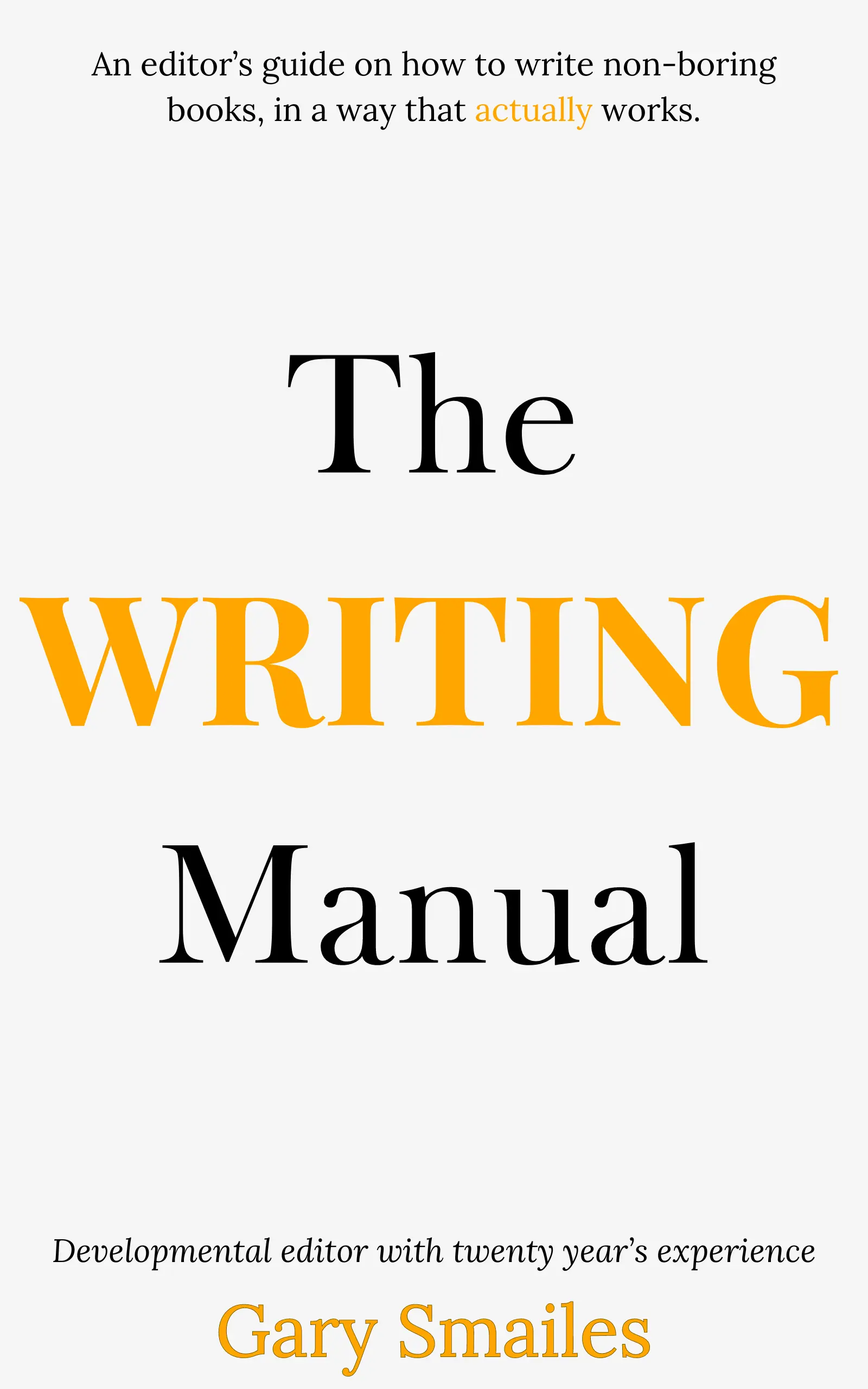
Download FREE ebook
Claim your free eBook today and join over 25,000 writers who have read and benefited from this ebook.
'It is probably one of the best books on writing I've read so far.' Miz Bent