Ideas For Writing Realistic Characters

Table of Contents
Foundations of Believable Characters
Archetypes give a silhouette. Specifics give a person. Readers meet your character, then decide whether to lean in or drift off. Details are the difference.
Start with four anchors. One goal. One fear. One value. One contradiction. Keep them concrete.
- Goal: Make detective before thirty to pay off a sibling's college debt.
- Fear: Freezing during a high‑stakes decision.
- Value: Loyalty over rules.
- Contradiction: Preaches honesty, lies to keep the team safe.
See how the pieces push on each other. A loyal cop who lies is going to face messy choices. That is where story lives.
Give them agency
Plots throw punches. Believable characters throw some back. A person with agency initiates. They set plans, or at least pick tactics under pressure. They do not wait for the story to carry them like luggage.
Quick test. Open a scene with your lead. Highlight verbs tied to them. Decides. Schemes. Picks. Risks. If you see reacts and waits and follows, swap at least two beats for a move they choose.
Example. A storm floods the town. Reactive version: Lina hears the sirens, panics, calls her ex, and cries. Agency version: Lina checks on the neighbor with mobility issues, breaks into the school to open the gym, and lies to the dispatcher to speed the bus. Same storm, different spine.
Agency does not mean bulldozer. A quiet choice still counts. Saying no. Refusing to answer. Leaving a question hanging so someone else fills the silence. If the moment bends because of them, you have agency.
Build consistent inconsistencies
Real people wobble in familiar ways. Give your character a reliable quirk or blind spot that shows up under stress. Not randomness. A pattern.
- A public defender who dominates in court, vomits before arraignments, hides it with mints.
- A punctual surgeon who stalls every time her mother calls, then races and arrives late with flawless hair.
- A neat teacher with a desk that turns into a paper reef during parent conferences.
Name the trigger. Name the tell. Repeat under pressure. Over time, let it evolve, or let it cost them. Readers track these rhythms, often without noticing. That builds trust.
Tie traits to stakes
Traits feel real when linked to loss. Not a quirk in a vacuum. Who gets hurt if this person fails. What breaks if they walk away. Stakes shape behavior.
Example. Marcus hoards leftovers from the restaurant. Not because he is thrifty. Rent is late, and his kid's lunchbox went back half-eaten last week. So when a co‑worker tosses food, Marcus snaps. It is not about Tupperware. It is about dignity and a six‑year‑old who counts grapes.
Another. Priya smiles through criticism at work. Her visa depends on this job. Flaring up risks more than a performance review. So she smiles, documents everything, and builds an exit plan at midnight. You feel her restraint because the cost is clear.
When you give a trait, ask what price attaches to it. If none, either raise the stakes or pick a different trait.
Examples in practice
Let us stitch the pieces.
Meet Nisha. ICU nurse. Goal, get off nights to help with her father's dialysis. Fear, freezing during a code. Value, family over everything. Contradiction, lectures colleagues about procedure, cuts corners for patient comfort.
Agency: When a new hire panics during a code, Nisha steps in, divides tasks, lies to the attending about meds to avoid a delay, then takes the heat.
Consistent inconsistency: She never cries. Unless a patient's child is in the room. Then the throat tightens, the voice softens, and she reaches for the sticker stash in her pocket.
Stakes: Switching to days means lower overtime. Less money for the household. Her father refuses to move. Every shift choice feels like betrayal. Now a supervisor offers a fast track promotion if she reports nurses who bend rules. Value meets contradiction meets cost. Scenes write themselves.
Mini exercises
- Write one sentence where a value drives a choice. Keep it under ten words. Example: He hands the thief his jacket before the cops arrive.
- Pick a trigger and a tell. Place them in three spots in your outline. Do not explain. Let readers connect the pattern.
- List three verbs your lead uses when pinned. Bargains. Withdraws. Flirts. Then build a scene where one tactic fails and they must switch.
Action: 3 truths and 1 lie
Draft four statements about your character. Three true, one false. Short, specific, and a bit sharp.
Example for a pastry chef named Joel:
- Joel eats breakfast with the oven light on for company.
- Joel hates birthdays.
- Joel stole a recipe from his mentor.
- Joel keeps a list of regulars he worries about.
Now write a scene that reveals one truth without naming it.
Joel propped his notebook against the mixer. Table eleven, almond allergy, no problem. The bell above the front door never rang in the morning, so the kitchen felt like a church with a swear jar. He checked the oven again. The roll of heat fogged his glasses, warmed his teeth. He cracked the door, enough for glow, not enough to drop temp. His pen hovered. Mrs. Kline, two days absent. Mr. Romero, smile tight last week, tipped in change. The pen moved them to the top of the list. He shut the notebook when Liz breezed in, whistling. "You bake better when the light's on," she said, bumping the oven with her hip. Joel reached for the tray, cheeks hot. "Keeps the room from feeling empty," he said, and set out twelve perfect buns, one extra for table eleven if they showed early.
The scene points to the list and the light without a neon sign. Readers piece together the truth. They feel a person, not a profile.
One final nudge. Specifics, agency, patterns, stakes. Ask those four questions every time you sketch a new player. If the answers pull you forward, your reader will follow.
Psychology and Backstory That Drive Behavior
Character arcs begin with a crack. Find the wound, trace the misbelief, then watch the war between what they want and what they need. This engine powers every believable transformation on the page.
The wound-misbelief-desire triangle
Start with the hurt. Something happened that taught your character a lesson about how the world works. Usually wrong, always sticky.
Core wound: Dad left when the business failed. No goodbye, no forwarding address.
Misbelief: Success is the only insurance against abandonment. If you achieve enough, people stay.
Desire: Build an empire, prove worth through accomplishments, never let anyone see you fail.
Need: Learn to trust without requiring perfection as collateral.
The wound creates the misbelief. The misbelief drives the desire. The need sits opposite, waiting for the character to stumble toward it. Plot becomes the obstacle course between wanting and needing.
Example. Maya runs a nonprofit but works eighteen-hour days, micromanages volunteers, and burns through assistants. She wants recognition, funding, perfect execution. She needs to delegate, trust her team, and accept that good enough often beats never finished. The wound? Her mother's business collapsed when Maya was twelve. Lights cut off, apartment lost, promises broken. Maya learned that failure spreads like infection.
Now every scene carries weight. Maya snapping at a volunteer is not temper. It is terror. The stakes are not just project success. They are safety, belonging, the promise that effort prevents abandonment.
Formative moments that stick
Backstory shapes worldview, but not all moments matter equally. Pick three or four that teach status rules, survival strategies, or relationship patterns. Make them specific to culture, class, and geography.
Growing up poor teaches different lessons than growing up rich. Rural isolation builds different reflexes than urban crowds. First-generation families navigate different pressures than those with generational wealth.
Example. Sam, middle child in a military family. Formative moments:
- Age seven: Dad deploys during Sam's birthday. Mom puts on a brave face, serves cake with tears in her eyes. Lesson: Hide pain to protect the unit.
- Age twelve: Family moves for the fourth time. Sam stops unpacking completely, keeps belongings in boxes. Lesson: Attachment is expensive.
- Age sixteen: Dad retires, struggles with civilian work, drinks more. Sam becomes the family mediator. Lesson: Your job is to manage other people's emotions.
These moments create if-then patterns. Sam meets conflict? He deflects with jokes or changes the subject. Sam faces commitment? He keeps an exit strategy ready. Sam sees someone struggling? He steps in to fix it, even at personal cost.
The patterns feel natural because they worked once. They became survival tools. Your character does not consciously choose them. They arise under stress like muscle memory.
If-then behavioral patterns
Map five patterns for your character. Think triggers and responses. Keep them narrow and specific.
- If praised publicly, then minimizes the achievement and redirects credit.
- If someone cries near him, then finds a task and disappears.
- If plans change suddenly, then gets quiet and starts list-making.
- If asked about family, then shifts to asking about yours instead.
- If running late, then speeds up everything else and arrives breathless but early.
These patterns should feel logical for the backstory you built. The praised-minimizer learned that standing out draws unwanted attention. The crying-avoider grew up where emotions meant danger or manipulation. The plan-change list-maker survived chaos by controlling what they could.
Use patterns to guide scene reactions without thinking. Character walks into a surprise party? Check the list. How do they handle unexpected praise, crowds, being the center of attention? The pattern gives you the first instinct. Then decide if they fight it, lean into it, or surprise themselves by doing something different.
The iceberg principle
Ninety percent of backstory stays underwater. You know it. The reader feels it. But you show it through choices, habits, and speech patterns, not exposition dumps.
Bad: "Janet had trust issues because her ex-husband cheated with her sister, which is why she always checked her boyfriend's phone."
Good: Janet waited until Marcus fell asleep, then scrolled through his contacts. No female names she did not recognize. She closed the phone, set it back on the nightstand, and stared at the ceiling for an hour.
The backstory informs the action. We see the behavior, sense the history, feel the weight. No explanation required.
Other iceberg techniques:
- Word choice that reflects background. A mechanic notices engine sounds. A teacher counts heads in crowds. A former foster kid hoards food.
- Physical habits. Military posture. Nervous smoker gestures minus the cigarette. Always sitting with a view of the exit.
- Relationship reflexes. Immediate apologies. Giving gifts to defuse tension. Changing the subject when anyone mentions money.
Status behaviors and worldview
Class and culture shape how characters move through space, handle conflict, and read social cues. Rich kids learn different body language than poor kids. Rural teenagers develop different street smarts than urban ones.
Example. Two characters face the same situation. Restaurant screws up their order.
Character A (working-class background): Makes eye contact with the server, speaks directly, tips normal. Has worked food service, knows mistakes happen, does not want to cost someone their job.
Character B (upper-class background): Signals the manager, uses polite but firm language, expects compensation. Views poor service as a system failure requiring management attention.
Neither response is wrong. Both feel authentic to their backgrounds. The difference is not personality. It is learned behavior about status, power, and how to get needs met.
Research helps here. Read memoirs from different backgrounds. Notice how people describe interactions with authority, money stress, family expectations. Small details create big authenticity.
Action: The day-before-the-plot routine
Write 500 words showing your character's normal day before the story begins. Include the patterns you mapped. Show their coping strategies working.
Then add one change the plot forces. A phone call, a visitor, a missed deadline. Show their go-to tactic failing for the first time.
Example. Dr. Patel runs a small clinic. Every morning, same routine. Arrives early, reviews files, checks supplies, greets staff by name. Control through preparation. Wound: Lost a patient during residency because he missed a detail in the chart. Misbelief: Perfect preparation prevents failure.
Day before the plot: Morning routine runs smooth. Difficult patient? He reviews their history twice, brings backup supplies. Insurance company pushes back? He has three alternative treatments ready. Staff conflict? He mediates with careful questions and compromise. Everything works.
Plot change: The clinic's malpractice insurance gets cancelled overnight. No preparation covers this. His control-through-preparation strategy fails. He snaps at staff, works late, and starts making mistakes because he is trying to prepare for everything at once.
The failure forces growth. He needs to learn delegation, trust others, accept that some problems require collaborative solutions, not individual preparation.
The exercise shows you how your character normally handles stress, then breaks their primary coping mechanism. Story begins when familiar tools stop working. Character arc begins when they must build new ones.
Remember the triangle. Wound creates misbelief. Misbelief drives desire. Plot forces the choice between desire and need. Every scene should inch them toward discovering that what they want and what they need are different things. The psychology you build makes that journey feel earned, not arbitrary.
Showing Realism on the Page
Realism lives in choices. Scene by scene, line by line. Give each moment a spine. Objective, obstacle, stakes. Then pick tactics suited to the person using them.
Build scenes on a clear spine
Before you draft, jot four quick notes.
- Objective: what they want right now.
- Obstacle: what stands in the way.
- Stakes: what loss bites if they fail.
- Tactics: how this person goes after the goal.
Make tactics personal. A blunt character presses. A careful one circles. Two people, same goal, different moves.
Example. Both need a refund at a hardware store.
- Tasha, former cashier. Objective: refund. Obstacle: “no receipt” sign. Stakes: rent money. Tactics: polite tone, receipts lore, empathy for staff. “I know policy. Store credit works too. The SKU still rings up the same, see?”
- Owen, trial attorney. Objective: refund. Obstacle: teenage clerk. Stakes: pride and weekend schedule. Tactics: policy citation, calm pressure, escalation path. “Let’s page a supervisor. I want us to follow store procedures.”
Neither feels generic because tactics fit the person. Choice grows from history and worldview.
Dialogue with weight in the silence
On-the-nose lines flatten scenes. Real people talk around the thing. Let pressure show in what goes unsaid.
Flat:
- “You forgot my birthday, and I feel hurt.”
Subtext:
- “Funny. The candles from last year still in the drawer.”
- He sets the gift bag on the table. Untouched. “Busy week?”
Flat:
- “I am afraid you will leave me.”
Subtext:
- “Keep a spare toothbrush at your place yet, or still travel light?”
You do not need to state emotion. Lay out concrete words, gestures, timing. Trust readers to close the gap.
A quick fix when a line feels stiff:
- Swap a declaration for a question.
- Replace a speech with a task. Washing a dish mid-argument. Folding a shirt that should not be folded.
- End a line early. “I thought you said you were…” Leave it hanging.
Body language and micro-tells
Small signals do heavy lifting. Tics, posture, eye patterns. Better yet, let them evolve.
Early in the story, Malik masks anxiety with a smile and a fast patter. Three tells:
- Right foot taps, heel bouncing.
- Fingers drum in sets of three.
- Eyes flick to exits when voices rise.
Mid-arc, stress spikes. The smile drops. Tells sharpen:
- Foot goes still, jaw locks.
- Drumming stops, hands bury in pockets.
- Eyes hold longer on the person in power.
Late in the arc, new control. Tells soften:
- Breath slows before he speaks.
- Hands open on the table, palms down.
- Eyes stay on the listener, no scan for escape.
A list like this becomes staging. You pick one signal per beat and place it with intent.
Filter detail through the right lens
Description should sound like your character, not a neutral tour guide. Free indirect style helps. You stay close to thought without quotation marks or italics.
Neutral:
- The room was small, warm, and messy. A fan rattled on the dresser.
Filtered through a line cook:
- Grease heat clung to the curtains. Fan on the dresser rattled like a loose hood vent. Someone needed to scrub.
Filtered through a violinist:
- The room was little, yes, but the fan hummed in G. Curtains whispered every time a car passed. Good reverb in the corners.
Same space, different mind. Word choice and focus reveal personhood.
Trim filter words and move closer
Distance creeps in through phrases like “she saw,” “he realized,” “they noticed.” Cut the filter and let the moment land.
Distant:
- She saw the officer enter the lobby and realized the dog was barking at her.
Close:
- The officer steps into the lobby. The dog barks at her.
Distant:
- He noticed his hands were shaking.
Close:
- His hands shake.
When you need a filter for clarity, use one. Most of the time, the direct line reads cleaner and keeps voice tight.
Put it all together
Here is a quick pass on a messy beat.
Drafty:
- “We need to talk about the rent,” Lina said. She felt nervous. She saw her landlord frown. She realized he did not care. “You raised it again. I will move.”
Tight, with subtext and micro-tells:
- Lina sets two envelopes on the counter, one thick, one thin. “About the rent.”
- Mr. Reed pinches the bridge of his nose. Silent.
- She presses a thumb into the thin envelope. “The city posted new guidelines. Thought you’d want a look.”
- He slides the thick envelope closer. “Deposit due Friday.”
- Her thumb stops. “Right.”
Objective, obstacle, stakes, all present without a speech. Tactics fit Lina. A policy printout, not a fight. Body language carries mood. The silence does work.
Action
Pick three key scenes in your story. For each, write this on a sticky note.
- Objective:
- Obstacle:
- Stakes:
- Tactics suited to this person:
Then, within each scene, find two literal lines and replace them with implication, gesture, or silence. Try things like:
- Swap “I’m fine” for a fork scraping a plate hard enough to bend a tine.
- Swap “I forgive you” for a long look, then a saved contact name changing from “Do Not Answer” to “Mina.”
Last step. Read the scene aloud. Mark any filter words. Remove or replace. Nudge one micro-tell to show where the arc sits today. You will feel the page warm up. Characters stop speaking like plot devices and start behaving like people in a room.
Grounding Characters with Research and World Context
Stories feel true when people move through work, money, and culture with lived-in detail. You get there with research, not guesses.
Know the job
Occupations shape hours, habits, and power. Before you write, build a quick job brief.
- Start time, end time, and commute.
- Tools, software, and safety rules.
- Who checks the work, who holds power, who gets blamed.
- What goes in pockets, on a lanyard, or on a cart.
Then watch how the job leaks onto the page.
- ER nurse: scrubs, badge, pockets loaded with alcohol swabs and a dry-erase marker. Language bends toward time and triage. “Two hours since her last dose.” Hierarchy is tight. Charge nurse over nurse, residents under attendings. Breaks vanish when a code hits.
- Line cook: step count through the roof, burns on forearms, tickets clipped to a rail, “Behind” and “Hot” in every exchange. Friday service changes posture and pace. Long shifts squeeze social life.
- Junior architect: Revit files, plotter jams, office pin-ups on Thursdays. A partner tours at 4 p.m., so lunch slides to 3. Jargon, sparing and specific. “Section cut at the stair. Riser height is off.”
Constraints become behavior. A nurse keeps her phone on silent from muscle memory. A cook stacks plates two at a time without thinking. An architect keeps a scale ruler in a tote and checks the spacing on the subway ad.
Money, housing, and time
Socio-economic details do heavy lifting. Rent sets roommates and noise. Transit sets costume and timing. Pay rate shapes risk.
- Housing: studio over a bar means sleep fights bass until 2 a.m. A cousin on the couch means private calls happen on the fire escape.
- Transport: last bus at 11 p.m. means early exits. A car note means side gigs on weekends. Bike commute means a spare shirt in the backpack.
- Time: shift work means meals at odd hours. A parent on alternating weekends means plans die on Fridays when schedules post.
Let these pressures change choices. Your detective misses the school conference because the captain moved a briefing. Your teacher picks up summer school instead of a road trip. Your server stops drinking water at 8 p.m. before a double.
Speech that belongs to a person
Idiolect is rhythm, diction, and references. No phonetic spellings for accent unless you want a caricature. Focus on syntax, verbs, and what gets named.
Same character, two audiences.
- With a manager: “Morning. Tickets were heavy after seven. One comp to table twelve. I left notes for Greg.”
- With a cousin: “Last night got wild. Table twelve tried to run the check, then tipped in coins.”
Code-switching is not a costume change. It is survival and ease. Watch shifts in:
- Sentence length.
- Politeness markers and softeners.
- Topic choice, jokes, and shared memory.
- Names used for the same thing. “Pop” at home, “soda” at work, “Coke” at the ballpark.
Give two or three anchors, then step back. A repeated phrase. A favorite swear. A pet topic they return to when nervous.
Where to get the details
Start with primary sources.
- Interviews. Buy coffee. Ask for routines, not grand stories. “What time do you clock out on Fridays?” “What lives in your pockets?”
- Forums and AMAs. Read threads, not summaries. Note conflicts and sore spots.
- Memoirs and day-in-the-life videos. Notice what people skip. Gaps reveal norms.
- Field observation. Sit in a waiting room. Ride the bus at closing time. Walk a shift route at the right hour.
Track how spaces change pace and volume.
- Coffee line, clipped talk, eye flicks to the barista.
- Library, breath drops, chairs slide softly.
- Construction site, talk pauses between saw cuts.
- Hospital corridor, rolling carts set the beat.
Write while you are there. Smells, signage, shoes, hands. What people do with waiting.
Respect lived experience
Get readers with experience to check pages that touch identity, health, culture, or trauma. Pay them. Share your goals and your questions.
How to brief:
- What you want to portray.
- Pages where this shows up.
- Specific concerns. Stereotypes you want to avoid. Gaps in your knowledge.
What to ask for:
- Language that feels off.
- Missing consequences.
- Power dynamics you missed.
- Moments that ring true, so you keep them.
Sensitivity readers are partners. They improve accuracy and ethics. You still own the work and the choices that follow.
Quick scene gains
Add two to three concrete constraints to a scene, then watch voice sharpen.
- A probation check-in sits at 2 p.m., so your character stares at the clock and dodges coffee.
- Boots track salt into a tidy office, so your character hovers by the mat, talk held at the threshold.
- Phone at 3 percent leads to blunt replies and no music on the train.
Small, real pressures do more than a paragraph of description.
Action
Build two lists.
-
What’s in their bag, desk, or car. Aim for ten items. Make them specific.
- Home health aide: pill cutter, spare gloves, small notebook with auntie’s phone numbers, bus transfers folded in half, hand cream, applesauce cups, pocket calendar, badge on a clip, tiny tape measure, plastic spoon.
- Grad student in geology: hand lens, beat-up Nalgene, Rite in the Rain pad, parking tickets, granola dust on the seat, campus map with one building circled, USB drive on a lanyard, field hat in the trunk, sunscreen stick, rock chips in the cup holder.
- Rideshare driver: phone mount, vomit bags, gum, charger octopus, wipes, gas receipts, water bottles under seats, printed playlist order for Friday nights, hoodie, dash cam.
Circle three items that affect behavior in scenes this week.
-
Mini style sheet for voice and world.
- Slang and set phrases they lean on.
- Taboos they avoid in public.
- Filler words they fall into under stress.
- Pet topics that light them up.
- Status tells when they hold power, and when they lose it.
- Work rhythms that shape time, meals, and sleep.
- Names for money, family members, and food.
Pin both lists near your desk. Before each scene, pick one bag item to use and one voice rule to honor. Watch how fast the person on the page feels like someone you might meet at the bus stop, or at the end of a long shift.
Relationship Webs and Social Dynamics
People feel round when relationships tug them in different directions. No one talks to a boss the way they talk to a little brother. Voice, posture, patience, all shift with company.
Map the people
Build a quick social map. Names on paper. Lines between them.
- Allies. Share goals, cover for mistakes, tip off danger.
- Rivals. Want the same prize, block access, press buttons on purpose.
- Mentors. Open doors, set standards, push for growth.
- Dependents. Need support, raise stakes, force tradeoffs.
Pick one person in each slot. Give each a concrete lever. What do they control. Access to a work schedule. A car on weekends. Information others lack. Then add one point of friction per relationship.
A sample for a paramedic named Nia:
- Ally: Vic, night-shift partner. Lever, backup on calls. Friction, Vic jokes through stress, which hits Nia wrong at 4 a.m.
- Rival: Dispatch lead, Mara. Lever, call assignments. Friction, Mara thinks Nia grandstands.
- Mentor: Uncle Leon, retired firefighter. Lever, old union ties. Friction, he urges caution, Nia wants speed.
- Dependent: Neighbor kid, Timo. Lever, none. Friction, Nia promised Thursday homework help, shifts keep flipping.
Now scenes have gravity. Decisions pull at more than plot.
Status games and flips
Status moves with context. Same person, different room, new rank.
Watch for how power shows in small signals.
- Eye contact held or dropped.
- Seat taken at the head of a table, or a perch near the exit.
- Who starts topics, who changes them.
- Who touches shared objects first, keys, clipboard, remote.
Bake in status flips to reveal hidden sides. The receptionist who controls the gate. The adjunct who runs a volunteer clinic on Saturdays. A teen who is low status at school, then the oldest cousin at a family party, in charge of rides and rules.
Write the same moment twice to test range.
- Holding power: The bar is slammed. Nia stands at the service window, voice flat. “Two waters on twelve. Hold fries on six.” She taps the ticket rail, bodies shift around her.
- Without power: Same bar, next night. She waits for a table, palms tucked in pockets. “Any chance for a two-top soon?” The host scans a tablet, Nia nods and steps aside.
Notice how breath, pace, and word count change. People expand when they hold power. They shrink when they do not.
Cadence and private vocab
Relationships carry sound. Nicknames. Shorthand. Old jokes with a trapdoor.
Give each bond a rhythm.
- Mentor. Shorter lines. More directives. “Show me your notes.” “Try again.”
- Rival. Polite on the surface, edges under words. “Interesting choice.” “Bold outfit.”
- Ally. Overlap and half-sentences. Trust lives in ellipses you do not write.
- Dependent. Repetition. Reassurance. “I will be there.” “Yes, for real.”
Seed callbacks. A phrase from last summer. A dumb bet. A song lyric. Use two or three anchors, then let them breathe.
One voice, three audiences, same person, named Luis.
- Boss: “Morning. I sent the deck. Waiting on legal before we share numbers.”
- Best friend: “I bombed the pitch. Drinks later or no.”
- Kid sister: “I grabbed your charger. Relax. I will drop it off.”
No phonetic spellings. Syntax, topic choice, and reference carry the switch.
Micro-conflicts run the engine
Big plot clashes get attention. Small rubs do daily work.
Use timing, territory, and priorities to spark sparks.
- Timing. One person runs late. Another runs early. Someone stews.
- Territory. Chair by the window. Side of the bed. Locker shelf. Who owns it, who trespasses.
- Priorities. Overtime or dinner. Recital or promotion party. Who bends, who digs in.
Tiny scene, same kitchen, two Tuesdays.
- Week one. Roommate moves Nia’s cast-iron pan under the sink. Nia finds rust on the lip. She wipes, scrubs, holds the handle a breath longer before she speaks. “Hey, not under the sink, please.” Soft smile, firm tone.
- Week two. A run goes late. Nia staggers in, open takeout in one hand. The pan sits wet again. A beat. She sets the food down, dries the pan with her shirt, then stores it on top of the stove, loud. No speech. Mood on the page, no monologue.
Micro-conflict shows values. Clean tools mean respect. Sleep loss means short fuse.
Action
Write one short scene twice. Keep location and goal the same. Flip who holds power.
- Pick a setting with pressure. Office status meeting. Parent pickup line. Studio critique. Corner store at closing.
- Draft version one with your character on top of the pile. Give them control of time, space, or resources. Let body open. Feet apart. Elbows on table. Longer sentences. Fewer softeners, fewer questions.
- Draft version two with power gone. Someone else controls the lever. Shrink posture. Feet together. Bag clutched. Shorter replies. More hedge words. More glances to exits, clocks, or phones.
- Compare. Mark changes in voice, posture, tactics. Keep three that feel true and fold them into later scenes.
Then return to your social map. Add a fresh line or two. Power moves. So should your people.
Revision Passes for Authenticity
Revision is where people on the page stop posing and start living. Think like a casting director mixed with a continuity hawk. Your job now is not to add more scenes. Your job is to make the ones you have line up with who this person is.
Do a character-only pass
Pull one character into the spotlight. Read only their scenes. If they own POV moments, read those alone first. Then scan every line they speak in other scenes.
- Mark vocabulary tells. Formal or blunt. Tech terms. Slang. Favorite curse.
- Note sentence shape. Clipped or winding. Questions or statements.
- Track body habits. Touches neck when stressed. Lines up pens. Stares at shoes during conflict.
- Log one clear want per scene. “Get the day shift.” “Keep the secret.” “Avoid a fight.”
If a scene shows no want, circle it. If a tactic feels off for this person, flag it. If dialogue reads like a swap with any other mouth, write “voice blur” in the margin.
A quick test. Read their lines out loud with names stripped. If you cannot tell who spoke, the voice needs sharpening.
Build an arc tracker
Give the arc four posts: setup, escalation, breaking point, change. Under each post, list the scene beats that belong there. Use because and so, not and then.
- Setup. Who they are before pressure hits. Desire, misbelief, mask.
- Escalation. Choices raise stakes. Costs grow. Pressure squeezes blind spots.
- Breaking point. The belief fails. A wall hits. Something important cracks.
- Change. New belief, or a new way to act around the old one. Visible in behavior.
Keep it short. Here is one for Nia, paramedic.
- Setup. Wants day shift. Believes speed proves worth. Keeps a go-bag by the door, texts back in seconds.
- Escalation. Takes risky routes to shave minutes. Picks fights with dispatch. Snaps at partner’s jokes.
- Breaking point. Near-miss on scene after skipping a checklist. A child’s inhaler sits in the wrong pouch.
- Change. Asks for training on airway protocols. Slows down during handoffs. Leaves some texts unanswered during calls.
Check links. “Because she skipped the checklist, the near-miss happened. Because of the near-miss, she asks for training.” If a beat does not cause the next beat, move or cut.
Line edit for voice
Search and destroy vague beats. Sighed. Shrugged. Smiled. Frowned. Heart pounded. Replace with moves tied to this person’s world.
- Chef. Instead of “she sighed,” use “she draped a towel over her shoulder and pressed two fingers to her eyes.”
- Roofer. Instead of “he shrugged,” use “he tipped his chin toward the ladder and clicked his tongue.”
- Teacher. Instead of “she smiled,” use “she squared the stack of quizzes until the edges matched.”
Trim filler lines. “As you know.” “I’m fine.” “We need to talk” without context. If a line does no work, lose it or load it.
Cut phrases anyone might say. Add one detail only this person would notice or reference. A runner hears breath in the room. A gamer clocks ping. A florist clocks wilt on the hydrangeas.
Continuity check
Continuity makes readers trust you. Build a log.
- Names. Full, nickname, family version. Who uses which. When does a switch signal warmth or distance.
- Timeline. Day and date. Sunrise and commute length. Time between injuries and healing.
- Key objects. The red scarf. The cracked phone. The dog’s leash. Where each lives between scenes.
- Money and energy. Spend once, feel it later. Make sleep loss echo in choices next chapter.
Run searches. If you wrote “Tuesday,” find all Tuesdays. If you mention “scar,” list each scene where it shows. Track weather. If a thunderstorm hit last night, streets hold puddles in the morning.
Consequence is part of continuity. A sprained wrist in chapter three means jar lids and door knobs in four and five. A public lie in chapter six means frosty silence in seven. Hold the thread.
Get external feedback
Pick readers with purpose.
- Beta readers. Ask for clarity and engagement. Where did they skim. Where did a choice feel false. Where did they laugh without meaning to.
- Developmental editor. Ask for arc and structure notes. Do cause and effect line up. Do turning points land on the page, not only in your head.
- Sensitivity readers. Hire people with lived experience close to your character’s identity or context. Be clear about scope, pages, timeline, and pay. Ask where portrayal rings sharp or flat. Listen without defense, then revise with intention.
Give each reader a short focus sheet. Three to five questions, tops. Thank them. Do not chase a hundred fixes based on one opinion. Look for patterns.
Action
Create a per-character style sheet, then run a targeted copyedit against it. Keep it to one page.
- Goals. Long-term and current scene wants.
- Misbelief. Short sentence. “Speed proves worth.” “Affection equals control.”
- Diction. Formal or casual. Jargon buckets. Off-limits words.
- Syntax. Average sentence length. Question habit. Exclamation tolerance.
- Tells. Body moves under stress. Laugh type. Eye contact rules.
- Objects. Signature gear. Keepsakes. Work tools.
- Relationships. Nicknames used by key people. Status in each space.
- Banned clichés for this person. No “heart pounding.” No “weak smile.” No “deep breath” before every speech.
Print the sheet. Read through each scene where this person appears. For every line of dialogue, check diction and syntax. For every beat, swap generic moves for listed tells. For every decision, tie motive to goal or misbelief from the sheet. Search the draft for banned phrases and replace with actions rooted in this life.
Do this pass for one character at a time. Slow work. Worth it.
Frequently Asked Questions
How do I pick the four anchors (goal, fear, value, contradiction) so the character feels real?
Make each anchor concrete and tied to cost: who loses what if they fail, and what is the practical price of that value or fear? Swap abstract lines for specifics (eg. "become a detective before thirty to pay off a sibling's college debt") so each anchor creates friction with the others.
Test the anchors together: does the contradiction force decisions? If not, raise the stakes or choose a different trait. This is the simplest way to build consistent inconsistencies that will drive scenes.
What's a quick method to test whether my protagonist has agency in a scene?
Do the verb test from the post: highlight verbs tied to the lead in a scene. If you see mostly reacts, waits, or follows, swap at least two beats so the character initiates—decides, schemes, risks. Even a quiet choice, like refusing to answer, counts as agency.
Another fast exercise: rewrite one reactive beat into an active move (for example, instead of crying after the sirens, the character organises neighbours). If the scene’s spine shifts, you’ve added agency.
How can I show backstory without dumping exposition?
Use the iceberg principle: keep most of the history underwater and show its effects through choices, habits, and if‑then behavioural patterns. Pick three or four formative moments and let those teach the reflexes that appear under stress rather than explaining them outright.
Concrete tactics: a day‑before‑the‑plot routine, a repeated micro‑tell, or a short scene that reveals a truth (try the "three truths and one lie" exercise) without naming the wound. Readers will infer the rest.
How many formative moments should I invent and what should they cover?
Pick three to four formative moments that teach status rules, survival strategies, or relationship patterns. Make them specific to culture, class and geography—these are the beats that create logical if‑then responses later in the story.
Choose moments at different ages or turning points (childhood, adolescence, first adult responsibility) so the patterns feel layered and believable rather than one‑note.
What's the best approach to research jobs and world details so scenes ring true?
Start with a compact job brief: hours, tools, who holds power, and what lives in pockets. Then move to primary sources—brief interviews, field observation, AMAs and day‑in‑the‑life videos—and take notes on routine details that leak into behaviour.
Use those constraints (shift times, commute, pay rhythm) to shape choices and small scene pressures; a few concrete constraints will sharpen voice and decision‑making far more than generic description.
How do I map relationships so they actually affect my character's choices?
Draw a social map with allies, rivals, mentors and dependents, and give each person a concrete lever (work schedule, car use, access to information). Add one point of friction per relationship so scenes carry real trade‑offs.
Also map status flips: write the same moment twice with different power dynamics to see how posture, cadence and tactics change. Those shifts will make relationships do the heavy lifting in scenes.
What should I focus on during revision passes to make characters authentic?
Do a character‑only pass: read every scene where they appear and log wants, diction, tells and one clear tactic per scene. Build an arc tracker with setup, escalation, breaking point and change, then check cause‑and‑effect between beats.
Follow with a line edit for voice (replace vague beats with person‑specific moves), a continuity check (names, timeline, objects), and a one‑page per‑character style sheet to use during the final copyedit.
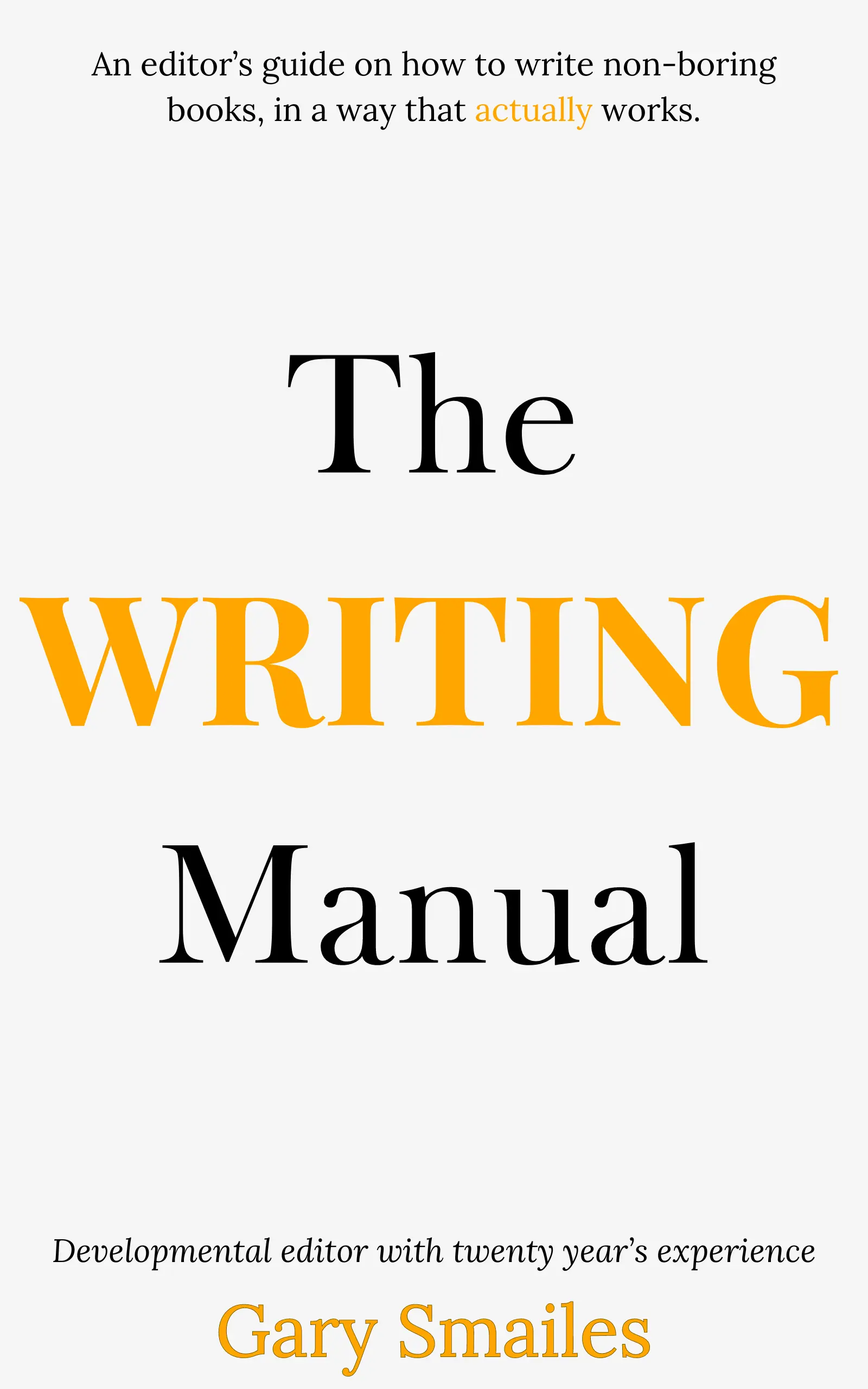
Download FREE ebook
Claim your free eBook today and join over 25,000 writers who have read and benefited from this ebook.
'It is probably one of the best books on writing I've read so far.' Miz Bent