How To Structure Non Fiction For Clarity And Impact


Table of Contents
- Clarify Purpose, Audience, and Promise
- Choose a Structural Blueprint That Fits Your Goal
- Build a MECE Outline and Table of Contents
- Design Chapters and Sections for Reader Flow
- Strengthen Coherence with Signposting, Transitions, and Voice
- Revise Structure with Editor-Grade Tools
- Frequently Asked Questions
Clarify Purpose, Audience, and Promise
Before you outline, decide what changes for the reader. One promise. One outcome. Everything else serves this.
A controlling idea states the transformation in plain terms. No fluff. No hedging. By the end, the reader does something new or sees a problem in a new way.
Examples:
- After reading, a freelancer lands higher-fee clients by pitching with case-led proposals.
- After reading, a new manager runs one-on-ones that produce clear actions and trust.
- After reading, a founder writes a monthly update investors finish and respond to.
Weak versions:
- A guide to productivity. Too vague.
- Everything leaders need to know about meetings. Too broad and boring.
- Tips for better writing. Tips go nowhere. Outcomes move readers.
Write your controlling idea on a sticky note. Keep it in sight. If a section does not serve that promise, cut or move it.
Know who you are helping and how they will read
Audience decides voice, examples, and load. Context of use decides length and structure.
Two rough modes:
- Skim for solutions. Readers with a live problem. Phone in hand. They want fast orientation, checklists, and bold subheads.
- Deep study. Readers building skill. They want logic, context, nuance, and references.
Same topic, two paths:
User onboarding for skimmers:
- Headline: Three friction points to fix this week
- Body: Short steps, screenshots, a checklist
- Length: 900 to 1,200 words
- Voice: Direct, plain verbs, zero digression
User onboarding for deep study:
- Headline: A model for first-session activation
- Body: Definitions, two frameworks, three cases with metrics
- Length: 3,000 to 5,000 words
- Voice: Precise, sourced, method-first
Pick one mode as primary. If you mix, signal clearly. For example, a quick-start box up top, then a deeper section for readers who want more.
List concrete readers, not “everyone.”
- “First-time team leads in FinTech, US and UK”
- “Solo designers selling packages”
- “HR analysts building a policy playbook”
Now pick evidence and examples they will trust. The right names. The right scenarios. The right constraints.
Frame the core question and sub-questions
Strong structure grows from questions. One core question for the whole piece. Three to five sub-questions for sections or chapters.
Core question examples:
- How do first-time managers run effective one-on-ones?
- How do indie consultants price without hourly rates?
- How do nonprofits raise small-dollar gifts online?
Now break the core into sub-questions that map to sections:
- What goes wrong now?
- What principle fixes it?
- What does the process look like?
- What tools or templates help?
- What objections or edge cases matter?
Example for pricing without hourly rates:
- Why hourly pricing creates misaligned incentives
- What value-based pricing means in practice
- How to scope outcomes with a client
- How to set tiers and handle pushback
- What to do when scope drifts
Each sub-question earns a place. If a section answers no question, cut or merge.
Draw the scope line
Scope creep kills structure. Name what belongs, and what stays out.
Rules of thumb:
- Keep one problem per piece. Save related problems for later.
- Define the reader’s starting point. Meet them there.
- Exclude special cases unless the audience lives inside those cases.
Write two lists before you draft.
In:
- Hiring plan for teams under 50
- Interview loops for IC roles
- Scorecards and feedback forms
Out:
- Executive hiring
- Compensation bands
- Legal compliance or visas
In:
- Remote meeting cadence
- Async decisions with docs
- Facilitation tips
Out:
- Tool reviews
- Home office gear
- Tax or labor law
Scope protects pace. You give readers depth where they need it, and zero fluff where they do not.
Write a 50-word brief
This keeps you honest. Fill in the blanks, then tape the result above your desk.
“For [audience] facing [problem], this non-fiction [format] shows how to achieve [outcome] by [method], excluding [non-goals].”
Two examples:
- For first-time engineering managers drowning in status chatter, this non-fiction guide shows how to run focused one-on-ones that drive action by using a five-part agenda and shared notes, excluding performance reviews and promotion cycles.
- For freelance designers who lose deals at proposal stage, this non-fiction article shows how to win with outcome-based proposals by using a three-tier structure and two proof assets, excluding brand strategy or pricing theory.
Read the brief out loud. Trim filler. Swap vague nouns for concrete ones. If a colleague reads it and cannot tell you the promise in one breath, revise.
Mini exercises
- Write the controlling idea in one sentence, starter: “After reading, the reader will…”
- Pick the mode. Skim or study. Mark it at the top of your outline.
- Draft the core question and four sub-questions. Each begins with why, what, or how.
- Make the scope lists. Three items per list. Keep them nearby while you draft.
- Write the 50-word brief. Stay under 50.
Clarity up front saves weeks later. You get cleaner chapters, tighter examples, and a reader who feels guided from start to finish.
Choose a Structural Blueprint That Fits Your Goal
Structure follows intent. You have six proven blueprints. Pick the one that matches what your reader needs to do next.
Most writers skip this step and wonder why chapters feel random or readers quit halfway through. The right architecture carries your argument forward. The wrong one fights it.
Problem–Solution: Pain → Causes → Remedies → Plan
Use this when your reader faces a clear problem but does not understand the root causes or available fixes.
Structure:
- Establish the pain (symptoms, costs, why it matters now)
- Diagnose root causes (not surface issues)
- Present remedies (principles, not tactics)
- Build an action plan (steps with timelines)
Example for remote team communication:
- Chapter 1: Why async-first teams outperform meeting-heavy ones
- Chapter 2: Three communication patterns that create bottlenecks
- Chapter 3: A framework for decision documentation
- Chapter 4: Your 90-day rollout plan
This works for business books, health guides, and policy writing. Readers get context before solutions. They understand why before how.
How-To/Process: Steps with Checklists and Milestones
Use this when your reader knows the problem and wants a method to solve it.
Structure:
- Overview of the complete process
- Step-by-step execution (one chapter per major step)
- Tools and templates for each step
- Troubleshooting common sticking points
Example for launching a newsletter:
- Chapter 1: The five-step launch sequence
- Chapter 2: Define your niche and voice
- Chapter 3: Build your email list pre-launch
- Chapter 4: Write and test your first five issues
- Chapter 5: Launch week tactics and first-month metrics
Readers want to follow along. Each chapter ends with a deliverable. They build momentum through small wins.
Narrative/Case-Led: Story Beats Proving Principles
Use this when abstract principles need concrete proof, or when your audience learns better through stories than frameworks.
Structure:
- Set up the case or story
- Follow key moments or decisions
- Extract principles at each turning point
- Apply lessons to the reader's situation
Example for startup pivots:
- Chapter 1: How Slack started as a game company
- Chapter 2: The moment they knew gaming was not working
- Chapter 3: Three signals that predict successful pivots
- Chapter 4: Your pivot decision tree
Stories carry readers forward. They remember cases better than bullet points. But stay disciplined. The story serves the teaching, not the other way around.
Modular/Reference: MECE Topics for Non-Linear Use
Use this when readers have different needs or want to jump to specific topics.
Structure:
- Overview chapter that connects all modules
- Self-contained topic chapters (order matters less)
- Cross-references between related topics
- Quick-reference appendix or index
Example for nonprofit fundraising:
- Chapter 1: The funding landscape overview
- Chapter 2: Individual donor cultivation
- Chapter 3: Grant writing and foundation relations
- Chapter 4: Corporate partnerships
- Chapter 5: Event fundraising
Each chapter stands alone. Readers use the book as a reference. Design for scanning with clear subheads and summaries.
Compare–Contrast: Options, Criteria, Decision Tree
Use this when your reader faces multiple options and needs help choosing.
Structure:
- Frame the decision and stakes
- Present criteria for evaluation
- Compare options against criteria
- Provide decision framework or tool
Example for choosing a business structure:
- Chapter 1: Why your choice of entity matters
- Chapter 2: Tax, liability, and growth considerations
- Sole proprietorship vs LLC vs corporation
- Chapter 4: Your entity selection worksheet
Readers leave with confidence in their choice. They understand trade-offs, not just features.
Chronological/Journey: Before → During → After
Use this when the reader goes through a process with distinct phases or when timing matters.
Structure:
- Preparation phase
- Execution or event phase
- Follow-up or integration phase
- Long-term maintenance
Example for job transitions:
- Chapter 1: Six months before you quit
- Chapter 2: Your last month at the old job
- Chapter 3: First 90 days at the new role
- Chapter 4: Year-one performance and growth
Time creates natural boundaries. Readers know where they are in the process and what comes next.
Linear vs Reference Reading
This choice shapes everything: subheads, repetition, cross-references.
Linear reading:
- Chapters build on each other
- Minimal repetition (readers remember earlier points)
- Transitions connect ideas between chapters
- Subheads guide flow within chapters
Reference reading:
- Chapters stand alone
- Key points repeat when needed
- Cross-references replace transitions
- Subheads help readers find specific topics
Most business books try to do both and succeed at neither. Pick your primary mode.
Hierarchy Rules
Books: Parts → Chapters → Sections
- Parts group related chapters (3-5 chapters per part)
- Chapters address one major topic (3,000-8,000 words)
- Sections break up chapters (300-1,200 words each)
Long-form articles: Lede → Nut Graf → Body → Takeaway
- Lede hooks the reader
- Nut graf states the promise and preview
- Body delivers on the promise with clear sections
- Takeaway cements the main point
Avoid Hybrid Sprawl
Mixing blueprints creates confusion. Readers lose the thread.
Wrong: Problem-solution for three chapters, then how-to steps, then a case study, then compare-contrast options.
Right: Problem-solution throughout, with mini case studies inside chapters and a process summary in the final chapter.
Use one primary blueprint. Add secondary elements inside chapters only. A how-to book might include comparison tables or short case studies, but the spine stays how-to.
Table of Contents as Test
Draft a one-page table of contents before you write. Map each chapter to a reader need.
Instead of:
- Chapter 1: Introduction
- Chapter 2: Background
- Chapter 3: Methods
Write:
- Chapter 1: Why remote hiring fails (establish pain)
- Chapter 2: Three bottlenecks in virtual interviews (diagnose causes)
- Chapter 3: A structured interview process for remote teams (provide solution)
Reader-focused chapter titles force you to justify every section. If a chapter does not solve a problem or answer a question, cut or merge it.
Note your blueprint choice on the table of contents. Problem-solution. How-to. Narrative. This keeps you honest as you draft.
The right structure makes writing easier and reading inevitable. The wrong structure makes both painful. Choose early, stay consistent, and let the blueprint carry your best ideas home.
Build a MECE Outline and Table of Contents
Outlines save drafts. A clean outline gives readers a clear path and gives you fewer headaches. MECE helps you build one.
MECE means mutually exclusive, collectively exhaustive. In plain terms: every section owns one job with no overlap, and together they cover everything the reader needs.
Make MECE real
Try this quick pass.
- List every idea you plan to include. One idea per sticky note or card.
- Group related notes into 3 to 7 piles. Fewer piles feel thin. More piles feel muddy.
- Name each pile with a job phrase. Use a verb or a question.
- Check for overlap. Ask, where would “pricing tiers” live? If two piles feel possible, merge or redraw the boundary.
- Check for gaps. Compare piles to your promise. If readers finish and still struggle with one step, add a pile or expand one.
A small example. Say you are writing a guide to remote onboarding.
- Bad piles: “Tools,” “People,” “Culture,” “Tips,” “More tips.”
- Better piles:
- Set expectations before day one
- Equip systems and access
- Run the first-week rhythm
- Coach manager habits
- Measure progress and course-correct
No overlap. Complete coverage. Five piles, five jobs.
Write parallel, action-led subheads
Subheads do heavy lifting. They guide scanning, shape attention, and promise outcomes. Make them parallel.
- Weak: “Background,” “Getting started,” “Advanced tips”
- Strong:
- Define the goal for week one
- Map the onboarding milestones
- Prepare tools and permissions
- Host a day-one kickoff
- Review progress at day 7
Notice the verbs. Notice similar length and structure. Readers track progress without effort.
A question-led style works too.
- “Why do new hires stumble in week one?”
- “What milestones prove readiness?”
- “How should managers prepare?”
- “What if access lags or tools break?”
- “What next, once the first month ends?”
Pick one style and hold it across chapters and sections.
Sequence logic that carries readers
A reliable order reduces friction: Why, What, How, What if, Next steps.
- Why sets stakes. Why does this problem matter now.
- What defines terms and scope. No jargon without a quick gloss.
- How delivers method. Steps, checklists, tools.
- What if handles objections and edge cases.
- Next steps locks in action.
You can use this sequence for the whole book and again inside each chapter. Repetition of structure reduces cognitive load, not meaning.
Mini-example for an article on personal budgets:
- Why: Debt erodes choice and adds stress.
- What: A zero-based budget in one page.
- How: Four steps with a 30-minute setup checklist.
- What if: Irregular income, joint finances, late fees.
- Next steps: Calendar prompts for month one.
Add supporting matter with purpose
Front, back, and extras signal rigor and help readers navigate.
- Preface. Author context and origin story. Keep it short and honest.
- Introduction. Promise and roadmap. What readers will achieve and how chapters line up.
- Glossary. Short, plain definitions for essential terms.
- Notes and references. Source every claim worth scrutiny. Page numbers or links.
- Appendix. Worksheets, templates, raw data, longer methods.
- Index. A must for reference-heavy books. Use terms readers use, not insider labels.
Include only material that serves navigation or trust. Padding helps no one.
Run a sticky-note or card sort
Set a 45-minute block. Move fast.
- Write every idea, story, stat, and tool on individual notes.
- Toss anything outside scope.
- Cluster notes into piles without labels first.
- Step back for two minutes. Then name each pile with a verb-led job.
- Arrange piles into a Why to Next steps order.
- Within each pile, sort by reader flow, not author pride.
- Take a photo for reference.
- Convert pile names to chapter or section titles. Convert notes to bullets under each title.
Now test the outline. Ask a colleague who matches your reader profile to skim the pile names. Ask two questions.
- Where would you find X?
- What feels missing for you to finish the task?
If answers differ from your intent, revise the piles or titles. Repeat once more with a second reader.
Turn piles into a one-page TOC
Keep it tight. One line per chapter. Tie each chapter to a reader need.
Example for a process book on remote onboarding:
- Chapter 1. Prove why onboarding decides retention
- Chapter 2. Define success metrics for the first 30 days
- Chapter 3. Prepare systems, access, and a starter kit
- Chapter 4. Run a day-one kickoff without meetings bloat
- Chapter 5. Guide managers through week-one checkpoints
- Chapter 6. Fix common blockers before momentum dies
- Chapter 7. Review progress and set a month-two plan
Add section-level bullets if needed, but fit everything on one page. If you need more space, you have too much.
Audit for gaps and overlap
Do a quick reverse test before drafting.
- Pull only titles and first bullets into a separate doc.
- Read down the page. Would a stranger follow the argument and reach the promised outcome.
- Mark any title that feels like a repeat of another.
- Mark any leap where a reader would say, “Wait, how did we get here.”
- For each mark, either split, merge, or add a bridge section.
Invite a beta reader for a five-minute skim. Offer a short form with three prompts.
- I went here to learn __________. Did I see a chapter that delivers it.
- Topics that felt doubled up: __________.
- Topics that felt missing: __________.
One pass with a fresh set of eyes saves weeks of line edits later.
Quick checklist
- 3 to 7 major chunks, each with one job
- Verb-led or question-led titles, parallel in shape
- Why to What to How to What if to Next steps flow
- Front and back matter planned for trust and navigation
- One-page TOC tied to reader needs
- Gap and overlap audit with a real reader
MECE looks dry on first pass. In practice, it frees your voice. Once the structure holds, sentences relax. You stop repeating yourself. Readers stop flipping back. Everyone wins.
Design Chapters and Sections for Reader Flow
Chapters live or die on flow. Readers forgive a flat line. They bail on a maze. Your job is to make progress feel inevitable.
Open strong
Start with a hook, then place the problem, then promise a result. Three moves, short and clean.
- Hook. A moment, a stat, a line with teeth.
- Problem. Where readers trip, what it costs, who feels it.
- Promise. One outcome this chapter delivers.
Sample opening for a remote onboarding chapter:
- Hook: On Monday, Marta joined your team from her kitchen table. By Friday, she wondered if she made a mistake.
- Problem: Remote onboarding drifts without a plan. Long gaps. Confusion over access. Managers guess, new hires stall.
- Promise: Use this one-week rhythm to guide day one through day five, with scripts and a checklist.
Write yours now. Three sentences. Read aloud. Trim until breath stays steady.
Use a repeatable chapter template
A steady frame frees attention for ideas. Try this five-part flow.
- Introduction. Stakes, context, and the chapter promise in 120 to 180 words.
- Key ideas. Two to four principles, each with one clear job.
- Example or case. A short story or a quick comparison that proves the ideas under pressure.
- Application. A checklist, worksheet, or tool. Readers want to do, not admire.
- Recap and transition. One paragraph that locks learning and points to the next stop.
Example skeleton for "Fix Meeting Bloat":
- Intro: Meetings eat half your week, often with no decision at the end. This chapter gives you a three-part filter to cut half without drama.
- Key ideas: Use purpose-first invites. Split status from decisions. Write instead of meet when facts dominate.
- Case: A product team trims a 90-minute weekly to 25 minutes.
- Application: Meeting filter worksheet, email templates for decline and redesign.
- Recap and transition: You now run a lean calendar. Next, protect focus blocks from creep.
Keep this template at your elbow. Use it for every chapter.
Chunk with descriptive subheads
Readers scan. Help them. Add a subhead every 300 to 600 words. On screen, push even tighter. Keep paragraphs to two to five sentences.
Make subheads descriptive, not cute.
- Weak: Background. Getting started. Advanced tips.
- Strong: Define the goal for week one. Map milestones for day one through day five. Prepare tools and permissions. Host a kickoff with no dead air. Review progress at day seven.
Use parallel structure. Either all verbs or all questions. This builds a drumbeat readers follow without thought.
Mini-exercise: Open a draft. Highlight every subhead. Would a skimmer grasp the journey from those alone. If not, rewrite until the path reads as a plan.
Blend evidence types and label sources
Mix proof so credibility does not sit on one leg.
- Data. Stats with source and year. "New hires with a buddy ramp 23 percent faster (Gartner, 2023)."
- Expert voice. Short quotes with name, role, and where readers might know them.
- Anecdote. One scene with a clear turn.
- Field test. A pilot, a sample size, a result. No romance, just outcome.
Label sources in a consistent way. Pick in-text citations or numbered notes. Stay tidy. Readers trust clarity.
Use sidebars or callouts for tips, scripts, or warnings without breaking flow.
Example callout:
Tip: Use a buddy system
- Assign a peer for week one
- Share a simple checklist
- Book two 20-minute touchpoints
Keep callout voice neutral and short. Three to five bullets serve most needs.
Incorporate visuals that earn their place
Diagrams, tables, and frameworks lift load only when words strain. Run two tests before dropping in a figure.
- Does a simple list or two sentences do the job.
- Will readers use this visual to apply the idea.
If both answers say no, cut the visual.
When a visual earns space, give it a strong caption and alt text.
- Caption: "Figure 2. A 5-step intake funnel. Use it to spot bottlenecks at handoff points."
- Alt text: "Horizontal flow from lead to close with five labeled stages. Icons mark handoff between sales and success."
Use high contrast. Avoid color-only meaning. If a table goes in, round numbers where precision adds no value. Readers want signal, not decimals.
End with momentum
Close in a way that moves readers forward. Three options work well.
- Summary bullets. Five lines that pull key moves into one view.
- Reflection questions. Two or three prompts that force application. "Which meeting will you cut this week. What metric will prove success by Friday."
- A small action. A task no longer than 20 minutes. "Send the meeting filter email to one team."
Pick one or two. Repeat that pattern across the book so readers know what comes next.
Build a chapter style sheet
Consistency reduces friction. Create a one-page style sheet, then apply it to two chapters before you go further.
Include:
- Subhead levels. H2 for chapter sections, H3 for subsections, title case or sentence case. Choose once.
- Figure formats. Numbering, caption style, alt text rules, max width.
- Tables. Borders, header row style, alignment, number format.
- Callout voice. Label names, length, bullet style, placement.
- Lists. Bulleted vs numbered rules, parallel phrasing.
- Citations. In-text format or notes, order of elements.
- Examples. Real names redacted, composite policy, disclosure line.
- Tone. Direct second person, short sentences, concrete verbs, no hedging.
- Length targets. Chapter word range, section word range, paragraph range.
Now test it. Pick two chapters. Apply subheads, figure rules, callouts, and citations. Fix drift. Update the sheet after this trial. Stop tweaking once rules work under load.
Quick checklist
- Hook, problem, promise in the first 120 words
- Five-part chapter flow used end to end
- Subheads every 300 to 600 words, short paragraphs
- Blended evidence with clear labels and tight callouts
- Visuals with useful captions and alt text, no f
Strengthen Coherence with Signposting, Transitions, and Voice
Your reader is lost in the woods. You have the map. Coherence is how you hold their hand from trail marker to trail marker without them noticing the work.
Add signposts at key turns
Readers skim. They jump around. They put your book down for three weeks then pick it up mid-chapter. Signposts orient them fast.
Drop signposts at three spots:
Opening moves. "This chapter tackles the hardest part: saying no to good ideas." "You'll leave with three scripts and one decision tree."
Transitions between big ideas. "Now that you see the problem, let's fix it." "Before we move to implementation, one warning."
Application moments. "Time to practice." "Here's where theory meets Monday morning." "Your turn."
Keep them short. One sentence works. Two at most. Long signposts sound like a GPS with anxiety.
Weak signpost: "In this comprehensive section, we will explore various methodologies and approaches that contemporary organizations leverage to optimize their operational frameworks."
Strong signpost: "Three methods help teams cut decision time in half."
Write five signposts for your current chapter. Read them aloud. If you sound like a tour guide, trim the fat.
Use purposeful transitions to prevent list syndrome
Bad transitions make ideas feel random. Good transitions show why idea B follows idea A. Four types handle most moves:
Causal transitions link cause to effect. "Because remote work eliminates commutes, employees report higher satisfaction. This creates a retention advantage."
Contrastive transitions highlight differences. "Email works for updates. Slack fails for complex decisions."
Additive transitions layer related points. "First, set clear goals. Next, measure progress weekly. Finally, adjust based on data."
Chronological transitions show sequence. "Before the meeting, send an agenda. During discussion, take visible notes. After decisions, summarize action items."
Pick the right connector for the logical relationship. Wrong transitions confuse readers about how ideas relate.
Test your transitions with this trick: read two paragraphs aloud, skip the transition sentence, then ask yourself what relationship exists between the ideas. Pick the transition type that matches.
Maintain throughlines across chapters
Throughlines knit chapters into one coherent argument. Three approaches work well:
Repeat a central metaphor. If you open comparing project management to conducting an orchestra, return to that metaphor in later chapters. "Like a conductor cueing the brass section, you signal when marketing should amplify the message."
Follow one case study. Introduce a company or person in chapter one. Check back with them in chapters three, five, and seven. Show how each principle applies to their specific situation.
Track one metric or outcome. If chapter one promises to cut meeting time by 40 percent, show how each subsequent technique contributes to that goal. "Status updates save 15 minutes. Decision frameworks save another 10."
Pick one throughline. Use it in three chapters. If it feels forced, try another approach. Throughlines should feel natural, not hammered in.
Calibrate voice to your audience
Voice is not personality. Voice is precision. Match your language to how readers think and work.
For busy executives: Short paragraphs. Concrete outcomes. Numbers when they matter. "This approach cuts review cycles from six weeks to three."
For technical teams: Accurate terminology. Process details. Edge cases acknowledged. "Handle null values in column C before running the aggregation."
For new practitioners: Plain language. Step-by-step guidance. Common mistakes flagged. "Start small. Pick one process to test before rolling out team-wide."
Run the jargon test: highlight every term a smart outsider wouldn't know. Define it the first time or swap it for plain English. "Scrum masters" become "project leaders" unless you're writing for Scrum masters.
Cut hedge words that dilute your authority. "This might help" becomes "This works." "You should probably" becomes "Do this." "It seems like" becomes "Evidence shows."
Build an evidence ledger to prevent cherry-picking
Readers smell bias from three chapters away. Balance keeps credibility intact.
Create a simple ledger: claim, source, location, type of evidence. Track as you write.
| Claim | Source | Location | Type |
|---|---|---|---|
| Remote work boosts productivity 13% | Stanford Study | Chapter 2, p. 47 | Data |
| Zoom fatigue affects 38% of workers | Microsoft Research | Chapter 3, p. 62 | Survey |
| "We saw 25% faster delivery" | Lisa Chen, VP Ops | Chapter 4, p. 78 | Anecdote |
Review your ledger every three chapters. Look for patterns:
- Source diversity: Mix academic research, industry reports, expert interviews, and field experience.
- Recency: Most sources within three years unless you cite foundational work.
- Geographic spread: Avoid US-only studies for global claims.
- Perspective balance: Include dissenting views and limitations.
If 80 percent of your evidence comes from one source type or supports one viewpoint, readers will notice. Fill the gaps before you publish.
Force logical linkage with "Because/But/Therefore"
Weak endings kill momentum. Each section should propel readers forward with clear logical connection.
Try the "Because/But/Therefore" test on section endings:
Because endings link to what comes next by causation. "Because email creates decision delays, the next chapter covers real-time alternatives."
But endings highlight contrasts or complications. "Async communication solves timezone problems. But it creates new challenges around urgency."
Therefore endings conclude with implications or next steps. "Remote teams need structure to thrive. Therefore, start with these three communication protocols."
Read your last three section endings. Do they connect to what follows? If not, rewrite using one of these logical connectors.
Here's the test in action:
Weak ending: "Email has limitations. Now let's talk about Slack."
Strong ending: "Because email buries urgent requests in long threads, teams need real-time tools. Slack solves this, but only if you set usage rules."
Quick voice and coherence checklist
- Signposts at chapter openings, major transitions, and application moments
- Transitions that match logical relationships:
Revise Structure with Editor-Grade Tools
Great ideas wobble without a strong frame. Strong frames come from ruthless, repeatable checks. You do not need luck. You need a set of tools and a short ritual.
Reverse outline for x-ray vision
A reverse outline reveals what the draft truly argues, not what you hoped to argue.
Do this:
- Copy every heading and subheading into a fresh document. Add each first sentence from every section. No paraphrase. Use the exact words.
- Write the controlling idea at the top. One line.
- Under each heading, answer one question: does this support the controlling idea. Yes or no. No hedging.
- Mark repeats. Twins get merged. Orphans get cut or assigned a home.
- Number the sequence. Ask if the order builds logic. If not, reorder until the argument climbs, not circles.
A quick example. Controlling idea: “Busy managers reduce meeting time by redesigning decisions.” Heading: “Fun icebreakers to energize the team.” Verdict: no. Either tie the material to decision speed or send the icebreakers to the scrap heap.
Finish with a one-line summary for each section. Read those summaries in order. You now hold a skeleton. Clean bones, or a pile of spare parts. Adjust until the skeleton walks.
The five-minute skim test
Readers skim. The structure must pass a speed test.
Set a timer for five minutes. Review only these items:
- Table of contents
- Headings and subheadings
- Opening and closing sentences for each chapter
- Pull quotes, callouts, figure captions
Now answer three questions:
- What promise does the book or article make?
- How does the logic progress from problem to solution?
- What outcomes will a reader leave with?
If those answers slip away, add stronger signposts. Rewrite headings to be action-led or question-led. If a heading reads like a fortune cookie, sharpen the verb.
Bonus move. Hand the same pages to a colleague. Ask for a one-minute voice memo summary. No coaching. If the memo misses the point, your structure hides the promise. Fix the headings before touching sentences.
Edit in the right order
Separate editing into passes. Mixing tasks blurs judgment and wastes hours.
Pass 1, developmental editing. Big picture. Scope, sequence, gaps, overlap, audience fit.
- Does each chapter serve the controlling idea?
- Does the order create momentum?
- Are any promised outcomes missing?
- Are any sections in the wrong book?
Move whole sections. Rewrite chapter promises. Add or cut chapters. Leave style alone for now.
Pass 2, line editing. Flow and clarity.
- Shorten sentences. One idea per sentence.
- Replace abstractions with concrete nouns and verbs.
- Add transitions where logic jumps.
- Trim hedges. “Might help” becomes “helps.”
Pass 3, copyediting and proofreading. Consistency and correctness.
- Spelling, punctuation, hyphenation choices
- Style sheet adherence
- Figure numbering and cross-references
- Citation format
Schedule gaps between passes. Fresh eyes catch more than tired ones.
Test with readers who match your audience
Real readers expose structural weaknesses fast. Set up three low-friction tests.
- Table-read, live. Invite two readers. Read a chapter opening aloud. Stop at each subhead. Ask, “What do you expect next?” If answers diverge from your plan, fix the subhead or the order.
- Quick survey. Ten questions, two minutes. Ask about clarity of promise, ease of navigation, usefulness of examples, missing pieces. Include one free-text box for confusion points.
- Specialist checks. Subject-matter experts for accuracy. Sensitivity readers for representation and harm checks. Ask for line references, not general feelings.
Give readers a simple brief. What you want. What you do not want. A deadline. A thank-you. Then act on the feedback. Not every note earns a change. Patterns do.
Use a mini book proposal to check market fit
A short proposal forces hard choices and exposes drift.
Build five short sections:
- Positioning: audience, problem, promised outcome, and why your approach differs
- Comps: three to five titles, where your work sits, and where it departs
- Chapter summaries: three lines per chapter, each tied to a reader need
- Sample chapter: full chapter that represents the core approach
- Author proof: why your voice and experience serve this audience
Read the comps again. If a comp already delivers the same promise, tighten your angle or expand your promise with evidence you hold and others lack. If chapter summaries read like topics, not outcomes, rewrite until each line announces a job done for the reader.
Action: set sprint metrics and track progress
Vague goals breed vague edits. Set numbers and score them.
- Cut redundancy by 15 to 25 percent. Target pages by chapter. Mark cuts in a log. Tally weekly.
- Add transitions at every section boundary. Color-code transition sentences to confirm coverage.
- Open each chapter with a clear promise. End each with a task, checklist, or decision point.
- Build and maintain an evidence ledger. Claim, source, location, type. Review balance weekly.
- Track versions. Use dates and clear labels. One source of truth lives in version control.
Create a simple scoreboard:
- Word count before and after
- Number of transitions added
- Chapters with promise-and-task bookends
- Evidence ledger entries by type
Review the scoreboard every Friday. Reward progress. Adjust targets if a chapter resists you. The goal is a clean structure that carries weight without strain.
One last nudge. Tools do not write for you. Tools reveal where the work serves readers and where the work drifts. Do the checks. Make the hard cuts. The book, and the reader, will thank you.
Frequently Asked Questions
How do I write a controlling idea and the 50-word brief that keeps a project honest?
Boil the book or article down to one clear transformation: who changes and what they can do afterwards. Then write the 50-word brief using the template in the post: “For [audience] facing [problem], this [format] shows how to achieve [outcome] by [method], excluding [non-goals].”
Read it aloud and stick it above your desk. If a chapter or example does not directly serve that promise, cut or move it. This is the quickest way to maintain focus while you draft.
How do I choose a structural blueprint that fits my goal for non-fiction?
Match the blueprint to the reader's need: problem–solution for diagnosis and plans, how‑to for stepwise execution, narrative/case‑led when you need memorable proof, modular/reference for lookup, compare–contrast for decisions, and chronological for phased journeys. This is how to choose a structural blueprint for a non-fiction book that readers will actually use.
Pick one primary architecture and keep secondary elements inside chapters only. Avoid hybrid sprawl by noting your blueprint on the table of contents and testing whether each chapter advances the chosen promise.
What is a MECE outline and how do I turn it into a one-page table of contents?
A MECE outline is mutually exclusive, collectively exhaustive: each section owns one job and together they cover everything the reader needs. Make one idea per sticky note, cluster into 3–7 piles, name each pile with a job phrase, then remove overlaps and fill gaps.
Convert those piles into a one-page table of contents with verb-led chapter titles that map directly to reader needs. The one-page TOC becomes a fast test: if a stranger can’t see the promise from the chapter lines, tighten the outline before drafting.
What chapter template reliably supports reader flow?
Use a repeatable five-part chapter flow: Introduction (hook, problem, promise), Key ideas (two to four principles), Example or case, Application (checklist or worksheet), and Recap plus transition. This chapter template for reader flow makes progress feel inevitable and reduces decision fatigue.
Keep subheads every 300–600 words, short paragraphs, and end with a small action or reflection question so readers leave each chapter with momentum.
How do I strengthen coherence with signposting and transitions?
Place brief signposts at openings, major transitions and application moments to orient skimmers. Use causal, contrastive, additive or chronological transitions so each idea clearly links to the next. The Because/But/Therefore test is a fast way to force logical connection at section ends.
Also pick one throughline, such as a metaphor, case study or tracked metric, and revisit it across chapters so the argument knits together rather than reads as a set of isolated tips.
Which editor‑grade tools should I use to revise structure quickly?
Start with a reverse outline to reveal what your draft truly argues: copy headings and first sentences, and ask whether each supports the controlling idea. Run the five‑minute skim test on your TOC and headings to see if the promise and logical flow survive a quick read.
Then edit in passes: developmental edits for scope and order, line edits for clarity and transitions, and a final copyedit for consistency. These editor‑grade methods catch structural drift early and save heavy rewrites later.
How do I audit evidence and avoid cherry‑picking in a non-fiction project?
Keep an evidence ledger listing claim, source, location and type. Aim for source diversity, recency and geographic spread, and include dissenting views or limitations. Label data, expert quotes and anecdotes consistently so readers can judge credibility at a glance.
This simple practice reduces confirmation bias, helps you spot gaps in the argument, and provides an audit trail to support claims in the final manuscript.
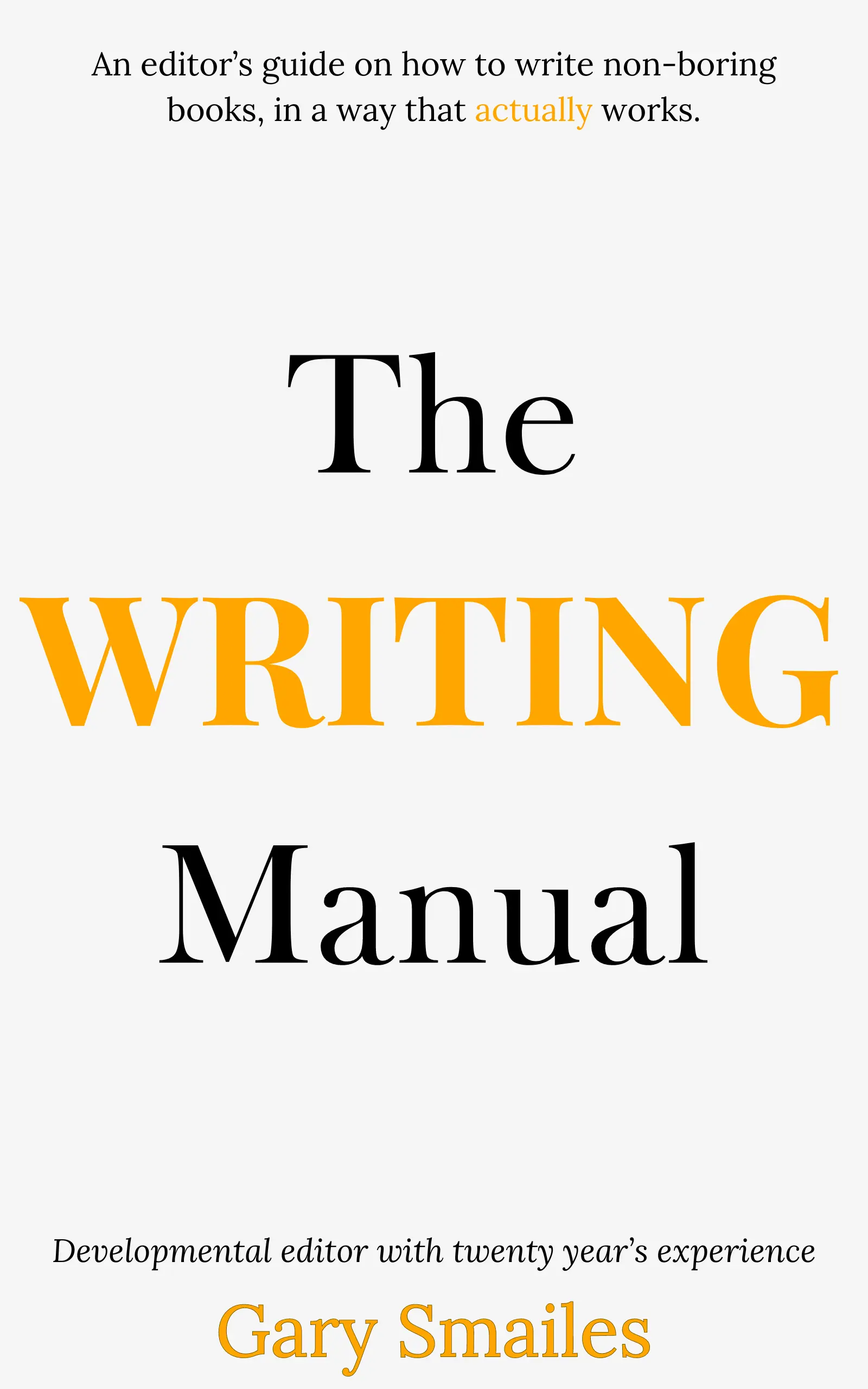
Download FREE ebook
Claim your free eBook today and join over 25,000 writers who have read and benefited from this ebook.
'It is probably one of the best books on writing I've read so far.' Miz Bent
Download your free ebook