How To Balance Action And Reflection In A Scene

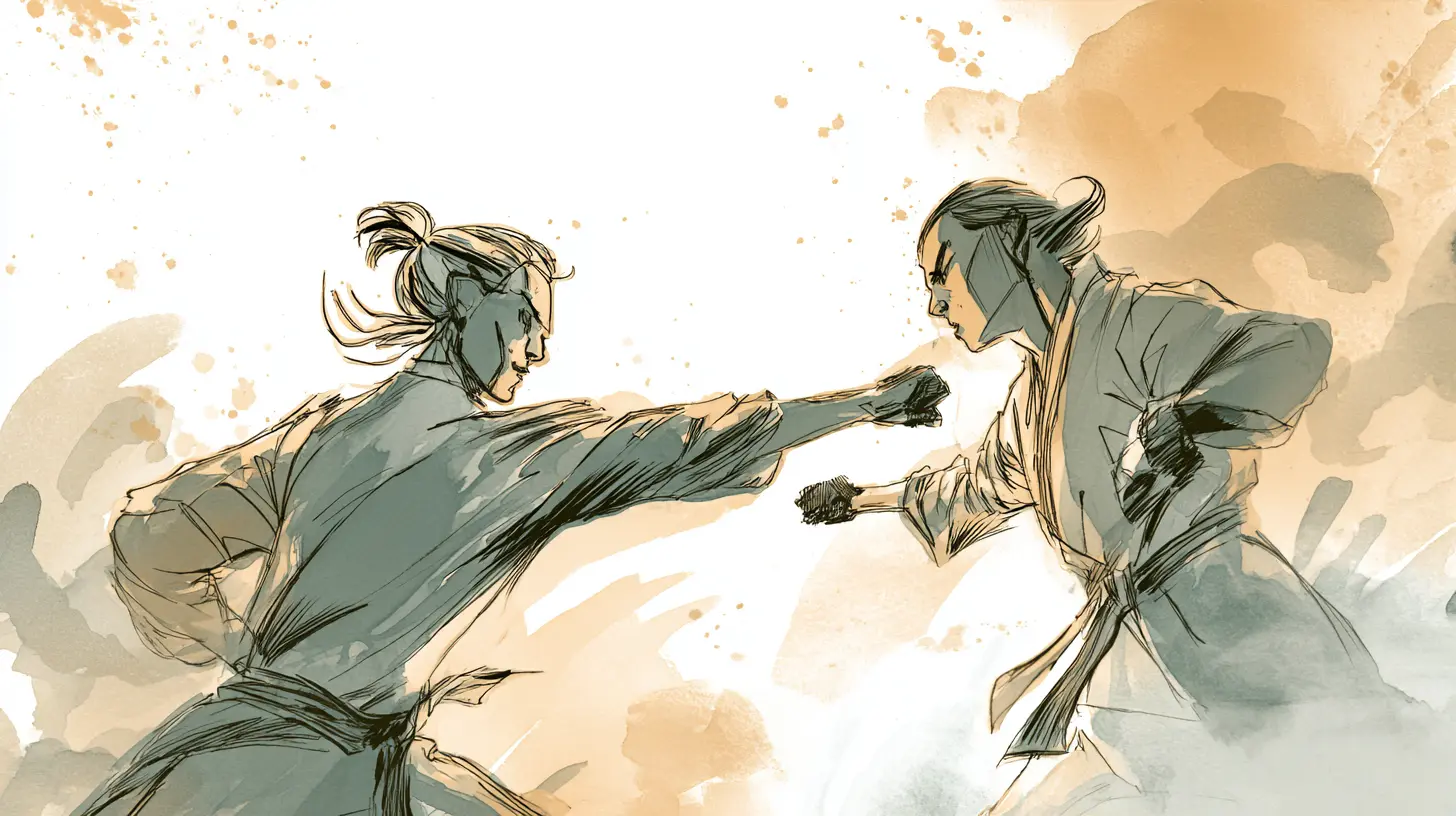
Table of Contents
- Clarify the Jobs of Action and Reflection
- Structure with Scene–Sequel Logic
- Weave Interiority Into Motion at the Beat Level
- Modulate Pacing with Proportion, Syntax, and White Space
- Make Reflection Carry Weight (Not Backstory Dumps)
- Diagnose and Calibrate for Genre, POV, and Story Moment
- Frequently Asked Questions
Clarify the Jobs of Action and Reflection
Action moves the story. Reflection makes us care. You need both, in proportion, working off each other.
What action does
Action is anything visible that changes the state of the scene. A goal pursued. A door opened or slammed. A threat raised. Stakes shown in the world.
- Goal pursuit: She bribes the clerk to reach the records room.
- Conflict: The clerk refuses and calls security.
- Obstacle: The key card fails.
- Reversal: The person she trusted steps aside to block the exit.
- Visible stakes: The alarm lights turn red.
You feel the pressure because something on the page shifts. The character wants a thing, meets resistance, pays a price, or wins a piece.
What reflection does
Reflection is interiority. It tells us why the move matters. It tracks motive, meaning, and choice. Done right, it adds micro-tension without freezing the scene.
- Meaning-making: He spots the wedding ring and understands the lie.
- Motivation: She needs the file because it clears her sister.
- Evaluation: If the guard checks the log, he finds my name.
- Micro-tension: Say nothing. Smile. Count to three.
Notice the scale. One to three sentences at a time. Specific. Anchored to what is happening, not a wandering lecture.
Link them on the page
Action should trigger thought. Thought should steer the next move. Write the chain in a natural order.
Example:
- A bottle smashes in the alley.
- Her gut tightens. Not fireworks. Glass.
- She palms the pepper spray and steps sideways into shadow.
Another:
- He texts, We need to talk.
- She tastes metal. That phrase never brings good news.
- She pockets her phone and heads for the exit before the meeting ends.
Nothing floats. Every interior beat hangs on a concrete stimulus. Every interior beat points to action, speech, or a choice.
Avoid both extremes
All action, no thought, reads loud and thin. We see bodies in motion, but the moves have no meaning. Readers stop caring.
Example of hollow action:
- He runs. He shoves the door. He sprints down the hall. He jumps the stairs.
Fix with one quick thought tied to the moment:
- He runs. The stairwell reeks of bleach. They cleaned up after someone. He jumps the last three steps.
All reflection, no motion, reads stuck. The story idles. The scene goal blurs.
Example of unmoored reflection:
- She thinks about how people leave. Summer camp, college, her father. Leaves stack up in her head.
Fix by hooking to the on-page scene and driving to choice:
- The taxi meter clicks. She watches the apartment door. He said five minutes. Her father always said five minutes. At ten, she tells the driver to go.
Track value shifts
Each scene should shift a value. Trust to doubt. Safe to exposed. Hope to resignation. Power to vulnerability. The action produces the shift. Reflection names why it matters.
Bank heist example:
- Start value: control. The thief runs the plan.
- Action: A second crew shows up with the same masks.
- Reflection: We were not the only ones with the blueprint.
- End value: control to jeopardy.
Dinner scene example:
- Start value: harmony. Everyone smiles.
- Action: The son mentions the missing savings.
- Reflection: She calculates dates and feels the ground tilt under her chair.
- End value: harmony to suspicion.
When you know the value change, you know what to emphasize. Action shows the turn. Reflection translates the turn into stakes and intent.
Keep reflection anchored and brief
Rules of thumb:
- Tie each thought to a fresh stimulus. A sound. A line of dialogue. A look. A number on a screen.
- Keep most interior beats under three lines. Save the longer pause for true pivots.
- End a reflection with a vector. A decision, a new aim, or a hidden resolve, even if the character keeps it private.
Watch for repeats. If a thought repeats without changing the next move, cut or condense.
Make action legible
Clear goals make action read fast. If you lose the goal, readers lose the thread.
- State the aim early. Even a quiet aim. Slip out without waking the baby. Get a name. Prove I belong here.
- Show obstacles that force choice. Not random churn. Each block should change the plan or the cost.
- Let outcomes be clear. Win, loss, or a partial that complicates the next beat.
Action creates the question. Reflection shapes the answer you pursue next.
A quick litmus test
Take a page from your draft. With a pencil:
- Underline external moves in blue. Doors opening. People speaking. Objects handled.
- Circle interior beats in red. Thoughts. Appraisals. Flashes of memory linked to what is happening.
Now check the pattern:
- Dense blue with no red. Add a few thought beats that tie to the goal and raise risk.
- Dense red with light blue. Convert a thought into a line of dialogue or a decisive move.
You are looking for a braid. Motion, thought, motion, thought, and so on, with the weight adjusted for the scene type.
The one-sentence anchor
Before you draft or during revision, write one line that declares purpose and change.
Template:
- Scene objective: Character wants X from Y, under Z constraint.
- Value shift: From A to B because C.
Examples:
- Objective: Sera needs the lab key from Tom before noon. Shift: from confident to cornered because Tom knows she lied about the audit.
- Objective: Malik plans to apologize at the vigil. Shift: from numb to accountable because the crowd chants his brother’s name.
- Objective: Nina interviews the neighbor for alibi details. Shift: from trust to doubt because the dog does not recognize him.
Tape this line above the page. Keep only beats that serve the change. Cut every aside that fails the because test.
Two micro drills
- Anchor drill: Write a three-line sequence, each line driven by the one before.
- Stimulus: The text alert pings.
- Thought: Office door locked itself earlier. Who is inside.
- Action: She kills the sound and walks toward the light.
- Value drill: Name the starting value. Write one action that flips it. Add one line of reflection that marks why it matters.
- Start: safe. Action: A shoe prints wet mud across the kitchen tile. Reflection: No one in the family owns boots.
Use these drills to train your instinct for when to move and when to think.
Action changes the board. Reflection tells us why the move matters and where to aim next. Balance them, and your scenes pull double duty. The story moves. The reader leans in.
Structure with Scene–Sequel Logic
Think in two moves. First, a scene moves the plot. Then, a sequel turns fallout into the next aim.
Scene equals goal, conflict, outcome. Sequel equals reaction, dilemma, decision. Simple on paper. Slippery on the page. So give each move a job and a place to live.
The six-beat spine
Lay out six beats in this order.
- Goal: a clear want on the page.
- Conflict: resistance that blocks progress.
- Outcome: a win, loss, or mixed result that changes the board.
- Reaction: a visceral hit, brief and concrete.
- Dilemma: two or more options with real cost.
- Decision: a choice that points the story at a fresh target.
A quick example, airport edition:
- Goal: get the ring back from Meredith before boarding.
- Conflict: a gate agent shuts the rope and shakes a head.
- Outcome: boarding closed, Meredith halfway down the jetway.
- Reaction: stomach drops, palms slick.
- Dilemma: shout her name and draw security, or wait twelve hours and risk no second chance.
- Decision: shout.
Notice the placement. Reaction sits in the same breath as the outcome. The dilemma takes a beat of space. The decision lands last, so the next paragraph knows where to go.
Proportion by intensity
High heat, short sequel. Low heat, longer sequel. A chase needs a blink of reaction and a sharp choice. A breakup over coffee needs time to weigh costs.
Two sketches.
Car pursuit:
- Outcome: traffic stalls behind a wreck.
- Reaction: steering wheel stings under a white-knuckle grip.
- Dilemma: stay boxed in or take the sidewalk and risk a pedestrian.
- Decision: angle up, horn blaring, crawl the curb for twenty yards.
Quiet fallout:
- Outcome: the grant goes to another lab.
- Reaction: ears buzz, folder edges bite into fingers.
- Dilemma: congratulate the rival and protect a future postdoc, or challenge the decision and burn goodwill.
- Decision: walk over, offer a steady handshake, plan a new pitch for fall.
Same bones, different proportions. Heat governs sequel length.
Place reflection with intent
Where should reflection live?
- Inline for gut checks. One beat, one sentence. Sweat, flinch, flash of thought.
- Paragraph break for weighing choices. Two to four lines, no loops.
- Scene break for larger processing. Save those longer passes for big turns.
Try this before-and-after.
Flat pacing:
- He misses the shot. He runs.
Anchored pacing:
- The arrow sails wide. A gasp sticks in his throat. Run.
The second version places a micro reflection where the body would feel it, then turns that feeling into action.
Causality beats coincidence
Readers track cause before they track color. Each decision should spawn a Because or Therefore link into the next beat.
Lazy chain:
- She loses reception. She goes to the roof. She finds a body.
Tight chain:
- No signal in the stairwell. Because a text holds an address, she runs for the roof. Therefore she reaches the line of antennas and sees a boot drop behind the vent.
Small words, big grip. Because and Therefore glue beats together.
Use mini-arcs
Close one question, open another. Give satisfaction without full release.
Bank lobby sketch:
- Decision: the manager refuses the withdrawal, calls for a supervisor.
- New hook: a second alarm chirps, not a bank alarm, a watch on the manager’s wrist flashing 12:00.
- Question closed: no cash today.
- Question opened: why a countdown on that watch?
One door shuts, another creaks. Tension survives the paragraph.
Two full maps in six beats
High stakes, tight sequel:
- Goal: slip into the records room before the audit team arrives.
- Conflict: a temp waves a badge, red light, no entry.
- Outcome: badge flagged, name on a screen.
- Reaction: cheeks burn, breath short.
- Dilemma: bolt and leave a trail, or ask for help and risk exposure.
- Decision: ask for help with a practiced smile.
Notes on reflection placement:
- Reaction stays inline with the screen flashing red.
- Dilemma gets two lines in a new paragraph.
- Decision closes the scene.
Quieter turn, expanded sequel:
- Goal: test a theory about Uncle Joe and the missing watch.
- Conflict: Aunt Mara laughs off the question, eyes shift to the mantel.
- Outcome: denial, plus a glance toward the old cigar box.
- Reaction: a small lift behind the ribs.
- Dilemma: press and spark a fight, or play dumb and circle back tonight.
- Decision: play dumb, bring pie later.
Notes on reflection placement:
- Reaction stays with the glance at the box.
- Dilemma fills three short lines after a beat of white space.
- Decision finishes the page, aiming the next scene at a night visit.
A quick placement checklist
- Gut, inline. Thought, short. Choice, final.
- New paragraph for a dilemma that weighs real cost.
- Scene break for a reframing move that alters the story aim.
Watch for loops. If a dilemma repeats the same point, condense. If a decision wobbles, sharpen the verb. Say choose, call, leave, lie, kiss, delete.
Practice drills
Beat ladder:
- Write six lines for a scene you know well. G, C, O, then R, D, D.
- Mark R as inline. Mark Dilemma as a new paragraph. Mark Decision as the last line.
Because chain:
- Take any decision from your draft. Add one sentence before with Because. Add one sentence after with Therefore.
- Read the three lines out loud. If logic feels thin, adjust the choice, not the glue words.
Sequel trim:
- Pick a high-heat scene. Cut the sequel to two lines max. One visceral beat, one choice.
- Read the new version. Energy should spike, not smear.
Where reflection lives
Label each planned beat with one of three placements.
- Inline for visceral reaction.
- Paragraph break for dilemma.
- Scene break for larger processing.
A small example:
- Goal: get the passcode from Kara.
- Conflict: Kara smirks and pockets the phone.
- Outcome: no code, countdown on the server window.
- Reaction: tongue dry, eyes on the clock. Inline.
- Dilemma: threaten to call HR or offer a trade. Paragraph break.
- Decision: offer a trade. Final line.
Six beats, clear flow, reflection serving motion. Follow this spine, and each scene hands momentum to the next without losing heart.
Weave Interiority Into Motion at the Beat Level
You want the reader inside the moment and still moving. Do it beat by beat. Let the world act, then let your character react in a way that nudges the story forward.
Use MRUs: stimulus then reaction
Motivation–reaction units keep order. Something happens. The character feels, reflexes fire, a thought forms, then they speak or act.
Out of order:
- I should not be here. The floor creaked behind her.
In order:
- The floor creaked. Heat prickled her neck. She stilled. If the caretaker rounds the corner, the letter is gone. She slid the drawer shut.
Label the chain in your head.
- Motivation: floor creaks.
- Feeling: heat prickles.
- Reflex: stillness.
- Thought: risk assessment.
- Action: close the drawer.
The reader stays oriented because the body leads, then the brain, then the mouth or hands.
Another quick one.
Out of order:
- He planned to lie. The detective raised an eyebrow.
In order:
- The detective raised an eyebrow. His tongue stuck to his teeth. Say nothing. He shrugged.
Thread short thought beats between actions
Use 1 to 3 sentences of interiority between visible beats. Enough to clarify stakes or aim. Not so much that the scene stalls.
Too long:
- She stepped onto the stage. She thought about her mother, and the summer she quit lessons, and how the teacher once said she had no rhythm, and how unfair that had been, and how she was about to prove everyone wrong tonight. She adjusted the mic.
Tight:
- She stepped onto the stage. The mic smelled like old copper. If the first bar wobbles, they will hear it. She adjusted the stand.
The thought lines aim her next move. They do not retell her life.
Ground reflection in concrete detail
Abstraction floats. Anchor reflection to the room, the body, the texture of now.
Abstract:
- He felt overwhelmed by the responsibility.
Grounded:
- The key dug into his palm. Too heavy for a copy. If he took it, Unit 6 stayed lit tonight. If he left it, they froze.
Tie the thought to what the character touches, hears, tastes, sees. Make the interior ride on a sensory rail.
Another pair.
Abstract:
- She was angry at the delay and wondered if this meant the boss did not trust her.
Grounded:
- The email sat at the top of her screen. New timeline. Her jaw clicked. So he moved the briefing to next week. He did not trust her with the client yet.
Control psychic distance
You choose how close the camera sits to the character’s mind. In a close point of view, you can flash thought in a word or two. Pull back for a quick frame, then return to the now.
Close:
- No. Not this guy.
A notch wider:
- Last time she leaned on a cop, her source got burned.
Back to now:
- She pocketed the phone and crossed the street.
Do not linger in the wide shot. Use one line for context, then dive back into the scene. The present is your stage. The thought is a cue, not a pause button.
Let dialogue carry reflection
You do not need a diary entry to reveal motive. Let subtext and beats do the work.
On-the-nose:
- “I cannot give you the passcode because I am afraid you will steal the files,” Kara said.
- He thought this proved she never trusted him and that made him sad.
Subtext with beats:
- “Password?” he asked.
- Kara tucked the phone into her pocket. “New policy.”
- He kept his smile steady. So we are doing this. “Sure. I will log a ticket.”
The tuck signals refusal. The steady smile signals pressure under control. The quick thought aligns the scene without dragging it.
Another example.
Flat:
- “I love you,” he said, and he thought about when his father left and how he promised he would not turn out like that.
Layered:
- “I love you,” he said.
- She folded the dish towel until the edges met. “Okay.”
- His teeth found the scar on his lip. Do not push. Not tonight.
Dialogue plus gesture plus one clean thought. The reader fills the gap.
Keep the beat order inside dialogue too
Let the line the other person speaks be the stimulus. Then your character’s internal beat, then the reply.
Loose:
- “We will be promoting Carla,” the boss said. He felt sick. He said, “Congrats to her.”
Cleaner:
- “We will be promoting Carla,” the boss said.
- A hollow opened under his ribs. Smile. “Congrats to her.”
Avoid reflection loops
If you stack reaction on reaction with no fresh choice, pace drizzles. One body hit, one thought, then a turn.
Looping:
- He sees the knife. He thinks about danger. He worries he will be cut. He wonders if he should run. He decides to stay.
Trimmed:
- The knife flashes. Cold in the gut. Run or hold. He plants his feet.
The dilemma names the fork. The decision picks a path. Move.
Quick drills
- MRU rewrite: Take a paragraph where a thought arrives before a stimulus. Flip it. Lead with the external trigger. Slot in feeling, reflex, thought, and action.
- Thought cap: Find a five-line internal monologue. Keep two lines that aim a choice. Delete the rest. If you miss context, add one grounded detail from the room.
- Subtext pass: Replace a sentence of told motive with a gesture or a hesitation. A swallow. A glance at the door. Fingers worrying a ring. Add one short thought if you need clarity.
Label S and R on the page
Print a page or scroll through on screen. Mark each beat S for stimulus or R for reaction.
A raw pass might look like this:
S: The guard steps into the hall.
R: Sweat stings his eyes.
R: He thinks of the exit.
R: He worries about the cameras.
R: He decides to wait.
Too many R beats. Only one choice at the end. Condense or convert to action.
Revision:
S: The guard steps into the hall.
R: Sweat stings his eyes. Exit or wait.
A: He slides behind the soda machine.
If an R does not create a new option or narrow the path, cut it. Or let it bloom into action.
Small before and after
Before:
- Thunder cracked. I hate storms, she thought. Her hands shook as she picked up the mug. She remembered the night the tree fell and how the power went out and they sat in the dark and she promised herself she would move one day. She put the mug down and went to the window.
After:
- Thunder cracks. Her hand jumps, tea sloshes the rim. Not again. She sets the mug down and goes to the window.
Same moment. Fewer steps. Clearer aim. The interior serves the move, not the memoir.
Keep this beat work tight and honest. You will feel the difference on the page. The scene breathes, the mind lives, and the story keeps walking.
Modulate Pacing with Proportion, Syntax, and White Space
Pace is not a mystery. You control it with ratios, sentence shape, and the gaps on the page. Think of it as breath. Fast in. Slow out. You choose where.
Start with a baseline ratio
Use a simple split as your default.
- Neutral scenes: 60 percent action, 40 percent reflection.
- Chases or fights: 80 percent action, 20 percent reflection.
- Aftermath or moral reckoning: 40 percent action, 60 percent reflection.
Treat these as starting points. Adjust based on genre, POV, and where you sit in the story.
A quick example.
Neutral, 60/40:
- He reaches the gate. The lock sticks. Third time this week.
- The alley smells like vinegar and rot. He presses harder. If he misses the pickup, Liza gets fired.
- The shank gives. He slips through.
Chase, 80/20:
- Siren. He runs.
- Footsteps slap close behind.
- Left or right. Right.
- A horn blasts. He vaults the hood.
Aftermath, 40/60:
- The siren fades.
- He leans on the wall. Hands shake.
- Liza warned him. She always pays for his bravado. He owes her, not words, action.
- He checks his phone. Two missed calls from her.
Let sentence length set speed
Short, concrete lines quicken pace. They hit like steps. Longer sentences slow time and hold a thought while you process.
Fast:
- Glass pops under his heel. He freezes. A shadow shifts. Move.
Slower:
- The glass under his heel gives a crisp crack, and he feels every warm breath in the room, counting, weighing, stalling for a heartbeat before he lifts his foot.
Use the long line for thinking or for a beat where time dilates. Return to tight lines when bodies move.
Drill:
- Take a dense paragraph in a chase. Split it into three short lines with hard nouns and verbs.
- Take a reflective clump in an aftermath scene. Merge two sentences into one winding line which follows a single thought from trigger to decision.
Use white space to pulse
Paragraphing shapes rhythm. A single-line paragraph can spotlight a realization without bogging the scene.
Watch this shift.
Blocky:
- The box sits on the counter and he knows nothing inside will help, but he opens it anyway and finds the old badge, the one he swore never to wear again, and he wonders if taking it out means surrender.
Pulsed:
- The box sits on the counter.
- He knows nothing inside will help.
- He opens it anyway.
- The old badge waits.
- He swore never to wear it again.
- Taking it out feels like surrender.
Each break gives a breath. Use that breath on purpose. For emphasis, not decoration.
Summarize to speed, dramatize to slow
Summary moves you through time. Use it for transit, repeats, and setup. Drama, on the page, is for turns, reveals, and choices.
Summary:
- He drove across town, ran up three flights, and knocked on every door until someone let him in.
Dramatized turn:
- The old man opens the third door a crack.
- “You took your time.”
- The hallway tilts. So Liza told him to stall.
Avoid chewing the same thought three ways. One insight, one implication, then a decision. If the decision does not shift aim or stakes, you are spinning.
Calibrate edge lines around breaks
Last lines carry momentum into a break. First lines reset aim inside the new space.
Weak break:
- They walk to the station. It is late.
Stronger:
- The station lights cut the street into shards. He tightens his grip on the badge he should have left in the box.
Opening after the break, weak:
- Morning comes and he gets coffee.
Opening after the break, strong:
- The coffee tastes burned. Good. He deserves burned.
End on a hook anchored in the present objective. Open on a concrete detail tied to a fresh micro-goal.
Try the read-aloud breath test
Read your scene out loud. Mark where you run out of air or race past meaning.
- If your lungs fail during a fight, your sentences stretch too long. Shorten. Swap abstractions for concrete actions. Break a paragraph.
- If you sprint through an aftermath, reflection sits too thin. Add one line of sense detail. Add one thought which names a choice.
- If a page feels swampy, check your ratio. Count action beats and reflective beats. Trim repeats. Merge two thoughts into one line which sets a decision.
- If a page flies with no foothold, seed a three-word thought or a tactile cue. You want speed with grip.
Micro-revision swatches help.
Too slow:
- He turned the knob, considering how each decision in his life led to this hallway, to this peeling paint, to this sense of futility.
Fix:
- He turns the knob. Peeling paint flakes under his thumb. No more detours.
Too fast:
- She read the letter and left.
Fix:
- She reads the letter.
- Salt climbs her throat.
- Leave now.
A quick checklist for your next pass
- Ratio set for scene type.
- One long sentence where thought deepens. One cluster of short lines where bodies move.
- White space used to pulse insight or reveal.
- Summary used for transit. On-page drama saved for turns.
- Last line before a break points forward. First line after a break re-anchors in concrete now.
- Breath test notes applied.
You do not need fancy tricks. You need control. Proportion, syntax, and space give you that control. Use them and the scene will breathe at the pace you choose.
Make Reflection Carry Weight (Not Backstory Dumps)
Reflection earns space when it serves the scene in front of you. Tie thought to a live want and a visible risk. Answer the question, Why now?
Anchor reflection to present stakes
Give the mind a job inside the current objective.
Weak:
- She studies the ring. Her mother gave it to her at twelve. Summers smelled like lilies. She remembers braiding hair by the sink.
Stronger:
- She needs the vault code before the guard rounds the corner.
- The ring bites her finger.
- Mother said never remove it. Which means the code sits inside the band.
- Twist. Click.
Notice the thought sits on a physical cue and drives a choice. Memory lives in service of the goal, not as a side essay.
Try this on a draft page. Find one reflective line that floats. Tie it to an object, a sound, or a line of dialogue on the page. Then make the thought change the next action.
Use concrete cues to trigger quick backstory
Memory works best when something in the scene pokes it. Keep it to two to four lines, then step back into the now with a clear hinge.
Cue:
- The hallway reeks of chlorine.
Flash:
- He tasted this once at the pool where his brother slipped under. The whistle, the slap of feet, no one looking. He never learned to dive after.
Hinge back:
- Water laps over his shoes. He steps around the spill. The searchlight crawls closer.
The hinge matters. Name a sensory detail or an immediate risk. Move.
Layer exposition across scenes
Readers do not need a life history in one go. Spread information in pieces that change options.
Dump:
- She grew up on the farm, then moved to the city, dated Ben for two years, lost a baby, took a job at the bank, lied on a form, and now fears exposure.
Layered and purposeful:
- The job application asks about prior arrests. Her pen floats. Three years ago she signed a false report to protect Ben. Internal Affairs missed it. HR will not.
- Later, a voicemail from Ben. “Miss you.” She saves the number, then deletes it. No calls before the audit.
- At the audit, a supervisor slides a printout across the table. Wrong date on the form. Her throat cools. Someone flagged her.
Each beat narrows her choices. Exposition earns passage when it limits or expands the next move.
Aim for insight, then implication, then decision
Reflection should not trail off. Land it on a choice.
Example:
- Insight: The buyer lied about the pickup spot.
- Implication: The dock meeting risks a second ambush.
- Decision: Change locations. Text the crew. Go in early from the west stair.
Another:
- Insight: She wants the promotion less than she wants sleep.
- Implication: The late-night drinks with the boss will hurt tomorrow.
- Decision: Send a rain check. Set the alarm. Prep the briefing now.
End the reflective beat with an action verb. Text. Leave. Hide. Ask. You feel the page re-engage.
Root symbols and comparisons in the present setting
If you reach for a motif or a metaphor, pull from what sits in the scene.
In a bakery:
- Flour lifts, breathes, then settles on her sleeves. Guilt settles the same way, thin and hard to brush off.
On a stormy street:
- The stoplight ticks from green to yellow to red, an easy rule, while his rules smear like the water on the windshield.
Small, concrete, scene-bound. No grand cosmic reach. No abstract fog. Let the room supply the language.
Keep the lens tight
Reflection loses force when it floats free from body and setting. Ground it with touch, smell, or sound.
Flat:
- He reflects on the nature of trust and how betrayal shapes identity.
Present and grounded:
- His tongue stings from cheap whiskey. Trust tasted sweeter when he believed her. He pockets the spare key.
Condense repeats
If two thought lines say the same thing, merge them and push to a decision.
Before:
- She wonders if the neighbor saw her leave. She feels exposed. She hates this feeling.
After:
- The porch light clicks on across the street. Exposed. She steps off the path and cuts through the hedge.
Quick fixes for backstory bloat
- Move a memory toward a cue. Touch the bruise, then think of the fight.
- Trim to one sharp fact, not a timeline.
- Return with a hinge line that names where the body stands and what pressure builds.
Bad:
- He thought about his childhood and how his father never approved, all the times he tried to show worth, the trophies, the late nights, the silent dinners.
Better:
- The office smells like old coffee. His father used to judge from that same smell, old work and no progress. He closes the trophy case.
The three-question filter
Before you keep any reflective passage, ask:
- What on-page stimulus prompts this thought?
- What decision will this enable?
- What new risk or tension follows?
If you miss one answer, revise until you have all three. Or cut.
A short exercise
- Take a scene with a backstory dump. Highlight the trigger, or add one.
- Cut the memory to four lines. End with a hinge to body or setting.
- Add one sentence that names an implication. Add one sentence that makes a decision.
Here is a before-and-after sketch.
Before:
- She pauses at the hospital door and thinks about medical school. How she loved anatomy, the smell of formaldehyde, her mentor in first year, the day she quit after her mother died, the guilt she carries, the debt.
After:
- The hospital door sighs.
- Cold air smells like bleach.
- First-year labs smelled like this. Dr. Ames said she had surgeon hands. Mother died two weeks later. She walked out and never went back.
- The nurse waves her in.
- She squares her shoulders. Ask for the chart. Tell the truth about the false signature.
Reflection has weight when it moves the story now. Tie it to a cue. Fit it to the scale of the moment. Land it on a choice. Then turn the page.
Diagnose and Calibrate for Genre, POV, and Story Moment
Readers arrive with expectations. Meet them, then push. The mix of action and reflection depends on what you write, who speaks, and where you sit in the story arc.
Read your genre’s contract
Different shelves, different rhythms.
- Thriller. Kinetic scenes with sharp, minimal reflection. Most thoughts serve tactics and risk. Keep interior beats short, concrete, and placed between moves.
- Romance. Feelings sit near the surface. Reflection maps desire, fear, and misread signals. Let thought beats interpret touch, tone, and subtext, then pivot to a choice.
- YA. Emotion-forward and clear. One to two lines of thought often, tied to sensory detail. Voice carries weight, so keep it honest and immediate.
- Literary nonfiction. More interiority, but still anchored to on-page stimuli. Reflection should make meaning, not float away. Keep a clear return to the scene.
Same moment, different blends. Try this party beat:
- Thriller: The ex blocks the doorway. Exit closes. She clocks the bartender’s mirror. Back route. Move.
- Romance: The ex laughs in a way he used to. Heat in her chest, old and unwelcome. Smile, or look away. She picks the smile and feels the cost.
- YA: Her ex, two feet from the chips. Great. Her stomach drops. He sees her, then scratches his neck. Say hi. Or fake a text. Hi, she says, because hiding hurts worse.
- Literary nonfiction: My ex by the chips, still wearing the same careful grin. I think of the year we rehearsed every argument in advance. I reach for salsa, then take the mild. Enough heat for one night.
Match POV to thought frequency
Point of view sets the range of interior access.
- First person and close third invite frequent, brief thought beats. Treat them like sparks, not soliloquies.
- First: I count the steps. Four to the door. Stop thinking. Walk.
- Close third: He counts the steps. Four to the door. Stop thinking. Walk.
- Distant third and omniscient favor selective commentary. Choose moments where a wider lens adds value, then drop back to the present body.
- Distant: From the podium, the applause seemed full. In the aisles, arms stayed folded. He smiled anyway and adjusted his notes.
- Omniscient: The town would remember this night for the wrong reason. For now, rain soaked the banner and no one noticed the missing bolt.
Head-hopping breaks trust. If thoughts from two minds appear in one beat, separate them with a clear handoff, or shift at a scene break.
Calibrate to the story moment
Where you stand in the arc affects how much room thought deserves.
- Opening. Readers need orientation. Lean slightly reflective to fix goal, stakes, and tone. Keep the body present.
- Example: She enters the clinic with a résumé and a lie. The lobby smells like lemon. Today decides rent.
- Midpoint. Reframe. Offer a fresh interpretation that widens or narrows options, then choose a new line of attack.
- Example: The sealed record was not lost. It was hidden. Different enemy. Different route. He calls the clerk’s sister.
- Climax. Compress reflection until the beat lands. Use flashes of insight that direct the next move.
- Example: The safety latch sticks. Of course it does. Kick left, not right. He kicks left.
- Aftermath. Expand reflection to process cost. Let thought draw meaning and set the next objective.
- Example: The fire is out. His hands shake. He saved the files, not the pictures. So he calls his mother. Then the lawyer.
Quick genre-to-moment ratios
Not a rulebook, a baseline.
- Chases and fights in thrillers: roughly 80/20 action to reflection.
- First meet in romance: roughly 50/50, with thought beats showing desire and risk.
- Grief scene in literary nonfiction: roughly 40/60, with reflection grounded in objects and place.
- YA confrontations: roughly 60/40, with clear, voicey interior beats.
Adjust for intensity. The hotter the moment, the tighter the thoughts.
Revision tools that expose balance
- Color-code a chapter. One color for action, another for reflection. Flip through. Any long run of one color signals a pacing issue.
- Count beats. On a page, mark S for stimulus and R for reaction. Multiple R’s without a new choice, condense or convert one to action.
- Cut repeats. If a thought restates a prior fear or hope, merge it into one sharper line, then end with a decision.
- Convert summary to in-scene beats. Instead of “He hated crowds,” write the shove, the sweat, the exit plan.
- Add a decision to close meandering passages. Thought should lead somewhere. Pick a verb for the last line. Call. Leave. Lie. Hide. Ask.
Reader testing that yields fixes
Ask targeted questions.
- Where did you skim?
- Where did you feel lost about what the character wanted?
- Where did the action feel empty?
- Where did the thinking feel unmoored?
Read their notes without excuses. Skimming often points to bloated reflection or low stakes. Confusion often points to missing anchors or unclear goals. Emptiness often points to wall-to-wall events with no inner aim. Patch by shifting ratios, anchoring thoughts to stimuli, and ending reflective runs with a choice.
A quick cross-genre drill
Take one event. Tune it for genre and POV.
Event: A door rattles at midnight.
- Thriller, close third: The knob twitches. He kills the lamp. No footsteps. Window, then. He slides the latch.
- Romance, first: The knob rattles. I freeze with the spoon in my hand. Liam? He forgot his key again. Relief tastes like salt. I open up.
- YA, first: The knob shakes. My brain goes blank. Mom said never open the door after ten. I grab the bat from under the bed and text Jen. U up?
- Literary nonfiction, distant: The knob rattled once, twice, then stilled. Years later I would file the noise under warnings ignored. That night I set the chain and slept in shoes.
Notice how reflection fits the shelf, the lens, and the moment.
Action: build a balance profile
Create a one-page guide and tape it near your desk.
- Genre targets
- Thriller: neutral scenes 70/30, peak action 80/20, aftermath 50/50.
- Romance: neutral 60/40, first meet 50/50, breakup 40/60.
- YA: neutral 60/40, confrontations 60/40, aftermath 50/50.
- Literary nonfiction: scene-essay blends 50/50, memory-heavy sections 40/60, reported sections 70/30.
- POV rules
- First or close third: thought beats 1 to 3 lines, grounded in a cue, capped with a choice.
- Distant or omniscient: commentary only where it reframes a beat, then return to the body.
- Story-moment notes
- Opening pages: orient goal and stakes within the first scene.
- Midpoint: reframe the problem and set a new objective.
- Climax: compress thought to flashes that guide action.
- Aftermath: expand to process cost and name the next pursuit.
- Checklist for each scene
- What is the on-page stimulus for each reflective beat?
- What decision ends the beat?
- What new risk follows?
- Did any thought repeat without adding pressure?
Use the profile during developmental edits. Mark scenes that drift from the target. Adjust ratios, move a few lines from summary to scene, and finish with a decision that tilts the story forward.
Frequently Asked Questions
How do I balance action and reflection in a scene?
Use a simple baseline and then adjust for intensity: neutral scenes roughly 60/40 action to reflection, chases closer to 80/20, and aftermaths more reflective (about 40/60). Let action show the visible charge and keep reflection short (one to three lines) and tightly anchored to whatever just happened.
Always end a reflective beat with a vector (a decision, an aim or a private resolve) so the balance of motion and interiority pushes the story forward — in short, learn to balance action and reflection in a scene by making thought serve the next move.
Where should reflection live so it doesn’t become a backstory dump?
Tie every reflective passage to a concrete cue in the scene — a sound, a smell, an object or a line of dialogue — and keep it brief (two to four lines for a quick memory). Use the cue → flash → hinge pattern: sensory trigger, compact backstory or insight, then a hinge that returns you to the present action.
When revising, apply the three‑question filter: what on‑page stimulus prompts this thought, what decision will it enable, and what new risk or tension follows. If you can’t answer all three, cut or condense to avoid backstory dumps in reflection.
What is scene–sequel structure and how do I use it for pacing?
Scene–sequel splits a turn into two jobs: Scene = Goal, Conflict, Outcome; Sequel = Reaction, Dilemma, Decision. Use the six‑beat spine (G, C, O, R, Dilemma, Decision) to ensure each scene yields a clear aftermath that points to the next objective.
Let heat govern proportion — compress sequels after high‑action beats and expand them after quieter pivots — so your scene–sequel structure for pacing gives readers both breath and momentum where the story needs them most.
How do I use MRUs (motivation–reaction units) to ground interiority?
An MRU orders beats so stimulus leads, then feeling, then reflexive thought and action. Always show the trigger first (the floor creaks), then the bodily reaction (heat prickles), then the thought and choice (close the drawer). That order keeps interiority readable and immediate.
Practical revision trick: mark S (stimulus) and R (reaction) on the page; if you see multiple R’s before a new S or action, condense or convert one into a decisive move — use MRUs to ground interiority and prevent thought from drifting.
Where should I end a scene to keep maximum momentum?
End on motion or uncertainty: a reversal, a revelation, a partial win or a deferred choice so the last line hands the reader a new aim or threat. Prefer goal‑shift endings that give the character an immediate next objective the reader wants answered.
During revision, test last‑line/first‑line pairs and insert Because or Therefore between them — if the link feels like And then, move the cut earlier or strengthen the causal trigger to choose where to end a scene for maximum momentum.
How can I modulate pacing with proportion, sentence syntax and white space?
Control pace with three levers: proportion (action vs reflection ratios), sentence shape (short sentences speed; long sentences slow), and white space (single‑line paragraphs spotlight moments). Use short, hard lines in chases and pulsed paragraphs to give readers breath.
Run a read‑aloud breath test: where you run out of air, shorten sentences; where you breeze past feeling, add a grounded reflective line. These tools let you deliberately modulate pacing with proportion, syntax and white space.
Fast revision techniques for scenes that feel flat or too busy?
Colour‑code action and reflection on a printed page, then compress long runs of one colour: convert a floating thought into a short in‑scene beat or turn repeated reflection into a single line that ends with a decision. Use the beat‑ladder drill (G, C, O, R, Dilemma, Decision) to check where a scene fails to change the board.
Other quick fixes: swap vague words for concrete nouns, mark Because/Therefore links between beats, cut hedging language, and run the skim test (last paragraph before a break, first after). These revision techniques to fix scenes restore clarity and forward motion fast.
Download FREE ebook
Claim your free eBook today and join over 25,000 writers who have read and benefited from this ebook.
'It is probably one of the best books on writing I've read so far.' Miz Bent