When It’s Okay To Tell (And When It Isn’t)


Table of Contents
Why Telling Exists (and What It Really Is)
Let's clear up a persistent myth first: good fiction writers tell all the time. They just tell well.
The "show don't tell" rule has scared writers into believing that every emotion needs a clenched jaw, every piece of backstory requires a flashback scene, and every time transition demands a blow-by-blow account. This leads to bloated manuscripts where characters spend three pages getting dressed and two chapters driving to work.
Telling exists because stories need architecture, not just decoration.
Telling as narrative compression
Think of telling as your story's fast-forward button. It compresses time, bridges scenes, and delivers context without dramatizing every mundane moment.
Good telling sounds like this:
By Thursday, the entire office knew about the audit. Conversations stopped when Margaret passed cubicles, and the break room emptied whenever she needed coffee.
That paragraph covers three days of office politics without staging a single water cooler scene. The telling delivers crucial context: Margaret's isolation, the speed of workplace gossip, and rising tension. It sets up the next scene without wasting reader patience on repetitive small talk.
Bad telling sounds like this:
Margaret felt nervous about the audit situation. People were avoiding her because they thought she was responsible for the investigation. She was sad and frustrated about being treated like an outcast.
The difference lies in specificity and consequence. Good telling shows results. Bad telling explains feelings.
The pacing partnership
Showing slows time. Telling accelerates it. Skilled writers alternate between these speeds to control reader experience.
Use showing for moments that matter: confrontations, revelations, first kisses, final decisions. These scenes need breathing room. Readers want to inhabit the moment alongside your characters.
Use telling for transitions, aftermath, and setup. After a dramatic breakup scene, you might write: She spent the weekend deleting photos and returning borrowed books. By Monday, the apartment looked like he'd never existed. This telling compresses the healing process without staging every box-packing moment.
Consider this sequence:
The interview lasted fifteen minutes. Patricia answered questions about quarterly projections while her mind catalogued exit routes. When the CEO leaned forward and smiled, she knew she'd gotten the job she didn't want.
The first sentence tells (compresses time). The second sentence shows internal experience during the compression. The final sentence blends telling and showing to reveal character psychology and plot development.
Scope management through summary
Novels cover weeks, months, or years of story time. Showing every significant moment would create 2,000-page manuscripts. Strategic telling allows writers to maintain scope without losing readers.
Epic fantasies might summarize: The siege lasted three months. By winter's end, both armies had learned to measure victory in surviving another day.
Romance novels might compress: They texted daily through September, messages growing longer and more personal until Emma found herself rushing home to read David's latest update.
Historical fiction might bridge decades: The war years blurred together, marked by rationing queues and brief letters from overseas. When peace came, it arrived quietly, like a rumor no one dared believe.
Each example covers significant time while highlighting emotional truth. The telling serves the story's needs rather than fighting against them.
Narrative distance and intimacy
Here's where most writers stumble: they think telling means stepping away from their characters. Not true.
Distant telling sounds like a textbook: Margaret was a middle manager who had worked at the company for five years. She was experiencing stress due to the pending audit.
Intimate telling sounds like your character thinking: Five years at Fletcher & Associates, and this was how they repaid her loyalty. An audit with her signature all over the suspicious accounts.
The difference lies in narrative distance. Free indirect discourse lets you tell through your character's perspective, vocabulary, and emotional state. The facts get delivered, but they wear your character's personality.
Watch how Colson Whitehead handles this in The Underground Railroad:
Cora had been on the plantation for six months. Long enough to understand that the cotton was king and she was but a subject in its kingdom.
That's telling, but it feels intimate because it carries Cora's growing awareness, her metaphorical thinking, and her sense of powerlessness. The exposition becomes character development.
When telling beats showing every time
Some information works better summarized than staged:
- Repetitive actions: She'd been following the same morning routine for three years: coffee, crossword, two miles on the treadmill. No need to show each step.
- Background context: The Henderson family had owned the hardware store since 1962, surviving two recessions and the big box invasion through pure stubbornness. This context matters, but it doesn't need a scene.
- Emotional aftermath: The funeral left everyone drained. By evening, the house felt too quiet, too clean, too much like a place where someone was missing. The grief shows through environmental details, but the telling compresses the day's emotional weight.
- Character patterns: Marcus deflected compliments the same way he deflected punches—quick sidestep, nervous laugh, change the subject. This tells us about his personality and past without requiring multiple demonstration scenes.
The yellow highlighter test
Here's your diagnostic tool: print one chapter of your manuscript. Highlight every summary sentence in yellow. Now ask three questions about each yellow line:
- Does this compress time efficiently?
- Does this clarify stakes or context readers need?
- Does this orient readers in story or emotional landscape?
If a summary sentence does none of these jobs, cut it or convert it to showing. If it does one job well, keep it. If it does two jobs, celebrate your efficiency.
Good telling works hard. It advances plot, develops character, and maintains momentum. Bad telling just fills space between the scenes you actually wanted to write.
Most commercial fiction runs about 70% showing, 30% telling. Literary fiction might lean more toward showing for emotional depth. Thrillers might use more strategic telling to maintain breakneck pace. Genre expectations matter, but the fundamental principle holds: use each tool for what it does best.
Remember this: readers don't notice good telling because it feels necessary, natural, and transparent. They notice bad telling because it stops story momentum and explains what they'd rather experience.
Your job is to tell when telling serves the story and show when showing serves the reader. Master both tools, and your fiction will breathe with natural rhythm instead of gasping through endless demonstrations of every minor plot point.
A Decision Framework: Show vs Tell in Practice
You need a quick test when your fingers hover over a scene. Show or tell. Here is a framework you can run in under a minute and defend on revision day.
The Stakes–Novelty–Tempo filter
Ask three questions.
- Stakes high or low. Lives, jobs, love, reputation on the line. Show. Parking spots, laundry, latte foam. Tell.
- New or familiar. First clue, fresh betrayal, new rule of magic. Show. A fourth round of similar evidence or a routine briefing. Tell.
- Slow or fast. Want readers to lean in, hear the clock, feel breath on the neck. Show. Need to push through hours, days, miles. Tell.
Examples:
- A proposal at a crowded restaurant. Show the bent knee, the hush, the ring box that will not open. The moment runs on scene energy.
- A week of menu tastings before the wedding. Tell in one line. By Friday, they had eaten twelve versions of cake and agreed on lemon.
- Detective learns a key fact from a witness. Show the hesitation, the glance at the door, the slip in the story. Then land the reveal.
- Detective canvasses three blocks after. Tell. Ten doors. Seven polite noes. One old man with a cough and a missing dog.
If the answer lands in the middle, weigh the ties. Stakes beat novelty. Tempo matters only after the first two.
Scene vs summary map
Scenes earn their real estate with conflict, choice, and consequence. Two people with opposing goals. A decision that alters the path. A result that changes what follows. If a beat holds all three, show.
Summaries handle work that supports scenes.
- Aftermath. The mess after the explosion, emotional or physical. One efficient line. By dawn, the fire was out and the neighborhood smelled like wet ash.
- Travel. Miles do not equal meaning. Compress. They reached Denver before noon. Snow clung to the tires and nerves.
- Routine. Repeated tasks flatten tension when played in full. Tell patterns. Every morning, she checked her traps, logged the catches, and tried not to think about the empty one by the creek.
- Elapsed time. Weeks go by. Give a single contour. Winter settled in. Pipes groaned. The landlord stopped answering.
- Brief recap. Characters update each other. Readers already know. Use one sentence. He told Maya about the warehouse, the false wall, the photo of her father.
A fast check for scenes: if nothing shifts, you wrote stage business, not a scene. Either add friction or move to summary. Your reader will thank you.
POV limits
Point of view sets your boundaries. If the narrator would not know a fact, do not state it as truth. Show what a viewpoint can observe. Let inference do the work.
Wrong: He lied about seeing the keys.
Better: He blinked, touched his throat, and repeated, Keys? His voice came thin.
Wrong: The senator felt guilty over the bill.
Better from her chair: The signature looked smaller this time. She slid the folder under a stack and turned the photo on her desk face down.
You keep authority when each line honors access. First person and deep third invite free indirect style. Let summary borrow the character’s words, rhythms, and bias. Closeness rises, even while time compresses.
Flat: The meeting lasted an hour and included budget numbers.
Close: An hour of slides and buzzwords. Then the number that hit like a cold sponge to the face.
The fact stands. The voice carries it.
Genre expectations
Each shelf trains readers to expect a mix.
- Thrillers run hot. On-page fear, pursuit, reversals. Show the chase, the fight, the narrow escape. Summaries step in for travel, quick logistics, or recaps between set pieces.
- Romance lives in emotion. Show firsts, fights, confessions, intimacy, boundaries. Summaries serve to skip repetitive banter, time apart, or the long rebuild after a breakup.
- Epic fantasy sprawls. A kingdom-wide search or a three-month siege will drown you in scenes. Elegant summary keeps scale sane. One strong sentence per phase, then drop into a key clash.
- Historical fiction carries context. Period detail matters. Slip short summaries in to orient readers at the right moment. Let scenes handle personal stakes inside that world.
Write to promise, not to formula. Your ratio shifts with voice and story, yet readers on each shelf still expect high-emotion beats on the page.
A quick triage tool
Label each beat S, T, or X.
- S for scene. Conflict, choice, consequence.
- T for tell. Aftermath, routine, travel, elapsed time, recaps.
- X for cut. Redundant, flat, no shift.
Run this on a sample:
Draft: Nora drives to the hospital. Traffic is slow. She thinks about her mother. She parks. She goes in. The nurse tells her visiting hours are over. Nora argues. The nurse refuses. Nora begs. The nurse lets her in anyway.
Triage:
- Drive across town. T. She hit every red light on Mission and rehearsed sorry like a prayer.
- Parking and entry. X. Dead space.
- Visiting hours rule and conflict. S. Put the back-and-forth on the page, including what persuades the nurse.
Now revise to match the labels. A tighter version:
She hit every red on Mission and rehearsed sorry like a prayer. Inside, the clock over the desk read 8:02. Too late. The nurse shook her head. Rules. Nora set her palms on the counter and told the truth she had avoided for a year. The nurse took a breath, checked the hall, and waved her through.
The outcome lands. The drive compresses. The parking lot disappears. This is the job.
One-minute checklist
- Stakes high, info new, time slow. S.
- Stakes low, info familiar, time fast. T.
- POV honors access. No secret files in a locked head.
- Genre promise guides emphasis.
- Low-value T stays under a third of the chapter. Less if pace needs heat.
Final step. Run a fresh page through the filter. Mark S, T, or X in the margin. Adjust until each scene turns the wheel and each summary earns its line.
Smart, Purposeful Uses of Telling
Telling has a job. Give it the right shifts and your scenes breathe. Use it to move, to orient, to shape pattern. Then get out of the way and drop into heat when it counts.
Transitions and time jumps
Readers do not need a play-by-play of empty hours. They need bearings. One vivid line, then move.
- By Friday, the rumor had reached every cubicle.
- Winter crept in across three slow weeks. Pipes complained and tempers shortened.
- The trial ate two months. Jury selection, bad coffee, and a judge who loved to lecture.
The trick is specificity. One concrete detail signals whole stretches of time. If a line reads like a calendar entry, sharpen it. If a line plants a smell, a texture, or a number, keep it.
Quick test. If you can picture the line, it works. If you only see the word time, try again.
Recaps without repetition
When a character updates others, readers already know the facts. Do not replay the prior scene. Fold it into one sentence and aim for tone.
- He told Maya about the warehouse, the false wall, the photo of her father. Her hands stayed in her pockets.
- I gave Coach the short version. The sprain, the stupid dare, the gravel.
You can layer bias without pages of dialogue. Use verbs with flavor. Told, confessed, glossed, bragged, dodged. One word steers the recap and says more than five paragraphs of rehash.
Montage and overview
Montage shows pattern and change. You compress with a few sharp beats, each with a hook of detail.
- Training week looked like this. Blisters by day two. A new personal best on Thursday. On Saturday, she ran the hill twice without stopping and swore at the sky.
- The investigation moved in loops. Three calls before lunch, each colder than the last. A pawn ticket on Wednesday. By Sunday, two names circled in red.
Aim for cause and effect. One action ripples into the next. Without cause, a montage feels like a list. With cause, readers sense motion.
Efficient backstory and worldbuilding
Use one sentence when it reframes a choice on the page. Not before. Not in a lump. Right at the moment of decision.
- He folded at raised voices. Boarding school trained him to do it.
- She never drank from metal cups. The mines taught her what metal does to water.
- In this city, salt pays rent. Landlords weigh instead of count.
You anchor the present with a single past fact. If the line does not change how a reader reads the next action, delete it. Front-loaded history stalls story. Sprinkled context sharpens it.
Voicey omniscient or memoir reflection
Authorial commentary works when it has a persona and a point. Keep it brief, biased, and tied to what is happening now.
Omniscient with bite:
- The town would forgive him by harvest. Towns do, once the weather turns.
- Everyone pretended not to see the truth. They always did on that street.
Memoir with hindsight:
- I should have left then. Instead, I smiled and stayed for dessert.
- Back then I called it patience. A kinder word for fear.
The line earns space when it adds meaning, not summary. One sentence, then return to the scene.
How to keep telling tight
- Favor precise nouns and active verbs. Meeting became budget ambush. Walk became trudge.
- Add one sensory hook. Smoke in hair. Chlorine on skin. Diesel in the air.
- Land each summary on a shift. A decision, a cost, a new angle.
Flat: The next two weeks were busy and stressful.
Sharper: Two weeks of forms and hold music. By payday, her jaw clicked when she chewed.
Flat: He told them everything that happened at the pier.
Sharper: He told them about the pier. The shouting, the splash, the hat left on the cleat.
Action
Draft three elegant summary lines for your book.
-
A time jump. Pick days or weeks you plan to skip. Add one sensory detail and one consequence.
Example: By Thursday, the posters had faded to a soft pink, and nobody looked up anymore.
-
A recap. Choose a moment where one character updates another. Pick a verb with bias. Include one charged detail.
Example: I confessed the break-in and the broken vase. Left out the kiss.
-
A montage. Map three beats with cause and effect. End on a shift.
Example: Three interviews, three dead ends. A fourth on a gut hunch, and finally a name with teeth.
Now swap in your strongest line for a filler scene. Read the chapter aloud. If the rhythm lifts and the next scene arrives faster, you picked well. If not, tune the detail or the verb and try again.
When Telling Weakens Story—and How to Fix It
Telling goes slack when it explains what readers want to feel, or when it lectures. You lose heat, and tension leaks out. The fix is not always a full scene. Often it is one sharper line, one concrete cue, one consequence.
Labels, moralizing, and explained subtext
Emotion labels skip the body. Moralizing skips the reader’s mind. Both short-circuit engagement.
Flat
- She was terrified.
- He was furious.
- She lied because she feared being abandoned.
Stronger
- Her tongue tasted like pennies. The key missed the lock twice.
- He folded the map into a blade and creased it again.
- She laughed too hard and changed the subject when he asked where she had been.
You are not a therapist. You are a guide. Give readers behavior, texture, and choice. Let them draw the line.
Quick fix
- Swap a label for one physical cue and one involuntary action.
- Replace a stated motive with a consequence. Missed call. Avoided eye contact. A promise broken.
“As-you-know” and other lecture moves
Info-dumps flatten pace and crowd out drama. A page of backstory reads like homework. Readers want what matters to the scene in front of them.
Tired
- As you know, Dr. Kim, the reactor uses a graphite moderator that can overheat.
- The city was founded in 1822, which is why the streets are named after the founders, and they all...
- When she was eight, her mother left, which is why she hates birthdays. Paragraphs follow.
Sharper
- The alarm panel flashed graphite hot, and the manual on the hook was missing a page.
- A brass plaque read FOUNDERS’ ROW. Someone had scratched out two names with a key.
- He set the cake down. She blew out the single candle with the window open. No song.
Feed context through action. A prop in motion beats a paragraph. If readers already know the event, recap in one line with flavor and move on.
Filters, adverbs, and passive phrasing
Filter verbs shove a pane of glass between readers and the moment. Adverbs prop up weak verbs. Passive voice hides agency.
Filtered
- She noticed the door was open.
- He realized he felt cold.
- There were three men standing by the truck.
Direct
- The door stood open.
- Cold slid under his sleeves.
- Three men waited by the truck.
Adverb-heavy
- She quickly whispered angrily.
- He walked slowly across the room.
Stronger
- She bent close and hissed.
- He inched across the room.
Passive
- The file was given to her by Tom.
- The vase was broken.
Active
- Tom handed her the file.
- The vase lay in shards.
Audit one page for saw, heard, noticed, realized, felt, seemed, thought. Cut five. Replace with what the character experiences in real time.
Spoiler tells and cheap foreshadowing
“Little did he know” steals tension. If you announce the future, readers lean back. Give them a breadcrumb instead.
Spoiler
- Little did he know, the call would ruin his life.
Foreshadow with evidence
- Unknown number. Same area code. He answered anyway.
Spoiler
- She would regret trusting him.
Foreshadow with clue
- He smiled without showing teeth and kept his hands in his pockets.
Plant proof. A receipt in the bin. Mud on one tire. The dog that never barks at strangers, silent this time. Readers want to predict, not be told.
Fix it on the page
Here are five common tells with fast conversions. Use these as patterns.
-
Emotion label to visceral cue
- Label: She was nervous during the interview.
- Cue: Her heel drummed under the chair. The pen left teeth marks.
-
Info-dump to props-in-action
- Dump: The lock is a vintage five-pin tumbler model used in the seventies.
- Action: She held up five picks, shrugged, and the lock gave on the third try.
-
Replay to single-line recap
- Replay: Then she told Javier everything about the break-in, including the broken window, the neighbor, the sirens, the blood on the sill.
- Recap: She gave Javier the short version, glass and sirens and the neighbor who saw nothing.
-
Filter to direct perception
- Filter: He noticed smoke coming from the vent.
- Direct: Smoke threaded from the vent, blue and thin.
-
Authorial explanation to consequence
- Explanation: He kept lying because he needed control.
- Consequence: He checked her messages when she showered and smiled at the empty inbox.
A quick triage for weak telling
- Ask what the reader could see, hear, taste, or touch. Put that on the line.
- If a sentence explains motive or theme, trade it for behavior or fallout.
- If two sentences exist to usher in backstory, delete them and add one detail in motion.
- If a future event gets announced, hide it behind a clue and let readers meet it head-on.
Action
Convert five tells today.
- Swap one emotion label for a visceral cue, two quick details from the body or environment.
- Turn one info-dump into props-in-action, an object handled, a sign read, a switch thrown.
- Replace one recap with a single-line summary that carries bias.
- Cut one filter verb. Write the perception directly.
- Trade one authorial explanation for a consequence on the page.
Read the fixes aloud. If you feel the scene pull you in, keep them. If the line still explains, push once more toward what a camera would catch and what a conscience would flinch from.
Make Telling Read Like Showing
Summary does not have to feel thin. Pack it with detail, bias, and motion. Readers will feel the scene even while you fast-forward.
Load summaries with specificity and cause and effect
General summary floats. Specific summary lands, then moves.
Flat
- The negotiations went badly, and they felt scared.
- The week was hard for the team.
Charged
- In three calls, the price doubled and their courage halved.
- By Wednesday, three sleepers claimed the floor. Coffee tasted like pennies. The bug list dropped from forty to nine, then stalled.
Aim for three moves in one sentence or short burst.
- Precise nouns and verbs.
- One sensory hit.
- A clear shift in state.
Try this line pattern
- Before: The town grew tense over the rumor.
- After: By Friday, porch lights stayed on and kids biked in pairs. The rumor had a name now.
Anchor then glide
Open with something you could photograph. Glide through compressed events. Land on a hook.
Example
- Anchor: Rain hammered the tin roof.
- Glide: By noon we had patched three leaks, burned two rolls of tape, learned the ladder sways if you breathe wrong.
- Hook: Then the siren started again.
Another
- Anchor: The train doors stuck on her sleeve.
- Glide: Three transfers, one lost glove, a text from her boss with only a period.
- Hook: Platform Seven, and Jacob waited with an envelope she did not want to open.
You set the frame, move the clock, then point to the next beat. Readers track time and tension without a stop-and-start scene.
Use free indirect discourse for intimacy
Let the summary wear the character’s mouth. Same facts, different charge.
Neutral
- She disliked parties and often left early.
In her head
- Another party. More jokes from people who think they are charming. Cake, then exit.
Neutral
- The chief blamed budget issues for the cuts.
In the detective’s head
- Budget issues, sure. New drone in the lobby, no training hours on the books.
Notice the lexis. Bias does the work. No need to say she felt annoyed or he thought it was unfair. The voice carries judgment inside the summary line.
Quick switches that help
- Swap neutral descriptors for the character’s private labels. Junk, palace, racket, miracle.
- Use their metaphor system. A chef measures time in tickets. A carpenter measures trust in plumb lines. A teen frames stakes in screenshots.
Braid exposition into action
Facts go down easy when they ride a task, an obstacle, or a desire.
Instead of
- The toll road used brass chits during the strikes, which created a black market and a shortage.
Try
- She fed a brass chit into the gate. The turnstile coughed and locked. Counterfeit. The boy with the shoebox smiled without showing teeth.
Instead of
- He had been sober for six months, which made him wary of office parties.
Try
- Sparkling water at a whiskey table. He pocketed the bottle cap and kept both hands busy with the cheese knife.
Instead of
- The city council meets on Tuesdays in a chamber named for the founder. The plaque was installed in 1980.
Try
- Tuesday. The chamber smelled of polish and old microphones. A bronze plaque grinned at the cameras, letters buffed thin on the founder’s name.
The fact arrives inside friction or choice. No lecture, no halt.
Calibrate ratios in revision
Most commercial stories breathe well near a 70 to 30 split, scene to summary. Mark one chapter. Label each paragraph S for scene or T for summary. Add them up. Adjust with intent.
If you need more oxygen, shift some T into S at turning points. Put the decision on the page. If tension sags, fold a routine S into one clean T. Preserve the beat, not the blow-by-blow.
Watch for these red flags
- Five pages of pure T without a fresh image or a shift.
- A major plot beat hiding inside T, where no choice lands on the page.
- A chase rendered as T when readers want knees and breath.
And these bright spots
- A vivid one-line bridge that hops you over dead space.
- A montage that shows pattern and change, in four sharp images.
- A recap that carries voice and bias, not redundancy.
Mini drills
- Replace one vague noun with a precise one. Vehicle becomes hearse. Food becomes stew. Document becomes eviction notice.
- Swap a weak verb plus adverb for a stronger verb. Walked slowly becomes crept. Spoke softly becomes murmured.
- Add a cause and its effect in the same breath. The fuse blew, and the hallway went quiet enough to hear the neighbor’s clock.
Action
Line edit one page of summary.
- Add two sensory specifics.
- Remove five filter words. Saw, heard, noticed, realized, seemed, felt, thought.
- Sharpen three verbs.
- End the paragraph on a forward-driving question or decision.
Example endings
- Do we call him back.
- She pockets the key and heads for the stairs.
- He tells the truth, then braces for the answer.
Frequently Asked Questions
What makes "good telling" different from "bad telling"?
Good telling compresses time or supplies context while carrying specificity, consequence and voice; it shows results rather than explaining feelings. Bad telling explains motives or names emotions without anchoring them in sensory detail or action, which stalls reader engagement.
When you revise, turn a bland summary into a short, charged line that includes a precise noun or a sensory hook so the telling reads like scene architecture rather than authorial lecture.
When should I tell instead of show?
Use the Stakes–Novelty–Tempo filter: show when stakes are high, information is new or tempo should slow; tell when stakes are low, the material is familiar, or you need to compress hours, travel or routine. Genre expectations also influence the balance.
If a beat contains conflict, choice and consequence it earns a scene; otherwise a vivid summary or single line will usually serve better and keep your story moving.
How can I make telling read like showing—keeping intimacy while compressing time?
Anchor then glide: open a summary with a photographable detail, glide through compressed beats with two or three sharp specifics, and land on a hook that points to the next scene. Use free indirect discourse so the summary carries the character’s vocabulary and bias.
That way you compress time with vivid summary and narrative distance that still feels intimate because the facts wear the character’s point of view rather than a neutral lecturing voice.
What quick tools reveal weak telling in my manuscript?
Try the yellow highlighter test: print a chapter, highlight summary lines and ask whether each compresses time, clarifies stakes or orients the reader. Use a scene vs summary map or the S/T/X triage to label beats and spot clumps of unnecessary telling.
These diagnostics expose where you should convert a summary into a mini scene or tighten a summary line with one sensory detail and a consequence.
How do I avoid exposition dumps and make backstory natural?
Braid exposition into action: feed necessary context through props, tasks or conflict at the moment of decision rather than in a standalone paragraph. Turn "as‑you‑know" explanation into a prop‑in‑motion or a line of dialogue that surfaces the fact as a wound, not a memo.
This approach prevents info‑dumps and keeps worldbuilding economical—for example in historical fiction or fantasy, let period constraints or magic costs show through character choices, not long descriptions.
Which line‑edit habits quickly make telling stronger?
Remove filter verbs (saw, felt, realised), cut adverbs that prop weak verbs, replace abstract nouns with precise concrete details, and end summaries on a shift—a decision, cost or question. Add one sensory hit to keep the line tangible.
A fast checklist: cut five filter words on a page, add two sensory specifics, sharpen three verbs and finish the paragraph with a forward‑driving hook; you’ll make telling read like showing.
How do I respect POV limits while using telling effectively?
Never state offstage facts a viewpoint character couldn't know. When you tell, deliver facts through what that character can observe, infer or believe—use their metaphors, phrasings and biases so the summary feels anchored in that mind.
If you need broader context, place it where a narrator with access can legitimately provide it, or fold necessary worldbuilding into other characters' actions so POV limits remain honoured and readers trust your narrative authority.
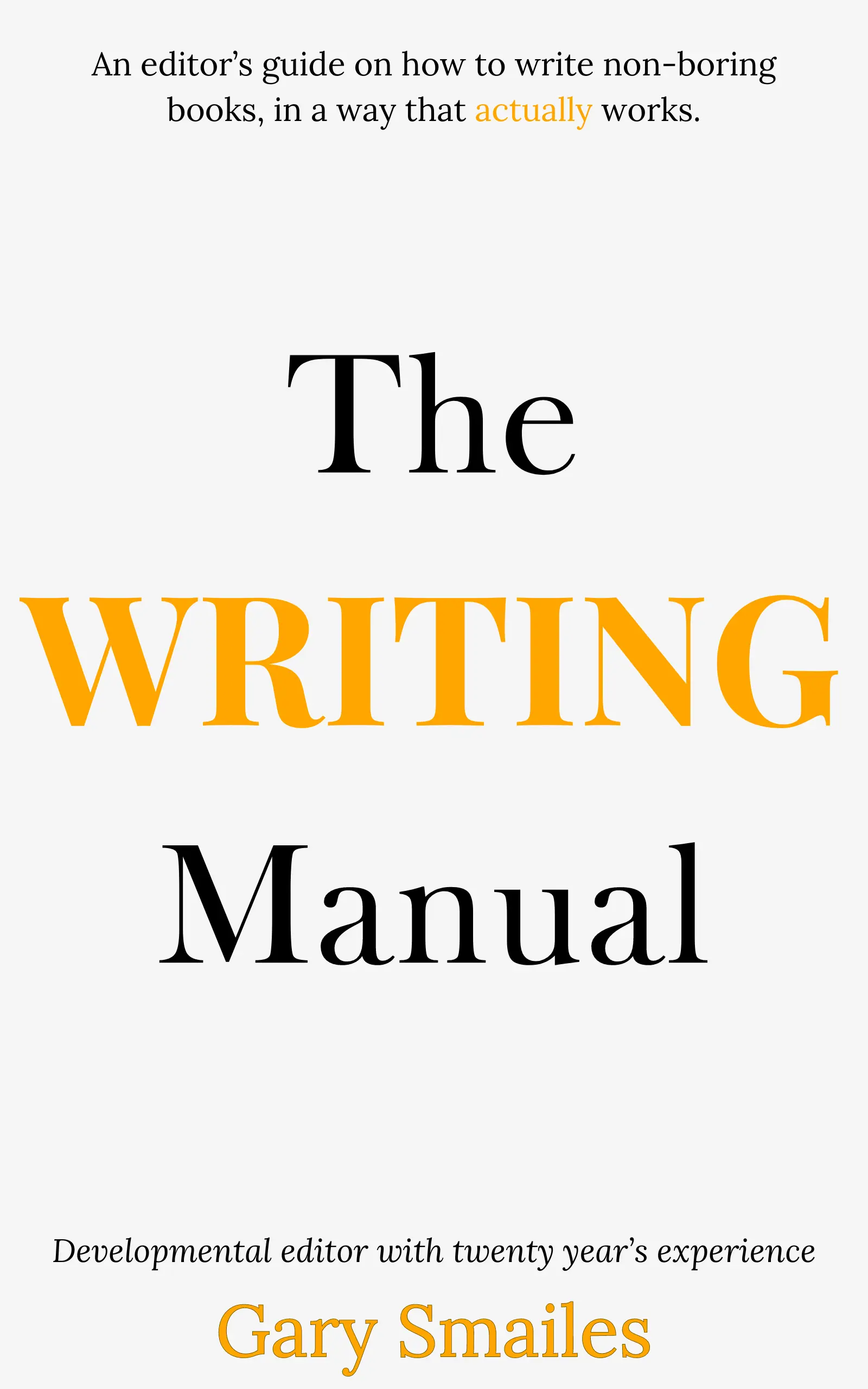
Download FREE ebook
Claim your free eBook today and join over 25,000 writers who have read and benefited from this ebook.
'It is probably one of the best books on writing I've read so far.' Miz Bent