Ideas For Developing Subplots That Matter


Table of Contents
What Makes a Subplot “Matter”
Subplots earn space by doing work. They move the story, shape the lead, and set up payoffs. Pretty icing without function wastes time. Readers feel it, even if they do not name it.
Serve the core dramatic question
Every story asks one clean question. Will the heist succeed. Will the marriage survive. Will the girl clear her name. Your subplot should shove this question forward, sideways, or off a cliff.
Color does not serve. Example, a detective waters orchids between interviews. Cute, but no effect. A stronger choice, the detective’s custody hearing. Court dates collide with leads. The ex controls access to the child, which affects risk tolerance. Now each step on the case ties to the beating heart of the book.
Quick check:
- Write your core question on a sticky note.
- For each subplot beat, finish this sentence. Because of this beat, the next main scene shifts in goal, info, or cost.
No shift, no space.
Change the protagonist
A subplot should press on the person, not only the plot. It reveals a flaw or tests a value. The A‑plot might force action. A B‑plot often forces growth.
Say your hero believes trust equals weakness. The romance thread pairs them with someone honest and steady. Small moments pile up. Missed calls, withheld facts, a promise broken. Trust remains a risk, but the hero learns to share load under pressure. Now the gunfight in the warehouse plays different, because they flag the radio frequency to a partner instead of going solo. The change lands in action, not therapy.
Another angle, belief versus duty. A lawyer swears to protect a client at all costs. A family thread shows a parent who lied for “protection,” and the damage that followed. When the hero faces a similar choice, the old rule wobbles. Growth meets consequence.
Exercise:
- Name one trait your lead must shed or gain.
- Give the subplot three beats that corner this trait.
- End with a moment where the new self alters a main plot decision.
Deliver cross‑payoff
A subplot should buy you something for the finale. A skill, an alliance, a blind spot, a code word, a debt. The payoff crosses lines.
Examples:
- A cooking class thread teaches the spy knife work under stress. During the finale, those habits run on muscle memory.
- A neighbor dispute forces the hero to learn local bylaws. At the end, that knowledge blocks a corporate land grab.
- A secret friendship with the rival’s kid creates a path into the locked suite during the last act.
- A sobriety arc gives the lead one clean morning, which lets them catch a detail no one else sees.
Write your payoff early. Build the path backward. Every beat then earns its seat.
Have consequences
Try the pull test. Remove the subplot in a quick synopsis. If the spine still stands, you have a problem.
What breaks when you pull the B‑plot. Stakes drop. Theme blurs. The ending hits softer. If none of those suffer, merge the thread into another or cut and reassign the best beat.
Demo:
- A thriller includes a podcast hobby. In draft one, it adds mood. Pull it, nothing changes.
- Fix. The podcast grows a small audience. One listener turns stalker. Their tip sends the hero to the wrong warehouse. A partner pays for that detour. Pull it now, the mid‑book twist collapses.
Test steps:
- Write a one‑page outline of the A‑plot only.
- Now add the B‑plot.
- Circle where the B‑plot alters outcome, timing, or choice.
- No circles, rethink.
Align with theme
Theme is your argument about life. Mercy versus justice. Freedom versus security. Truth versus comfort. A subplot should echo, mirror, or counter this line.
Echo example:
- Main story argues for mercy. A side thread shows a small act of forgiveness between neighbors. The act costs rent money. The link strengthens the theme by scale and contrast.
Mirror example:
- Main story questions security culture. The romance partner loves rules and gates. Their fights stage the theme in private terms.
Counter example:
- Main story leans toward truth at any price. The friend keeps a secret to protect a child. The book weighs both choices without sermon.
Use concrete images to tie threads. A repeated object helps. A broken wristwatch moves between scenes. A phrase repeats with new meaning. Readers feel the weave.
Spot the impostor subplot
Signs of dead weight:
- Only repeats what the A‑plot already shows.
- Lives in flashback without present stakes.
- Resets every time you return to it.
- Ends in a shrug or a joke.
Fix tactics:
- Merge it with a stronger thread.
- Tie a beat to a hard resource or deadline in the A‑plot.
- Give the subplot a ticking promise. A vow, a due date, a person who will not wait.
Practical examples
By genre, fast and clear.
- Mystery. A strained sibling bond matters when the sibling withholds a memory that reframes motive. Their later confession unlocks the real timeline during the reveal.
- Romance. A career dilemma matters when a job choice costs the meet‑cute location or forces public stakes during the proof‑of‑love scene.
- Fantasy. An apprenticeship thread matters when the rule learned in chapter six limits the magic used in the climax. The hero wins by honoring a cost no one else respects.
- Thriller. A city council feud matters when budget votes strip your lead of gear, which triggers a make‑do plan during the last chase.
Actionable
Write a one‑sentence function statement for each subplot. Use this form.
This subplot matters because it causes X change, which enables or complicates Y in the climax.
Examples:
- This subplot matters because the hero learns to rely on the partner, which lets them split tasks during the museum break‑in.
- This subplot matters because the hacked forum earns a burner contact, which exposes the mole during the senate hearing.
- This subplot matters because the father’s illness forces the lead to choose care over glory, which turns the final choice from win at all costs to save who matters.
Keep the verb strong. Name the change. Name the payoff. Tape these lines above your desk. If a scene does not serve the sentence, reshape or cut. Your story tightens. Your climax lands harder.
Subplot Types and When to Use Them
Pick threads that do work. Give each one a job, then pay it off. Here are the common types, what they do best, and how to aim them.
Mirror or Foil
A secondary character pursues a parallel goal or carries a twin wound. Their success or failure throws the hero’s blind spot into sharp relief.
Use when:
- The main plot struggles to force self-awareness.
- Theme hinges on a choice your hero keeps dodging.
Example:
- A surgeon refuses help. A resident mirrors the same flaw, loses a patient, then changes. The hero watches a version of themself and faces a hard shift before the board hearing.
Tips:
- Give the mirror a clear arc, not a static moral sign.
- Stage at least one choice where the mirror chooses opposite to the hero.
Relationship or Romance B-plot
Trust under pressure. Loyalty, truth, and vulnerability collide with duty. Best when the main plot is all external heat, since intimacy explores costs the set pieces skip.
Use when:
- Stakes need a personal fuse.
- You want a cross-payoff in the finale. Partnership either saves the day or endangers it.
Example:
- A bomb tech dates a reporter. Their scoop forces an early detonation window. The breakup scene feeds the midpoint failure. The later reconciliation powers coordination during the final defuse.
Tips:
- Fold romantic beats into mission beats. A date during surveillance. A fight in the hospital corridor after a chase.
- Avoid scenes where people sit and recap. Put feeling in action.
Internal or Psychological
Tracks fear, identity, or belief change. Pairs well with action-forward stories where heart-work risks getting buried.
Use when:
- The hero’s flaw limits tactics.
- You need visible steps of change before the climax choice.
Example:
- A pilot hides panic attacks. Therapy homework introduces breath counts, triggers, and a partner call. Later, during a blackout landing, those micro-skills shape choices and save lives.
Tips:
- Anchor the inner thread to a concrete object. A mantra card, a medal, a bottle left unopened.
- Show progress and relapse through decisions, not speeches.
Antagonist or Rival POV
A window into the other side. Strategy, resource shifts, and traps laid early. Readers gain dramatic irony, which tightens cause and effect.
Use when:
- Tension grows if readers know danger before the hero does.
- You want cleaner logic in reversals.
Example:
- A rival startup bribes an inspector. We see the forged certification. Later, the hero’s confident product demo explodes. The fall feels earned, not random.
Tips:
- Give the rival a sharp want, not cartoon evil.
- Keep scenes short, outcome-focused, and tied to the next main beat.
Investigative or Mystery Thread
A breadcrumb line. Clues, interviews, and reveals that pace the middle of the book and swing suspicion.
Use when:
- The core needs steady information flow.
- You want to trigger turns without deus ex help.
Example:
- A missing ledger page hints at two sets of books. A church raffle logs odd donors. A photo shows a rare watch. Each beat narrows suspects and flips stakes for the next move.
Tips:
- Make every clue change a question, a suspect list, or a plan.
- Plant at least one false trail with thematic bite, not filler misdirection.
Societal or World Pressure
Laws, culture, and institutions squeeze choices. This widens the field of consequences and grounds personal stakes.
Use when:
- Private goals swim inside public systems.
- Theme addresses power, fairness, or belonging.
Example:
- An asylum appeal clock ticks. Court backlog stalls hearings. A raid threatens a key witness. The hero’s choice to testify risks deportation for a friend, which reframes the final act.
Tips:
- Personify the system. A clerk, a council member, a policy, a gate.
- Tie rules to resources. Licenses, permits, budgets, visas.
Series Seed
A contained arc which plants honest fuel for future books without hijacking this one. Seed, not sprawl.
Use when:
- You want continuity and a reason to return.
- The main story leaves space for one clean hook.
Example:
- During a homicide case, the hero helps a neighbor with a vandal. The vandal flees, but a tag links to a larger crew. The neighbor subplot closes with safety restored, plus one lingering IOU from a gang sergeant who owes the hero a favor.
Tips:
- Resolve the immediate problem on-page.
- Leave one thread knotted to a person or promise, not a mystery box.
How to Choose
Limit yourself to two subplots. Clarity beats abundance.
Give each a distinct purpose. Label one for theme, one for stakes, or one for character change. Do not double up on the same job unless you plan a merge.
Quick exercise:
- Write three headings on a page, Theme, Stakes, Change.
- List your possible subplots under one heading each.
- Pick two. Cross out the rest.
- For each pick, write one sentence, “This matters because X shifts, which enables or complicates Y in the climax.”
- Tape the sentences near your desk. Build scenes to serve them.
Good subplots do not float. They hook into the spine, pull weight, and leave teeth marks on the ending. Choose with intent, then let them do their work.
Structural Integration with Story Beats
You do not need more subplots. You need the right beats at the right time. Treat each thread like a train that joins the main line, hits the stations, and pulls in on time for the finale.
Start Late, Resolve Early
Let the A plot fire first. Introduce subplots after the inciting incident, once the reader knows who we follow and what the fight is.
- Detective finds a body on page 20. Good. The romance thread meets him at the crime scene on page 40, not on page 1 at brunch.
- Fantasy heir learns of a cursed crown. The sibling rivalry starts when the will is read, not in a prologue about nursery fights.
Resolve subplots before, or inside, the climax. Their payoff should tilt the endgame.
- The hacker forgives the hero two chapters before the finale and hands over a backdoor. That action changes the final heist.
- The pilot finishes exposure therapy a beat before the storm. Those skills guide the landing during the climax.
If your subplot wraps after the main battle, it feels like credits bloat. Land it early enough to matter.
Align or Counter the Beats
Decide if your subplot marches with the A plot, or cuts against it.
- Sync option. The B plot hits a dark night when the A plot fails at midpoint. Everything falls apart together. The echo multiplies impact.
- Counter option. The A plot collapses at midpoint. The B plot offers a small win there, which gives the hero fuel to try again. Rhythm lifts instead of piles on.
Pick one pattern and stick to it. Drifting between both builds noise.
Simple map:
- Midpoint. Mirror the twist, or provide relief that buys resolve.
- Second pinch. Use the B plot to remove a support the hero counted on.
- Pre-climax. Pay off the subplot so the result feeds the final choice.
Example:
- A journalist loses her source at midpoint. The family subplot grants housing to a key witness that same night. Alignment would be both losses. Counterpoint gives a resource when hope dips. Choose the pressure your book needs.
Manage Page Time: A/B/C Ratio
Aim for A/B/C around 70/20/10 across the draft. You can drift a bit. Wide swings hurt momentum.
Quick audit:
- Color-code scenes by plotline.
- Count pages or minutes if you are reading aloud.
- If the B plot passes 25 percent, readers forget the spine.
- If it sits under 15 percent, it reads like a token.
Adjust by combining purposes. Fold a B plot beat into an A plot scene.
- Interrogate a suspect at a child’s recital. The family tension runs under the questions.
- Test the magic during a council hearing. Politics plus mastery in one scene.
Causality Handshakes
Every subplot beat should change what happens next in the main line. Hand the story a new goal, a block, or a resource.
Chain it like this:
- B plot beat. The rival lawyer leaks a memo.
- Immediate effect. The hero’s client loses bail in the next A plot scene.
- New choice. The hero flips strategy and pursues a plea, which triggers the next twist.
Another chain:
- C plot beat. The world rule forbids drones near the border.
- Immediate effect. The heist plan must drop aerial support. The next A plot scene recruits a climber, which sets up a later rooftop set piece.
If a subplot scene does not touch the next A plot beat, move it, tie it tighter, or cut it.
Scene and Sequel Strategy
High action needs short reaction beats that carry consequences without sag.
- Scene. Action, conflict, outcome.
- Sequel. Emotion, thought, decision.
Use the sequel space to advance a subplot.
- After a chase, the hero hides in an ex’s bar. Emotion sparks old wounds. Thought sifts conflicting loyalties. Decision changes who gets tipped off before the next raid.
- After a failed spell, the apprentice sits with the mentor’s letter. Emotion, shame. Thought, what rule did I break. Decision, ask the rival for help. That choice flips the rival thread and primes a later betrayal.
Keep sequel beats focused. Two paragraphs can do the job.
Build a Beat Sheet Grid
Make a simple grid with rows for A, B, and C. Columns for Hook, Inciting Incident, First Plot Point, Midpoint, Second Plot Point, Climax, Denouement. Fill every cell that belongs.
How to fill it:
- Hook. A shows the ordinary world pressure. B hints at the character bond or inner doubt. C hints at the system or rival.
- Inciting Incident. A fires. B reacts. C shifts rules or adds a complication.
- First Plot Point. Door closes. Have the B plot cross the threshold with the hero, or lose something that raises the cost.
- Midpoint. Decide on sync or counter. Log the change for each row.
- Second Plot Point. Drop a secret, a betrayal, or a resource that locks the endgame.
- Climax. Note the cross-payoff. Which subplot gives the tool, the trap, or the wedge.
- Denouement. Show the cost and the new status. Close B and C on page, unless you seeded a series hook.
Two tests:
- If a cell stays blank and you feel no loss, you likely do not need that subplot.
- If the B plot does not touch the climax cell, fix the pipeline or delete it.
A Mini Example
Heist A plot. Romance B plot.
- Hook. Thief scouts a museum. A barista banters, flirts, tags his sketchbook with a number.
- Inciting Incident. The mark arrives with a rare diamond. The barista notices the mark’s security habits.
- First Plot Point. The thief commits. The barista learns he lies about his name, trust dips.
- Midpoint. A plot setback, the blueprint is fake. Counter with a B plot win, a kiss and a tip about a staff entrance.
- Second Plot Point. The barista’s brother works museum security. Loyalty shatters. She walks away with a warning.
- Climax. The warning points to a new sensor path. The thief adapts mid-mission because of the B plot. Success carries a price. He leaves the diamond on the barista’s counter with a note and the truth.
- Denouement. She opens the cafe late. He waits outside. Choice hangs, earned.
Everything joins the spine. Every beat moves two lines at once.
Keep your trains on schedule. Start the subplots after the tracks are laid. Make them arrive before the final station, carrying cargo the ending needs.
Weaving Techniques: Scenes, POV, and Motifs
You do not need more pages. You need cleaner stitches. The A plot is your spine. Subplots hang off it like ribs, tight and useful, never floppy. Here is how to weave them so readers feel one story, not three separate novellas sharing a bus.
Setups and Payoffs
Plant something concrete early. Pay it off later in a way that feels earned.
- Object. In chapter 2, the mentor gives the rookie a chipped coin and a rule. Flip it only when you are out of options. Near the climax, the rookie uses the coin to distract the guard at the one door that lacks a camera. The rule matters, the object matters, the moment lands.
- Promise. In act one, the best friend says, If you vanish again, I will not come looking. In act three, the hero vanishes, then hears footsteps in the dark. The friend came anyway, and that choice alters the end.
- Mini-rule. Early, the magic needs a true name to bind. Later, the villain uses the hero’s childhood nickname to freeze them in place. The setup turns into a trap.
Do not hoard payoffs after the climax. Resolve them as the story barrels into the end so the outcomes swing the final choice.
Combine Purposes in Scenes
One scene, two jobs. Make the external beat move while a relationship turns or a belief is tested.
- Police thriller. Interrogation doubles as a custody handoff. The detective pushes the suspect while his ex watches him break a promise to their kid. Case advances. Fatherhood fractures.
- Fantasy. A treaty meeting doubles as a lesson in spell limits. The diplomat stalls for time while the apprentice misquotes a rule and burns a bridge in front of the council.
A quick test: if you lift the scene and the main plot stalls, good. If you lift it and nothing changes, fold it into a stronger scene or cut.
Mini-exercise: take your next A plot scene. Add one line of dialogue that pokes a B plot wound. Add one concrete choice that worsens that wound. Keep the scene length the same.
POV Rotation
Give the beat to the person under the most pressure. That lens squeezes tension and reveals the right piece of truth.
- Rival POV. During a fund-raiser, the rival spots the forged donation card before the hero does. We feel the trap tighten and dread the public exposure that follows.
- Love interest POV. The hero lies to protect a sting. In the love interest’s head, the lie is about trust, not tactics. Stakes shift from legal to personal.
Rotate with purpose. Stay in a head long enough for the emotional math to change. Switch when a new angle will raise suspense or sharpen irony.
Tip: list your subplot beats. Next to each, write who stands to lose the most in that moment. Assign POV to that person.
Transitional Echoes
Hard cuts jar readers. Soft echoes connect threads without slowing pace.
- Image echo. A cracked window in the school office. Later, a cracked visor in the spacewalk. Same word, different context. Your reader links them on a gut level.
- Phrase echo. In chapter 5, The door stays shut. In chapter 17, the hero repeats it at a hospital curtain. Reuse with a twist to show growth or decline.
- Motif. Keys, phones, doorbells. Pick one. Let it appear at meaningful moments, never random. The motif hums under the plot like a score.
Use three to five echoes across the book. More turns into wallpaper. Fewer feel accidental.
Interval Planning
Subplots fade when ignored. Reappear too often and they hog the stage. Aim to revisit active threads every three to five chapters.
Quick map:
- Put a dot on your outline for each B plot scene.
- Check the gaps. If six or more chapters pass with no dot, readers will forget the stakes.
- If two dots sit back to back, see if they can merge into one scene that hits harder.
When a long gap is unavoidable, prime memory. Give a one-line recall at the start of the return scene. Not a recap, a trigger. The leather coin digs into her palm. The reader remembers.
Compression and Merging
Two weak threads rarely add up to one strong story. Merge them.
- Example. A workplace gripe subplot and a thin sibling rivalry. Fold them. Make the sibling the new manager. Now the conflict sits in every staff meeting and every holiday. Cleaner, sharper, harder to escape.
- Example. A world-pressure law about curfew and a tepid neighborhood watch group. Combine them into a single ordinance committee run by the antagonist’s aunt. Personal and systemic pressure, one source.
Ask of each subplot: What is the engine. If the answer is vibes or backstory, merge or cut. Engines sound like, The hero wants X, the other party wants Y, and both push.
Compression also helps theme. One recurring conflict is easier to build, reinforce, and resolve than three scattered scuffles.
Actionable Workflow
Color-code your outline by plotline. Blue for A, green for B, orange for C. Pick highlighters or tags in your tool.
- Pass one. Highlight every scene. Tot up page counts by color. Adjust toward a 70, 20, 10 spread across the full draft.
- Pass two. Write a one-sentence purpose beside each subplot scene. If the purpose repeats, merge with the prior or next beat.
- Pass three. Add a note at the end of every subplot scene that states the tangible change. New goal. Fresh decision. Loss. Revelation. No change means the scene drifts. Fix it until the color causes motion.
Two quick checks at the page level:
- Does this scene set up anything specific. If yes, where is the payoff.
- Does this scene pay off something specific. If yes, where was the seed.
If you cannot point to both within the book, not in your head, the thread is loose.
A Short Worked Example
Main plot. Chef competes in a televised cook-off. Subplot. His estranged mother returns as a food critic.
- Setup. Early rule, the show bars family contact during filming. Mom slips him a review from years ago with a single note, Too salty.
- Combined scene. Round two. The secret ingredient is anchovy. The chef nails the technique while the mother sits on the judging panel. Personal tension under performance.
- POV choice. Stay in the chef’s head as he plates. Switch to the mother for the first bite. Pressure sits with whoever must speak next.
- Echo. The word salty pops first as taste, later as a jab about his attitude. Same term, fresh sting.
- Interval. She appears in episode one, three, and five. Each time, a new reveal alters his approach.
- Compression. A separate critic rivalry merges into the mother thread. She mentors his rival. Cleaner stakes.
- Payoff. Before the finale, he revisits her old review, fixes seasoning in a dish named after her. During the climax, the skill and the truce shift the vote.
That is weaving. Not louder. Smarter. Thread by thread, always tied to change.
Genre-Specific Subplot Ideas
Genre gives you a ready-made arena for pressure. Pick a thread your hero avoids, then make it bite during the finale.
Mystery and Thriller
- Loved one’s secret. Tie a key witness to the protagonist’s inner circle. Example. The detective’s brother supplied the weapon years ago, off the books. A warrant stalls. Trust wobbles. The killer gains time.
- Political turf war. Budget freezes, lab backlogs, patrol shortages. Each delay forces bolder choices. The final chase starts because the tox report never arrives.
- Red herring with thematic teeth. Point to a suspect who mirrors the hero’s flaw. If the hero scorns addicts, build a clean-cut sponsor with motive-shaped shadows. When the misdirect collapses, the hero shifts belief as well as strategy.
Try this: write one sentence for a clue that embarrasses, not informs. Give it to a family member or mentor. Plan where the truth lands in act three.
Romance
- Career versus intimacy. Put a promotion in reach, plus hours that erase dinner and weekends. The relationship strains in public, not only in hearts. The final proof-of-love hinges on a career risk with real fallout.
- Found family arc. Friends set rules for inclusion. The love interest violates one in a small, human way. Your lead chooses to defend or enforce. The choice echoes during the black moment.
- Ex as foil. Bring back an ex who offers comfort and no growth. Each meeting shows old patterns. A hard refusal in act two primes a brave yes in act three.
Mini-exercise: list the lovers’ top two values. Build a subplot where those values collide outside the bedroom, then design a beat where one value wins at a cost.
Fantasy and Science Fiction
- Apprenticeship or tech mastery. Set clear rules early. Precision steals power. Or neural links short out under stress. Later, the finale hinges on a rule-bend earned through sweat, not a lucky talent jump.
- Faction politics. Guilds, clans, ships, councils. Give each a goal which crosses the hero’s path. An ally switches sides in a way only the subplot can explain. Alliances flip right before the endgame.
- Belief test. Prophecy, AI ethics, off-world law. Have the hero endorse a stance in private, then live with it in public. The B plot choice should strip an option from the climax or open a new one.
Practical tip: write a one-page rulebook for your system. Tag three rules with scene numbers for setup and payoff. No rule appears once.
Historical
- Social constraint. Class, gender, faith. Show a small rule first. No gloves in the gallery. Then a larger one. No testimony allowed. Build to a public breach where safety and conscience split. The climax resolves both.
- Patronage pressure. Money comes from a source with strings. A donor rescinds support after a scandal. Your lead goes to war without resources, which forces ingenuity in the last act.
- Private versus public self. A hidden love, a past allegiance, a family shame. Use letters, church registers, club rosters. Each reveal narrows choices until only one path remains onstage.
Exercise: draft a scene where a minor decorum rule blocks a crucial action. Replace the obstacle with a human face who enforces it. Plan a rematch with higher stakes.
Literary and Book Club
- Generational backstory. Letters, recipes, marginalia. Each artifact reframes a present-tense decision. The final object handed over in the climax completes a moral argument, not only a lineage chart.
- Community conflict. Zoning, school boards, libraries, strikes. The protagonist takes a side in chapter three. In chapter fifteen, the side takes a cost. The main plot victory tastes mixed because a neighbor pays.
- Interior belief arc. Track a lie the character lives by. Money equals safety. Love equals danger. Give the lie a mouthpiece in a subplot character. The last conversation with that person tilts the ending.
Try this: choose one object from family history. Write three appearances for it. Introduction. Complication. Power shift. Keep it concrete, like a watch with a cracked face.
Young Adult
- Identity thread. Clothing, music, pronouns, sport, art. Put a gatekeeper at school or home. A small defiance draws small heat. A public moment forces a bolder stand during the finale.
- Friendship test. Two friends want different versions of the future. One wants out. One wants loyalty. Each favor asked chips at trust. The breakup or reconciliation steers the main plot choice.
- Activism versus authority. A protest collides with exams, curfew, club rules. Consequences land on transcripts and phones. The last act risk feels real because the B plot set a price.
Quick drill: write a text thread between your lead and a friend. One line of affection. One line of pressure. One line of silence. Place it right before a main plot scene.
How to Aim Your Choice
Pick one subplot aimed at your protagonist’s weakest skill. Tie it to a required scene for your genre.
- Thriller example. Weakness, loyalty to family over law. Required scene, cover-up. Subplot, brother hides evidence. Payoff, the reveal burns a bridge during the takedown.
- Romance example. Weakness, pride. Required scene, proof of love. Subplot, workplace code bars public displays. Payoff, the grand gesture violates policy and risks a job.
- Fantasy example. Weakness, impatience. Required scene, final test of power. Subplot, training rule punishes haste. Payoff, a slow ritual wins where force fails.
Last step. Write one sentence for the function. This subplot matters because it triggers a change which shapes the climax. Tape it above your desk. Keep every beat pointed at that change.
Revision and Diagnostics for Subplots
Draft done. Subplots everywhere. Now comes the honest check. Each thread needs a job, a clock, and a payoff. No passengers.
Function audit
State the whole arc in three sentences. One for promise. One for pressure. One for payoff.
- Promise. Name the change on the table. Example. “The lab partner thread promises a bond which tempts the hero toward cheating at the science fair.”
- Pressure. List two or three rising problems. “Deadlines tighten, the partner hides a suspension, a sponsor offers money for a shortcut.”
- Payoff. Tie the change to the finale. “The partner faces expulsion unless the hero risks the trophy to tell the truth, which resets trust before the main showdown.”
Write those three sentences on a card. Read them before each revision pass. If sentence two feels soggy, the middle lacks turn. If sentence three feels detached from the climax, the thread needs a cross-payoff.
Mini-exercise. Pick one subplot. Draft those sentences in under two minutes. No commas-as-crutches. Read aloud.
Cut or merge test
Delete every scene tied to one subplot. Then summarize the story in one paragraph without those pages. If tension, theme, or climax lands the same, cut the thread. Or strip one strong beat and sew it into a healthier line.
Example. Police procedural with a captain’s divorce thread. Once removed, the investigation marches on without slower pages and without loss of pressure. Fold the raw emotion into the rookie mentor thread instead, which already intersects the arrests.
Merging tip. Keep the engine, not the garnish. If two threads repeat the same lesson, fuse them and raise the stakes.
Timing pass
Readers remember threads that return with purpose. Clumps create drag. Long gaps invite amnesia.
Try a spacing rule. Revisit an active subplot every three to five chapters. Shorter gaps for high-voltage lines. Longer gaps for slow-burn lines.
Practical steps.
- Mark each subplot scene with a color. Digital tags work, paper flags work.
- Count chapters between returns. Three numbers matter, gap before midpoint, gap before second plot point, gap before climax.
- If two beats touch the same week in-story, separate in placement unless a collision serves drama.
- Insert a small echo in A-plot scenes after a B-plot hit. A text, a bruise, a promise. Quick reminder, no detour.
Consistency check
Continuity breeds trust. Track names, rules, resources, and beliefs.
Questions worth asking.
- Does the same desire drive each choice within the subplot? If desire flips, does a scene earn that shift?
- Do rules stated early hold during later pressure? If a rule breaks, does a cost follow?
- Do objects and clues behave the same way across chapters?
- Do planted questions receive answers before farewell pages? If a loose thread remains, label it as seed for a sequel, or resolve now.
Run a pass focused on pronouns, time, and money. Who knows what, when, and at what cost. Sloppy answers leak tension.
Reader-focused editing
Readers tell the truth with their eyelids. Ask three things.
- Where did skimming start?
- Where did confusion spike?
- Where did care peak?
Use short surveys or margin notes. Then reweight pages. Trim two slow beats before a drop in attention. Clarify who wants what during confusion spikes. Add one more scene to the care zone, not a speech, a choice.
Invite two types of reader. One trope lover. One skeptic. When both care during the same beat, placement works.
Tooling that helps
Pick tools that make patterns visible. Index cards for a floor. Spreadsheet for a bird’s view. Text labels for quick filters.
- Scene cards. One card per scene. Colors for A, B, C. Arrows for cause and effect. Shuffle on a table until rhythm feels clean.
- Spreadsheet. Columns for scene number, plotline, location, goal, obstacle, outcome, hook for next scene. Sort by plotline to read only the B line in order.
- Developmental pass. Freeze line edits for now. Read for structure. Mark every point where a subplot alters goals, gives or removes resources, or shifts belief. No mark means no purpose.
Set a time box for each pass. Focus breeds sharper choices.
Actionable drill
Read only the scenes from one subplot, in sequence. No main plot pages. No skimming.
Write a 100-word summary of that arc.
- Beginning. Who wants what, and why now.
- Middle. How pressure grows, and where a turn flips advantage.
- End. What choice lands, and how the result reshapes the climax.
Revise until those three parts fit cleanly, and the final sentence shows a change which touches the finale. When that summary reads strong, paste it at the top of your outline. Each new beat must support that promise.
Quick red flags and fixes
- Symptom. Jokes or banter lines survive while plot goals blur. Fix. Tie humor to a decision or loss in the next scene.
- Symptom. A subplot only appears when the main plot rests. Fix. Give the thread teeth during high heat, not only during lulls.
- Symptom. A reveal arrives, then nothing shifts. Fix. Add a consequence in the next A-plot beat, new tactic, lost ally, deadline move.
Revision rewards nerve. Cut where purpose fades. Double down where pressure turns your lead into someone braver, or worse, or wiser. Subplots matter when they force a price, and when that price shapes the end.
Frequently Asked Questions
How do I tell if a subplot actually matters to the main story?
Use the subplot pull test: remove the subplot and write a one‑paragraph synopsis of the A‑plot. If stakes, timing or the climax feel unchanged, the subplot is probably dead weight. Alternatively write a one‑sentence function statement in the form, "This subplot matters because it causes X change, which enables or complicates Y in the climax."
If that sentence is hard to write, either merge the best beat into another thread or cut the subplot. Keeping a one‑sentence function statement for each subplot helps you protect payoffs and avoid scenes that only add colour.
How many subplots should I have and how do I balance their page time?
Limit yourself to two strong subplots for most novels; clarity beats abundance. Aim for an A/B/C ratio around 70/20/10 so the main spine keeps momentum while secondary threads add texture and thematic weight.
If a B plot creeps above 25 percent of the pages, fold its beats into the A plot or compress it. If it sits under 15 percent, either make it earn more payoffs or cut it entirely.
When should I introduce and resolve a subplot in the story?
Start late and resolve early. Introduce subplots after the inciting incident once readers know the core dramatic question, and aim to pay them off at or before the climax so their payoff meaningfully alters the finale. Avoid opening with several B‑plot scenes that distract before the A‑plot is established.
Use the "start late, resolve early" rule with interval planning: revisit active threads every three to five chapters and prime memory with a quick sensory echo if a long gap occurs.
What practical steps ensure a subplot pays off in the climax?
Write the payoff early and build the path backwards. Identify what the subplot must provide at the finale—a skill, an ally, a piece of information or a moral test—and seed those beats deliberately. Use cross‑payoff planning so each subplot beat changes A‑plot goals, resources or timing.
Track setups and payoffs with a beat sheet grid so the payoff column is never blank. If the subplot does not alter the final choice, reshape its beats until it does or remove it.
How do I integrate subplot beats with main story beats without cluttering scenes?
Combine purposes in scenes: give each scene an external goal while letting a subplot turn or test a relationship or belief. Use the scene and sequel strategy so action scenes end with a short sequel that advances a B plot via emotion, thought and a new decision.
Rotate POV to the character under the most pressure and employ motifs or image echoes to link threads without heavy exposition. This keeps scenes doing double duty rather than feeling like separate novellas on the same bus.
Which revision passes will fix a limp or wandering subplot?
Run three focused passes. Function audit: write three sentences for that subplot—promise, pressure, payoff—and keep them on a card during edits. Cut or merge test: temporarily delete the subplot’s scenes and see what breaks in the A‑plot; if nothing breaks, either fold essential beats into another thread or cut the thread.
Use tooling like scene cards or a spreadsheet (scene number, plotline, goal, obstacle, outcome) so you can sort by B‑plot and read that arc alone. Revise until the subplot yields a clear, tangible change that touches the finale.
How can I weave subplots through scenes without slowing the story’s pace?
Keep subplot returns regular but economical. Revisit active threads every three to five chapters and use brief echoes or a single sensory trigger in A‑plot scenes to prime memory. Combine subplot beats into A‑plot scenes so you remove whole scenes that only recap or chatter.
When you must show relationship or interior change, do it through action—a choice, a promise kept or broken, a gesture—rather than long conversations. That preserves momentum while the subplot continues to do narrative work.
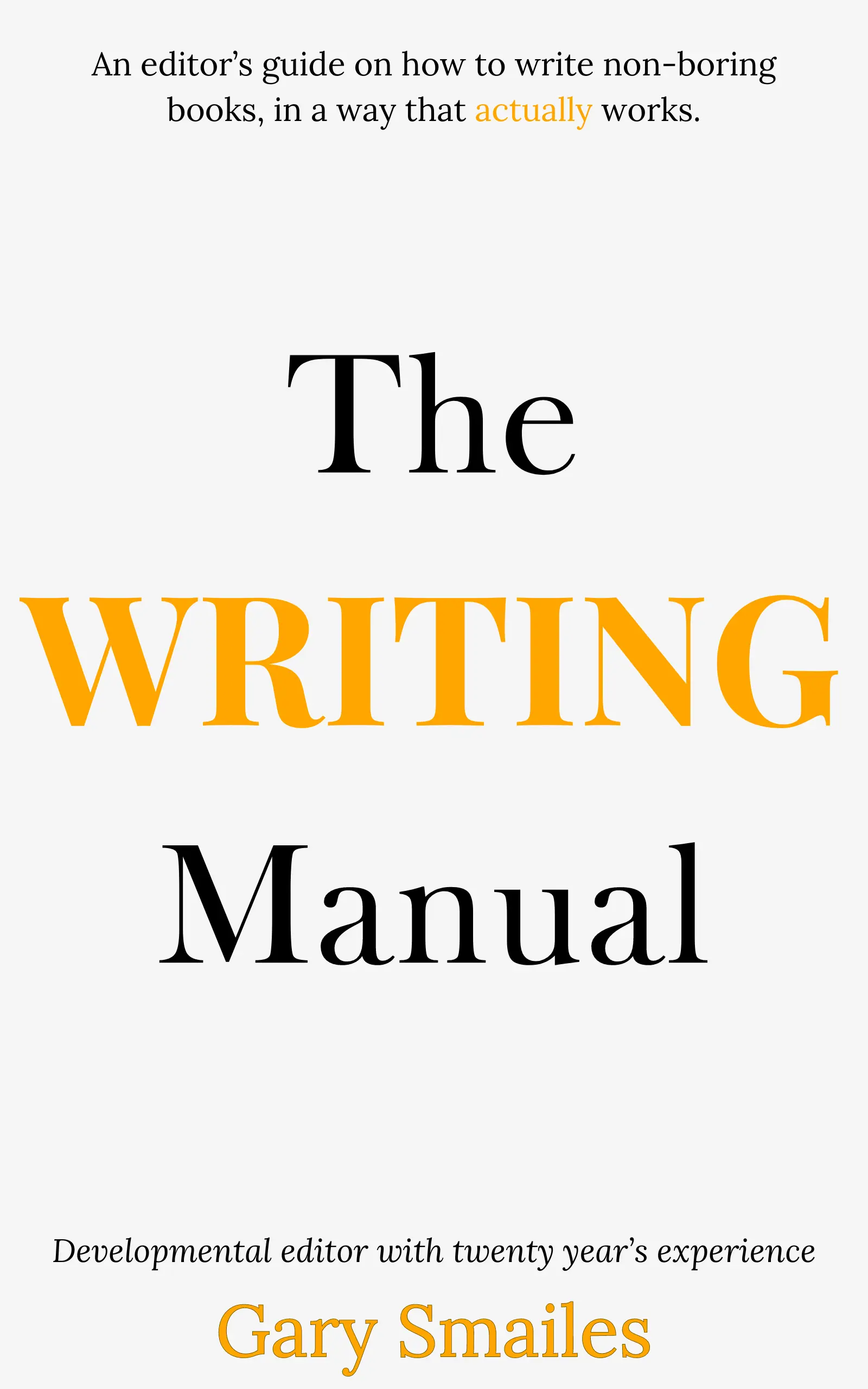
Download FREE ebook
Claim your free eBook today and join over 25,000 writers who have read and benefited from this ebook.
'It is probably one of the best books on writing I've read so far.' Miz Bent