Finding Your Unique Writing Voice


Table of Contents
- What Writing Voice Actually Is (Beyond Style)
- Voice vs. Character Voice: Understanding the Layers
- Discovering Your Natural Voice Through Experimentation
- Common Voice Killers and How to Avoid Them
- Practical Exercises for Voice Development
- Strengthening and Trusting Your Voice
- Frequently Asked Questions
What Writing Voice Actually Is (Beyond Style)
Voice is not a trick of syntax. Voice is your way of seeing, pressed into words. Your beliefs about people, power, love, money, family, and meaning. Readers meet your worldview before they meet your plot.
Style is technique. Sentence length, word choice, punctuation, paragraph shape. Voice is perspective and emotional truth. Two writers might use short, plain sentences. One speaks with bruised tenderness. One speaks with sharp contempt. Same tools, different soul.
Here is a plain scene, two versions.
- Tender version: The nurse folds the sheet and hums. The old man watches her hands. He smiles when she misses a note.
- Cynical version: The nurse counts minutes. The old man pretends not to notice. The clock handles the caregiving.
Same room. Same job. Same style on the surface. The difference sits in judgment and focus. One version invites mercy. The other plays defense.
Think of voice as three levers you move again and again.
- Attitude. Your stance toward people and events. Warm, wary, irreverent, grieving. Pick one and the whole scene tilts.
- Rhythm. How your mind breathes on the page. Staccato for pressure. Long lines for thought. A mix for push and release.
- Selectivity. What you notice and what you skip. Some writers watch hands. Some track lies. Some stare at the sky and wait for weather to break.
Try this quick pass on selectivity. Describe a kitchen in three sentences. First, describe only sounds. Second, describe only hands. Third, describe only what is missing. Notice where your energy sparks. That zone lives close to your voice.
Chasing uniqueness often flattens voice. Readers do not want a mask. Readers want a mind. Honest sentences separate you from the herd faster than any ornament. Strip filler. Keep opinion. Leave a thumbprint.
Voice grows out of obsessions. The questions you return to in every project. Forgiveness. Power and shame. Second chances. Outsiders who win small. Broken families that try anyway. Write a page on one preoccupation. Then write a page on another. Patterns will surface. Those patterns are not a bug. Those patterns feed voice.
Worried about repeating yourself. Hear this from a long desk life. Repetition gives coherence. You offer new plots, new settings, new forms. Your core concerns weave through the work. Readers feel a steady hand.
Across genres, voice remains steady while surface shifts. A horror story, a rom-com, a space opera. Different beats, similar sensibility. Example:
- Romance line: He laughs too loud, then offers the last slice. Kindness wins before the kiss.
- Thriller line: He tracks exits, counts steps, pockets the last knife. Survival feels like prayer with teeth.
- Sci-fi line: She marks the airlock seals, then hums to the ship. Machines deserve manners.
Notice the quiet respect for small gestures in each line. That thread signals the same writer speaking across forms.
Tuning voice is not mystical. Try practical loops.
- Read your own rant. Record yourself explaining a belief to a friend. Transcribe. Where does the rhythm snap into place. Which phrases feel like home. Pull three of those phrases into a scene.
- Audit your judgments. Take a paragraph from a draft. Underline each word that judges someone or something. Soft judgments signal gentle voice. Hard judgments signal bite. Neither is wrong. Aim for intention.
- Swap lenses. Write one page of a funeral from a hopeful lens. Then a sardonic lens. Then a reverent lens. Pick the lens that fits your natural sway. Lean on that more often.
A note on polish. Early drafts often carry more voice than late drafts. Revision helps with clarity, yet sanding too much can wipe away fingerprints. During edits, tag lines that feel alive. Keep those rhythms intact while you fix structure and logic.
One last exercise for your toolbox. Write the same scene three ways to test attitude.
Pick a breakup, a job interview, or a family dinner.
- Bitter pass: Give every object an edge. The fork scrapes. The chair wobbles. The smile lies.
- Wistful pass: Let memory blur the corners. The fork shines from years of use. The chair holds old grooves. The smile remembers a first day.
- Comic pass: Point to the absurd. The fork launches a pea. The chair protests every shift. The smile asks for hazard pay.
Read your three versions aloud. Notice which version flows without effort. Notice where your pulse jumps. The winning pass points toward your voice in action.
Voice is your promise to the reader. A way of seeing, repeated with integrity. Hold to that, and every page starts to sound like you.
Voice vs. Character Voice: Understanding the Layers
Every story runs on two voices. Your voice. And the voices of your characters. Keep the wires clear and the whole book starts to hum.
Narrative voice
Narrative voice is your presence on the page. The sensibility arranging events, selecting details, setting the moral temperature. Even in third person, readers hear a mind guiding the room.
Two narrators can report the same scene and deliver different meaning.
- Version A: Rain needles the sidewalk. People hurry, heads down. The city minds its own business.
- Version B: Rain blesses the sidewalks. Strangers share umbrellas. The city remembers how to be kind.
Same weather. Two different worldviews. The difference comes from judgment and focus, not vocabulary tricks.
A test for narrative voice. Pick one paragraph from your draft. Cross out plot facts and leave only opinions and observations. The leftovers point to your sensibility. Do you lean toward tenderness, suspicion, awe, amusement. Name the bent. Own it.
Character voice
Character voice belongs to the people inside the story. How a person speaks, thinks, and filters experience. Background, education, age, and desire all shape the sound.
Give one event to three characters.
- A paramedic notices airways, pulse, clear exits.
- A chef notices smells, heat, order, knives left in the wrong place.
- A six-year-old notices color, fairness, who gets hugged first.
Vocabulary shifts. Sentence rhythm shifts. Priorities shift. Each mind grabs what matters to that life.
Useful drill. Build a tiny lexicon for each major character. Five favored verbs. A handful of pet phrases. One sensory bias. Tape the list near your screen. Use it during dialogue and internal thought.
Narrative distance
Distance measures how close the page sits to a character’s mind. Close distance pulls readers inside the skull. Far distance places a camera above the scene. Both work. Pick with intention.
Close third, same moment, two versions.
- Close: The lock sticks again. Of course. She breathes through her teeth and prays the neighbor does not hear.
- Far: The lock stuck. She tried again. The hallway stayed quiet.
Close third favors sensation and private language. Far third favors report and summary. Intimacy rises or falls based on word choice and focus, not person or tense.
Slide the scale to match scene goals. A chase favors close distance. A time jump favors far distance. Keep readers near when emotion spikes. Pull back when structure needs a bridge.
Voice bleed
Voice bleed happens when your worldview leaks into a character’s thoughts. Some bleed helps. Too much turns every character into your mouthpiece.
Watch for this blend:
- Teen narrator: Algebra rots the mind. Mrs. Keene’s cardigan smells like old paper. Freedom sits one hallway away.
- Author leak: Algebra rots the mind, a clear indictment of underfunded curricula.
The second sentence steps outside the teen’s head. Fix with a small swap.
- Cleaned line: Algebra rots the mind. Mrs. Keene says numbers bring peace. Sure.
The fix keeps opinion inside the teen’s frame. No outside thesis barges in.
Self-check. Highlight any abstract claim inside character thought. Ask whether the claim matches age, class, profession, grief level. If not, rephrase in concrete terms that suit the speaker.
First person pitfalls and strengths
First person feels honest. A single voice, speaking straight to the reader. But first person also tempts author intrusion. The writer starts explaining theme. The character turns into a podium.
Guardrails:
- Limit summary of motives. Show choices, not essays on choices.
- Keep metaphors on brand. A florist compares tempers to overwatered peonies, not to market volatility.
- Keep knowledge in bounds. No hindsight from years later unless the frame signals that device.
A quick filter. Read a first-person paragraph aloud. Mark any sentence few people in that position would say. Replace with action, or with a thought rooted in lived detail. Shoes, rent, scars, hunger, jokes, smells. Grounded beats protect authenticity.
Multiple POV without chaos
Several viewpoint characters raise the stakes. Readers need distinct minds. Readers also need a steady hand behind the curtain. Your underlying sensibility provides that steady hand.
Think of layers:
- Bottom layer: your governing taste. Mercy over cynicism. Or bite over balm. This layer shapes description, pacing, humor, and moral center across the book.
- Middle layer: each viewpoint’s diction and priorities.
- Top layer: scene goals.
Show one scene switch with a shared core. A lost wallet.
- Detective POV: He clocks routes first. Trash pickup times. Blind corners. Wallet equals leverage.
- Bartender POV: She clocks faces first. Who looks guilty. Who tips heavy when nervous. Wallet equals favor.
- Your layer under both: a quiet respect for small survival tactics.
Readers feel a single authorial presence even as voices differ. That presence lives in the kind of detail you choose, the cadence of sentences, the pressure you place on certain morals.
Practical tools:
- Set a dominant verb type per character. One favors measure and sort. One favors grab and shove. One favors hope and wait.
- Track sentence length habits. One speaker snaps. One meanders. One runs on then stops short.
- Assign synonyms for shared concepts. Money becomes rent to one, capital to another, lunch money to a third.
Actionable exercise
Rewrite one paragraph in close third from three different minds. Use the same event. A late bus. A job interview. A first date in a grocery line.
- Version 1, character A: three sentences. Focus on what this person notices first. Drop one judgment that reveals values.
- Version 2, character B: three sentences. Swap sensory bias. New verbs. New stakes.
- Version 3, character C: three sentences. Shift rhythm. Short or long. Add one private metaphor tied to profession or hobby.
Now read all three versions in a row. Listen for a shared hum beneath the differences. That hum equals your narrative voice. If the hum vanishes, you drifted into impersonation. If the hum drowns out the characters, pull back and restore their lexicons.
One more pass. Convert one version to first person without changing core choices. Then back to third. Consistency across forms signals control.
Keep both layers healthy. Let characters sound like themselves. Let your sensibility guide the light. Readers trust stories with a clear mind behind the scenes and real people on the page.
Discovering Your Natural Voice Through Experimentation
Voice hides in your habits. You surface it by making a mess, then listening hard. Treat this as play with a purpose.
Morning pages, the low-pressure lab
Give yourself three pages of longhand first thing. No planning. No editing. No audience in mind. Write what lands in your head. Shopping lists. Fears. Petty gripes. Hopes you whisper to no one. Keep the pen moving.
Once a week, skim those pages. Circle repeats. A phrase you keep leaning on. An image that returns. Maybe you end sentences with a question. Maybe you reach for food words to describe feelings. These tells point to rhythm and preoccupations. Collect five of them on a sticky note by your desk. Feed them into a scene and watch the voice warm up.
If three pages feel like a mountain, set a timer for ten minutes instead. The key is steady volume and zero polish.
Imitation as x-ray
Copy a paragraph from a writer you admire. Do it by hand. You will feel their rhythm in your wrist. Then write a new paragraph in that style, same topic or a fresh one. Now switch to a second writer with a very different approach. Repeat.
Last step. Write the exact same scene in your default voice. No reference text near you. Read the three versions side by side. Notice what refuses to budge across versions. Do you favor short bursts or long drifts. Do you name the feeling or show the behavior. These nonnegotiables mark your voice.
Quick example. Copy a spare paragraph from a lean stylist. Then a lush paragraph from a maximalist. Your version might land in the middle, with crisp verbs and one vivid image, not five. Good. Now you know your center.
Genre hopping, same heart different clothes
Pick one emotional beat. Betrayal, triumph, loss, mercy, envy. Write it three ways.
- Literary: She placed the keys on the table and said the thing she had saved for later. The spoon clicked in the sink like a period.
- Thriller: Keys hit the table. His jaw locked. Exit routes. Nearest weapon. The spoon might as well be a bell.
- Romance: She set the keys down, met his eyes, and waited. The spoon chimed against the sink. He heard please, not goodbye.
Which draft felt natural in your body. Which draft pulled words forward without a fight. Keep notes on pace, diction, and heat. The genre you pick for publication matters less than the emotional gear you reach for without strain.
Dialogue mining from your own mouth
Record yourself explaining something you care about to a friend. Start with a story you tell at parties, or a rant you deliver while cooking. Transcribe the talk. Do not fix grammar. Do not straighten sentences to look smart. Circle quirks. Do you stack three short sentences in a row. Do you ask a quick question, then answer it yourself. Do you repeat one anchor word for effect. These moves are gold for dialogue and internal thought.
Borrow a few of those turns and drop them into a character’s speech. Not every character, not every page. Enough to keep your natural cadence alive in the book.
Opinion writes the sharp edges
Write about a topic that lights you up. Street parking rules. School board emails. The way meetings steal the best hours. Keep it to one page. State what you believe, give an example, then one image that sticks. Strong opinion clears the throat. It also reveals your moral center, which your stories need.
If a public blog feels risky, write a letter to a friend. Or a note you never send. Save the lines that sing. They will teach you how you sound when you stop pleasing ghosts.
Constraints, the productive squeeze
Rules shrink options, which helps voice pop. Try three short constraints.
- Only questions. Fill a page with questions on a single topic. Watch how urgency shifts your tone.
- No adjectives. Nouns and verbs take the load. The prose tightens. Rhythm shows.
- Single-syllable words. Write a paragraph about rain, grief, or first love. The limits force clean choices.
After each sprint, mark the sentences you like. Add them to a voice journal, a file where your best self lives.
A tiny sequence for a stuck day
Pick one scene you want to write. Set a timer for eight minutes. Do morning pages on that scene, stream of thought. Next, copy ten lines from a favorite writer. Feel their beat. Last, write the scene your way, with one constraint of your choice. You will leave the desk with momentum and a line or two worth keeping.
Try this now
- Set a timer for 10 minutes. Pick something that bothers you.
- Rant on the page. No editing. No line breaks unless you need air.
- Read it aloud. Circle phrases that sound most you. A joke with bite. A plain noun that lands like a punch. A rhythm your mouth enjoys.
- Build one clean paragraph from those circled pieces. Keep the heat, trim the blur.
- Drop that paragraph into your current project as a test. Adjust context around it, not the other way around.
Voice rewards frequency and curiosity. The more pages you make, the faster patterns emerge. Treat experiments like gym work. Small reps. Honest form. Over time you will hear your worldview, steady and strong, no matter which scene you write.
Common Voice Killers and How to Avoid Them
Voice goes quiet for predictable reasons. Learn the traps and walk around them. Keep your edge.
Literary intimidation
A common myth whispers that serious prose needs baroque words and tangled sentences. Pages puff up, sense blurs, pulse fades.
Try this swap.
- Inflated: Due to an inexorable concatenation of circumstances, the conversation reached an impasse.
- Plain: Too many choices. The talk stalled.
Precision beats pretension. Choose concrete nouns and strong verbs. Use short clauses where meaning wants speed. Save rare words for moments where no other word carries the load.
Quick fix. Take one purple paragraph. Underline abstract nouns and decorative adjectives. Replace half with actions. Read aloud. If breath runs out, the sentence runs long.
Trend chasing
Present tense everywhere. Second person narration. Minimalist fragments. A trend offers a costume, not a body. Some trends fight your rhythm.
Run a trial. Write one scene in three modes, past, present, second person. Read each version out loud. Pick the version which lands in your mouth without strain. If a mode wins on social media but flops in your throat, toss the mode. Rhythm outranks fashion.
Workshop homogenization
Ten readers, fifteen notes. A chorus of fixes smears the signal. Revision turns bold choices into safe wallpaper.
Before revising, write a one-line intent for the scene. Something like, Show her pride cracking during the apology. Sort feedback into three piles.
- Fix, clear problem or confusion.
- Taste, personal preference.
- Misread, a note driven by skimming or bias.
Address the fix pile first. Taste notes deserve a second look only when three readers share the same complaint. Misreads often mean set-up needs one line, not a page. Protect the one or two sentences which feel risky and alive. Risk feeds voice.
Genre expectations
Genres carry promises for readers. Mystery asks for a solution. Romance asks for a satisfying ending. Horror asks for dread and consequence. Those promises help structure, not silence.
List three expectations for your genre. Then jot three choices which keep your point of view intact. Example for romance. Expectation, lovers end together. Your choices, sharp humor instead of grand speeches, blue-collar settings over ballrooms, arguments about money instead of abstract fate. Genre gives a frame. Your perspective fills the room.
Perfectionism paralysis
Polish becomes scouring. Every edit sands off quirks. Sentences gleam, voice fades.
Set two revision passes per scene. Pass one, clarity and flow. Pass two, music on the line level. Mark two or three sentences which feel like you. Bold, odd, a little sharp. Permit small grammar strangeness when rhythm asks for it. Perfection seeks approval. Voice seeks truth.
A trick for stubborn perfectionism. Print the draft. Read with a thick marker. Strike whole lines which stall the scene. No micro fixes during this pass. Big cuts free energy. Later, patch only where meaning collapses.
Comparison trap
Reading giants helps with growth. Envy does not. Copying tone or mood turns your work into cosplay.
Study technique, not aura. After a chapter by a writer you admire, close the book. Write answers to three questions.
- Which choices produce tension or humor.
- Where does sentence length shift and why.
- Which images carry emotional weight.
Now write a fresh paragraph for your project using one of those moves on your own subject. Technique travels. Essence stays home.
Also, keep a short list of your recurring themes. Maybe you return to loyalty, small betrayals at work, mothers who speak in half truths. Lean into those preoccupations. Strength lives there.
Quick spot checks
- Are you reaching for polysyllabic words to sound important. Swap for precise words which carry sense without show.
- Are you switching tenses because that trend sits high on charts. Revert to the mode which breathes.
- Are you folding every note from workshop. Revisit intent, keep the spine.
- Are you forcing a genre voice you do not love. Name reader promises, then meet them your way.
- Are you sanding each sentence until no grit remains. Keep one rough edge per page.
- Are you measuring every line against a hero author. Study moves, then close the book.
Action step
Save one raw first-draft paragraph which feels too you. Later, compare this paragraph with the final version. If the revision sounds generic, restore some of the original personality. Tape both versions above the desk as a reminder. The goal is clean and honest, not bland.
Voice survives pressure when choices stay deliberate. Name the trap. Pick the fix. Keep the weird bits that carry your worldview. That is the work that lasts.
Practical Exercises for Voice Development
Voice grows with use. You train your ear, then your line. These drills keep the work lively and honest.
The dinner party test
Picture a table, friends, food cooling while you talk about your story. No jargon. No throat clearing. You speak with ease because you want them to get it.
How to try it:
- Hit record on your phone. Explain your story’s core idea to a friend or to a chair. Two minutes.
- Transcribe every word. Do not fix grammar.
- Circle phrases which sound like you on your best day. The blunt one. The funny aside. The unvarnished opinion.
- Rewrite your jacket copy or your opening paragraph using two circled phrases.
Tiny example:
- Spoken: The mother means well, but she hoards secrets like coupons.
- On the page: Her kindness comes with coupons of silence, clipped and saved for years.
Your natural authority lives where your mouth outruns your self-consciousness.
Emotional weather
Same scene, different skies. Tone changes voice. You hear where you lean.
Pick a simple moment. A bus arrives. A partner forgets to text. A parent knocks.
Write three quick versions, 120 words each.
- Bitter: Short, sharp sentences. Hard nouns. Little mercy.
- Hopeful: Longer lines. Open images. A detail that points toward repair.
- Sardonic: Dry humor. Side-eye. Understatement.
Example with a late bus:
- Bitter: The bus crawled in ten minutes late. No apology. The driver looked past us, eyes on the mirror. Time lost, again.
- Hopeful: The bus finally huffed into view. People rose, smiling at nothing, a small cheer flaring as the doors opened.
- Sardonic: The bus arrived on its own schedule, a rare comet with gum on the steps.
Read aloud. Which one feels like home, in your chest and in your mouth. That flavor wants a seat at your desk.
Childhood influence audit
Voice blooms from old soil. List sources which shaped your sense of humor, fairness, fear, love.
Make four columns.
- Books you devoured before age fifteen.
- Shows or films you rewatched.
- Family sayings and habits.
- Places where you grew up, sounds and smells included.
Pick three items and trace a line to your current work. If you loved detective cartoons, maybe you prize pattern and reveal. If a grandparent spoke in proverbs, maybe you lean on aphorism.
Add a single sentence to your project which honors one influence.
- Example: I grew up near a rail yard. On the page: Night dragged its chain along the tracks.
Voice journal
Create a running file or notebook. Title it Voice Journal. Add only lines which feel unmistakably yours. One or two per writing session.
Tag each entry with quick notes.
- Rhythm: choppy, steady, elastic.
- Verbs: brisk, formal, slangy.
- Attitude: tender, caustic, wry.
Once a week, read ten entries out loud. Notice your go-to moves. Keep the strong ones. Retire a tic you overuse.
This journal becomes your reference shelf. When a draft feels beige, borrow a move you trust.
Reader impersonation
Write to one person who will love your work. Give this reader a name, a job, a private worry. Your tone shifts when you speak to a real mind.
Try this prompt twice.
- Version one: Dear Maya, here is why this story matters to you.
- Version two: You wanted proof people change. Here is the best I can offer.
Do not explain process. Speak as if you owe them clarity and heart. Then lift two lines and splice them into your scene. Direct address sharpens intent.
Genre mashups
Collisions force invention. Mix two jars of elements, voice jumps.
Step one. Make two lists of five. List A, moods or textures, gothic, slapstick, newsroom, fairy tale, noir. List B, settings or situations, HR onboarding, county fair, dialysis clinic, kindergarten pickup, night shift at a bakery.
Pick one from each list. Write a scene seed, 200 words.
- Gothic romance plus workplace comedy: He brings her coffee in a hallway so dark the fluorescents whine. HR wants them cheerful, but the building keeps sighing like a widow.
- Noir plus county fair: The Ferris wheel groaned, the kind of sound a witness makes right before naming names.
You do not need to sustain the mashup for a whole book. You want the friction. Notice the language you reach for when worlds collide. Keep those habits.
Small drills you can repeat
- Ten-minute rant: Pick a grievance. Write without stopping. Circle three lines which snap. Use one in fiction, one in an essay, one in a caption.
- One-syllable pass: Rewrite a paragraph using only single-syllable words. Clarity rises. Muscle shows.
- Verb swap: Highlight every to be verb in a page. Replace half with stronger choices.
- Question day: Write a page made only of questions. Curiosity pulls voice forward.
Actionable
Write a one-page story which begins with, The problem with people is. Do not plan. Do not outline. Set a timer for fifteen minutes. When you finish, read it out loud. Mark phrases which sound like you, not like school. Copy the strongest sentence into your voice journal. Then, when you revise, preserve the lines which still carry that charge.
Voice development is practice, not luck. Put these drills on rotation. You will hear yourself sooner than you think. Keep what rings true. Cut what sounds borrowed.
Strengthening and Trusting Your Voice
Voice grows through repetition, patience, and a little nerve. You build it, then you keep it alive on the page. The goal is steadiness, not polish for its own sake.
Hold a tone from start to finish
Pick a short story length. Eight hundred to two thousand words. One perspective, one core mood. Write three scenes from the same day in your character’s life. Breakfast, a problem at noon, a decision at night. Keep the same attitude and sentence rhythm in each scene.
When you finish, read straight through. Mark any spot where the tone slips. A joke where the rest reads sober. A lyrical sentence inside a blunt passage. Small shifts happen when doubt creeps in. Rewrite those moments until the voice holds.
A quick self-check:
- Does the same narrator seem present in every paragraph.
- Are verbs and sentence lengths consistent with the mood you chose.
- Would a reader pick this page out of a pile and say, yours.
Finish a few short pieces like this before you chase a novel. Muscle first, marathon later.
Revise without sanding off your voice
Editing should sharpen, not flatten. Do two passes, one for sense, one for soul.
Pass one, clarity. Fix timeline puzzles. Cut filler words. Shorten where the line drifts.
Pass two, preservation. Bracket lines which feel alive. Protect them while you trim the rest.
Example:
- Draft: He was so tired he felt like a shopping cart with one wheel squealing, and the hallway would not stop getting longer.
- Over-edited: He was tired as he walked down a long hall.
- Balanced revision: He was a shopping cart with one bad wheel. The hall stretched.
See the difference. Same idea, fewer words, voice intact.
Read aloud. Your ear will flag edits which drain energy. If a sentence once made you grin and now lies flat, roll back.
Ask for the right feedback
Most beta notes focus on plot and line edits. Helpful, sure, but you want voice notes.
Give readers a short brief with specific prompts:
- Which three sentences sound most like me.
- Where does the tone wobble.
- If you had to describe the narrator in five words, which ones fit.
Collect quotes readers underlined. Those lines point to your core moves. Guard them in revision.
When a note suggests smoothing an edge which gives flavor, press pause. Ask why. If the note addresses confusion, fix the clarity around the line, not the line itself.
Read like a writer, not a fan
Pick two authors whose voices speak to you. Read a page with a pen. Track technique, not effect.
Make a small chart for each:
- Sentence shape, short bursts or long waves.
- Preferred verbs, plain or ornate, active or static.
- Image set, bodies, weather, tools, money, food.
- Stance toward people, tender, sharp, skeptical, amused.
- How humor works, punchline, wry aside, deadpan.
Now write a paragraph on your own subject while borrowing one technique at a time. Try their verb bias. Try their sentence length pattern. Then switch back to your defaults. Your voice will keep what fits and drop the rest. Study teaches control without mimicry.
Submit work you believe in
Editors feel confidence on the page. They feel fear too. Send the piece which sounds like you speaking on purpose. Not the safe one which reads like a template.
A small story from the slush pile. Two submissions arrived on the same day from the same writer. One read smooth and careful. The other had a sharp point of view, a little weird, strong opinions. We took the second. The safe piece did nothing wrong. The honest piece did something only that writer could do. Editors look for the second.
Trust readers who meet you where you stand. If a venue rejects a piece which feels true, send it elsewhere. Fit matters.
Let your voice grow without drifting
You will change. Your work should reflect that. Keep the core, update the reach.
Make a voice map once a year. Three parts.
- A short list of your ongoing obsessions. Love and duty. Loneliness in groups. Work and money. Name what keeps showing up.
- Five sentences from your own pages which still feel like a signature.
- A line about what has shifted in your life, grief, parenthood, new city, different job, illness, recovery.
When you start a new project, read the map. Choose two signatures to carry forward. Choose one new angle which stretches you. Growth with roots holds.
Build a habit which protects voice
A few simple rituals help.
- Pre-write check. Read one page of your favorite voice from your own work. Then start.
- Mid-draft audit. Every five pages, highlight lines that sound borrowed. Replace with your own phrasing.
- Post-draft review. Cut any paragraph written to impress a teacher in your head.
Give yourself permission to keep oddities which serve the piece. Regional turns. Uncommon analogies. Mixed tones. If a choice helps readers feel your mind at work, keep it.
The tuning fork
Pick one paragraph of yours which rings. Print it and tape it near your desk. Before each session, read it aloud. Listen for rhythm, diction, stance. That sound is your pitch.
When a passage goes flat, hold it beside the tuning fork and ask:
- Where did the rhythm lose step.
- Which verbs went mushy.
- Where did I hedge.
Revise with those answers in view. The tuning fork reminds your ear of home base. You return, then you move forward with surer footing.
Voice is a long game. Do the work in small, repeatable ways. Keep a record of what feels like you. Take smart notes. Send the bold pages. Your voice will hold, then it will deepen.
Frequently Asked Questions
How are structure and plot different — and how should I use both when planning?
Structure is the timing framework of beats (inciting incident, midpoint, second plot point, climax) that sets reader expectations; plot is the unique chain of cause and effect that fills those beats with events and decisions. Use structure to set appointments and plot to show why each appointment matters.
A practical trick: write a one‑line structure promise and a one‑line plot delivery on separate sticky notes. If the promised midpoint reversal doesn’t match the event you’ve planned, move one or the other until the beat forces a new tactic rather than merely adding colour.
What is the "therefore/but" test and how do I apply it to fix weak scene links?
The therefore/but test checks causality between scenes: read your scene list and write a short connector between each pair. If it reads "and then," insert a consequence (therefore) or reversal (but) — a cost, reveal or forced choice — so the next scene exists because of the last.
Common fixes include removing a resource, accelerating a deadline, or revealing new information that changes tactics. Replace any repeated "and then" chains and the story will gain momentum and inevitability.
My middle sags — is that a structure problem or a plot problem, and how do I fix it?
A sagging middle can be structural (no midpoint reversal) or plot‑level (obstacles repeat without new cost). Fix both: design a clear midpoint reversal — a truth, trap or defeat that flips the lead’s approach — and build an escalation ladder where each scene removes a resource or raises a price.
Practical steps: pick three scenes around the midpoint and ask what new tactic the protagonist must adopt after each. If the answer is "none," add a consequence or revelation so the middle becomes an engine, not a holding pattern.
How can I make subplots earn their place and feed the climax?
Give every subplot a job and a deadline. Use the pull test for subplots: remove the subplot and rewrite the A‑plot; if stakes, timing or the ending stay the same, the subplot is dead weight. Better, write a one‑sentence function statement: "This subplot matters because it causes X change, which enables or complicates Y in the climax."
Plan cross‑payoffs early and build backwards from the payoff — a skill, an ally, a code word, or a debt — so each B‑plot beat tangibly alters A‑plot goals, resources or timing before the finale.
How do I preserve my writing voice during revision without leaving errors in?
Use two targeted passes: pass one for clarity and structure (fix timeline, tighten wording), pass two for preservation (bracket lines that feel alive and protect them). Mark the sentences that have your distinctive rhythm or opinion and avoid sanding them away while you tidy the draft.
Tools that help: a voice journal of strong lines, a short list of your recurring obsessions to lean on, and reader prompts asking "which three sentences sound most like the author?" — these keep authentic phrasing intact while you address plot and continuity fixes.
How do I manage multiple POVs without my authorial voice bleeding into every character?
Keep two layers clear: your narrative voice (the book's sensibility) and each character’s voice (lexicon, sensory bias, sentence rhythm). Prevent voice bleed by testing each internal thought against the character’s age, profession and education — if a thought sounds too abstract for the speaker, make it concrete and specific to them.
Practical controls: give each viewpoint a dominant verb set, a sentence‑length habit, and a small private lexicon. Rotate POV with purpose and use narrative distance intentionally — close for emotion, farther back for summary — so characters sound distinct while the book retains a single guiding hand.
What is a fast plotting workflow that keeps structure and plot aligned?
Try Premise → Spine → Scene List. Start with protagonist goal, antagonistic force, stakes and failure state. Build a one‑page plot spine (eight beats: Hook, Inciting Incident, First Plot Point, First Pinch, Midpoint, Second Pinch, Second Plot Point, Climax) and attach a concrete event to each beat.
Expand those events into scene cards noting goal, opposition and outcome, then run the therefore/but test down the scene list. This gives you a one‑page plot spine and a clear scene list that keeps structure appointments filled with causal plot actions.
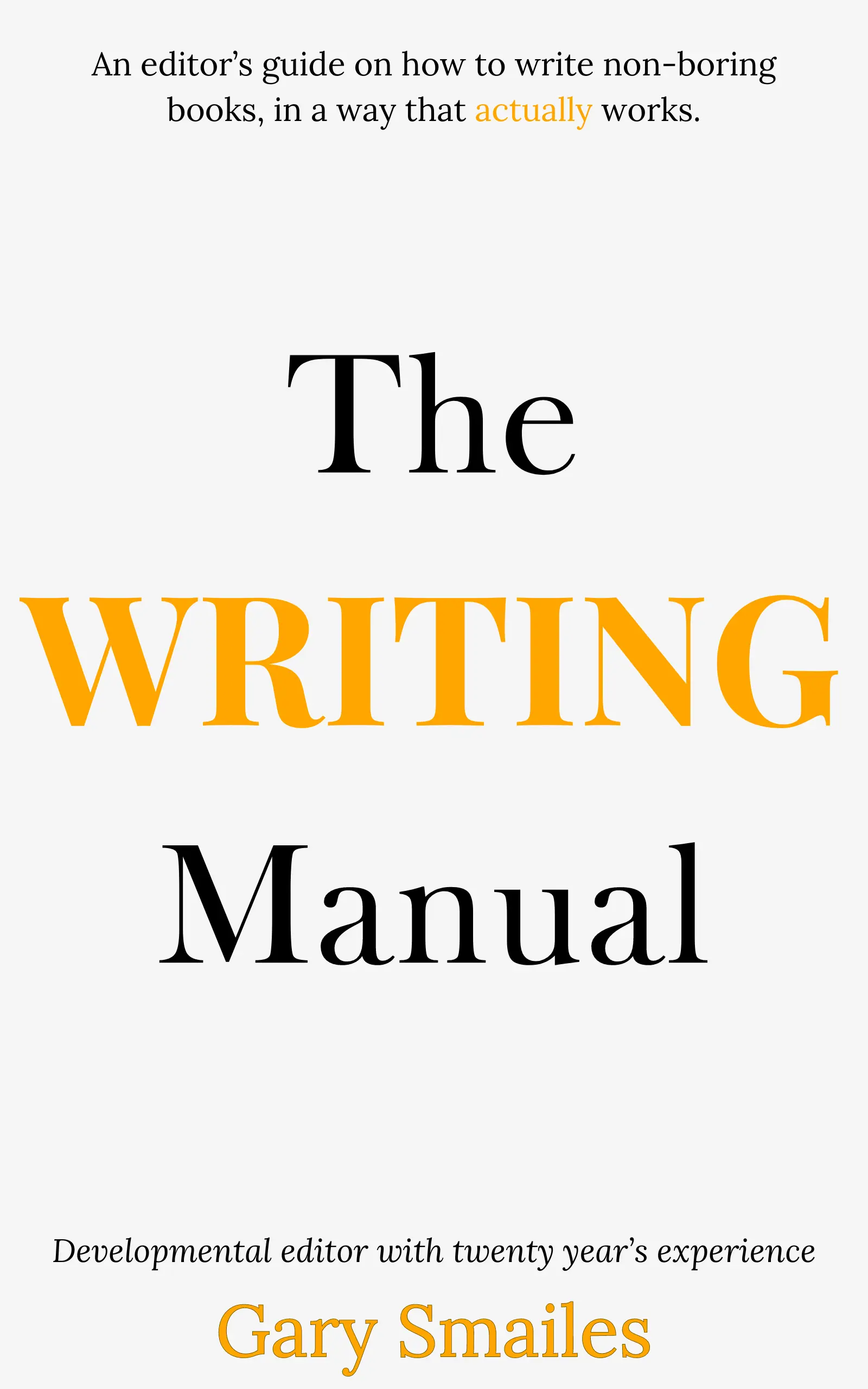
Download FREE ebook
Claim your free eBook today and join over 25,000 writers who have read and benefited from this ebook.
'It is probably one of the best books on writing I've read so far.' Miz Bent