World Building Through Character And Culture


Table of Contents
- Character Lenses: World-Building Through POV and Values
- Culture as System: Norms, Institutions, and Contradictions
- Language, Names, and Social Codes in Scene
- Material Culture: Objects, Food, and Work That Reveal Setting
- Cross-Cultural Encounters and Power Dynamics
- Revision and Continuity: Making Culture-Character Feedback Loops
- Frequently Asked Questions
Character Lenses: World-Building Through POV and Values
World-building breathes through a character’s eyes. Not through lore dumps. Readers meet a culture through pursuit, fear, and blind spots.
Picture a harbor at dawn. Tar, gulls, coins.
- A guild apprentice tracks tool brands, contract seals, and who owns the crane.
- A pilgrim tracks shrines, wind flags, and which pier sells safe crossings.
Same dock, two worlds. Your job is to choose the lens, then stay loyal to it.
Filter through goals, fears, and upbringing
Every goal edits the scene. Every fear edits again.
- A thief on probation watches guard boots, gate angles, and escape ladders. Prices fade into background.
- A midwife counts stairs, clean water, and quiet corners. Knives read as threats, not tools.
- A courtier raised on ceremony reads sleeves, jewels, and seating. Fish smell means “low status,” not “fresh catch.”
Write the detail your character would defend in an argument. Cut the rest.
Mini exercise
Write one place in two lines each, from two lenses. Keep nouns concrete.
- Market, soldier: “No standard weights on those scales. Dock tax man missing. Easy shake-down.”
- Market, parent: “Kid lost a mitten again. Hot dumpling steam at face height. Keep close.”
Use free indirect style and quiet interiority
You do not need a lecture on norms. One charged thought does the job.
- “She did not remove her shoes. Brazen.”
- “Two rings before marriage. New money.”
- “Left hand for bread. So he wants a fight.”
Free indirect style lets narration lean into the character’s mind without tags. The line carries judgment, rhythm, and context. No glossary required.
Try swapping a neutral line for a loaded one.
Neutral: “The guard wore blue.”
Loaded: “Blue in summer. Someone wants fear more than comfort.”
Backstory steers attention
Training rewires sight. Childhood sets default settings.
- A former stablehand notices hoof chips, feed mold, saddle fit. A king’s banner reads as horse weight more than politics.
- A city kid clocks brand names on umbrellas, not stars. Rain means transit, not blessing.
- A refugee counts exits. Always. A feast means storage capacity and grain policy.
Let one memory clip sneak in during pressure. One sentence. No monologue.
Example
Door slams. “Latch, same weak hinge as the tenement. One kick.”
Shrine bells. “Mother’s rhythm, slow for grief. So the news spreads.”
Tie emotional stakes to cultural stakes
Conflict lands when feelings hook into shared rules.
- Honor. A duelist spares a rival, loses face, loses patronage. Not a private choice, a public cost.
- Hospitality. A host feeds an enemy, keeps oath, risks neighbors. Bread on the table equals peace terms.
- Purity. A healer touches a corpse to save a child, then sleeps outside the compound.
- Property. A widow hides a tool which belonged to a dead spouse. Inheritance law knocks next morning.
Pick one value per scene. Let beats point to that value. A toast. A glance at a sigil. A door left open.
Calibrate narrative distance
Close distance feels like breath on the neck. Far distance compares, judges, and frames.
Close
- “Mud up to the knee. Worse than last winter.”
- “Do not look at the scar. Smile. Smile longer.”
Medium
- “Masons keep to the north bank during flood week. Everyone else knows better.”
Wide
- “River folk trade swears across three dialects. Court scribes pretend not to hear, then borrow the best ones.”
Shift distance with purpose. Chase scenes hug close. Political moves earn a step back.
Action step: build a bias inventory
For each POV, list six items.
- Five beliefs from home culture. Short, sharp, arguable.
- One belief the character rejects in private.
Example, street preacher
- Beggars bless you first.
- Food shared in public saves face.
- City gods listen near drains.
- Hands stay clean before prayer.
- Elders speak last.
- Secret rejection: bloodlines prove nothing.
Seed one belief in every scene. A line of thought. A choice. A misread.
Action step: do a POV pass
Pick one chapter. Highlighter time.
- Cut neutral description. Replace with judgment or goal-linked detail.
- Swap wide nouns for specific ones. Not “vehicle,” say “rickshaw,” “tram,” or “salt wagon.”
- Add one etiquette beat. Bow depth, hand position, order of greeting.
- Flag one bias from the inventory on the page.
- End each scene on a decision tied to culture or value. No static tableau.
Quick before-and-after
Before
“The hall was large. Tapestries hung on the walls. Guards stood by the door.”
After
“Hall big enough to echo lies. Tapestries stitched with victories no one sang anymore. Two guards at the door, spears reversed. Ceremony, not threat.”
Field test: one street, three lenses
Write this trio to train your eye.
- Apprentice: “Contract board hides the good jobs behind glass. Master Tiren’s mark on two. So he plays favorites today.”
- Pilgrim: “Shrine broom leans bristle-up. No lamps for the dead. Bad timing for a vow.”
- Tax clerk: “New copper on every stall. Fresh mint. Revenue chief wants numbers for the council vote.”
Three voices. Three maps. One city that feels lived in.
World-building through POV is discipline. Choose a lens. Keep faith with values. Then let scenes do the teaching.
Culture as System: Norms, Institutions, and Contradictions
Worlds run on systems. Characters learn rules, bend rules, and get bruised by rules. Your story gains teeth when written law collides with lived practice.
Map the systems, then find the cracks
Start with six pillars. Law. Religion. Kinship. Education. Markets. Guilds or unions. Give each one a few written rules, then a few real habits.
- Law says no street vending after dusk. Market elders collect “cleanup fees” and night stalls glow anyway.
- Temple bans betting on holy days. Priests run a raffle for roof repairs.
- Guild forbids side work. Masters rent apprentices by the hour to cousins.
Where a code says one thing and daily life flows another way, drama walks in.
Mini exercise
Write one rule per pillar, plus one workaround. Keep each line under ten words.
Taboos, rites, holidays, grief
Norms only matter once penalties land.
- Taboos. Left hand for food marks an insult. Wearing shoes over a threshold marks contempt. Speaking a true name during mourning invites blame.
- Rites. First haircut in the fifth winter. Bracelets removed after first blood. Apprenticeship marked with a shared meal at sunrise.
- Holidays. River blessing during flood week. Moonless fast for harvest safety. Night of lamps for the forgotten dead.
- Mourning. Blue thread on sleeves. Closed shutters for thirty days. No music within earshot of the home.
Now set teeth on them.
- Street level. A vendor keeps shoes on a neighbor’s mat. Neighbor spits, refuses service.
- Family level. A cousin marries without elder consent. No seat at winter feast.
- State level. Name taboo broken during a rally. Police seize banners, fine leaders.
Stakes turn cultural notes into plot fuel.
Subcultures and regional variants
No monoculture. Let class, place, and profession rub raw spots into every scene.
- River traders swear by flood omens, brew thin beer, share oars.
- Hill shepherds measure respect by sheep counts and winter feed.
- Temple archivists speak in citations, prize silence, trade bookmarks.
- Dock porters talk in hand signs, wear back braces, judge bosses by who lifts first.
Same festival, four readings. Traders watch tide charts for lucky launches. Shepherds sell wool and avoid cold drinks. Archivists display a banned chronicle in a locked case, which draws a crowd. Porters race lantern lines for prize money. Friction writes itself.
Scarcity and abundance shape manners
Resources teach bodies how to move.
- Water scarce. Greetings include a sip offered first. Baths rotate by age. Dust on sandals signals effort, not sloth.
- Data scarce. Messages run by courier. People memorize contracts. Gossip counts as currency, so eavesdropping draws fines.
- Land scarce. Vertical homes, rooftop gardens, quiet feet on stairs. Neighbors trade air hours for window time.
- Fish abundant. Breakfast smells of brine. Alms come as dried strips, not coins. Cats rule alley law.
Swap one resource and watch etiquette shift. A hostess refills cups before food. A clerk asks for a spare page as payment. A farmer pays taxes in storage space.
Put institutions on the page
Skip the encyclopedia voice. Stage a scene.
Permit office
- Queue curls past a faded map. Stools bolt to floor.
- Clerk stamps every form twice. Ink pad dries, someone breathes on it.
- A builder slides a wrapped sweet across the counter. Stamp moves faster.
Temple
- Shoes left in lines by width. A monk realigns pairs, toe to wall.
- A chorus starts late. Leader waits for a donor to sit.
- A mother whispers a child’s nickname, then flinches during the name prayer.
Union hall
- Sign-in book with grease stains. Dues box heavy with coins.
- Foreman speaks, eyes on the door. Two guards outside pretend to smoke.
- A motion passes by raised caps, not hands, which dodges a legal filter.
Institutions breathe through habit, furniture, and petty fear. Let fixtures talk.
Build a contradiction matrix
One page. Left column, official values. Right column, practical workarounds. Then circle the sparks.
- Merit above bloodline. Masters hire nephews, call them prodigies.
- Piety equals humility. Donors buy front pews with brass nameplates.
- Safety first. Inspectors announce visits a week in advance.
- Free speech for citizens. Citizenship fees rise every quarter.
- Care for elders. Nursing homes sit two ferries away, visiting hours during shift work.
Plot beats hide in those gaps. A whistleblower meets a cousin with seniority. A godly patron orders a plaque for a sin. A safe factory burns on the day after inspection.
Action step
Draft the matrix. Pick two contradictions and write one scene each where both sides show up and clash.
Taboos with layered consequences
Pick three. Write penalties across three levels.
Example set
- Touching the crown of a child’s head.
- Bringing iron into a sanctuary.
- Eating before elders at a feast.
Consequences
- Street. A passerby slaps a hand away, calls for witnesses.
- Family. Aunt refuses to bless a newborn, withholds heirloom blanket.
- State. Fine for metal at the gate, record flagged for “disorder.”
Action step
Write a scene where a tired courier rushes into a sanctuary with iron buckles. No lecture. Let bodies react. Add one family member who covers, one official who notices, one bystander who films.
Quick drill: systems in play, one minute each
- Law vs custom. A baker sells bread on fast day. Customers use veils as screens, coins on saucers, no words.
- Kinship vs education. A student wins a scholarship, elder wants a wedding first. Dialogue turns on pronouns and tea temperature.
- Market vs guild. A needleworker takes private orders, guild warden weighs thread, declares a rule no one remembers, pockets a scarf.
Culture as system gives structure. Characters push, break, and adapt. Put rules on the page, then show workarounds. Readers learn faster when a stamp sticks, a shoe stays on, or a song starts late.
Language, Names, and Social Codes in Scene
Language builds a world faster than any map. A single greeting sets rank. An idiom sets history. A pronoun sets risk.
Dialogue register and code-switching
People tune speech to audience and goal. That shift tells readers who holds power.
- Status. “Magistrate, your seal lacks today’s mark” signals caution. “Your stamp’s stale, sir” hints at impatience, maybe challenge.
- Intimacy. Partners drop titles, shorten names, interrupt without apology.
- Defiance. Formality used like a blade. “Honored Captain, do enlighten us” reads as a slap when paired with a smile.
Let speech evolve as relationships bend. A commander starts with clipped orders. Three chapters later, she borrows a deckhand’s slang. Trust earned, or leverage gained.
Quick drill
Write one line in three registers for the same ask. Beggar to guard. Merchant to inspector. Cousin to elder. Keep the core request identical.
Naming systems that carry weight
Give names a logic readers feel in their bones.
- Lineage. “Koa son-of-Reya” on legal documents, “Ko” in the courtyard.
- Birth order. Prefixes mark place, like Tri-Mara for a third child.
- Profession. Weavers take thread-names after certification, Lint, Shank, Selvedge.
- Omen-names. Children found during thunder receive Storm, Gutterlight, or Still Air.
- Forms of address. Auntie-of-Two outranks Auntie-of-One. “Master Weaver” in public. “Mara” only in shade or family rooms.
- Pronouns. A neutral honor form for strangers. A familiar set reserved for those who share salt.
Work titles and address rules into conflict. A debtor calls a lender by a familiar name in public. Silence falls, then chairs scrape.
Etiquette in micro-actions
Tiny moves hold entire codes.
- Bow depth. Forehead to fist for kin. Forehead to floor for clergy. Chin tilt for peers.
- Hands. Right hand for gifts. Left hand stays visible near elders. Palms up signals “no threat.”
- Eyes. Direct gaze equals honesty in the guild hall, rudeness in the temple porch.
- Gifts. Odd numbers for luck. Wrapping removed in private to avoid shaming the giver.
- Queues. Hats hold place. Cutters pay a fine to the person behind, not the person cut.
Let violations sting. A traveler unwraps a gift at the table. The host smiles, then removes the plates.
Nonverbal language as text
Bodies speak. Rooms speak.
- Gestures. Two-finger touch to the throat means apology. A closed fist over the heart marks oath.
- Proxemics. Three steps of space for superiors. Equals sit shoulder to shoulder. Lovers share a cup handle.
- Clothing. Sleeve length maps mourning weeks. A missing button on the left side tells others to go gentle.
- Body art. Guild tattoos hide under collars, exposed only during votes. A dot under the eye marks a person granted safe passage.
Stage beats that readers learn to read. No gloss needed once a gesture repeats in three scenes.
Keep clarity without lectures
Seed terms with context. One hint at a time.
Bad
“As you know, cousin, the Festival of Teeth honors the river god.”
Better
“The drummer missed the tooth beat.” He frowned. “The river will sulk.”
Or tuck a clean gloss into motion once, then trust readers.
- “She bowed to three breaths, the clergy count.”
- “He switched to the salt pronoun, a rough intimacy.”
Resist the dictionary tone. Let characters misunderstand, then fix it in action. A child calls a judge “auntie,” gets laughter, learns why in the next beat.
Action step: write a 250-word formality shift
“Inspector Varr, this stall holds no fermented goods.” Sera kept her hands visible, palms up. “As filed last quarter.”
Varr checked the ledger with a slow finger. “Your filing shows pickled roots. The air smells… ambitious.”
“It smells of soap.” She smiled without teeth. “My mother insists.”
He glanced at the queue, then at the wrapped jar near her elbow. Sera did not move it. The hat line behind him rustled, patient but watchful.
“Open the jar,” he said.
“Of course.” She lifted the lid a thumb’s width, angled it away from him. “Lavender. See?”
Varr leaned in, breathing through his mouth. “Fine.” His tone softened. “Sera, your mother’s soap won awards. She still mixing behind the curtain?”
“She sleeps most days.” Sera set the lid back, not pressing it tight. “Boys run stairs for her.”
“The twins?” A small grin. “Thieves. Gave me sand pies once.”
“They give everyone sand pies.” Her shoulders loosened. “You still playing keeper in the alley league?”
“On feast days.” He tapped the ledger shut. “Your stamp needs a fresh date.”
“My brother forgot the errand.” A shrug. “You know him.”
“Bring the form tomorrow. Early.” Varr shifted his stance, closer by a step. “And tell your mother I miss the bay-leaf bars.”
“I will.” Sera slid a wrapped square across the counter with two fingers, casual. “For your walk back.”
He pocketed it without looking down. “Next time, lid tight.”
“Next time.” She tilted her chin. Not a bow. Not now.
Action step: build a mini style sheet
Keep choices steady. Future-you will thank you.
- Greetings
- Formal public: “Peace on your work.”
- Informal private: “You eating?”
- Sacred spaces: “Quiet favor upon us.”
- Titles and address
- Magistrate Sera on first mention, then Magistrate.
- Auntie-of-Two as written, capitalized.
- Master Weaver, Guildmaster, Foreman.
- Pronouns
- Honor form for strangers and superiors.
- Salt form for friends and rivals.
- Switch noted only at first change per scene.
- Names
- Lineage format on legal items, Koa son-of-Reya.
- Birth-order prefixes fixed, Uni-, Di-, Tri-.
- Omen-names capitalized, Still Air, Gutterlight.
- Etiquette cues
- Bow types named by purpose, peer bow, clergy bow.
- Gift numbers spelled out, three or five.
Apply during copyedits. Train readers early, then stay consistent. Language will carry your world without strain.
Material Culture: Objects, Food, and Work That Reveal Setting
Props speak before characters open their mouths. A dented kettle, a bead tally, a chipped screen. Each one encodes tech, wealth, belief, and habit. Use them on purpose.
Let objects carry history and rules
Think beyond decoration. Put tools and trinkets where decisions happen.
- A city badge clicks apart and reveals a bribe slot. Corruption reads in three beats.
- A needle case marked with clan knots. Ownership travels in plain sight.
- A prayer wheel in a server room. Religion sits beside code, not behind.
- Coins with square holes ride on string for safety. Purses stay flat in crowded lanes.
- Interfaces shaped for left-hand use only. Southpaw users stumble unless trained.
Give each POV a signature object lens. A glassblower clocks window ripples before greeting anyone. A driver gauges road culture by tire patches along the verge. A student reads ink stains on fingers to sort allies from rivals.
Tip
Bring one new object into a scene, then ask what rule follows from it. Readers learn rules through use, not gloss.
Foodways reveal class and region
Meals trace borders more reliably than flags. Use ingredients, order of service, and taboo to reveal structure.
- A farm breakfast serves browns and roots. Cheap fat, long energy.
- A coastal feast sets bones aside in bowls for ancestor fish. Waste offends both hosts and ghosts.
- A guild lunch lands in stacked tins, names etched on lids. Workers exchange halves without comment.
- Taboo foods exist for reasons. Allergy, scarcity, ritual time. Show penalties, not lectures.
Hospitality rules raise or lower stakes.
- Guests sip before hosts, proof of trust.
- The oldest person speaks first over stew.
- Spiced milk served to enemies by law, even during siege.
Break a rule, earn a consequence. Not every breach triggers violence. Cold politeness draws blood too.
Ground scenes in labor and logistics
Daily work builds the floor under your story. Put bodies in motion.
- Unlock shop shutters. Sweep grit from between stones. Count float money.
- Swap filters on rooftop intakes. Check sealant. Keep dust out of lungs.
- Queue for water. Carry home in clay jars, or in smart bladders that log usage.
- Wait on transit steps. Delay posts in station kiosks. Missed connections ripple through plans.
Talk about time and effort. How long to cook beans. How often to sharpen a blade. Who fixes the heat exchanger when winter bites. Mundane beats feel like air to readers. The world breathes.
Sensory detail with purpose
Pick details that imply systems.
- Tanneries smell of urine and smoke. Workers tie scarves high over noses.
- Windblown sand grates in teeth. Traders oil door hinges every night.
- Festival sweets stick to fingers. Street dogs trail wagons with syrup jars.
Avoid generic labels. Name the spice. Name the textile. If a place sells “exotic wares,” you missed a chance. Give the basketmaker palm fiber, raffia, or nylon twine. Describe how those choices fail under rain.
Repair, scarcity, and wear
New objects tell less story than worn ones. Show use, repair, and thrift.
- A cloak patched with sun-faded squares, stitched in neat rows, pride in patience.
- A phone with outdated firmware, no security updates, owners rely on paper vouchers.
- A pot repaired with staple stitches. Lid no longer seals, so rice cooks slower.
- Shoes resoled twice, toe caps mismatched, leather oiled thin.
Track scarcity and abundance. Water ration rings on wrists. Extra grain stored in communal jars, sealed with braided reeds. Abundance shapes etiquette too. A district rich in citrus throws peels at weddings. Streets hum with flies by noon.
Action step: build a prop chain
Take one object through a scene. Make meaning shift each time hands change. Example:
- A bone whistle sits on a tavern table. Barmaid uses it to call last round.
- A thief pockets the whistle during the rush, a quiet lift.
- The guard spots the cord missing from the barmaid’s neck, asks questions.
- Thief trades the whistle to a street kid for a hiding place, whistles mark guards who take bribes.
- The kid passes it to a priest during morning sweep, donation for safe sleep.
- Priest blows the whistle in court to shame a captain, proof of extortion.
Now revise the scene so each transfer lands with a choice. Desire, fear, duty. No narrator lecture. Stakes live inside the object.
Mini-drill
Write a paragraph for each handoff. Keep verbs specific. Let body language carry subtext.
Action step: write a meal scene that contrasts norms
Steam rose over the low table. Three bowls waited, black glaze chipped at the rims. Mina folded her legs and kept her hands in her lap. Her uncle poured barley tea for himself first, poured for her father, then for Mina. No words.
Her father lifted his bowl with both hands. He watched the doorway, counting. One, two, three breaths. He drank. Mina followed.
Noise swelled on the stair. Neighbors from the north quarter stamped in, boots on wood. They brought their own spoons. Bright tin, jingling. A woman with a wolf tooth threaded on red string nodded, then sat without waiting for an invitation.
“Peace on your work,” Mina said.
“Eat hot, talk after,” the woman said. She salted her bowl with a pinch from a leather pouch on her belt. No one blinked.
Uncle placed pickled radish at the center. He did not reach first. He watched Mina’s father, who kept his hands low. The woman with the tooth leaned across the table, took two slices, left three. She pushed one slice toward Mina with the side of her spoon, metal ringing the glaze.
A boy came last, hair still wet from snowmelt. He grabbed a bowl with one hand, slurped, eyes on the door. The woman rapped his knuckles, then guided his fingers under the rim. Two hands. He scowled but kept the hold.
Conversation started only after the second pour. Questions waited under the tea. How much grain left. Which roof leaked. Mina’s father asked none. The woman answered all. She ate fast, then stood, spoon tucked back under her belt, boots already turning toward the stairs.
Mina set her bowl down, two hands again. The room breathed. Rules shifted, but the soup stayed warm.
Keep a pocket checklist for props and work
- One object per scene anchors culture.
- One food detail signals class or region.
- One labor beat grounds time and cost.
- One sign of repair or wear hints at economy.
Use small choices. Repeat with variation. Readers will read the world without strain.
Cross-Cultural Encounters and Power Dynamics
Power is not a vibe. It is who sits, who speaks, who pays, who refuses, and who walks away. Design the gradient, then let scenes reveal it.
Build the ladder on the page
Pick two markers for status in your world. Age and rank. Caste and wealth. Species and magic access. Tech access works too. Now sketch how power passes between bodies.
Signals help:
- Seating order, distance from heat or light.
- Who touches first, who avoids touch.
- Who holds the pen, the keys, the passcard.
- Who waits, who is fetched.
- Who interrupts without consequence.
Example
A district clerk pours tea while a caravan head stands. The clerk reads names aloud. No one corrects pronunciation. A soldier enters without knocking, drains the clerk’s cup, leaves empty plates for others to clear. No exposition needed. Hierarchy is visible.
Negotiations should show pressure points. Refusals carry weight. A noble refuses a private audience and sends an under-steward. That insult lands harder than any shouted threat. A river pilot refuses to steer past dusk, storms raise stakes faster than bribes.
Misunderstandings move plot
Crossed wires are not a gag. They are a character test.
- Humor. A proverb about “counting goats” means stinginess in one town, fertility in another. A toast sours a trade talk.
- Metaphor. A queen calls a cousin “my blade.” Praise at home, threat abroad.
- Gestures. Thumbs up equals “prices up” at the docks. A foreign envoy leaves with an empty purse.
Give consequences. A missed joke costs trust. A wrong hand signal brings guards. Fixes require apology, payment, or public ritual. Characters earn growth by learning, not by shrugging.
Prejudice and privilege in small beats
Avoid straw villains and flat saints. Pull bias into micro-interactions.
- Interruptions. Who gets cut off mid-sentence, who glides to the period.
- Seating. Chairs for some, floor for others. Back row seats with blocked sight lines.
- Surveillance. Bag searches for one group, waves for another.
- Pricing. Market stalls named “locals’ price” in the mother tongue, higher numbers for newcomers.
- Address. Honorifics for a younger noble, first names for an elder laborer.
Make it personal, not generic. A temple guard is kind to children yet checks their mother’s basket twice. A professor mentors one student while refusing to learn another student’s name. No slurs, no stock stereotypes. Specific habits feel true and carry more sting.
Translation has sharp edges
Language fails in interesting ways.
- Untranslatable terms. A word for kin older than mother’s brother carries duty, property claims, and ritual seating. Gloss with behavior, not a footnote.
- False friends. “Convenience” means moral fitness in one court, speed in another. A treaty clause falls apart.
- Ritual language. Oaths require exact phrasing. One extra honorific, vow shifts to include livestock.
Let errors leave marks. A mistranslated banner angers mourners. A misread blessing binds the wrong pair in marriage law. Repairs cost time, money, reputation.
Research with respect
Write outside your experience with care. Start with primary sources. Memoirs, letters, cookbooks, oral histories, legal codes, music, clothing. Track contradictions inside a culture. Region against region. City against country. Household against street.
Bring in sensitivity readers early. Pay them. Credit them. Ask specific questions. Where does the scene ring false. Which gestures feel imported. Where does the power sit. Keep notes and adjust the world bible as you fix scenes.
Action step: diagram the social ladder for one scene
- List every person in the room. Include absent power too, like a law or a guild rule.
- Mark who says no to whom.
- Add two physical signals for each rung. Foot position, gaze, who touches objects, who moves first.
- Revise dialogue and beats.
- Higher status takes longer turns, uses fewer honorifics, receives more silence.
- Lower status hedges less once stakes spike. Fear tends to blunt wit.
- Pacing shifts. Long pauses from the powerful, quick answers from those under pressure.
- Swap one beat to overturn expectation. A porter refuses a tip. A prince carries his own chair. Let that choice ripple.
Quick drill
Write ten lines of talk. Insert one interruption from a higher status speaker. Replace it with an interruption from a lower status speaker. Feel how the scene tilts.
Action step: run a bias audit on one chapter
Print or copy the chapter. Highlighters out.
- Yellow for descriptions of marginalized groups. Note who gets bodies described, who gets minds described. Balance both.
- Blue for agency. Underline verbs where those characters act, speak, decide. Circle places where others act on them.
- Pink for power cues. Seating, price quotes, surveillance, interruptions, naming.
Now revise three things:
- Give one marginalized character a decision that alters the outcome of a scene.
- Replace one generic prejudice beat with a specific habit tied to history.
- Add one consequence for bias that lands on a powerful character’s goals.
Keep the audit notes for later passes. Repeat after big edits. Culture shifts as characters learn, and the world pushes back.
Revision and Continuity: Making Culture-Character Feedback Loops
Your world bible is not a museum. It is a living document that grows, shifts, and occasionally contradicts itself as your story learns what it wants to be. Track the changes. Culture and character shape each other across drafts.
Build a world bible that works
Start simple. One page per cultural system. Law, religion, kinship, trade, education. Add detail as scenes demand it.
Track the basics first:
- Calendar and holidays with emotional weight.
- Forms of address and when they shift.
- Dress codes and what breaking them costs.
- Legal terms that matter to your plot.
- Slang that marks region, class, generation.
- Oaths and their binding force.
Update after each draft. Characters discover new customs. Plot twists create new laws. A secondary character's backstory adds a festival. Note the change, mark affected scenes, fix in the next pass.
Keep contradictions visible. Your first draft says temple bells ring at dawn. Chapter twelve needs them at sunset for a scene to work. Note both. Decide in revision which serves the story better.
Example world bible entry:
Mourning customs: - Public grief for three days, private for seven more - Mirrors covered, no cooking fires lit by family - Neighbors bring bread, leave without speaking - Chapter 8: Added restriction on bathing (needed for Kira's arc) - Chapter 14: Exception for guild masters (funeral scene required flexibility)
Do targeted revision passes
Line editing fixes sentences. Cultural revision fixes worlds. Separate the two.
Language pass: Track register shifts, idioms, code-switching. Search for generic dialogue tags like "he said politely." Replace with behavior that shows cultural norms. "He touched his forehead" signals deference without telling.
Material culture pass: Scan for objects, food, work. Do props carry meaning beyond their function. Does scarcity show in patched clothes, recycled materials, rationed portions. Does abundance create waste, luxury, different kinds of etiquette.
Institutional pass: Find scenes where law, religion, kinship, guilds, or markets matter. Are the rules consistent. Do characters navigate them believably. Does breaking norms have consequences that ripple forward.
Power dynamics pass: Check who interrupts whom. Who sits where. Who touches what. Who pays, waits, apologizes, or refuses. Hierarchy should feel lived-in, not performed.
One pass per draft. Mix the order. Material culture might reveal institutional problems. Language patterns might expose power gaps you missed.
Track feedback loops between character and culture
Strong world-building creates pressure. Characters push against cultural norms. Culture pushes back. Both change.
Character growth should shift status, beliefs, relationships. The world responds. A merchant's daughter enters temple service. Her family loses trade connections but gains religious influence. Former peers treat her differently. New peers test her loyalty. Secondary characters adjust their behavior around her changed status.
Culture evolves too. A character's defiance inspires others. A character's innovation creates new customs. A character's failure reinforces old restrictions. Track these ripples. A tavern allows women after your protagonist breaks the ban. Other scenes need updates.
Example feedback loop:
Draft 1: Jorik refuses arranged marriage, faces exile. Draft 2: Added three secondary characters who also refuse matches after hearing Jorik's story. Draft 3: Village council creates new rule allowing delayed marriages with dowry penalty. Revision needed: Earlier chapters must foreshadow this flexibility in council decisions.
Mark scenes for follow-up edits. Character arcs require cultural consequences. Cultural changes require character reactions.
Hunt inconsistencies with purpose
Details matter when they affect stakes. A character called "Lord" in chapter two becomes "Sir" in chapter eight. Does rank matter to your plot. Fix it. A festival happens in spring, then autumn. Does timing affect the harvest conflict. Pick one.
Make a search list:
- All titles and honorifics (Lord, Dame, Master, Keeper)
- All pronouns of address (formal, familiar, ceremonial)
- Festival names and timing
- Legal terms (inheritance, contracts, crimes)
- Currency and measurements
- Kinship terms (what makes a cousin, when they become family)
- Religious titles, ranks, and obligations
Run searches between drafts. Note mismatches. Fix based on story needs, not first appearance.
Quick test: Print character sheets with titles, relationships, and obligations. Compare across chapters. Highlight changes. Are they intentional growth or accidental drift.
Use beta readers as cultural consultants
Pick readers from varied backgrounds. Ask specific questions about scenes, not general impressions.
Good questions:
- Does the power dynamic in the council scene read clearly.
- Where does the funeral ritual feel researched vs. authentic.
- Do the business negotiations follow believable customs.
- Which cultural details feel essential vs. ornamental.
Poor questions:
- Do you like the world-building.
- Does the culture feel realistic.
- Any feedback on the setting.
Pay sensitivity readers for their expertise. Credit them in acknowledgments. Ask about appropriation risks early, before you're attached to specific details. Request line-level feedback on dialogue, gestures, and power dynamics.
Action step: build a culture-focused checklist
Four items per scene:
- POV bias: One belief from character's cultural background affects perception or decision.
- Etiquette beat: One micro-action (greeting, seating, payment, address) shows cultural rules.
- Meaningful prop: One object carries more weight than its function (status marker, ritual item, trade good).
- Consequence of norm: One choice creates cultural approval, disapproval, or confusion that affects relationships.
Check these after the first draft of each scene. Missing items signal opportunities, not requirements. Some scenes need all four. Others need deeper focus on one element.
Example checklist for market scene:
1. POV bias: Kira notices coin wear (merchant training) but ignores fabric quality (lacks noble education). 2. Etiquette beat: Vendor offers tea, Kira accepts with two hands (respect), drinks before negotiating (trust). 3. Meaningful prop: Brass scales belong to guild, not vendor—marks temporary stall vs. established shop. 4. Consequence: Kira pays fair price (shows honor), earns vendor's recommendation to better supplier.
Action step: maintain a change log for cultural rules
Track every world-building revision. Note affected chapters. Mark them for cleanup passes.
Log format:
Date: Draft 2, Chapter 7 Change: Temple bells ring at sunset, not dawn Reason: Needed for evening prayer scene timing Affected chapters: 2, 4, 11 (morning routine descriptions) Fixed: Chapter 2 (removed dawn bell reference), Chapter 4 (changed to market bell), Chapter 11 (kept, added note about regional variation)
Update the world bible when you make the change log entry. Fix affected chapters in the next revision pass. Keep the log through all drafts. Late changes create early chapter
Frequently Asked Questions
What should I put on a one-page rule sheet to keep my world consistent?
Keep it surgical: list ten constraints, a short capability note for each, and two consequences you will use in scenes. Tape that page above your desk and glance at it before each scene so your If X, then Y chains stay tight and cause meets effect on the page.
How do I make magic or technology feel believable with costs and counters?
Use a capability–cost–countermeasure framework: state what the system can do, exactly what it consumes, and at least one reliable way to block or blunt it. Run a price tag test — personal, social and ecological costs — and drop those costs into scenes so limits shape choices and stakes.
How can I weave worldbuilding into POV without info dumps?
Filter details through your character’s goals, fears and upbringing so they notice what matters to them, not an omniscient catalogue. Replace exposition with tasks, props or small etiquette beats — a torn permit, a stamped ration book or a mistaken greeting will teach rules in context.
What props and food details best reveal culture and class?
Use one meaningful object per scene and repeat it in new hands so its ownership and rules unfold, and pick food details that map region and status — who eats first, what spoils fast, and which ingredients signal wealth. Worn items, patched clothes and specific spices reveal economy far more convincingly than generic descriptors.
How do I map power dynamics and avoid flat stereotypes?
Design visible markers of status — who sits, who touches objects, who interrupts — then show prejudice in micro beats: who gets named, who gets agency and who is surveilled. Replace broad stereotypes with specific habits and consequences so bias feels lived in and scenes carry real stakes.
What targeted revision passes should I run on a draft?
Run single‑focus passes: geography and logistics, culture and idiom, systems and rules, then a material culture pass for props and food. After structural passes do a continuity sweep — search names, bells, units and festival dates — and update your world bible and change log before copy‑editing.
How do I use beta readers and sensitivity readers effectively?
Give concise briefs: one‑page system notes, a map and a short glossary, then ask specific questions about trust breaks, rule drift and scene authenticity. Pay and credit sensitivity readers, request line‑level feedback where culture or power is at stake, and act on concrete notes rather than arguing over tastes.
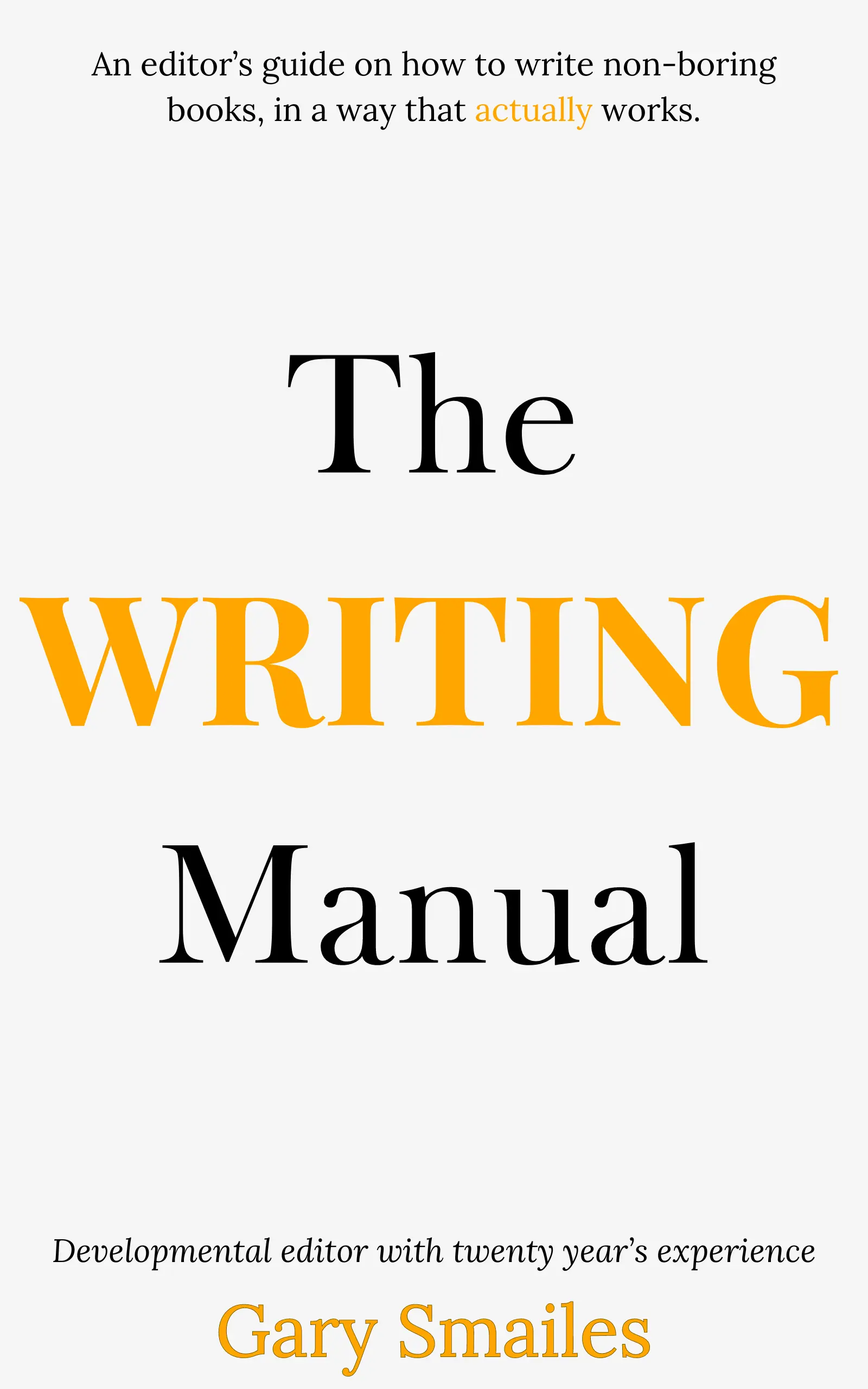
Download FREE ebook
Claim your free eBook today and join over 25,000 writers who have read and benefited from this ebook.
'It is probably one of the best books on writing I've read so far.' Miz Bent